
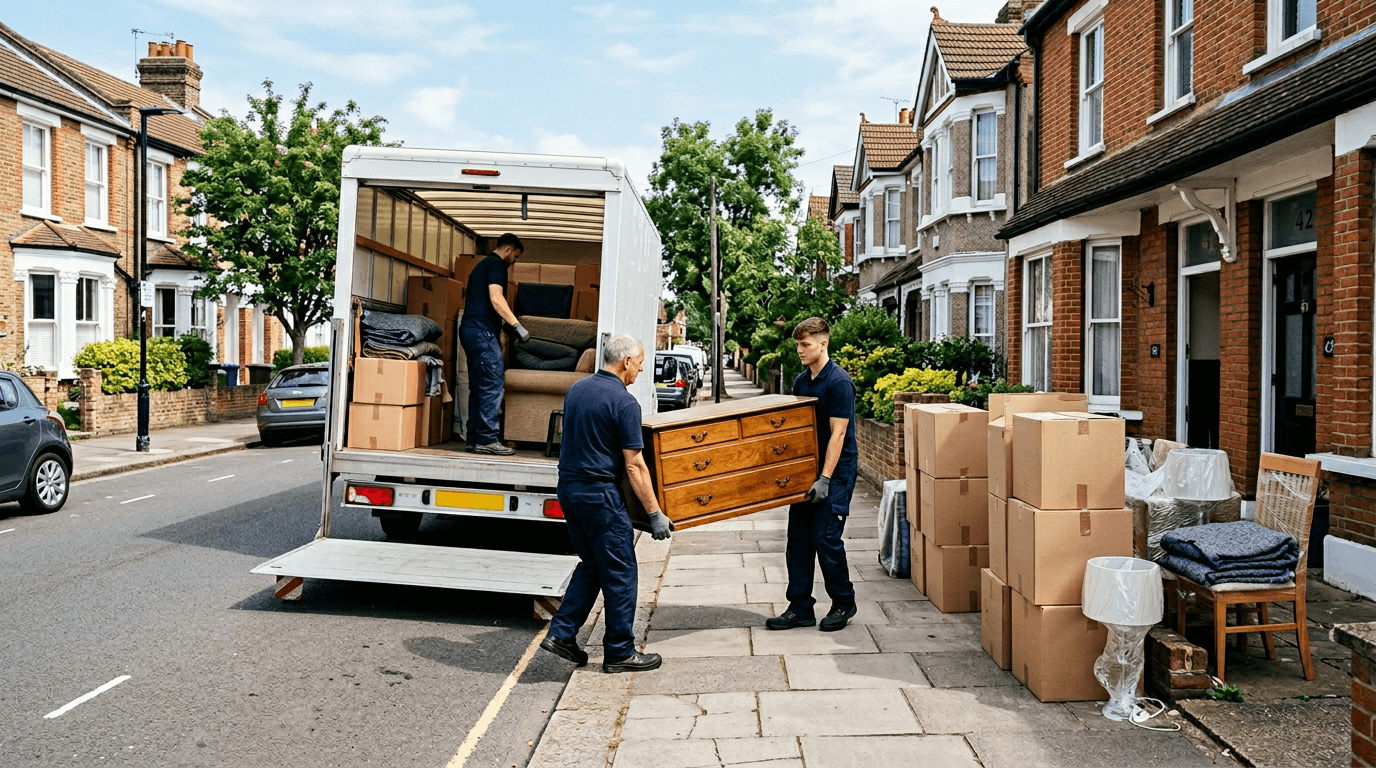
10 Tips for a Stress-Free House Move
Ten practical tips for a stress-free house move: plan early, declutter, pack room by room, prepare access, and more. Reduce stress and stay organised from start to finish.
Moving house ranks among the most stressful life events, but it does not have to be chaotic. With careful planning and a few practical habits, you can turn a stressful move into a manageable one. Whether you are moving across town or across the country, these ten tips will help you stay organised, reduce last-minute surprises, and make your move smoother from start to finish. The key is to start early, work methodically, and keep essentials within easy reach right up until moving day.
1. Plan early
Booking your removals team as soon as you know your completion date is essential. Popular dates, especially Fridays and bank holidays, fill up weeks or even months in advance. Ring around several firms to compare quotes and availability. Ask what is included: packing materials, dismantling furniture, and insurance are not always standard. Confirm the details in writing a week before the move and again the day before. A quick checklist of what they will bring (blankets, straps, trolleys) and what you need to provide (parking, access) prevents misunderstandings on the day.
Need help with Small Moves?
Tell us about your job and we will match you with the right professional for Small Moves.
2. Declutter first
Tackling clutter before you pack saves time, effort, and often money. Every item you remove is one fewer box to load, carry, and unpack. Go through each room systematically and sort items into keep, donate, sell, or dispose. Be honest about what you actually use. Old clothes, duplicate kitchen gear, and outgrown toys can go to charity shops. Online marketplaces work well for furniture and electricals. For large clearances or items that cannot be donated, book a house clearance or waste removal service. Doing this four to six weeks before the move gives you time to sell or donate without feeling rushed.
3. Pack room by room
Packing one room at a time keeps you focused and makes unpacking far easier. Start with the rooms you use least, such as spare bedrooms, the loft, or the garage. Finish with the kitchen and bathroom. Label every box clearly on at least two sides with the room name and a brief description of contents. Use the same naming for rooms in the new house so the removals team knows exactly where to put each box. Numbering boxes and keeping a simple list can help you spot if anything goes missing.
Explore our House & Flat Removal service
See what is included, typical timings, and what to prepare before you book.
4. Prepare access
Tell your removals team about parking, stairs, narrow doorways, or lifts before the day. If a van cannot park close to the door, they need to know so they can allow extra time. Check whether you need a parking permit for the street. For flats, confirm access to the building and whether the lift is available and large enough for furniture. If there are tight corners or low ceilings, mention them. A quick walk-through or a few photos can help the crew plan the job and avoid delays.
5. Create a moving checklist
A written checklist helps you stay on top of dozens of small tasks. Include everything from redirecting post and updating your driver's licence to cancelling gym membership and informing your GP. Break it down by week: six weeks before, four weeks before, two weeks before, and the final week. Tick items off as you go. It is easy to forget something when you are busy, and a checklist reduces the chance of oversights that cause stress later.
Ready to book Small Moves?
Send a quick enquiry — we typically respond the same working day.
6. Book utilities and services early
Arrange gas, electricity, water, broadband, and council tax for your new address as soon as you have an exchange or completion date. Give your current providers notice to close your account. At the new property, ensure services are connected from day one. Moving into a cold, dark house with no internet adds unnecessary stress. Some suppliers need a few weeks notice, so do not leave this until the last minute.
7. Pack an essentials box
Keep a box or bag for the first night and morning. Include toiletries, a change of clothes, phone chargers, medications, snacks, tea and coffee, a kettle, basic cutlery and crockery, and anything you need for work or children. Label it clearly and instruct the removals team to load it last so it comes off first. Having these items to hand means you can have a cup of tea and a wash without digging through dozens of boxes.
Learn more about House & Flat Removal
Browse how we deliver House & Flat Removal and the questions homeowners ask most often.
8. Get quotes from multiple removals firms
Prices and service levels vary. Get written quotes from at least three firms. Ensure each quote covers the same scope: packing, loading, transport, and unloading. Check whether they offer insurance and what it covers. Ask about extra charges for stairs, long carries, or bulky items. Read reviews and, if possible, get a recommendation from someone who has moved recently. The cheapest option is not always the best; reliability and care with your belongings matter.
9. Notify important parties
Update your address with banks, insurers, employers, HMRC, the DVLA, and any subscription services. Set up a Royal Mail redirection for at least six months to catch any post you forget. Tell family, friends, and schools. The more you do in advance, the fewer headaches you will have after the move. Keep a list of who you have informed so you can double-check before the redirect ends.
Thinking about Small Moves?
Share your postcode and job details for a no-obligation quote.
10. Take photos and notes before you leave
If you are leaving a rental, photograph each room in its final state. Note meter readings and return all keys. For owners, photos of how furniture was arranged or how things were wired can help when you need to replicate the setup. Keep a record of serial numbers for expensive items in case of loss or damage. These simple steps can save disputes and confusion further down the line.
Conclusion
A stress-free house move is mostly about preparation. Start early, declutter first, pack room by room, and keep essentials close at hand. Prepare access for your removals team, create a checklist, and sort utilities and notifications well in advance. Get several quotes before booking and take photos before you leave. Taking it step by step turns a daunting task into one you can manage. Use Taskino to find trusted removals and house clearance professionals who can help make your move smoother.
Related posts

Packing order, room-by-room tips, essentials box and labelling guide. Stay organised when moving home.
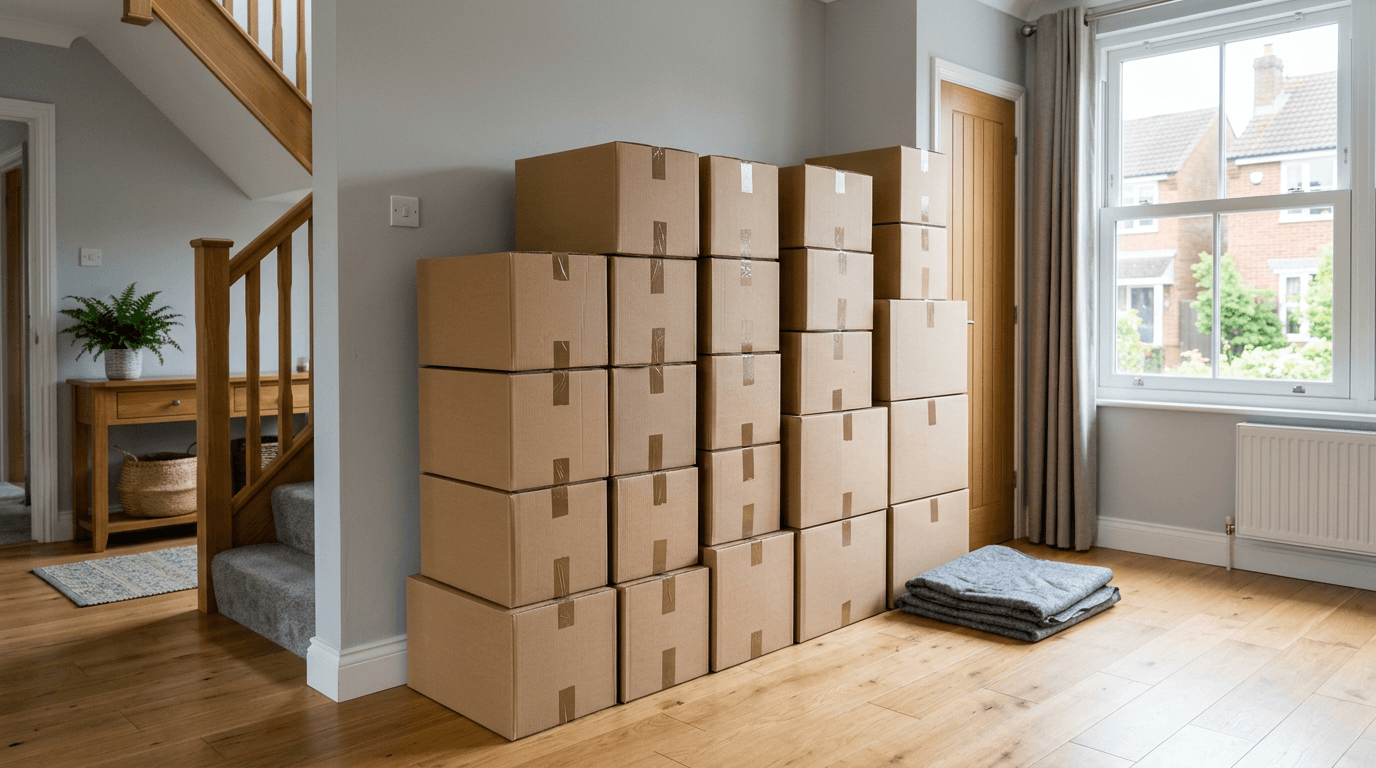
Practical tips for decluttering before a house move. Reduce what you pack and make moving easier.

Practical new homeowner tips for the UK: stop taps, ladders, alarms, locks, moving boxes, maintenance budgets, and when to book local help.
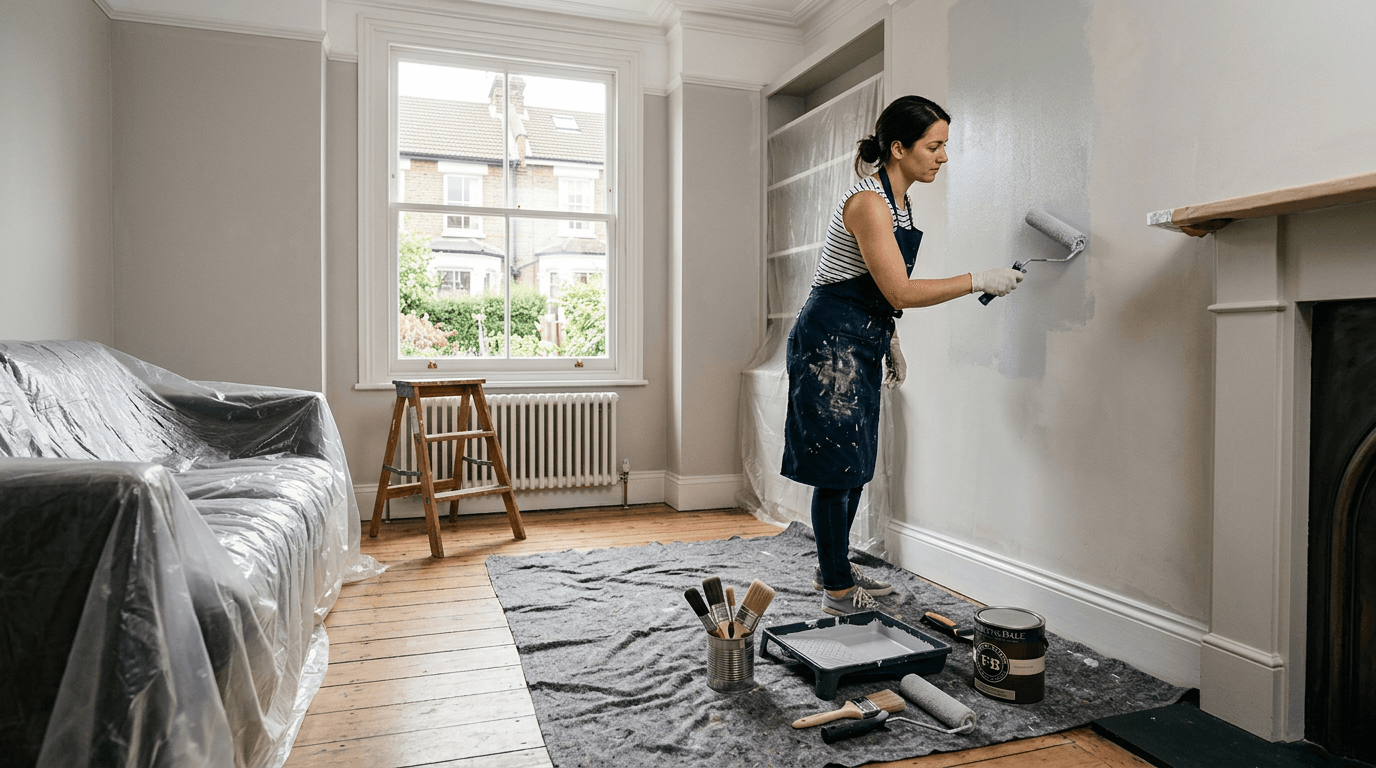
Practical advice for planning and managing a home renovation. Tips to keep your project on track and stress-free.
Latest in Moving Services
View all in this categoryPractical new homeowner tips for the UK: stop taps, ladders, alarms, locks, moving boxes, maintenance budgets, and when to book local help.
Packing order, room-by-room tips, essentials box and labelling guide. Stay organised when moving home.
Related services
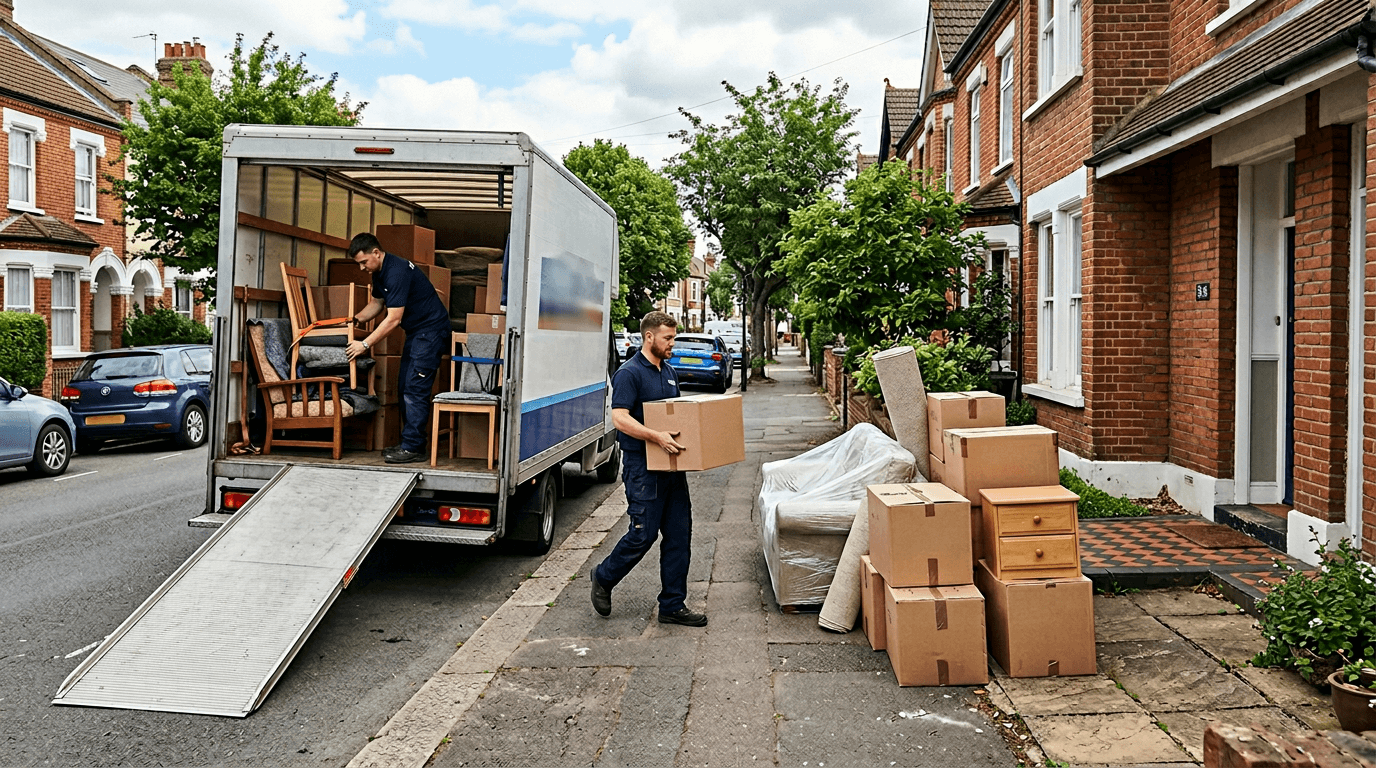
Quick, reliable small moves for one-room moves and single-item collections. Book vetted, insured professionals with suitable equipment and clear quotes for stress-free local removals.
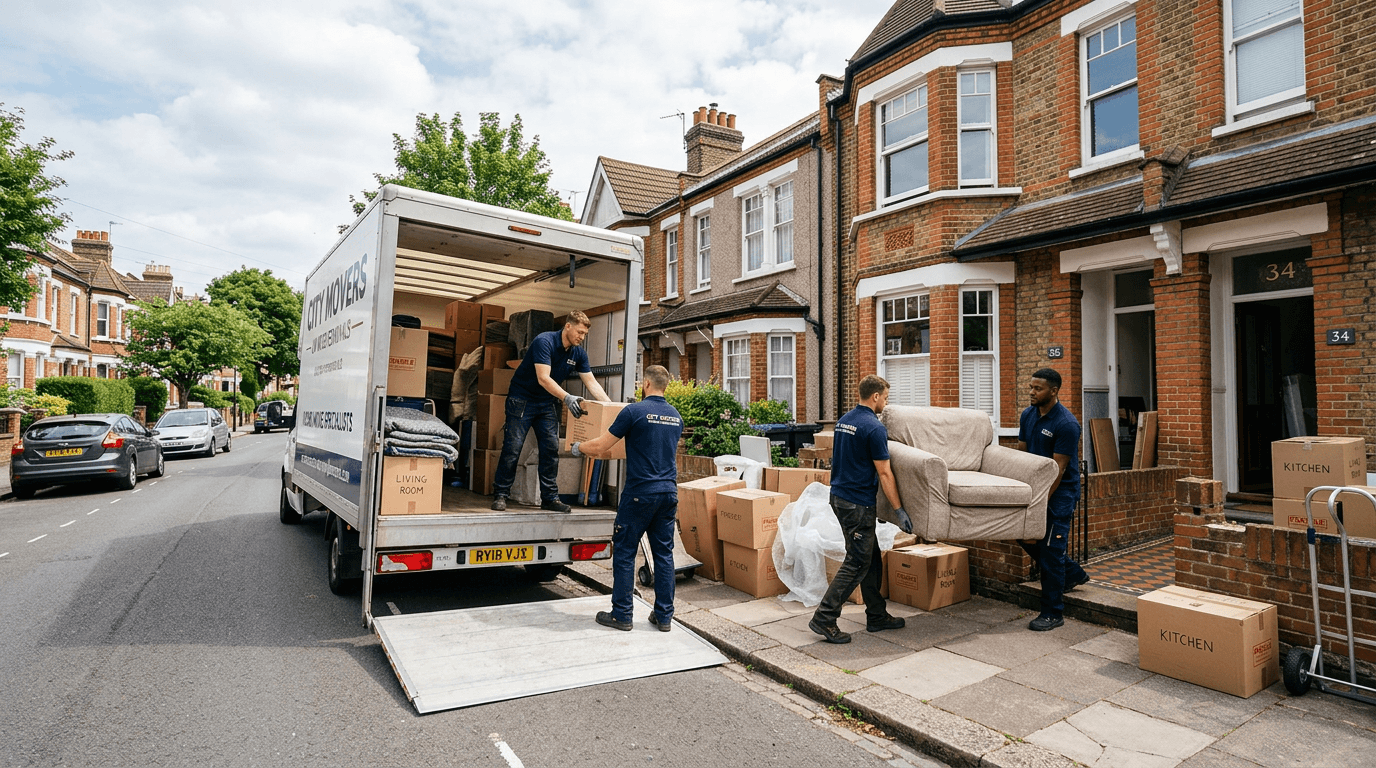
Reliable House & Flat Removal services across the UK. Our professional moving teams provide efficient packing, secure transport, and transparent pricing for a stress-free move.
Ready to Book Your Service?
Tell us what you need and our team will help you find the right professional quickly, with clear pricing and no hidden fees.