

10 Tips for a Smooth Home Renovation Project
Planning a home improvement? Ten practical tips to help your renovation run smoothly, stay on track, and reduce stress.
Home renovations can be rewarding but also demanding. Whether you are updating a single room or tackling a larger project, good planning and clear communication with tradespeople make a big difference. This guide offers ten practical tips to help your renovation run smoothly, stay on track, and cause as little stress as possible. From choosing the right trades to managing dust and disruption, these steps will help you avoid common pitfalls and get the result you want.
Plan ahead
Write down what you want done and in what order. Some jobs depend on others: plastering usually comes before painting, and electrical or plumbing work often needs to happen before walls are finished. A clear plan helps you and your tradespeople stay on track and avoids costly rework.
Create a job sequence
- Strip-out and removal of old fittings or finishes
- Structural work, plumbing, and electrical first fix
- Plastering and wall preparation
- Flooring, tiling, and second fix (sockets, switches, sanitary ware)
- Decorating and final finishes
Need help with Kitchen fitting?
Tell us about your job and we will match you with the right professional for Kitchen fitting.
Set a budget and contingency
Decide what you can afford before work starts and set aside a contingency for unexpected issues. Hidden problems such as damp, rot, or outdated wiring often appear once walls or floors are opened up. A buffer of 10 to 15 per cent helps you deal with surprises without derailing the project.
Get clear quotes
Ask for written quotes that spell out exactly what is included. Clarify what materials are covered, what might cost extra, and whether the price is fixed or an estimate. A detailed quote reduces surprises later and makes it easier to compare different tradespeople.
Questions to ask
- What materials are included, and do you supply them or will I?
- Is disposal of rubbish and waste included?
- How do you handle changes or extra work requested mid-project?
Explore our Bathroom Renovation service
See what is included, typical timings, and what to prepare before you book.
Keep access clear
Tradespeople need to bring in tools and materials, and often need clear routes to the work area. Make sure pathways, doorways, and stairways are clear. If parking is difficult, mention it when arranging the visit so they can plan accordingly. Obstacles slow work down and can add to labour costs.
Decide on timings
Agree on start and finish times with your tradespeople. Some jobs create dust or noise, which can be disruptive if you work from home or have young children. Knowing when work will happen helps you plan your day and reduces frustration. If you need flexibility, discuss this upfront.
Ready to book Kitchen fitting?
Send a quick enquiry — we typically respond the same working day.
Protect your belongings
Move furniture and valuables out of the work area before builders arrive. Dust and debris can spread, especially during stripping, plastering, or sanding. Cover what you cannot move with dust sheets and ask your tradesperson how they will protect the rest of the room. A little preparation saves cleaning and potential damage later.
Communicate regularly
Check in with your tradespeople regularly, especially if the project runs over several weeks. If something does not look right or you want to change the plan, raise it early. Clear, friendly communication helps avoid misunderstandings and keeps the project on track.
Learn more about Bathroom Renovation
Browse how we deliver Bathroom Renovation and the questions homeowners ask most often.
Plan for dust and disruption
Renovations create dust, noise, and mess. If possible, seal off the work area from the rest of the house with plastic sheeting. Keep windows closed in unaffected rooms to reduce dust ingress. Plan where you will cook, wash, and relax if the kitchen or bathroom is out of action.
Book trades in the right order
Do not book a decorator before the plasterer has finished, or a tiler before the plumber has done the first fix. Trades often need to work in sequence, and overlapping or wrong ordering leads to delays and rework. If you are managing multiple trades yourself, create a simple timeline and share it with everyone involved.
Thinking about Kitchen fitting?
Share your postcode and job details for a no-obligation quote.
Book an after-builders clean
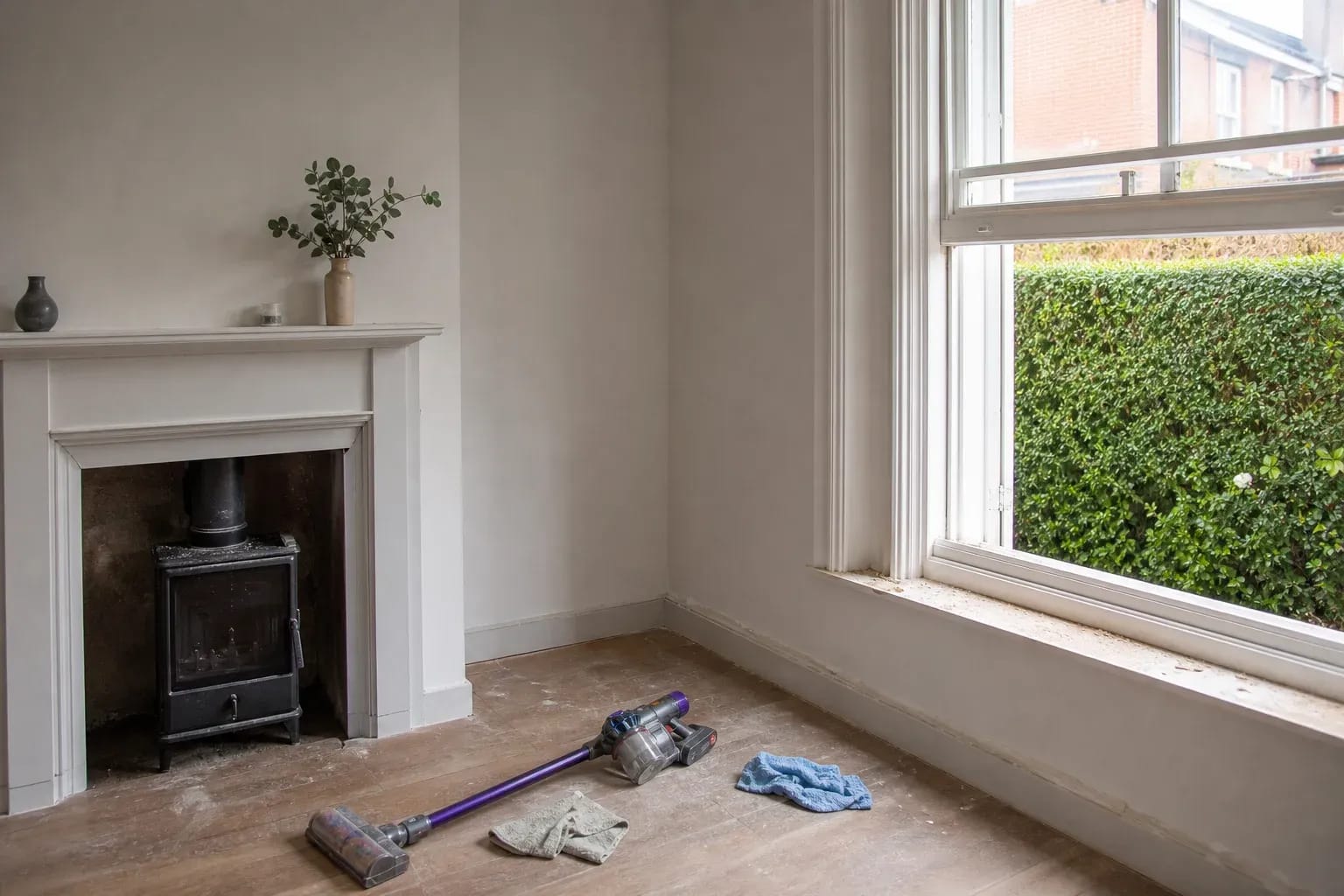
Builder dust settles everywhere: on skirting boards, windows, light fittings, and in crevices. An after-builders clean uses the right equipment and techniques to remove fine dust and leave your renovated space ready to use. Booking a professional cleaning service saves you hours of scrubbing and ensures a thorough finish.
When to call in specialists
Some work must be done by qualified specialists. Electrical work in bathrooms and kitchens, gas appliance installation, structural alterations, and certain plumbing tasks require the right certifications. Using a qualified professional protects your safety, ensures compliance, and avoids invalidating your home insurance. If your builder suggests bringing in a specialist, take that advice seriously.
Check scope and pricing for Bathroom Renovation
Compare options, add-ons, and what affects the final price before you commit.
Conclusion
Good planning and communication make the difference between a stressful renovation and one that runs smoothly. Start with a clear plan, realistic budget, and written quotes. Keep access clear, protect your belongings, and communicate regularly with your tradespeople. When the work is done, an after-builders clean will leave your home looking its best. Use Taskino to find local, trusted tradespeople for your next home improvement project.
Related posts

Find out when roof damage needs a professional. Practical advice on what to do and when to call an expert roofing specialist.
Step-by-step after builders cleaning checklist for UK homes: dust control, safe cleanup, kitchens and bathrooms, plus when to book professional cleaners via Taskino.

Plan, pack and manage your house move with less stress. Ten practical tips including checklists, utilities, removals quotes and essentials.

Practical new homeowner tips for the UK: stop taps, ladders, alarms, locks, moving boxes, maintenance budgets, and when to book local help.
Latest in Construction
View all in this category
Architect, design-and-build or DIY for your UK extension? Honest 2026 cost-benefit, ARB rules, when each wins, and the decision flowchart.

UK roofing mistakes that void insurance, damage slate or invite scams. Jet washing, cash payments, missing flashings, what they cost and how to avoid them.

Apply for house extension planning permission in 8 steps. UK 2026 rules, PD limits, Larger Home Extension prior approval, fees and timelines.
Related services

Professional kitchen fitting with clear quotes before work starts. Units, worktops, appliances, and finishing by insured installers across the UK.

Full bathroom renovation from design to completion. Trusted, insured trades, clear quotes and professional project management to transform your bathroom with minimal disruption.
Ready to Book Your Service?
Tell us what you need and our team will help you find the right professional quickly, with clear pricing and no hidden fees.