
Roof Damage: When to Get Expert Help
Roof problems rarely fix themselves. Learn when to call a professional, what to do while you wait, and how to spot early signs before they escalate.
Roof problems rarely fix themselves, and delaying can turn a small repair into a costly one. If you notice missing tiles, damp patches on ceilings, or water coming in, it is time to act. Your roof protects your entire home, so acting quickly can prevent further damage to insulation, timbers, and interior finishes. This guide explains when to call a roofing professional, what to do while you wait for help, and how to spot early signs before they escalate.
Signs of roof damage
Catching roof damage early saves money and stress. Some signs are obvious; others require a closer look. Here is what to watch for, both inside and outside your property.
Inside your home
Outside your home
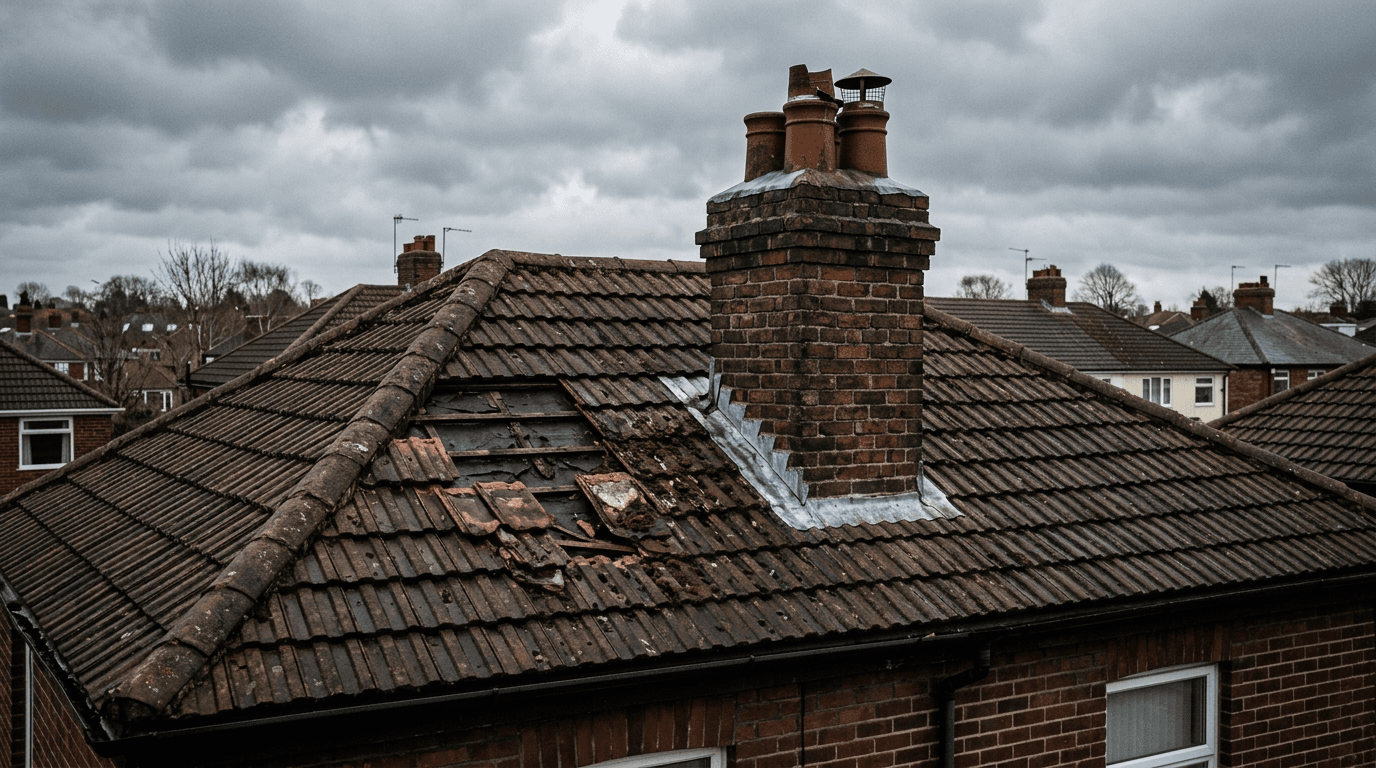
- Missing, cracked, slipped, or loose tiles or slates
- Sagging or dipping in the roof line when viewed from the ground
- Moss or algae growth, which can trap moisture and speed up tile deterioration
- Damaged or missing flashing around chimneys, vents, or skylights
- Blocked or damaged gutters and downpipes, which can cause water to back up under the roof
Need help with Roofing repairs?
Tell us about your job and we will match you with the right professional for Roofing repairs.
What to do first
If water is actively coming in, your priority is to limit the damage whilst you wait for a professional. Do not climb onto the roof yourself. Roof work is dangerous and requires proper training, equipment, and insurance. A fall from a roof can cause serious injury, and walking on tiles can cause further damage.
Immediate steps
- Place buckets or containers under active drips to catch water
- Move furniture, rugs, and electrical items away from the affected area
- Use towels to soak up standing water and wring them into a sink or bath
- If it is safe to access the loft, place a bucket under the leak and check for blocked gutters from ground level
When minor damage becomes serious
A few missing tiles might seem minor, but water can travel along timbers and cause damage far from the original breach. One small leak can soak insulation, soften plasterboard, and encourage mould. If you notice a musty smell, condensation that will not clear, or patches that grow over time, the problem may already be affecting a larger area. Getting a professional assessment early gives you a clear picture of the scope and cost before things worsen.
Explore our Roofing repairs service
See what is included, typical timings, and what to prepare before you book.
Why call a professional
A roofing specialist can assess the damage safely, identify the root cause, and recommend the right repair. They have the correct tools, materials, and experience to fix the problem properly. What might look like a simple tile replacement could involve underlying felt, batten, or timber damage that only a professional would spot. They also know which materials match your existing roof and how to secure tiles correctly so they withstand future weather.
Delaying repairs often turns a small job into a much larger one. A single leaking tile can lead to rot in roof timbers, damaged insulation, and mould growth. By the time the problem becomes obvious indoors, the damage may already be extensive. Acting promptly saves money and protects the value of your home.
Choosing a roofing specialist
Look for a tradesperson who specialises in roofing rather than general building work. Check that they have public liability insurance and, if relevant, employer's liability insurance. Ask for a written quote that clearly states what is included and any assumptions about access or materials.
- Request references or reviews from previous customers
- Confirm they will tidy up and remove old materials when the job is complete
- Clarify whether scaffolding or roof ladders are needed and who arranges them
Ready to book Roofing repairs?
Send a quick enquiry — we typically respond the same working day.
Common causes of roof damage
Understanding what causes damage can help you prevent future problems. Age is a major factor: older roofs may have worn felt, perished flashing, or tiles that have become brittle. Storm damage from high winds can dislodge tiles, whilst heavy rain can overwhelm gutters and cause water to find its way under the roof. Poor maintenance, such as leaving gutters blocked or ignoring small cracks, allows small issues to grow. Wildlife, including birds and squirrels, can also damage flashing or dislodge tiles when nesting. Regular inspections, especially after bad weather, help catch problems before they escalate.
Seasonal considerations
Roofers are busiest after storms and during autumn and winter when damage is most visible. Booking early in spring or summer can mean faster availability. If you spot damage after heavy wind or rain, contact a professional as soon as possible. Temporary repairs can sometimes be arranged in emergencies, but a proper fix should be scheduled when weather allows. Wet or icy conditions make roof work unsafe, so expect to wait for drier periods during the colder months.
Learn more about Roofing repairs
Browse how we deliver Roofing repairs and the questions homeowners ask most often.
Conclusion
Do not ignore roof damage. Early signs such as water stains, missing tiles, or daylight in the loft should prompt a professional inspection. Take immediate steps to contain leaks, but leave all roof work to qualified specialists. A trusted roofing professional can assess the issue, provide a clear quote, and carry out the repair safely. Use Taskino to find local, insured roofing specialists who can help protect your home.
Related posts
Practical advice for planning and managing a home renovation. Tips to keep your project on track and stress-free.
Step-by-step after builders cleaning checklist for UK homes: dust control, safe cleanup, kitchens and bathrooms, plus when to book professional cleaners via Taskino.
Prepare your home for carpet cleaning: vacuuming, spotting problem areas, managing drying, and aftercare. A clear checklist for better results.
Check wall type, fixings, bracket ratings, and cables before TV mounting in the UK. A practical guide so your screen stays safe and the finish stays tidy.
Latest in Construction
View all in this category
Architect, design-and-build or DIY for your UK extension? Honest 2026 cost-benefit, ARB rules, when each wins, and the decision flowchart.
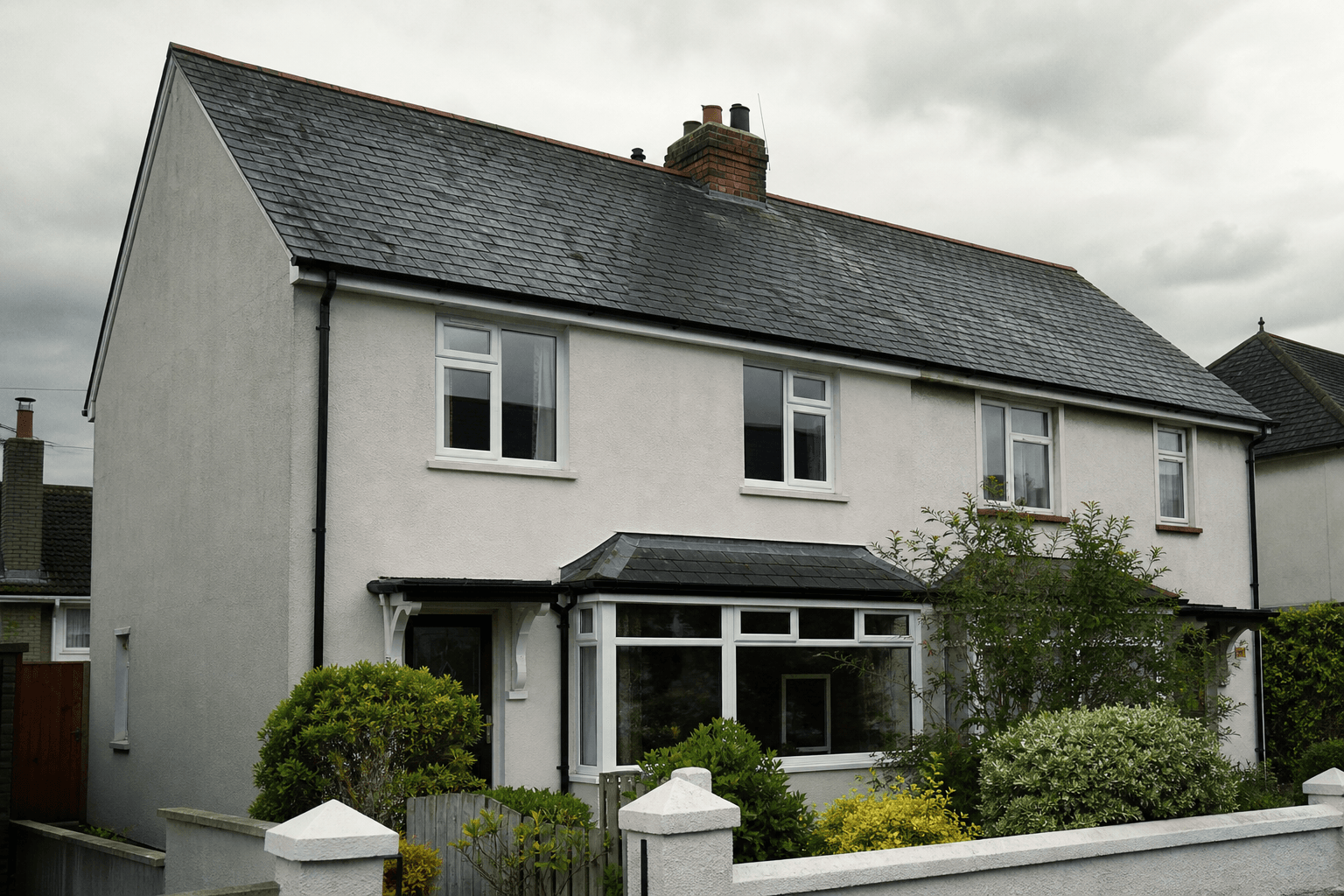
UK roofing mistakes that void insurance, damage slate or invite scams. Jet washing, cash payments, missing flashings, what they cost and how to avoid them.
Apply for house extension planning permission in 8 steps. UK 2026 rules, PD limits, Larger Home Extension prior approval, fees and timelines.
Related services
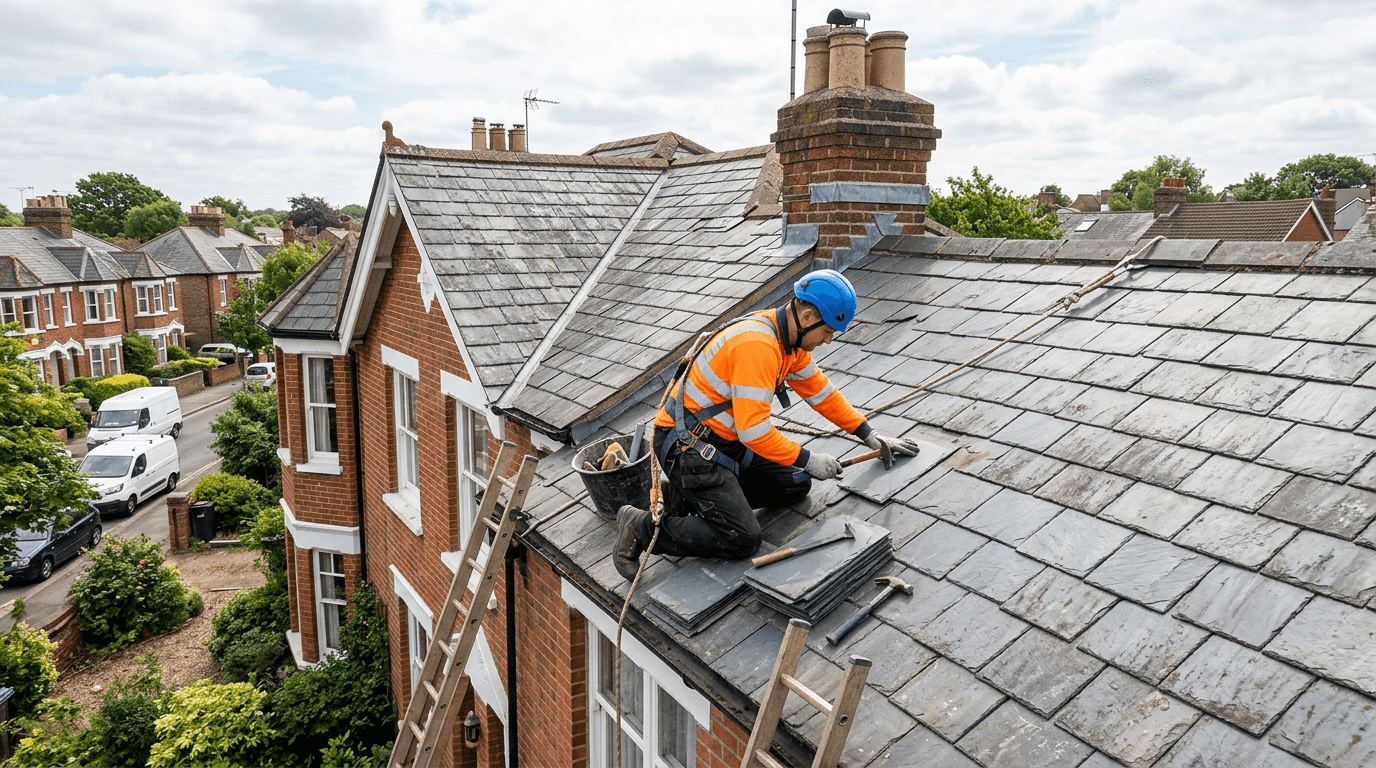
Fast, reliable roofing repairs from trusted local professionals. We diagnose leaks, replace damaged tiles and fix flashing with clear quotes, insured tradespeople and a tidy finish.
Ready to Book Your Service?
Tell us what you need and our team will help you find the right professional quickly, with clear pricing and no hidden fees.