
What to Pack First When Moving Home
A clear packing order reduces stress. Learn what to pack first, room-by-room guidance, essentials box tips, and why labelling matters when moving home.
Packing for a move can feel endless, but packing in the right order makes a huge difference. Start with items you rarely use and work towards the rooms and belongings you need every day. A clear packing order keeps you organised, reduces last-minute panic, and ensures everyday essentials stay accessible until the very end. This guide walks you through what to pack first, room-by-room guidance, how to build an essentials box, and why labelling matters.
The packing order: start with least-used items
The golden rule is to pack what you use least first. Seasonal decor, spare bedding, books, keepsakes, and hobby equipment you have not touched in months can go into boxes early. These items are usually easy to identify and pack, and boxing them up weeks before the move gives you a sense of progress without disrupting daily life. Aim to have these done four to six weeks before moving day.
Need help with Small Moves?
Tell us about your job and we will match you with the right professional for Small Moves.
Room-by-room packing order
Tackling one room at a time keeps you focused and prevents chaos. Follow this order for a smooth packing process.
First: loft, garage, and spare rooms
Storage areas and guest rooms contain items you seldom need. Pack these first. Sort as you go: donate, sell, or dispose of anything you no longer want. Label boxes clearly with the room and a short description. If you have a loft or garage full of belongings, allow extra time; it often takes longer than you expect.
Second: living room and bedrooms
Books, ornaments, decorative items, and spare cushions can be packed next. Keep one set of bedding and a few everyday items out until the final week. For the living room, pack DVDs, games, and non-essential furniture accessories. Leave the TV and main seating until close to the move. In bedrooms, pack out-of-season clothes and spare towels, but keep enough for daily use.
Third: bathroom and study
The bathroom can be packed about a week before. Keep out one set of toiletries, towels, and basics. Put medicines in a clearly labelled box and ensure it is easy to find. For the study or home office, pack books and files you do not need for work. Leave out laptops, chargers, and any documents required for the move.
Last: kitchen
The kitchen is usually the trickiest room. Pack rarely used gadgets, special occasion china, and bulk food first. A few days before the move, pack most cookware and utensils. Keep out one pan, a few plates, cutlery, mugs, and basics for simple meals. Wrap fragile items in newspaper or bubble wrap and pack them in sturdy boxes. Mark boxes containing breakables as fragile.
The essentials box: what to include
An essentials box holds everything you need for the first night and the following morning. It should be loaded last onto the van and unloaded first at the new property. Without it, you will be digging through dozens of boxes for a toothbrush or phone charger.
- Toiletries: toothbrush, toothpaste, soap, shampoo, and any daily medications
- A change of clothes for each family member
- Phone chargers, tablets, and important documents
- Tea, coffee, a kettle, mugs, and basic snacks
- Plates, cutlery, and a few cleaning supplies
- For families: nappies, wipes, favourite toys, and bedtime items for children
Explore our House & Flat Removal service
See what is included, typical timings, and what to prepare before you book.
Labelling: why it matters
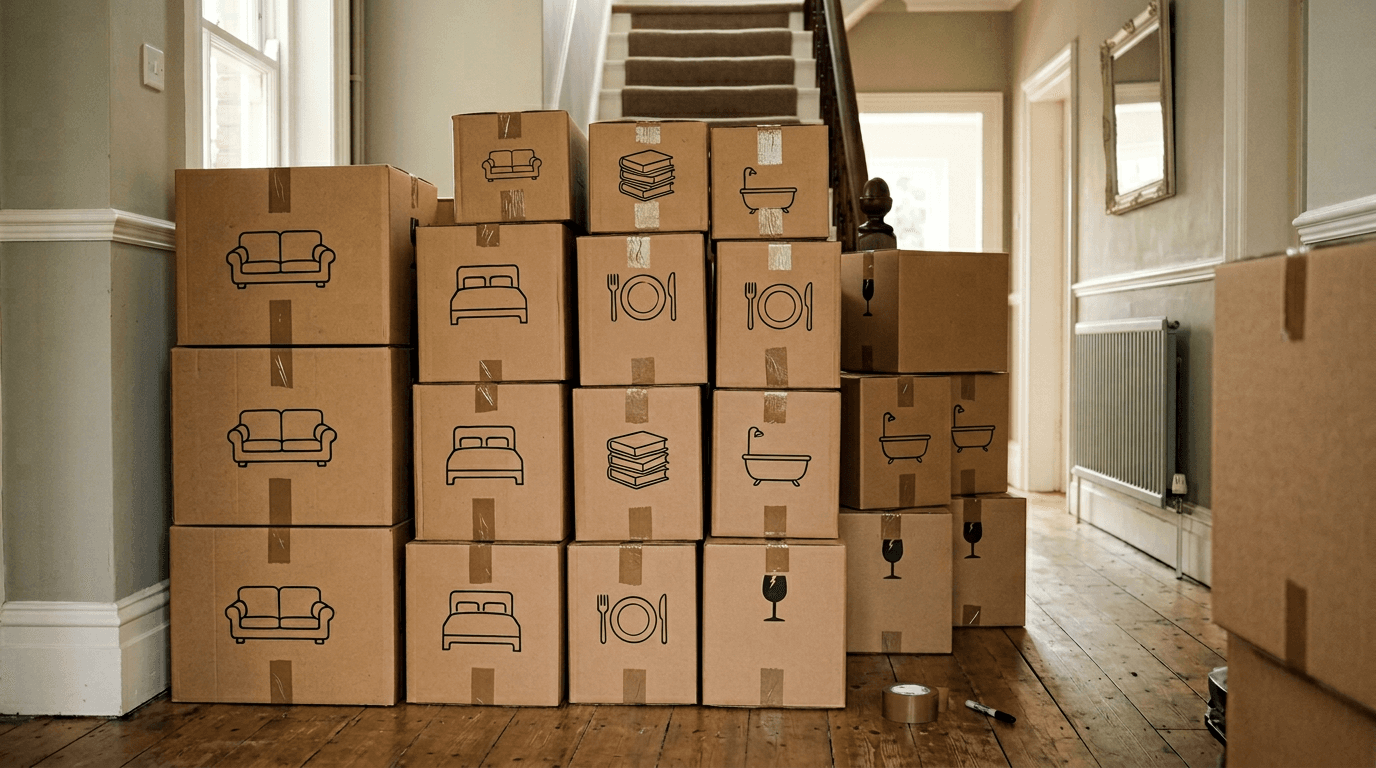
Clear labels save time on both packing day and unpacking. Write the room name and a brief description on at least two sides of each box so they are visible however the boxes are stacked. Use a consistent system: Kitchen, Bathroom, Main Bedroom, Living Room, and so on. For fragile items, add Fragile and which way is up. A simple numbering system with a master list can help you confirm nothing is lost in transit.
Labelling tips
- Use a thick marker so text stays readable
- Include contents: e.g. Kitchen - pans and baking trays
- Mark Essentials box clearly and tell the removals team to load it last
- Keep heavy items in small boxes to make them easier to carry
When to consider professional packing
If you are short on time or have a lot of fragile or valuable items, a packing and unpacking service can take the strain. Professionals bring quality materials and know how to protect furniture, art, and delicate pieces. They pack efficiently and label systematically. For a full house move, it can be worth the cost to reduce stress and ensure everything arrives in one piece. Use Taskino to find removals firms that offer packing services as part of their offer.
Ready to book Small Moves?
Send a quick enquiry — we typically respond the same working day.
Conclusion
Packing in the right order reduces stress and keeps everyday life running until you leave. Start with storage areas and spare rooms, then living spaces and bathrooms, and pack the kitchen last. Build an essentials box for the first night and label every box clearly. A little structure goes a long way. Follow this guide and your move will feel more manageable from start to finish.
Related posts
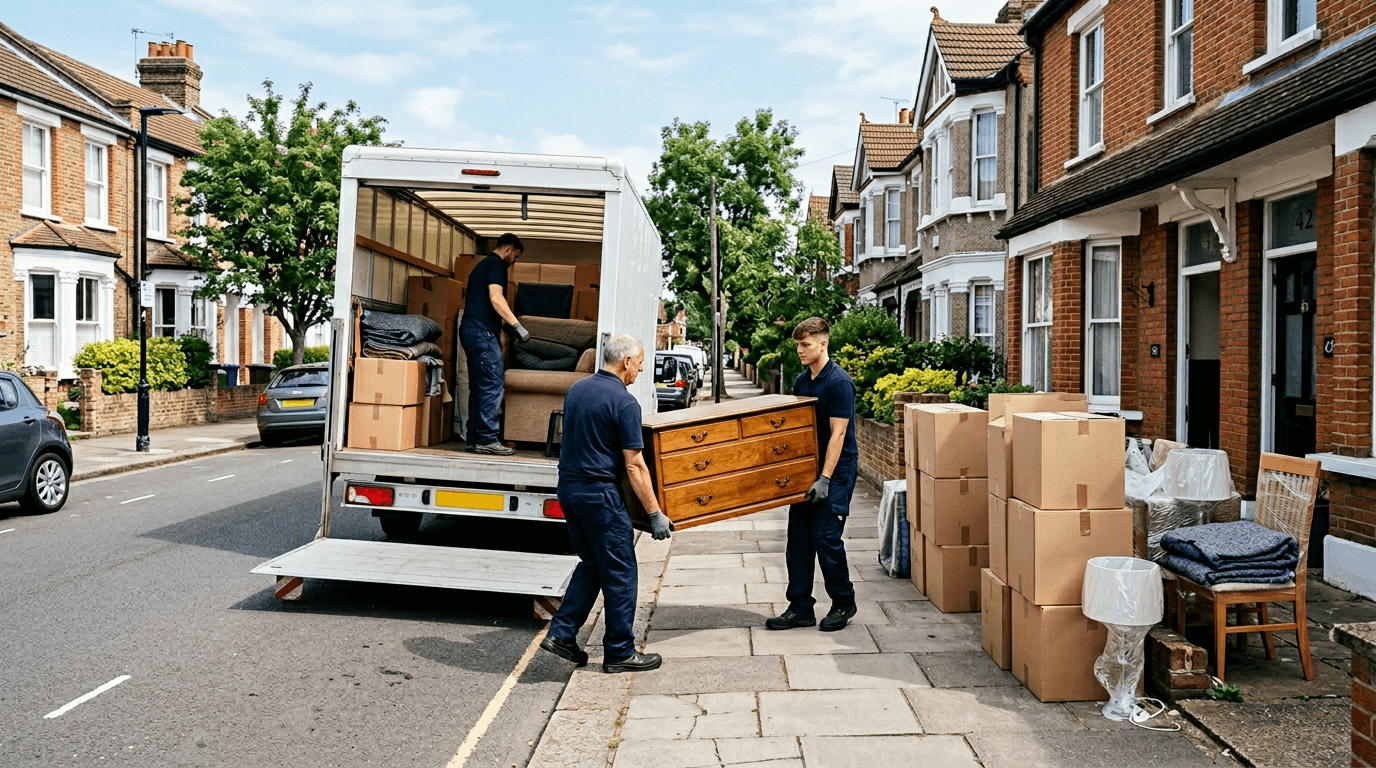
Plan, pack and manage your house move with less stress. Ten practical tips including checklists, utilities, removals quotes and essentials.
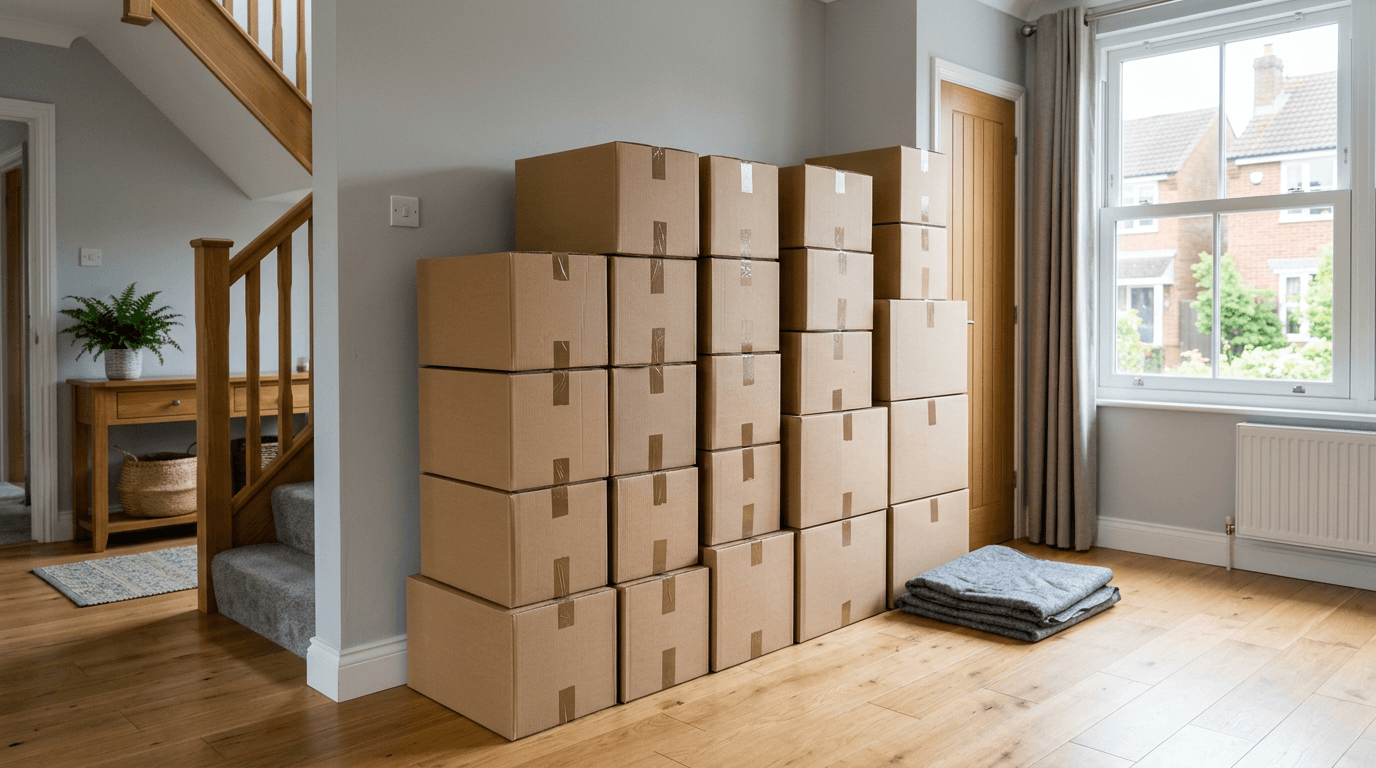
Practical tips for decluttering before a house move. Reduce what you pack and make moving easier.

Practical new homeowner tips for the UK: stop taps, ladders, alarms, locks, moving boxes, maintenance budgets, and when to book local help.
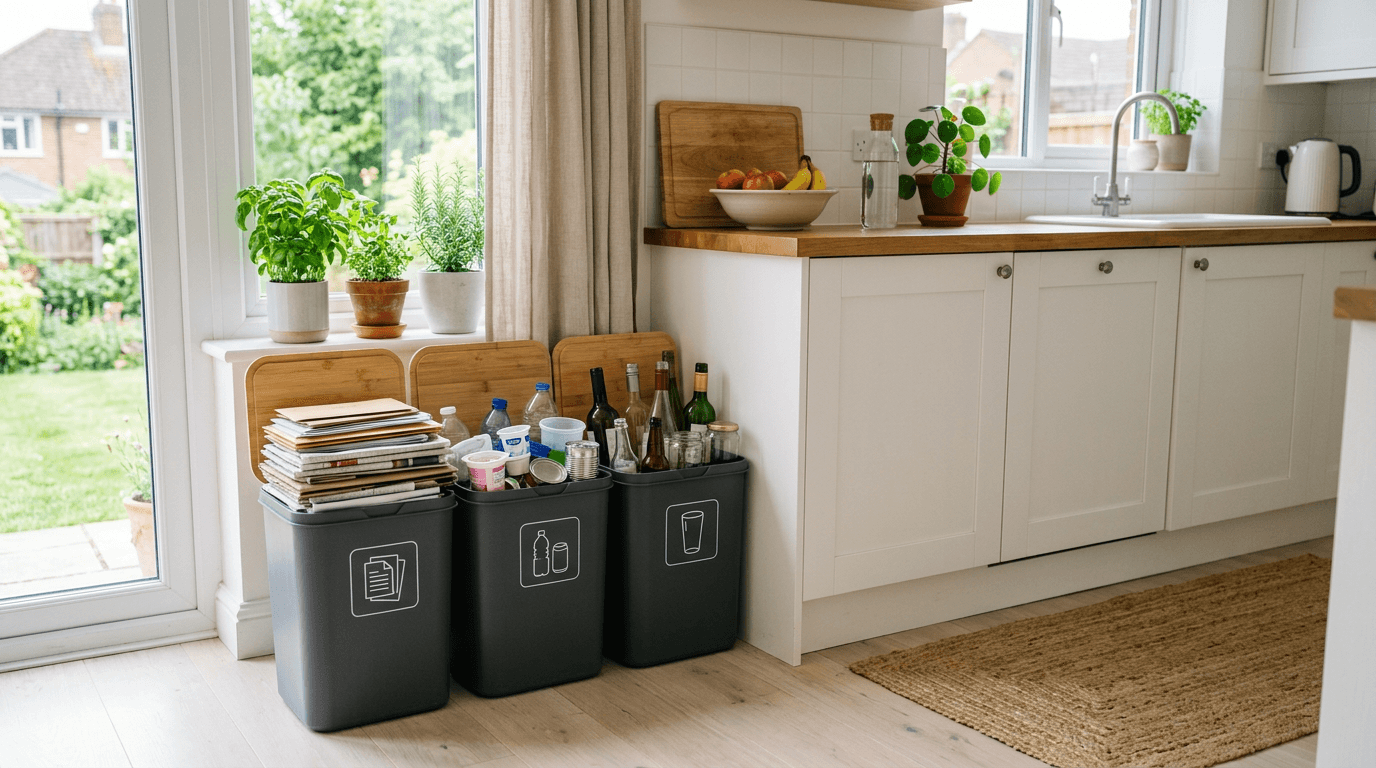
Simple guide to recycling at home. Learn what you can recycle, how it helps, and when to call a waste removal or recycling service.
Latest in Moving Services
View all in this categoryPractical new homeowner tips for the UK: stop taps, ladders, alarms, locks, moving boxes, maintenance budgets, and when to book local help.
Plan, pack and manage your house move with less stress. Ten practical tips including checklists, utilities, removals quotes and essentials.
Related services
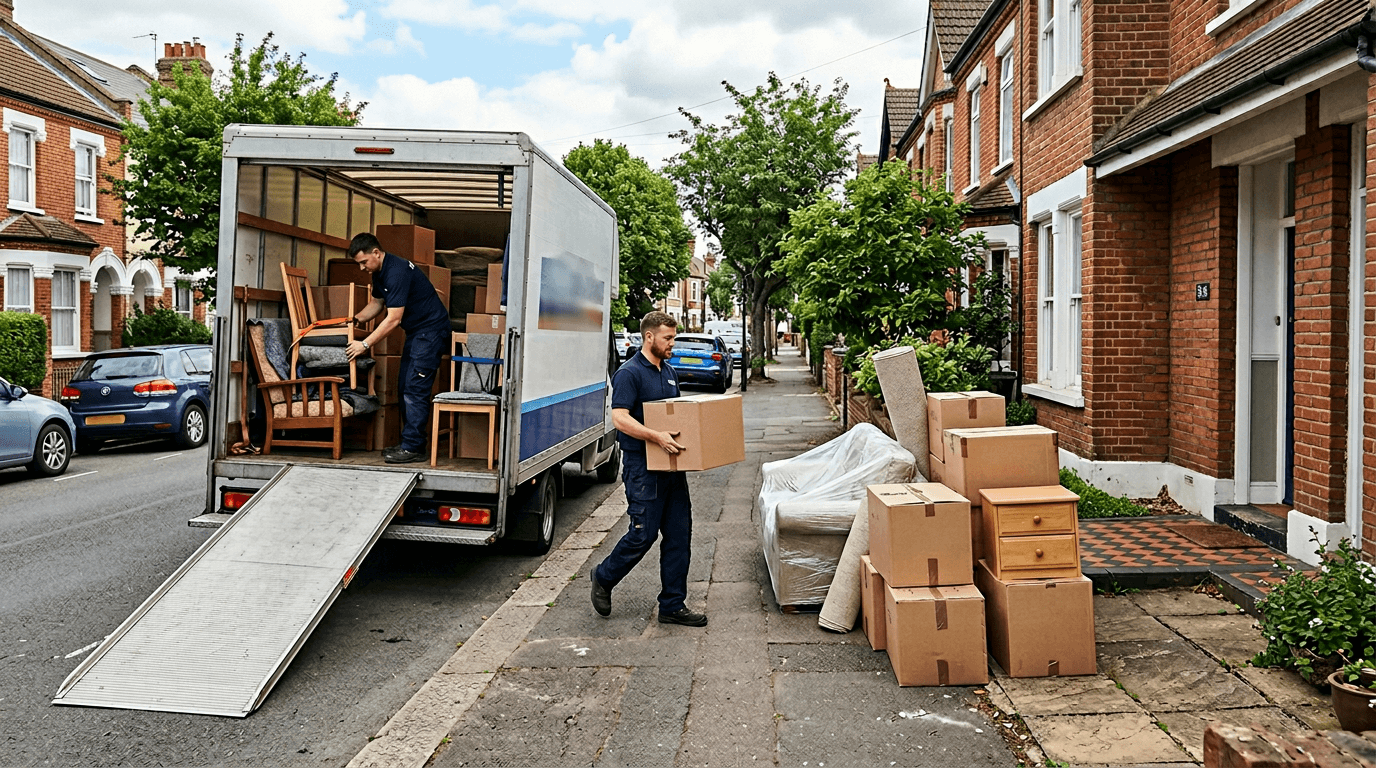
Quick, reliable small moves for one-room moves and single-item collections. Book vetted, insured professionals with suitable equipment and clear quotes for stress-free local removals.
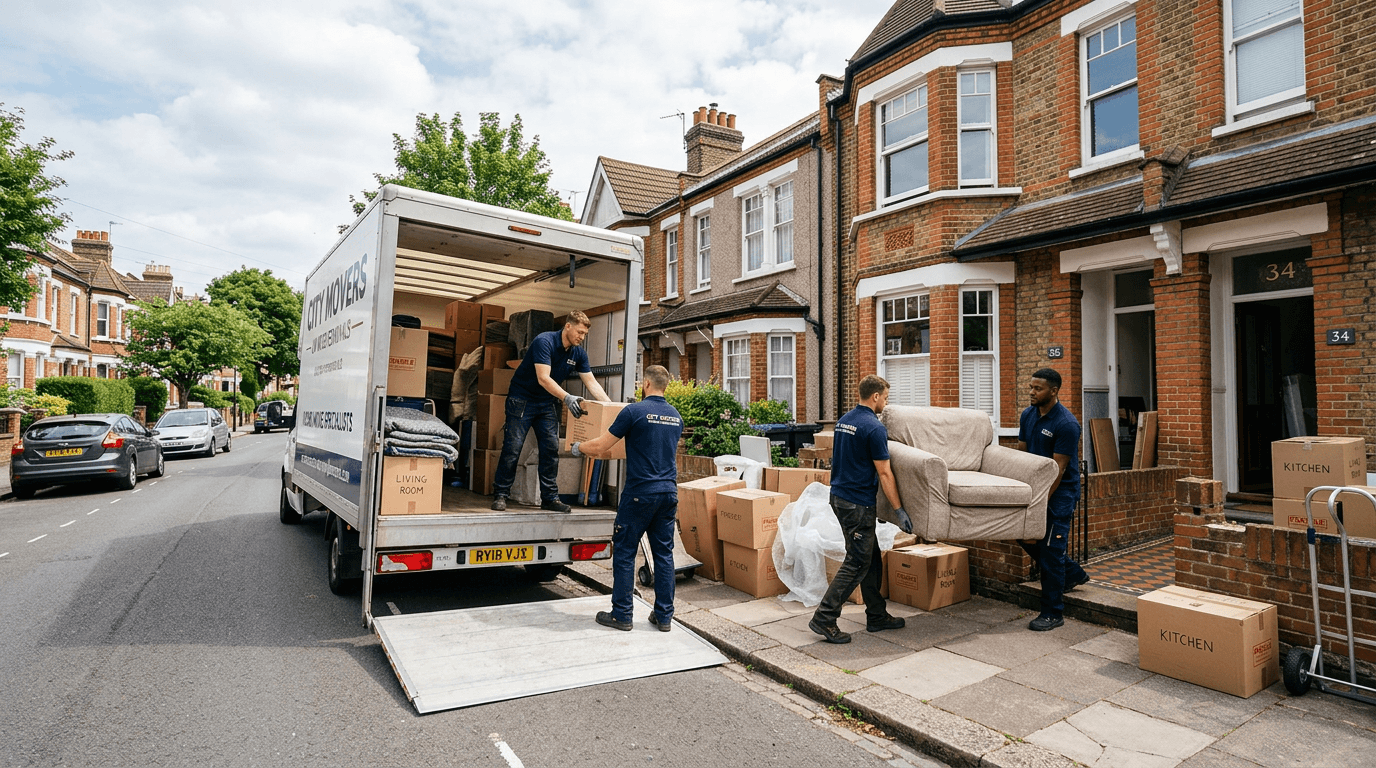
Reliable House & Flat Removal services across the UK. Our professional moving teams provide efficient packing, secure transport, and transparent pricing for a stress-free move.
Ready to Book Your Service?
Tell us what you need and our team will help you find the right professional quickly, with clear pricing and no hidden fees.