
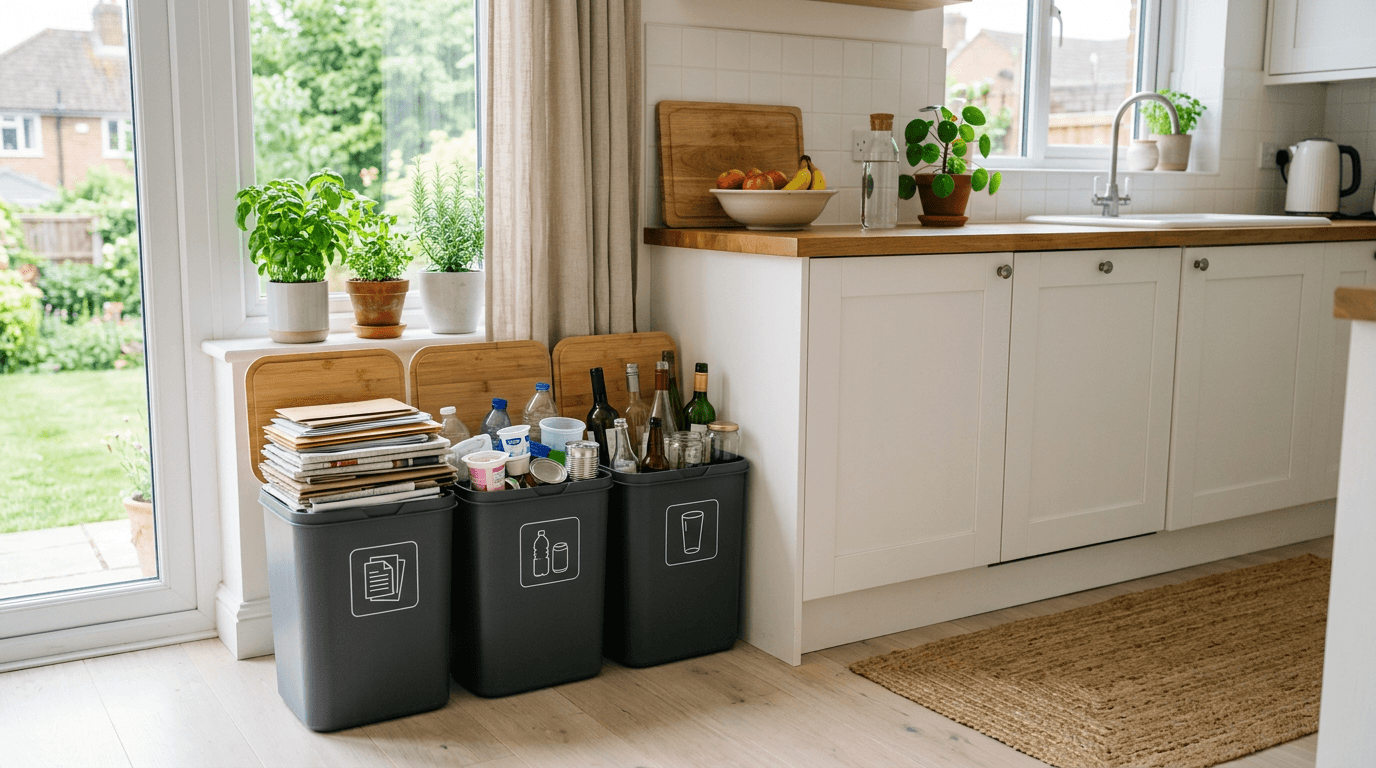
How Recycling Helps and Where to Start
Recycling reduces waste and supports a cleaner environment. Simple steps to get started, what you can recycle at home, and when to use a professional service.
Recycling turns used materials into new products and reduces the amount of waste that ends up in landfill. It is a practical way to do your bit for the environment and can become a simple part of your routine. This guide explains how recycling helps, what you can recycle at home, common mistakes to avoid, and when to use a professional recycling or waste removal service.
Why recycling matters
Recycling reduces the need for new raw materials and saves energy. Making products from recycled materials typically uses less water and energy than manufacturing from scratch. It also keeps reusable items out of landfill, which helps the environment and reduces pollution. Small changes at home can add up over time, and many councils make it easy with fortnightly or weekly collections.
Common items you can recycle
- Paper and card: newspapers, magazines, cereal boxes, packaging, envelopes
- Plastics: bottles, tubs, trays (check what types your local council accepts)
- Glass bottles and jars (rinsed; lids can often be recycled separately)
- Metal tins, cans, and foil (rinsed)
- Textiles: many councils collect clothes and shoes, or you can take them to charity shops
Need help with Recycling Service?
Tell us about your job and we will match you with the right professional for Recycling Service.
Getting started at home
Keep a separate bin or box for recyclables in your kitchen. A small caddy or bag beside the main bin makes it easy to sort as you go. Rinse containers before putting them in to reduce odours and avoid contaminating other materials. Check your council website for exactly what they accept; rules vary by area.
Practical tips
- Flatten or squash boxes to save space in your recycling bin
- Remove plastic film from card packaging before recycling
- Keep a list of collection days on the fridge or in a notes app
- Compost food scraps if you have a garden or use a council food waste caddy
What happens to your recycling
Once collected, recyclables are sorted at facilities and sent to processors who turn them into new materials. Paper and card become new packaging or tissue; glass is melted and remade into bottles and jars; plastics are processed into pellets for new products; metal is melted and reformed. The exact process depends on the material and your local authority. Knowing that your efforts feed into this loop can make recycling feel worthwhile.
Explore our Recycling Service service
See what is included, typical timings, and what to prepare before you book.
Recycling beyond the kitchen
Bathrooms generate recyclable items too: shampoo bottles, toilet roll cores, and cardboard packaging. A small bin in the bathroom makes it easy to collect these. Bedrooms and home offices produce paper, packaging, and old electronics. Many supermarkets and retailers have collection points for batteries, plastic bags, and small electrical items. Check what schemes are available nearby.
Common recycling mistakes
Putting the wrong items in the recycling bin can contaminate a whole load, meaning it ends up in landfill instead. Avoid including: food-contaminated packaging that has not been rinsed, plastic bags and film (unless your council accepts them), polystyrene, broken crockery or Pyrex, used tissues and kitchen roll. When in doubt, check your local authority website or put it in general waste.
Items that often cause confusion
- Pizza boxes: if heavily greased, they may not be accepted; tear off clean cardboard and recycle that
- Coffee cups: many disposable cups have a plastic lining and need special recycling; check local schemes
- Black plastic: some facilities cannot sort it; check your council guidelines
Ready to book Recycling Service?
Send a quick enquiry — we typically respond the same working day.
For larger clear-outs
When you have a lot to get rid of, such as during a move or a big declutter, a waste removal or recycling service can help. They sort and dispose of items responsibly, including furniture, electricals, and general rubbish. Many services donate usable items to charity and recycle as much as possible. This is especially useful when you have more than fits in your household bins or items the council does not collect.
Conclusion
Start small and build a routine. Every item recycled is one less in landfill. Check what your council accepts, rinse containers, and avoid contamination. For larger clear-outs, a professional waste removal or recycling service can take the hassle out of responsible disposal. Use Taskino to find local waste removal and recycling services when you need extra help.
Related posts
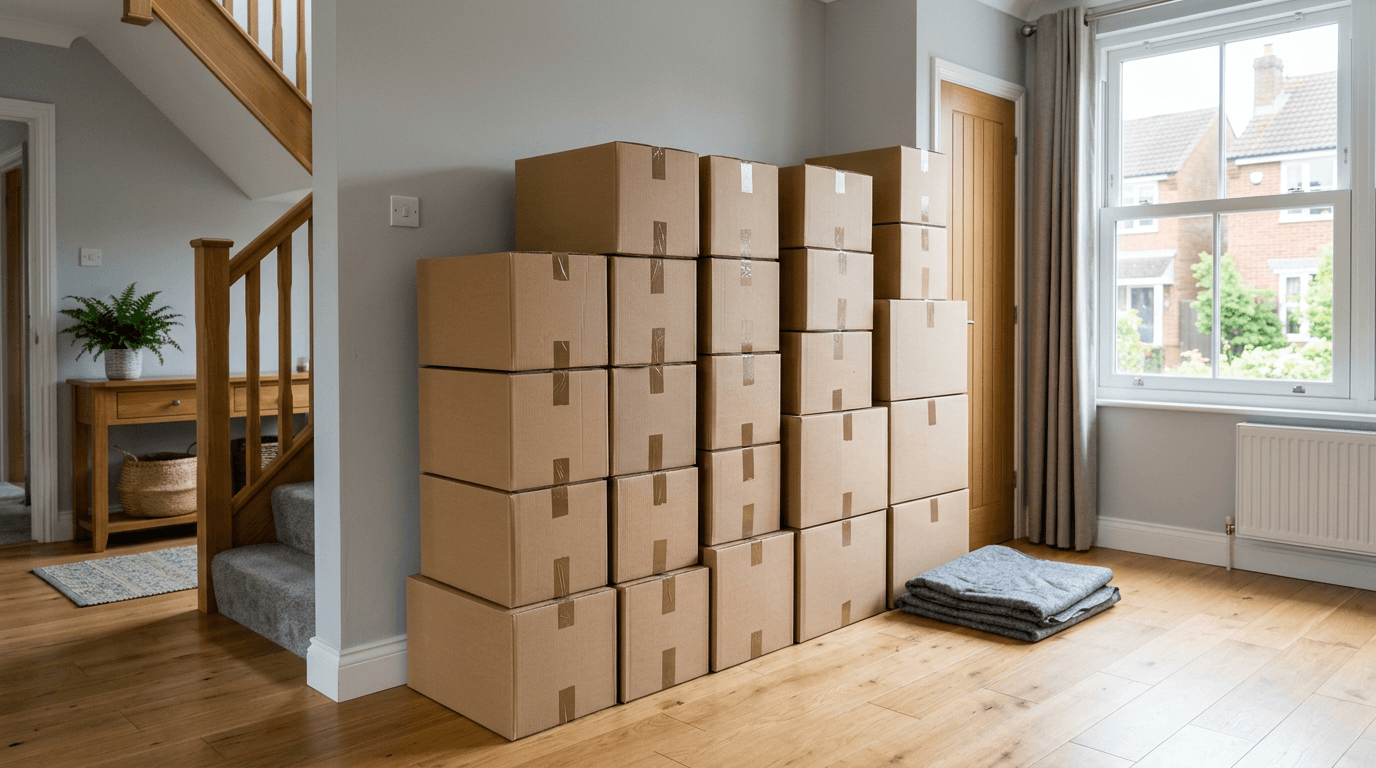
Practical tips for decluttering before a house move. Reduce what you pack and make moving easier.
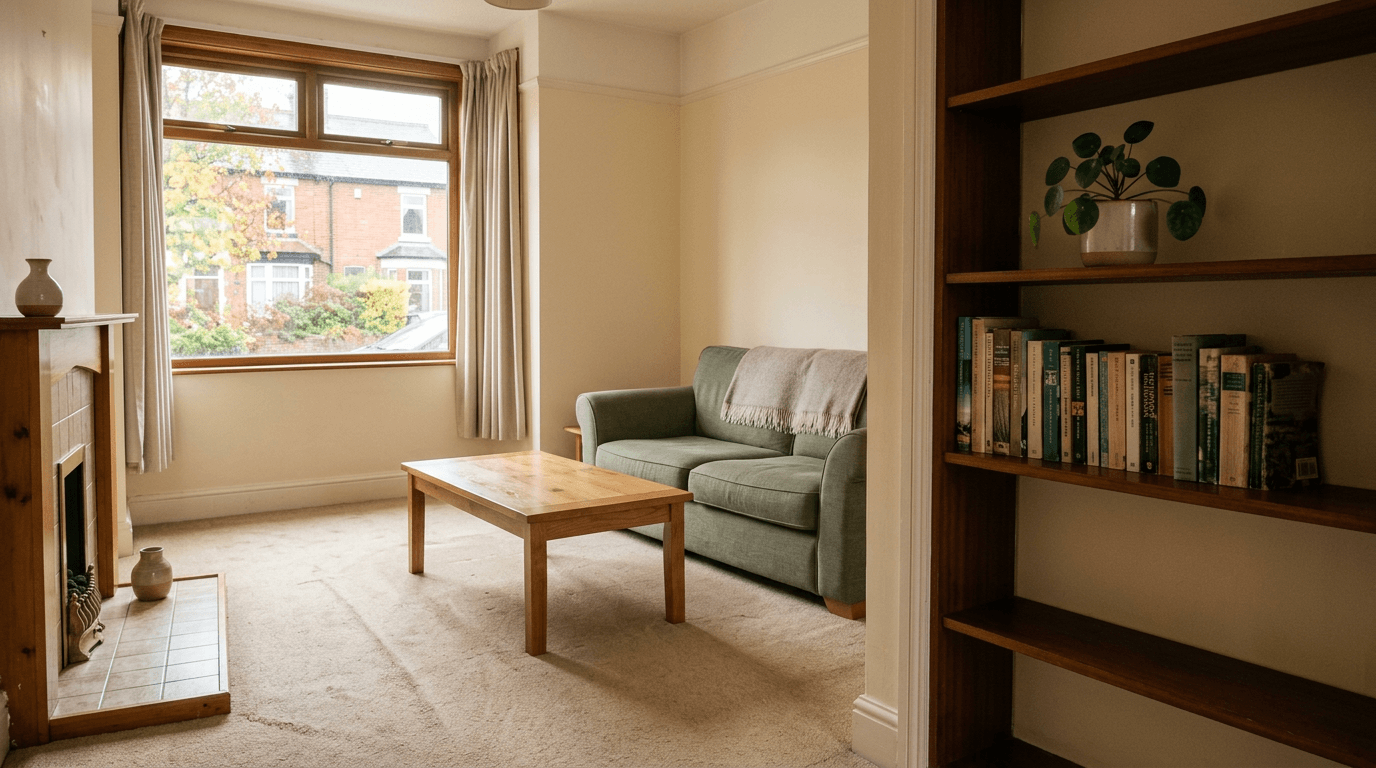
Declutter room by zone with keep, donate, and bin sorting, clear storage tips, and habits that keep UK homes tidier with less stress.
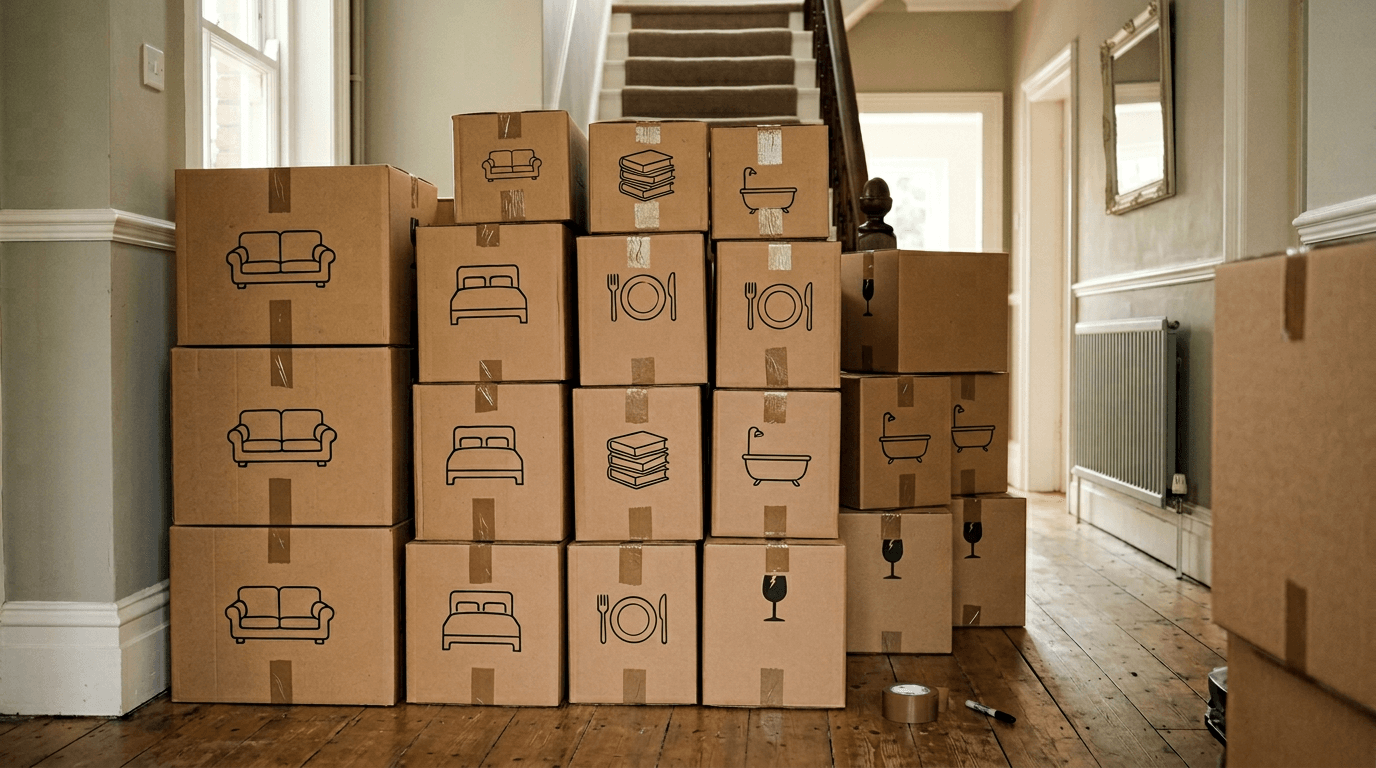
Packing order, room-by-room tips, essentials box and labelling guide. Stay organised when moving home.
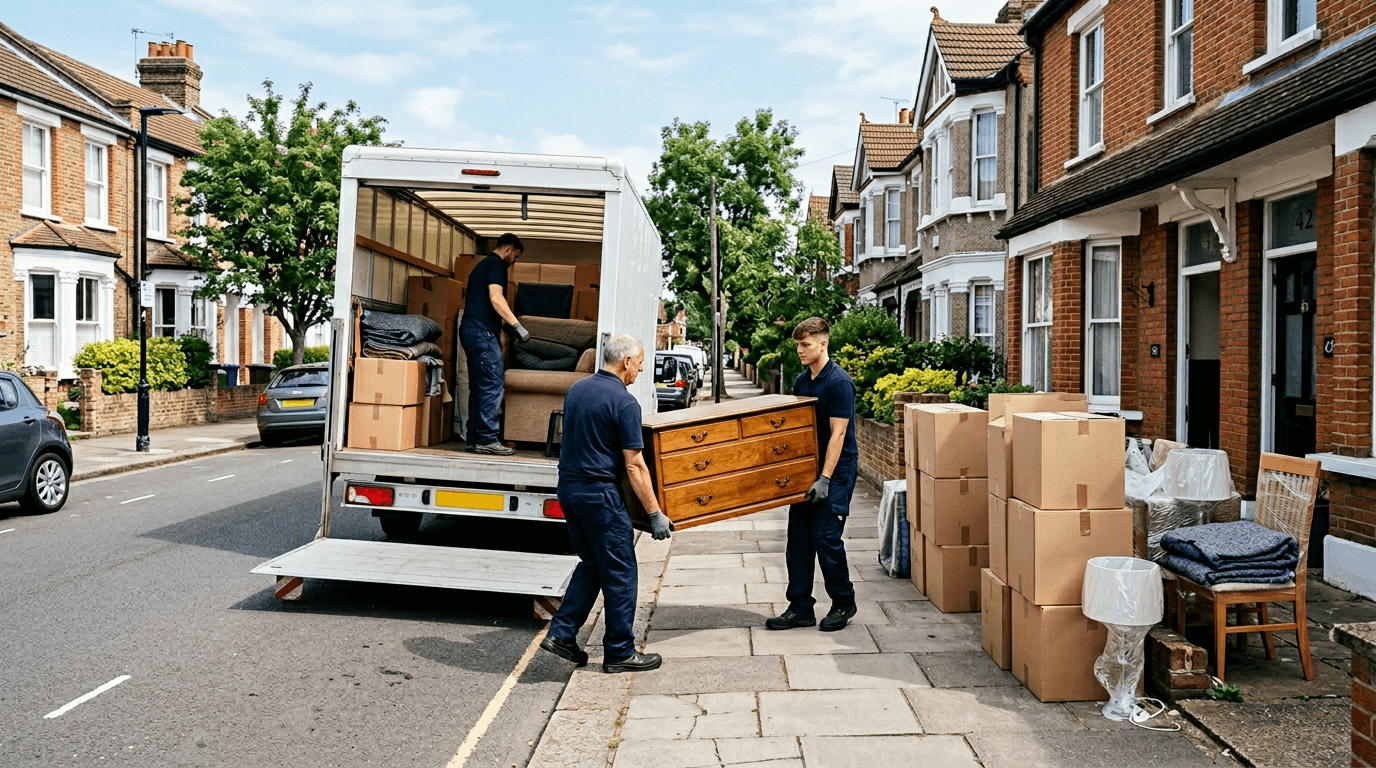
Plan, pack and manage your house move with less stress. Ten practical tips including checklists, utilities, removals quotes and essentials.
Latest in Waste Removal
View all in this categoryPractical tips for decluttering before a house move. Reduce what you pack and make moving easier.
Related services
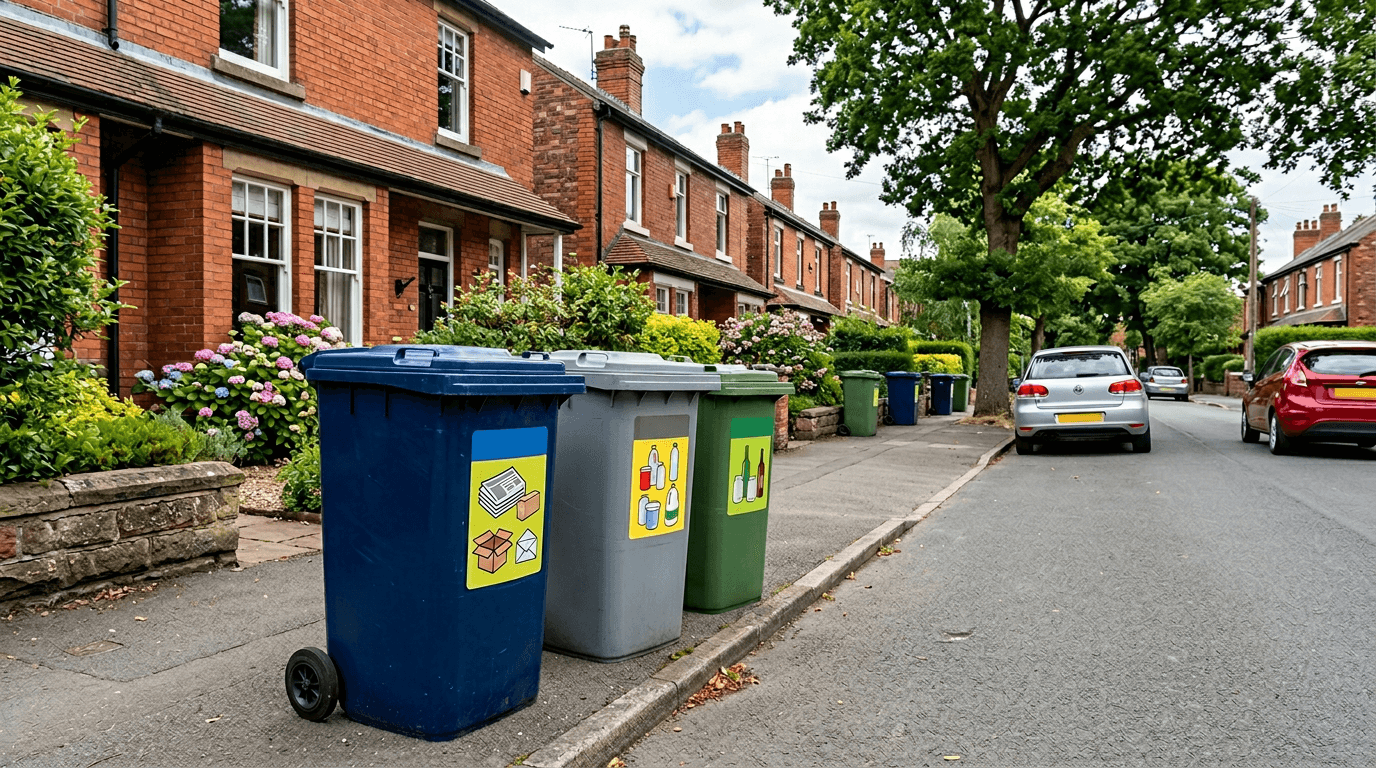
Recycling collections for homes and small sites across the UK. Licensed teams sort card, metals, packaging and WEEE with clear quotes and responsible routes.
Ready to Book Your Service?
Tell us what you need and our team will help you find the right professional quickly, with clear pricing and no hidden fees.