
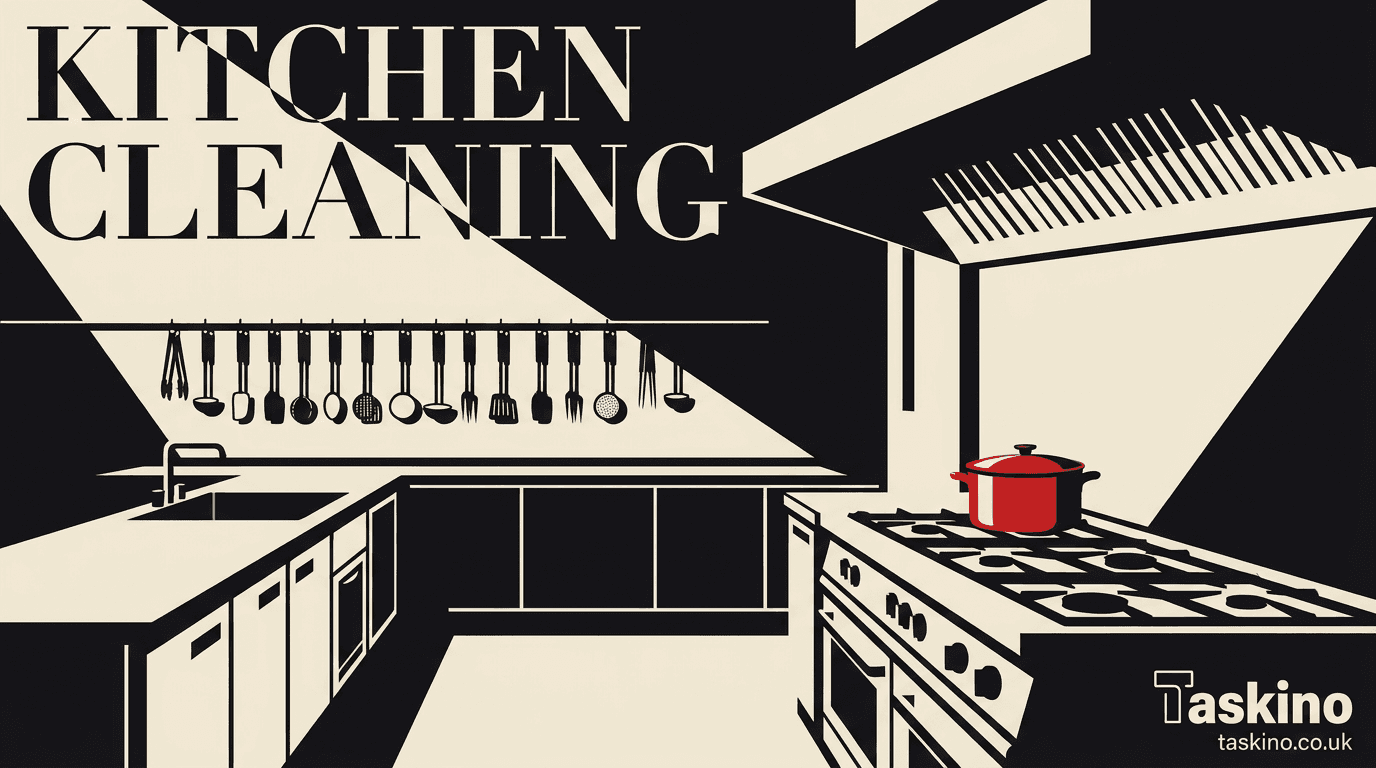
The Top 5 Mistakes to Avoid in Commercial Kitchen Cleaning
The five most common commercial kitchen cleaning mistakes that put hygiene, safety and equipment at risk, and the simple, practical steps that help you avoid each one.
A busy kitchen takes a beating every single service. Grease settles on surfaces, spills land on floors, and equipment runs hot for hours on end. Good commercial kitchen cleaning is what keeps that environment safe to work in, pleasant for staff and ready to produce food customers can trust. Get it right and the kitchen runs smoothly, passes its checks and protects everyone who eats there. Get it wrong and the problems pile up fast, often in ways that are expensive and awkward to put right. The trouble is that many of the worst issues come from simple, avoidable habits rather than one big failure. Below are the top five mistakes we see in commercial kitchens, why they matter and the practical steps that help you steer clear of each one.
A clean kitchen is not just about appearances. It is about hygiene, safety, the lifespan of your equipment and the confidence of your team. Whether you run a restaurant, a cafe, a pub kitchen or a catering unit, the same traps catch people out. Spotting them early saves a great deal of stress later.
Mistake 1: Neglecting regular cleaning
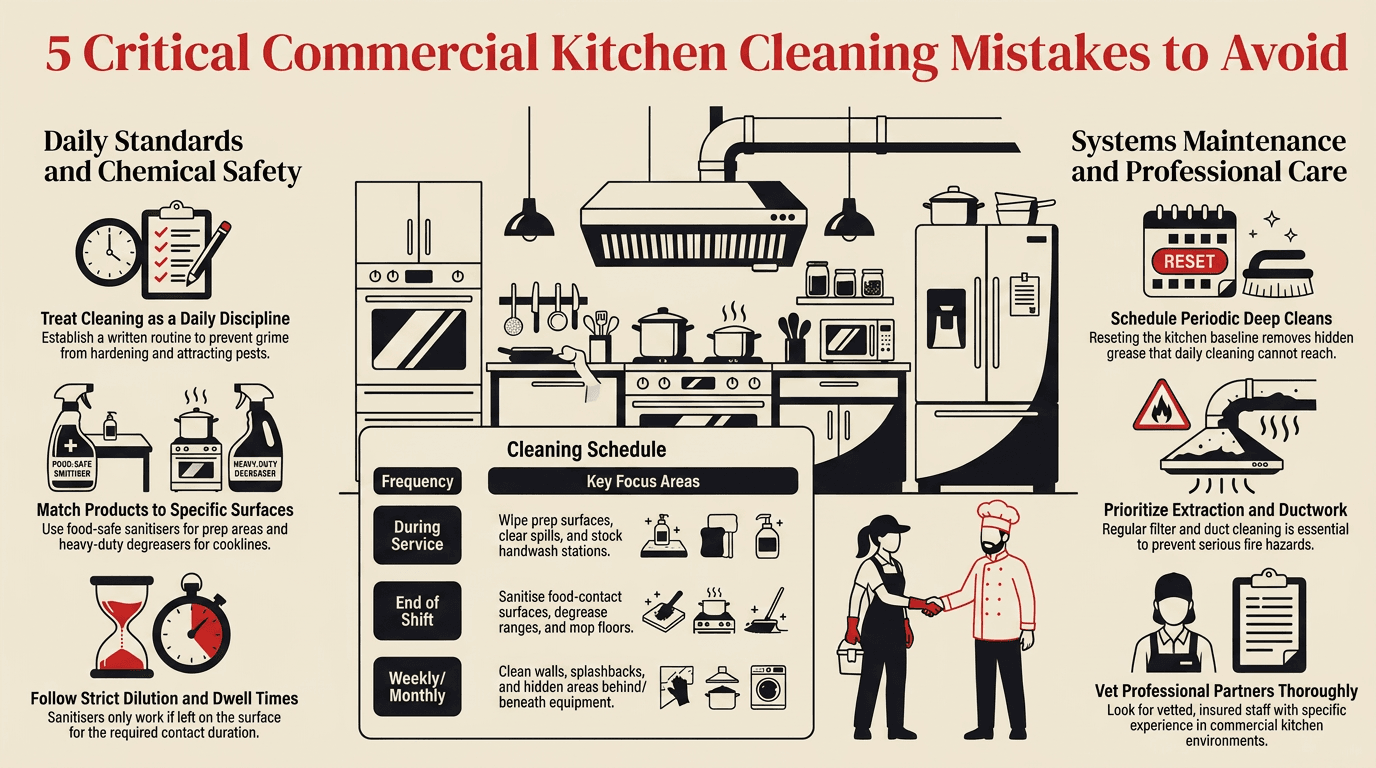
The most common mistake is treating cleaning as something to catch up on later rather than a daily discipline. In a working kitchen, grease, food debris and moisture build up by the hour, so even a short gap in routine lets grime take hold. Regular commercial kitchen cleaning keeps surfaces, floors and contact points under control so they never reach the point of being a real problem.
Setting a schedule and frequency
The fix is a clear, written routine that everyone follows. When tasks are assigned and timed, nothing slips through the cracks because someone assumed a colleague had handled it. A practical schedule usually splits into three layers:
- During service: wipe down prep surfaces between tasks, clear spills straight away and keep handwashing stations stocked and clean.
- End of shift: clean and sanitise all food-contact surfaces, degrease the cooking line, empty and wash bins, and mop the floors.
- Weekly and monthly: tackle the jobs that are easy to forget, such as walls, splashbacks, shelving, storage areas and the spaces behind and beneath equipment.
Write the routine down, display it where the team can see it, and tick tasks off as they are done. A simple checklist removes guesswork and makes standards easy to maintain even on the busiest days.
What happens when you let it slide
Skipping the routine has consequences that show up quickly. Grease hardens and becomes far harder to remove, surfaces stop being hygienic, and pests are drawn to food debris and warmth. Lingering smells, sticky floors and grimy equipment also drag down staff morale, and a kitchen that looks neglected rarely produces its best work. Crucially, poor cleaning raises the risk of cross-contamination, which is the last thing any food business can afford. Keeping on top of the basics every day is far easier than recovering a kitchen that has been left to slide.
Need help with Office Cleaning?
Tell us about your job and we will match you with the right professional for Office Cleaning.
Mistake 2: Using the wrong cleaning products
Reaching for whatever spray is nearest is a mistake that wastes time and can do real harm. Kitchens contain a mix of surfaces and soils, from baked-on grease to protein residues, and no single product handles them all. The wrong choice either fails to clean properly or damages the surface, and some combinations are genuinely unsafe. Effective commercial kitchen cleaning depends on matching the right product to the right job.
Matching products to surfaces and grease
Different surfaces and types of dirt call for different solutions. A heavy-duty degreaser is built for cooker hoods, ranges and extraction parts, while a food-safe sanitiser is what you need on prep tables and chopping areas. Stainless steel responds best to products made for it, which clean without scratching or leaving streaks, whereas floors need a separate cleaner suited to the grease and grime they collect. Using a gentle all-purpose spray on hardened grease simply spreads it around, and using an aggressive chemical on the wrong surface can dull, etch or corrode it. Reading the label and following the dwell time matters too, because many sanitisers only work if left on the surface for long enough.
Choosing safe, effective products
Safety has to come first when you choose products. Never mix chemicals, as some combinations release dangerous fumes, and always store cleaning products well away from food and food-contact areas. A few sensible habits make a real difference:
- Keep food-contact surfaces to food-safe sanitisers and follow the stated contact time.
- Use the correct dilution rather than guessing, since too strong wastes product and too weak does not clean.
- Provide the right protective gloves and ensure good ventilation when using strong degreasers.
- Label spray bottles clearly so no one uses the wrong product by accident.
Getting this right protects both your team and the food you serve, and it makes every clean more effective. If chemicals and methods feel like a minefield, this is one area where professional commercial kitchen cleaners earn their keep, because they already know which product suits each surface.
Mistake 3: Skipping deep cleaning
Daily cleaning keeps the surface in order, but it does not reach everything, and assuming it does is a costly error. Grease and grime work their way into extraction systems, behind heavy equipment and into corners that a routine wipe never touches. Over weeks and months this hidden build-up becomes a hygiene risk and a fire risk. Periodic commercial deep cleaning is what resets the whole kitchen back to a genuinely clean baseline.
What commercial kitchen deep cleaning involves
A deep clean goes well beyond the daily routine and reaches the parts normal cleaning leaves behind. It typically covers:
- Full degreasing of cooker hoods, canopies, filters and the visible parts of the extraction system.
- Moving equipment to clean the floors, walls and gaps that are usually blocked.
- Detailed cleaning of ovens, fryers, grills and ranges inside and out.
- Walls, ceilings, ventilation grilles and high-level surfaces where grease and dust settle.
- Sanitising the whole space, including drains, storage and hard-to-reach corners.
Because the work is thorough and often needs specialist equipment, many businesses arrange commercial kitchen deep cleaning outside opening hours so the kitchen is ready to use again the moment service resumes.
The benefits of periodic deep cleans
The payoff from a regular deep clean is substantial. Removing built-up grease lowers the risk of fire, one of the most serious hazards in any commercial kitchen. It also improves hygiene by clearing the residues that everyday cleaning misses, helps equipment run more efficiently and last longer, and leaves the kitchen looking and smelling genuinely fresh. Just as importantly, it gives you confidence that the whole space is clean, not just the surfaces you can see. How often you need one depends on how hard the kitchen works, but building a deep clean into your calendar rather than waiting for a problem is always the smarter approach. The same principle applies in any setting where hygiene is critical, as our guide to choosing hospital cleaning services explains in a different context.
Explore our Office Cleaning service
See what is included, typical timings, and what to prepare before you book.
Mistake 4: Overlooking equipment and extraction maintenance
It is easy to focus on visible surfaces and forget the machinery that keeps the kitchen running. Equipment and extraction systems quietly collect grease and grime, and when they are neglected the effects are anything but quiet. Reduced performance, higher running costs, breakdowns and serious fire risk all trace back to maintenance that was put off. Thorough commercial kitchen cleaning has to include the equipment, not just the worktops around it.
Why regular checks matter
Regular checks catch small issues before they turn into expensive ones. A clogged filter makes an extraction system work harder and clear the air less effectively, while grease left inside ducting is a genuine fire hazard. Equipment caked in residue runs less efficiently, costs more to power and wears out sooner. A simple habit of inspecting and cleaning equipment on a set schedule keeps everything performing as it should and spreads the cost of upkeep rather than facing one large repair bill when something finally fails.
Common problem areas
A few parts of the kitchen cause more trouble than the rest because they are awkward to reach and quick to clog. Pay particular attention to:
- Extraction and ductwork: grease accumulates inside canopies and ducts and needs specialist cleaning that goes deeper than a surface wipe.
- Filters: grease filters should be cleaned often, as a blocked filter strains the system and raises fire risk.
- Behind and beneath equipment: the gaps behind fryers, ranges and fridges trap food debris and grease and are favourite spots for pests.
- Seals, trays and drip pans: these collect residue and are simple to overlook during a quick clean.
Because extraction and ductwork in particular call for the right tools and know-how, they are a common reason businesses bring in a professional. Our overview of specialist cleaning services explains when that extra expertise is worth arranging.
Mistake 5: Hiring the wrong cleaning company
When you do decide to bring in help, choosing the wrong provider can undo the benefit entirely. A weak commercial kitchen cleaning company may cut corners, miss the hidden build-up that matters most, or leave you no better off than before. Knowing what good looks like, and what to steer clear of, helps you pick a partner you can rely on over the long term.
Qualities to look for
A dependable provider should give you confidence from the first conversation. When you compare commercial kitchen cleaning services, look for:
- Genuine experience in commercial kitchens and an understanding of how food businesses work.
- Vetted, trained staff who know the right products and methods for each surface and system.
- Proper insurance and a clear, honest quote with no vague extras.
- A willingness to work around your hours, including out-of-hours and deep cleaning visits.
- Clear communication, reliable timekeeping and consistent results you can count on.
The best providers feel like an extension of your own team. They turn up when they say they will, do the job properly and leave the kitchen ready for service.
Red flags to avoid
Some warning signs are worth taking seriously before you commit. Be cautious of a company that is vague about what is included, cannot confirm its staff are trained and insured, or rushes the job without addressing extraction and the harder-to-reach areas. Prices that seem too good to be true often mean corners will be cut somewhere, and poor communication before you have even started rarely improves later. A provider that will not explain its process, or treats hygiene as an afterthought, is not the right fit for a food business. Taking a little time to ask the right questions up front saves a great deal of trouble down the line.
You can also explore the wider range of cleaning services Taskino arranges, and if your kitchen sits within a larger site, our office cleaning coordination can keep the whole premises to the same standard.
Ready to book Office Cleaning?
Send a quick enquiry — we typically respond the same working day.
Bringing it all together
Most commercial kitchen cleaning problems come down to five avoidable mistakes: letting the daily routine slide, using the wrong products, skipping deep cleaning, neglecting equipment and extraction, and hiring the wrong provider. Avoid those and you protect your team, your equipment and the food you serve, while keeping the kitchen ready for whatever the day brings. The good news is that none of this requires guesswork. A clear routine, the right products and a periodic deep clean cover the essentials, and a trusted provider can take the heaviest jobs off your hands. The same care pays off across every kind of business premises, from a kitchen to the shop floor, as our retail store cleaning guide shows for customer-facing spaces. If you would like dependable support for your kitchen, whether that is a regular routine, a one-off reset or specialist commercial deep cleaning, contact us for a quote and we will arrange a team that fits your kitchen and your schedule.
Frequently asked questions: The Top 5 Mistakes to Avoid in Commercial Kitchen Cleaning
Short answers to common questions about this topic.
Our team will answer all your questions. we ensure a quick response.
Contact UsRelated posts
A clear guide to specialist cleaning services in the UK, covering kitchens, post-construction, ducts and healthcare, plus how to choose the right provider.
A practical guide to choosing hospital cleaning services, from routine and specialised cleaning to the checks that help you pick a trusted provider.
A beginner's guide to retail store cleaning: daily, weekly and seasonal tasks, choosing a cleaning company, and building a checklist that works.
Latest in Cleaning Services
View all in this category
Five reasons professional office cleaning is essential for your business, from productivity and image to hygiene, smart spending and specialist support.

How to hire an NCCA-registered carpet cleaner or oven cleaning pro in the UK: 12 questions, red flags, contract rules and how to verify credentials.
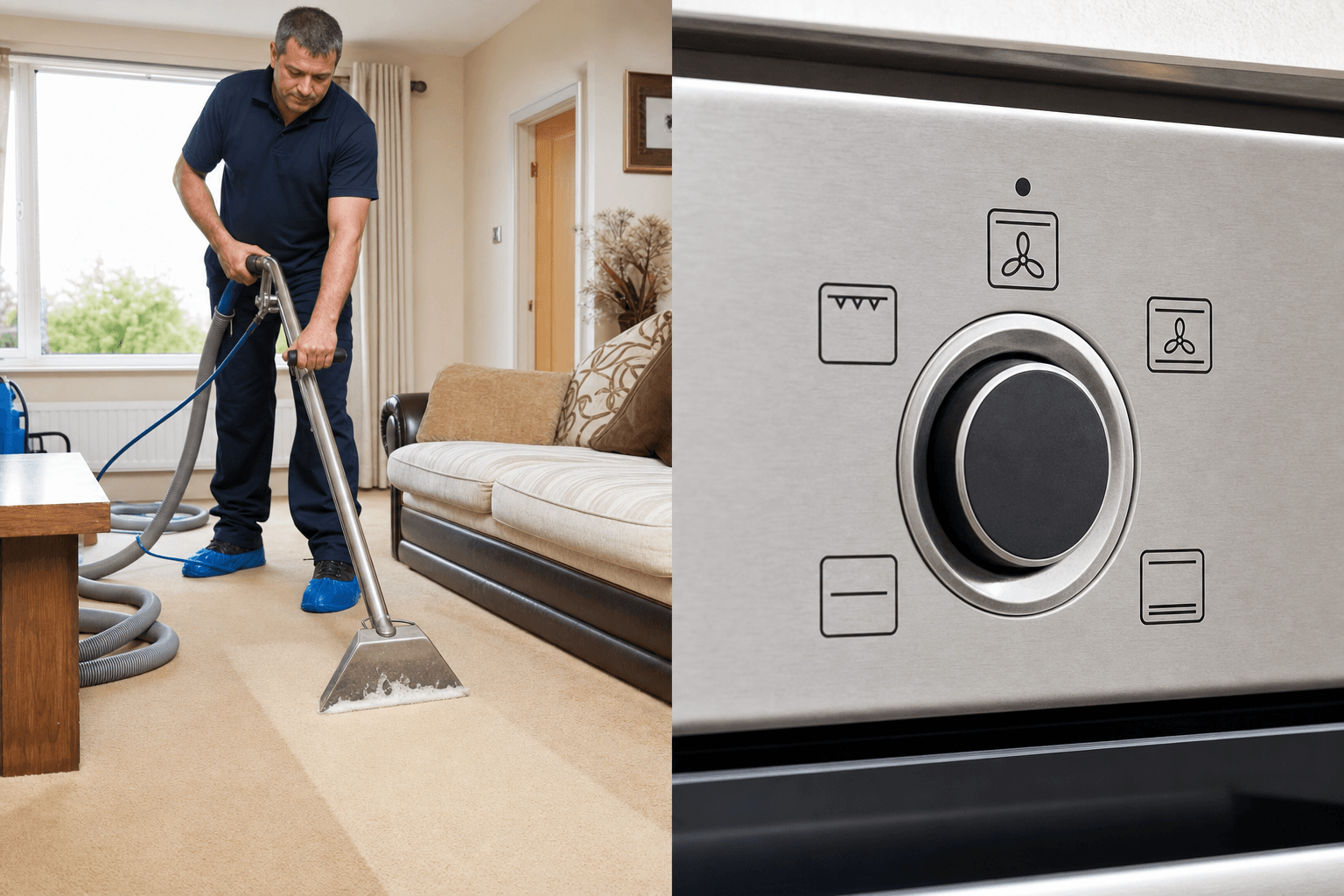
Steam vs dry vs hot-water carpet cleaning compared, plus every UK oven symbol decoded (fan, grill, broiling, pyrolytic) and which is right for your home.
Related services
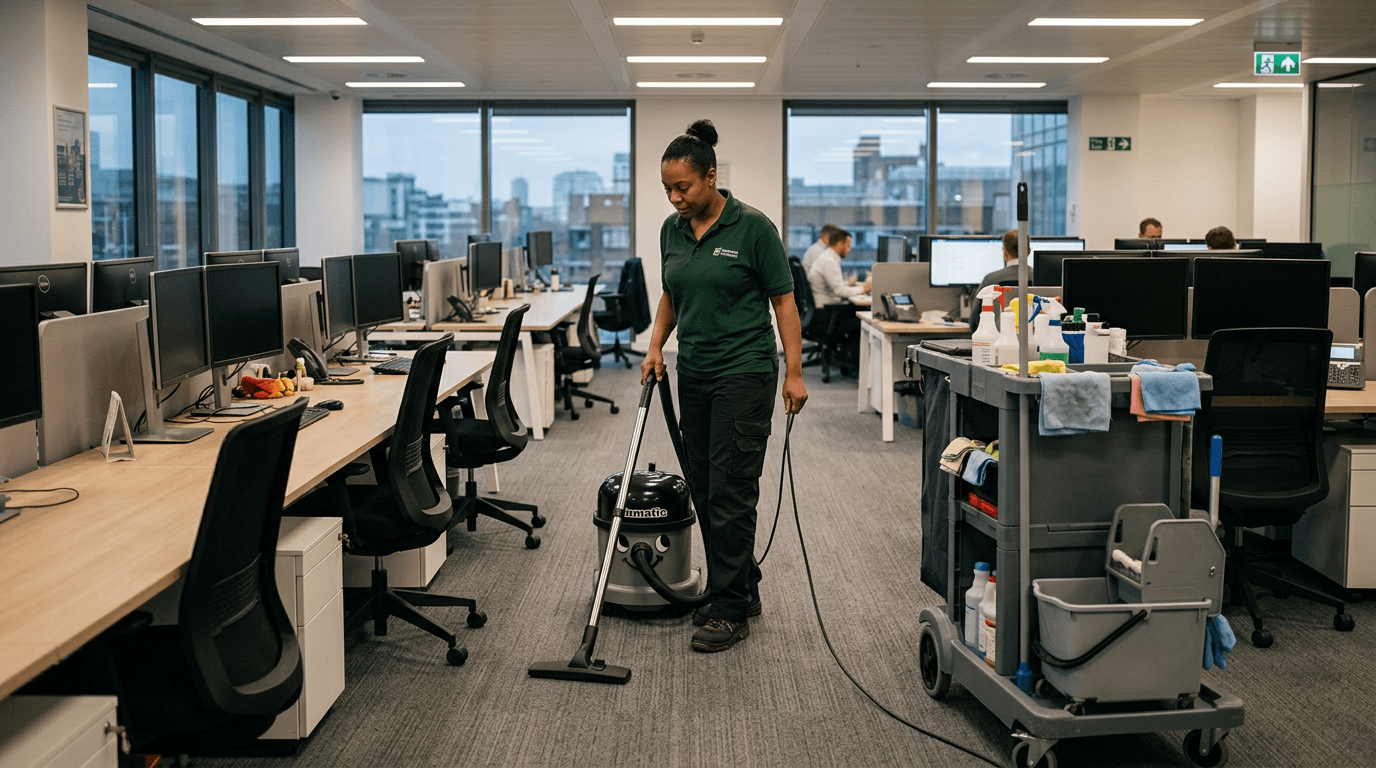
Professional office cleaning for UK workplaces of every size. Taskino coordinates trusted, fully insured cleaners with flexible schedules, consistent results and clear quotes - no hidden fees.
Ready to Book Your Service?
Tell us what you need and our team will help you find the right professional quickly, with clear pricing and no hidden fees.