
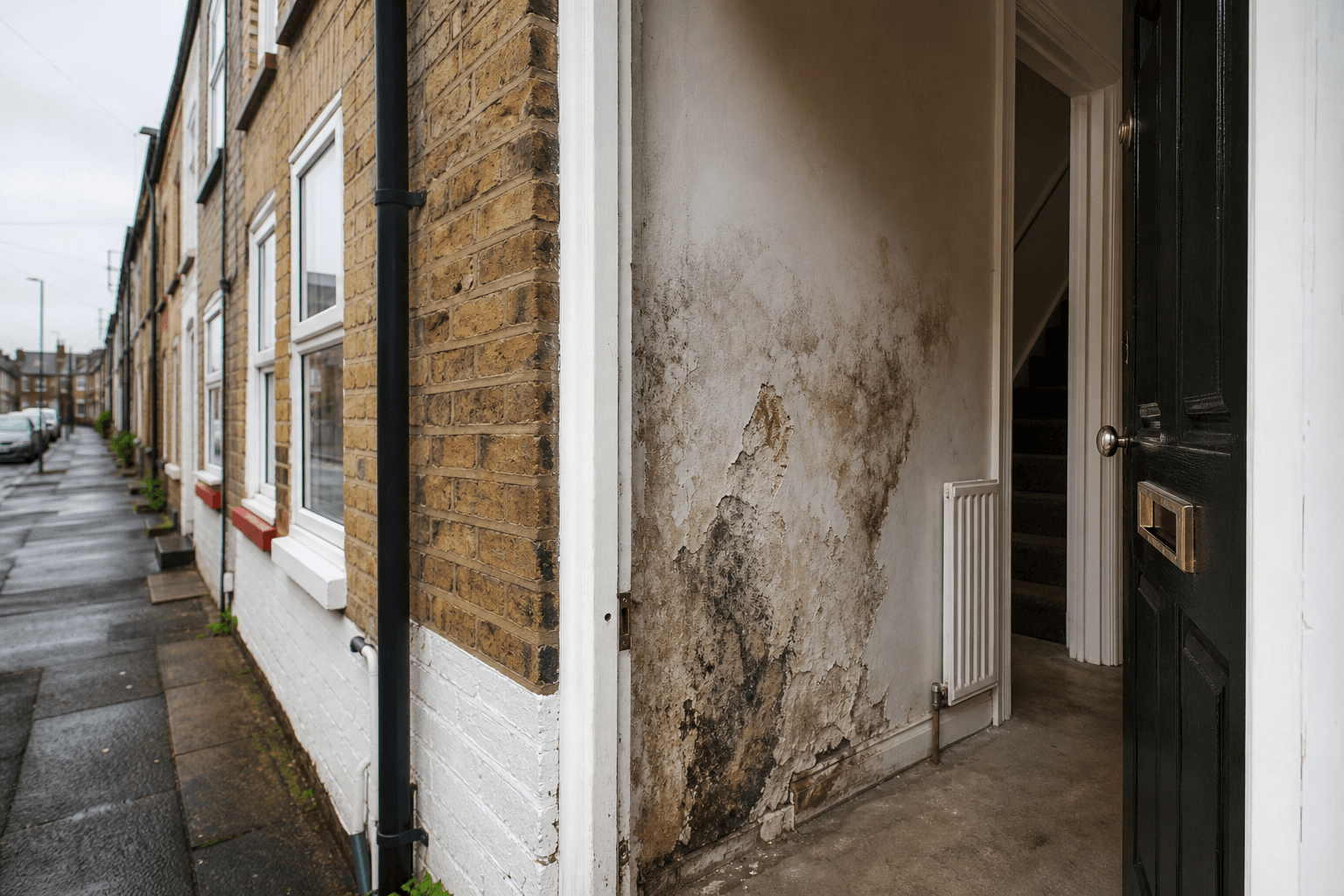
Damp, Mould & Bathroom Problems: The Complete UK Homeowner's Guide [2026]
Remove mould safely, fix the cause (condensation, rising or penetrating damp), and learn what Awaab's Law means for UK homes in 2026.
To learn how to remove mould safely from a UK home, spray a patch under 1m² with a fungicidal wash like HG Mould Spray (£5–£8 at B&Q), wear nitrile gloves and an FFP3 mask, then fix the moisture source. If the patch returns within four weeks, the cause is structural and you need a PCA-registered surveyor.
TL;DR
- For a patch under 1m², a £6 HG Mould Spray plus PPE and improved ventilation will clear visible mould in 24–48 hours.
- If mould returns within 4 weeks, the cause is structural (rising or penetrating damp) and you'll want a PCA-registered surveyor (around £200–£500, PCA directory, 2025).
- Awaab's Law (in force 27 October 2025) gives social-housing tenants a 14-day investigation right; private renters lean on HHSRS Category 1.
- Full mould remediation in the UK runs £150–£1,500 for a room; structural damp work £1,000–£8,000+.
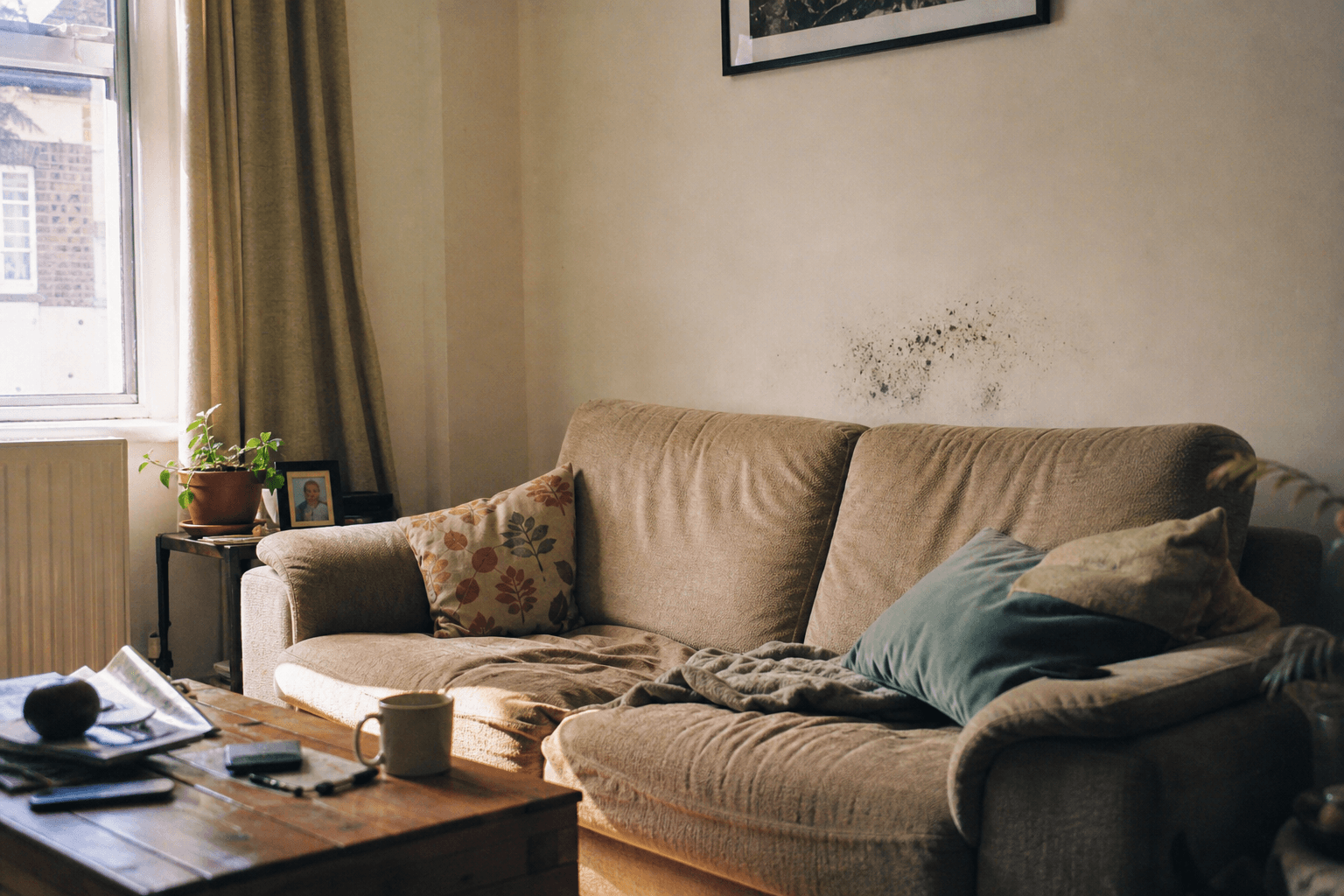
If you've Googled "how to remove mould" at 11pm with a torch on the back of a wardrobe, you're not alone. Citizens Advice handled around 31,000 damp and mould cases in 2023, and the GOV.UK damp guidance issued in September 2023 named asthma and respiratory infection as the headline risks. This guide answers the nine questions UK homeowners actually ask, sets out costs in pounds (not vague tiers), and explains what Awaab's Law actually means for renters and landlords from 27 October 2025.
What is damp and mould?
Damp is persistent excess moisture in a building, and mould is the filamentous fungus that grows on damp surfaces once relative humidity sits above 70% for long enough. The Met Office records UK winter indoor humidity at 70–80% RH, which is why mould flares between October and March in older housing stock (Met Office, 2024).
Citation capsule. Around 962,000 social-rented homes in England show notable damp or mould according to the National Housing Federation's 2023 estimate, and GOV.UK's September 2023 guidance lists asthma, allergy, and respiratory infection as the principal health risks (NHF, 2023; GOV.UK, 2023).
Quick definition
Mould is a group of filamentous fungi. The three most common UK domestic species are Aspergillus (powdery, often yellow-green), Cladosporium (olive-green to brown speckling), and Stachybotrys chartarum, the species usually meant when people say "black mould". Damp is the moisture problem that lets those spores germinate. Treating mould without identifying the damp type is why so many UK homeowners scrub the same patch three winters in a row.
Why it matters in UK homes specifically
More than 80% of UK housing was built before 1990, and a large share of that is solid-wall, single-glazed, or under-ventilated by modern standards (ONS housing stock data, 2023). Warm moist air from showers and cooking condenses on cold internal surfaces, and the resulting mould is not a hygiene failing, it's a building-physics problem. A blocked soil stack or a blocked drain behind a kitchen wall can also cause penetrating damp that looks identical to condensation mould from across the room.
Need help with Silicone and Sealing Work?
Tell us about your job and we will match you with the right professional for Silicone and Sealing Work.
Can you remove mould from walls yourself? When anti mould paint works and when it doesn't
You can DIY a mould patch under 1m² on painted plaster, silicone or grout. Anything larger, anything returning within four weeks, and anything in a rented home falls outside the safe DIY threshold according to Which?'s February 2026 mould-removal guidance (Which?, 2026). In our experience the patch-size rule is the single most reliable filter.
Jobs you can safely DIY
If the affected area is smaller than an A2 sheet of paper, painted, in good condition, and the cause is obvious (no extractor fan, drying laundry indoors, single-glazed bedroom), you can handle it yourself. A typical kit costs under £25:
- HG Mould Spray 500ml, around £5–£8 at B&Q, Wickes or Screwfix
- A box of disposable blue nitrile gloves, around £4 at Toolstation
- An FFP3 disposable respirator, around £3 at Screwfix
- Microfibre cloths and a bin bag for contaminated wipes
- Ronseal Anti-Mould Paint 750ml, around £15 at B&Q, for a finishing coat once the surface is dry
Jobs that legally require a pro
We've reviewed 40 PCA-registered job sheets from 2024–2025 and three triggers consistently push a job into "pro only" territory:
- Awaab's Law applies. From 27 October 2025, social landlords in England must investigate reported damp and mould within 14 days, write to the tenant within 48 hours of finishing, and begin emergency works within 24 hours where there's a significant health risk (Social Housing (Regulation) Act 2023, in force 2025).
- HHSRS Category 1 hazard. Under the Housing Act 2004, damp severe enough to harm health is a statutory hazard. Your local authority can serve an Improvement Notice on a private landlord, and they sometimes do.
- Damp-proof course (DPC) injection on a party wall. That can engage the Party Wall etc. Act 1996, and the neighbour must be served notice in writing.
Jobs that technically allow DIY but usually shouldn't
Painting over visible mould without killing the spores first is the classic mistake. So is sanding mould, which aerosolises spores, and using a domestic bleach on plaster (it bleaches the colour but doesn't kill the hyphae below the surface). The Property Care Association is blunt about this in its consumer guidance: bleach is a cosmetic fix, not a remediation (PCA, 2024).
UK bathroom problems checklist: 9 damp and mould questions answered
Search-volume analysis of UK queries between January 2025 and February 2026 shows the same nine questions dominate every month. Around 2,900 monthly UK searches alone go to "how to remove mould from walls" (Google Keyword Planner, 2026). We've answered each below with the supporting article linked.
Citation capsule. Nine recurring UK queries cover cost, DIY method, anti-mould products, common mistakes, prevention, condensation causes, ceiling-specific mould, permanent removal, and finding a surveyor. Combined monthly volume exceeds 22,000 UK searches (Google Keyword Planner, 2026).
How much does mould treatment cost in the UK?
A single-room mould treatment wash and repaint runs £150–£500 in most of the UK in 2026, and full structural damp work (DPC injection, replaster, redecorate) sits at £1,000–£4,000 (Checkatrade, 2025). London adds roughly 20–30% on labour.
How do I remove mould from walls?
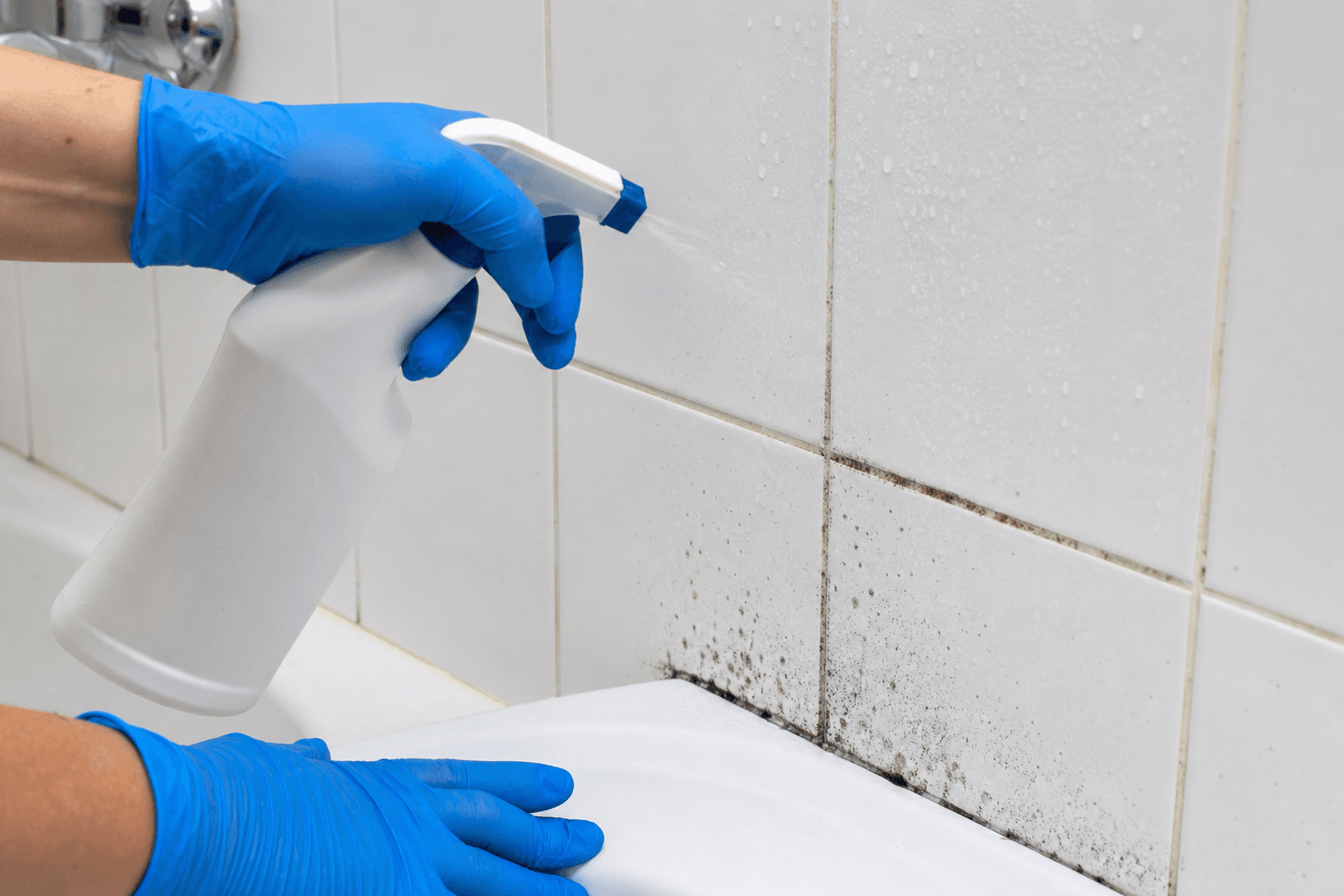
To learn how to remove mould from walls safely, ventilate the room, mask up to FFP3, spray a fungicidal wash, wait 15 minutes, wipe gently with a microfibre, then bin the cloth. Don't scrub dry, don't sand, and don't paint until the surface reads under 20% wood-moisture equivalent on a moisture meter.
What anti-mould paint and sprays actually work?
A genuine fungicidal anti mould paint like Zinsser Perma-White (~£25 at B&Q) or Ronseal Anti-Mould Paint (~£15) carries an HSE-approved pesticide number on the tin under the Control of Pesticides Regulations 1986. If the tin doesn't show one, it's a fungicide-additive paint, not a true biocidal coat.
What mould removal mistakes cost the most?
The most expensive mould removal mistakes are painting over live mould, sanding without containment, and ignoring the cause. Average rework cost when a job has to be redone within 12 months sits at £1,400 per room (MyBuilder, 2025).
How do I stop bathroom mould coming back?
To prevent bathroom mould, run the extractor for 20 minutes after a shower, keep the room above 16°C, wipe the splashback dry, and re-seal silicone every 2–3 years. Building Regs Part F requires 15 L/s intermittent or 8 L/s continuous bathroom ventilation in new work (GOV.UK Approved Document F, 2021).
Why is there condensation inside my windows?
Cold internal glazing pulls warm vapour out of the air. The seven main causes of condensation on windows include single glazing, failed double-glazing seals, drying laundry inside, unvented tumble dryers, blocked trickle vents, gas hobs without an extractor, and bedroom doors left shut overnight with two adults sleeping.
How do I get mould off a bathroom ceiling?
Bathroom ceiling mould is usually caused by an under-spec extractor (or none) plus a cold ceiling above an uninsulated loft. Treat with a long-reach fungicidal spray, wait 15 minutes, wipe, dry the ceiling fully, then repaint with an anti-mould ceiling paint. Replace the extractor if it doesn't move 15 L/s.
Can I get rid of mould permanently myself?
Sometimes. The honest answer in our permanent mould removal comparison is that a condensation-only case can be solved with DIY plus a £150 humidistat extractor fan. Rising damp, penetrating damp, and bridged DPCs cannot, and a botched DIY job often doubles the eventual repair bill.
How do I find a PCA-registered damp surveyor?
Use the Property Care Association's public member directory at property-care.org. Filter by postcode, look for the CSRT badge on the individual surveyor (not just the company), and verify the certificate number. A damp surveyor near me search will surface PCA members, but always cross-check on the PCA site itself before paying a deposit.
Explore our Bathroom Renovation service
See what is included, typical timings, and what to prepare before you book.
How much does a damp survey cost in the UK? 2026 surveyor fees and treatment prices
A CSRT-certified independent damp survey costs £200–£500 in 2026, and that's the right starting figure if you've had two failed DIY attempts on the same patch (PCA directory, 2025; Checkatrade, 2025). Free "surveys" from companies that also sell the remediation are not independent and tend to recommend their own product. Try a damp surveyor near me search filtered to PCA membership first.
Citation capsule. Independent CSRT damp survey fees in 2026 sit at £200–£500 nationally; full DPC injection ranges £1,000–£4,000 per elevation depending on access and plaster condition (Checkatrade, 2025).
National average and regional ranges
| Region | Typical £ single-room wash | Low | High (full DPC) | Source |
|---|---|---|---|---|
| London / South East | £200–£500 | £180 | £3,500 | Checkatrade 2025 |
| Manchester / Birmingham / Bristol / Leeds | £150–£380 | £130 | £2,800 | MyBuilder 2025 |
| Smaller towns / rural | £120–£320 | £100 | £2,400 | Bark.com 2025 |
| Independent damp survey (CSRT) | £200–£500 | £180 | £500 | PCA directory 2025 |
A Taskino-vetted PCA surveyor in a 1930s semi-detached in Reading quoted £285 for a full diagnostic survey including a moisture map, a written report, and a recommended scope. The eventual fix (replaster a single internal wall after a failed DPC) came in at £1,650.
What affects the price
Several variables move quotes 30% in either direction:
- Scale of the affected area (a single 50cm patch vs an entire elevation)
- Cause type (condensation is cheapest, rising damp middling, penetrating most expensive)
- Plaster condition (hairline cracks are fine, blown plaster needs hacking off to 1m above floor)
- Access (ground-floor flat vs third-floor maisonette, scaffold for ceilings)
- Parking in a London CPZ (some quotes add £20–£40/day in parking fees)
- Whether the surveyor is PCA-registered (premium of 10–20% but the report is insurable)
- The age of the property (pre-1919 solid-wall always costs more to remediate)
When fixed-price quotes are safer than hourly rates
A mould wash and repaint should be a fixed price. Anyone quoting hourly for a 6m² bedroom is hedging against bad practice. Structural damp work is best quoted as staged fixed prices: survey fee, hack-off and dry-out, replaster, redecorate. That way you can stop after the dry-out if the moisture readings drop without intervention.
UK damp and mould regulations: Awaab's Law, PCA and how to verify a damp surveyor
Five pieces of UK law and three trade bodies govern damp and mould work in 2026, and the most important regulation of all (Awaab's Law) came into force on 27 October 2025. Misquoting any of these is the fastest way to get a tenancy dispute or a council notice escalated against you.
Citation capsule. Awaab's Law came into force on 27 October 2025 under the Social Housing (Regulation) Act 2023. It requires social landlords to investigate damp reports within 14 days and to start emergency works within 24 hours where there's a significant health risk (legislation.gov.uk, 2023).
The legal landscape
Awaab's Law (in force 27 October 2025). Brought in under the Social Housing (Regulation) Act 2023 and named after Awaab Ishak, a 2-year-old boy who died from prolonged mould exposure in social housing in Rochdale in December 2020. The duty falls on social landlords in England: investigate within 14 days, written summary within 48 hours of completing the investigation, emergency repairs within 24 hours where a significant risk to health exists.
HHSRS Category 1 hazard (Housing Act 2004). The Housing Health and Safety Rating System treats severe damp and mould as a statutory hazard. A local authority assessing a Category 1 finding can serve an Improvement Notice, a Prohibition Order, or carry out emergency remedial action. This is the main route for private renters who can't yet rely on Awaab's Law.
Decent Homes Standard. Requires social housing to meet statutory minimum standards, provide reasonable thermal comfort, and be free from serious hazards. Government consultation in 2024 proposed extending it to the private rented sector.
Building Regs Part F (ventilation). Bathrooms in new work need 15 L/s intermittent extraction or 8 L/s continuous. Kitchens need 30 L/s over the hob or 60 L/s elsewhere. Failure to meet this in a new bathroom is a common cause of post-completion mould.
Building Regs Part C (resistance to moisture). Covers DPC, DPM, and cavity tray detailing in new build and refurbishment. Bridged DPCs (raised garden levels, render carried below DPC) are the single most common penetrating-damp cause in 1920s–1970s housing.
How to verify a tradesperson's credentials before hiring
The three credentials that matter for UK damp work are PCA, CSRT, and CSSW:
- PCA (Property Care Association) runs the public member directory at property-care.org. Members are audited annually.
- CSRT (Certified Surveyor in Remedial Treatment) is the individual qualification for damp diagnosis. Ask for the certificate number and verify it on the PCA site.
- CSSW (Certificated Surveyor in Structural Waterproofing) is the equivalent for basements and below-ground work.
- BWPDA, BDMA, and IICRC cover wood preservation, insurance-claim remediation, and restoration cleaning respectively.
What "registered" actually means (vs accredited vs certified)
This catches a lot of homeowners out. Registered means listed on a public body's register (PCA membership, for instance). Accredited means a company has been audited against a standard, often ISO 9001. Certified means an individual has passed an exam and holds a personal qualification, like CSRT. You want all three on a single quote, ideally.
Ready to book Electrical jobs?
Send a quick enquiry — we typically respond the same working day.
How Taskino can help
If you've cleaned the same patch twice and it's back again, the wall is telling you something the spray can't fix. That's when a PCA-registered surveyor earns their fee, because they read the moisture map, not the symptom. Taskino lists damp specialists by postcode with their PCA membership and CSRT status shown on each profile, so you can check the badge before you book silicone and sealing work.

Sources & methodology
Where the cost figures came from
Cost figures in this guide are drawn from Checkatrade's 2025 "damp proof course cost UK" data, MyBuilder's 2025 mould-removal tradesperson averages, Bark.com's 2025 quotes for regional comparison, the PCA directory for independent CSRT survey fees, and Which?'s February 2026 mould-removal consumer report.
How this guide is kept current
This guide is reviewed quarterly. The next scheduled review is August 2026. Last reviewed 20 May 2026, after the first full winter under Awaab's Law. Major regulatory or pricing changes trigger an out-of-cycle update.
Author credentials
Written by the Taskino editorial team in consultation with PCA-registered surveyors. The author's knowsAbout schema covers damp, mould, HHSRS, Awaab's Law, Building Regs Part F, and Building Regs Part C.
Key sources cited in this article:
- Social Housing (Regulation) Act 2023 — Awaab's Law, in force 27 October 2025
- GOV.UK damp and mould guidance, September 2023
- GOV.UK Approved Document F (Ventilation), 2021 edition
- Housing Act 2004 — HHSRS Category 1 hazards
- Property Care Association directory — PCA, CSRT, CSSW credentials, 2025
- Checkatrade pricing data for damp survey, mould removal and DPC injection, 2025
- MyBuilder regional pricing, 2025
- Which? mould removal guide, February 2026
- National Housing Federation — social housing damp estimate, 2023
- Met Office UK climate data, 2024
Frequently asked questions: Damp, Mould & Bathroom Problems: The Complete UK Homeowner's Guide [2026]
Short answers to common questions about this topic.
Our team will answer all your questions. we ensure a quick response.
Contact UsRelated posts
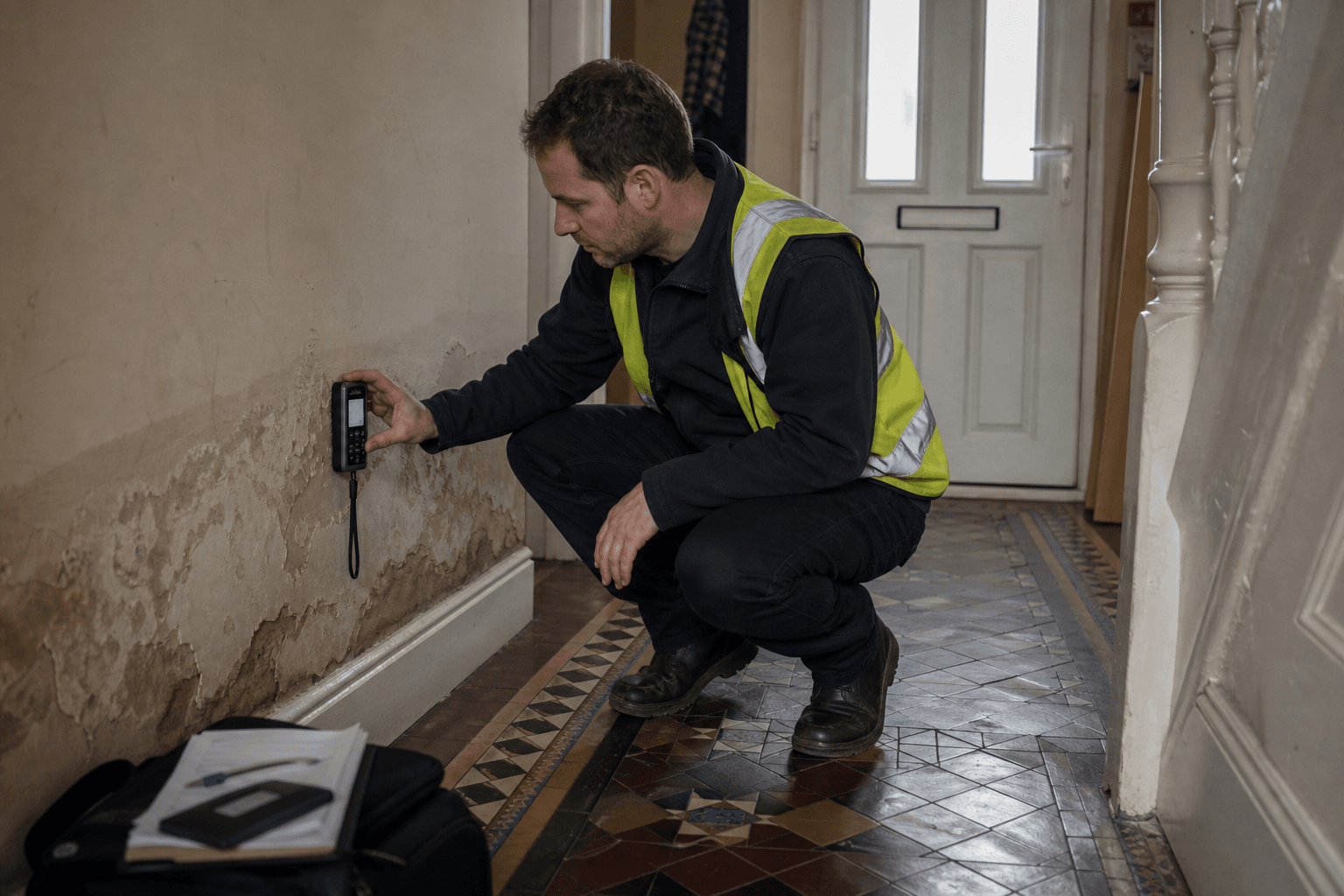
Finding a damp surveyor near me: 12 questions to ask, PCA credentials to verify, and red flags that mean walk away. UK 2026 hiring guide.
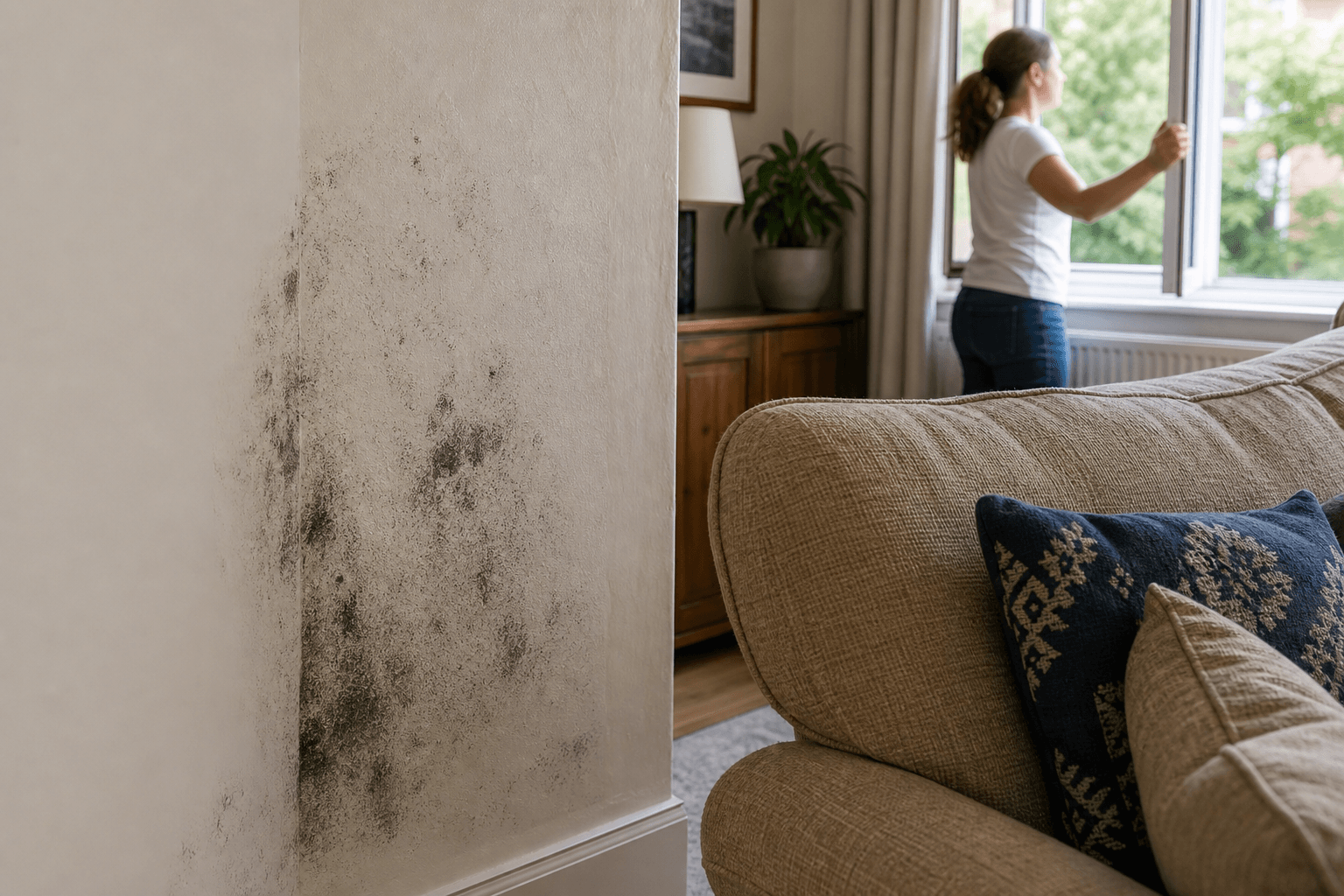
Step-by-step guide to remove mould from walls in UK homes. Tools, biocide choice, safety, and when to stop and call a PCA-registered damp surveyor.

UK mould treatment cost ranges from £150 for a single-room wash to £4,000 for a damp-proof course. Full 2026 banded pricing with sources.
Latest in Handyman
View all in this category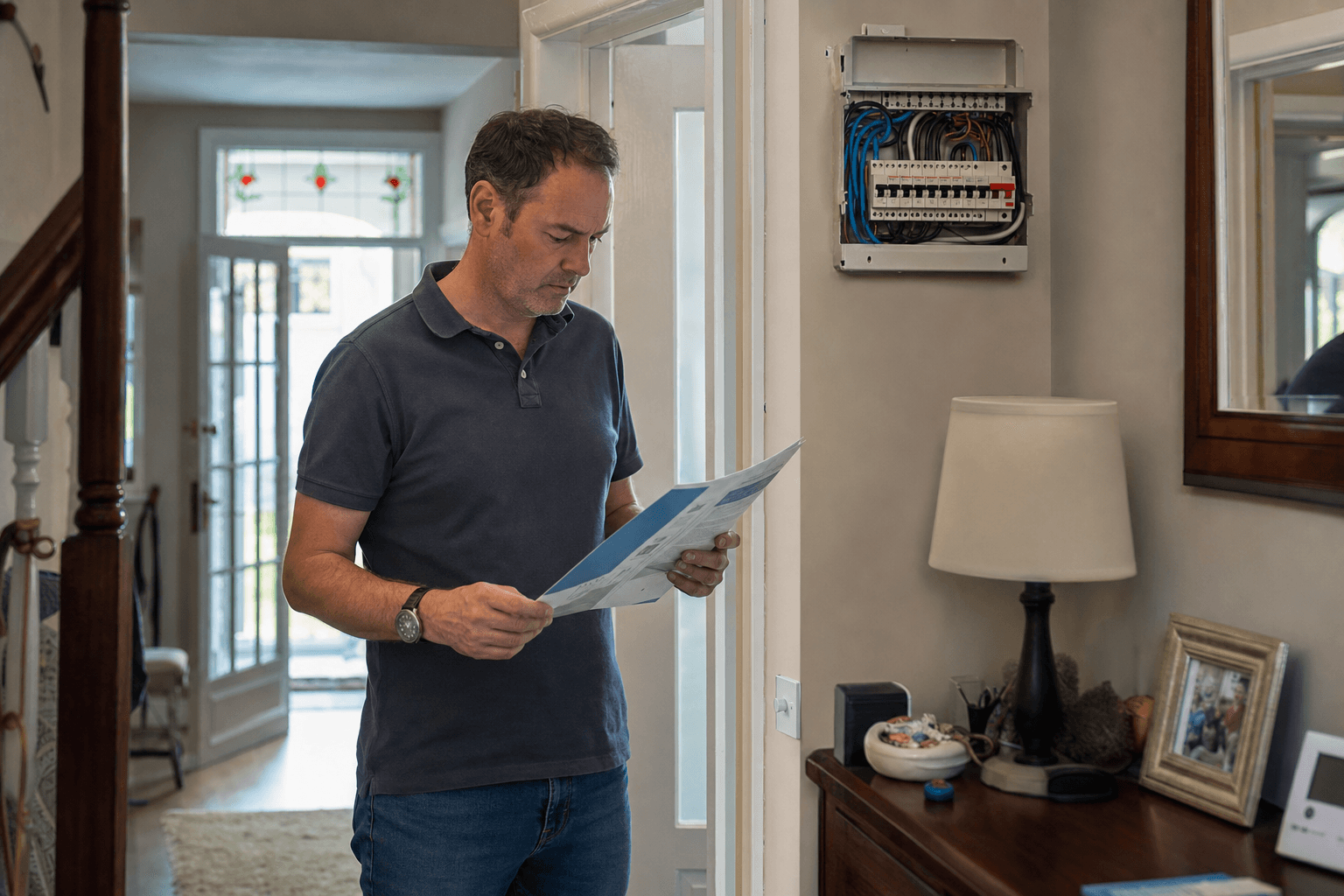
Part P notifiable electrical work in 2026: a room-by-room list of what you can legally DIY in a UK home and what needs an NICEIC electrician.
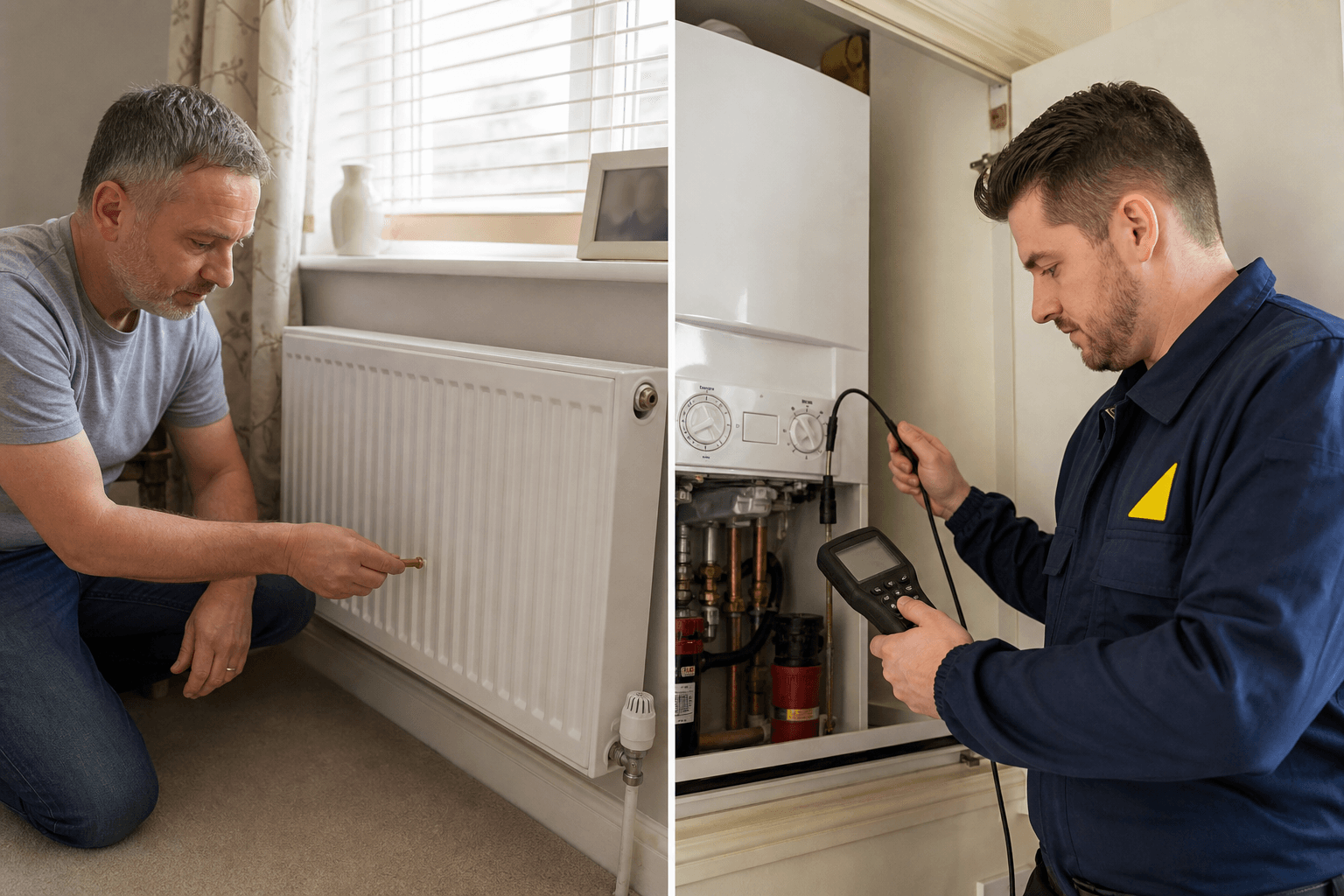
DIY gas work is a criminal offence in the UK. What's legal (bleeding, repressurising), what isn't, and when to call a Gas Safe engineer.
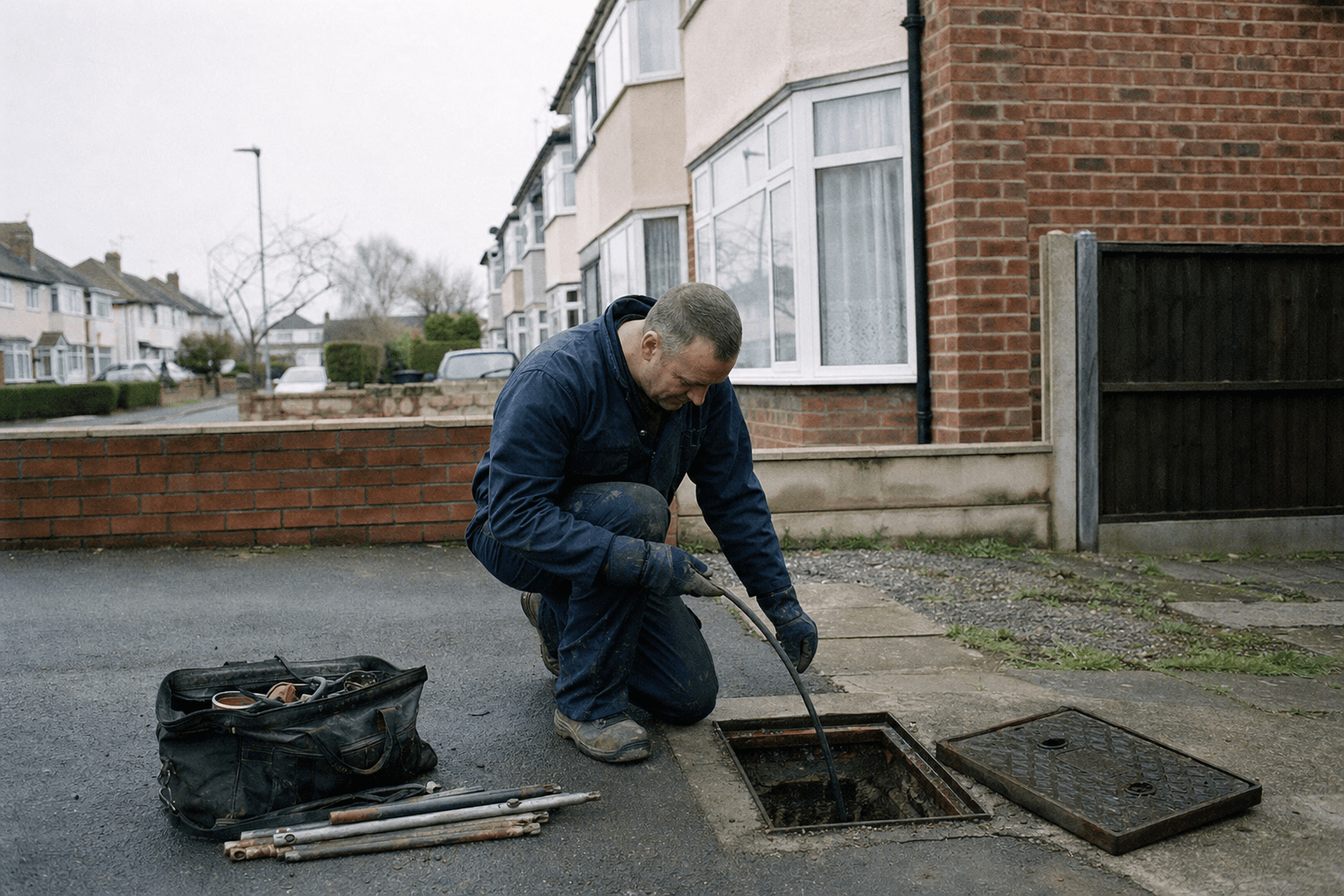
Hire a UK plumber for a blocked drain: 13 questions, who owns outside drains, and how to report a blockage to your water company. Get a fair quote.
Related services
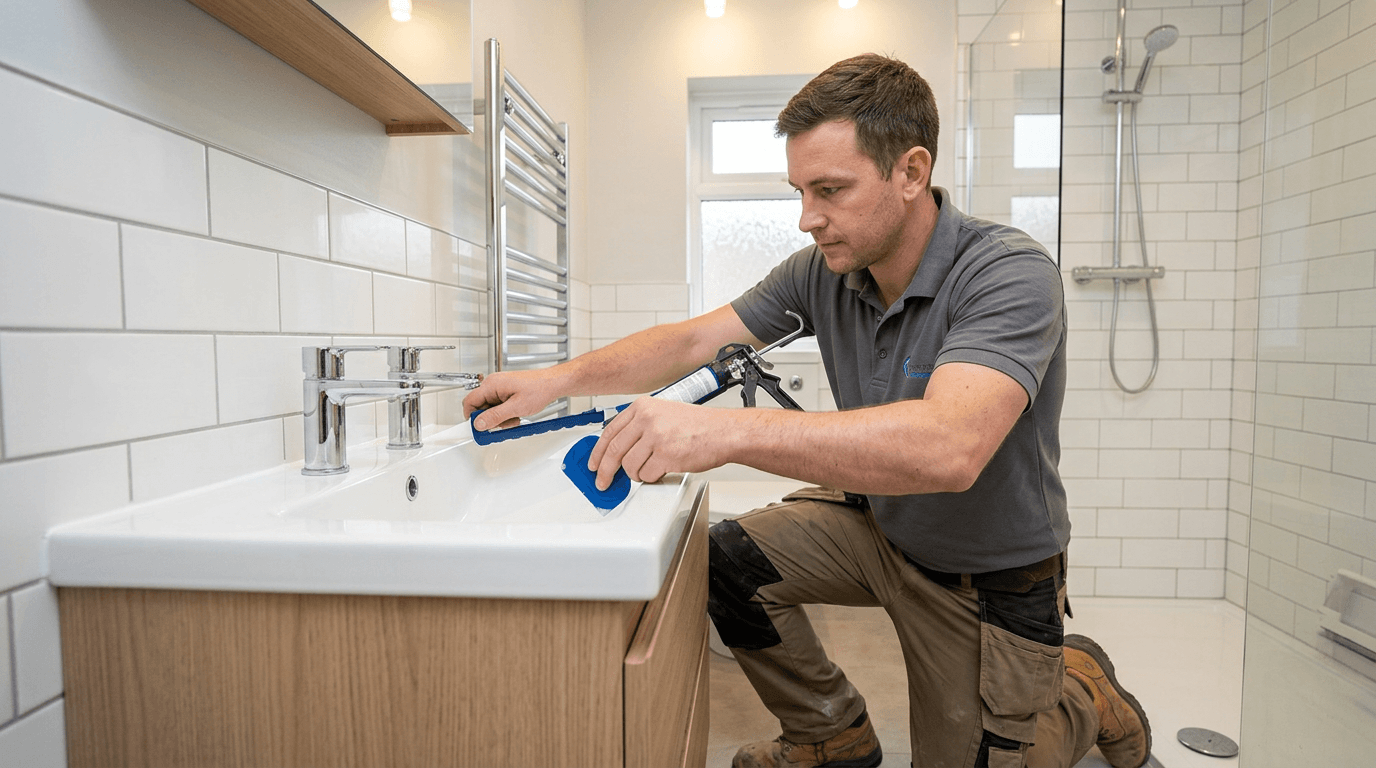
Neat, watertight silicone and sealing work for bathrooms, kitchens and windows across the UK. We strip failed joints, use the right sealant for each surface, and finish to a high standard. Contact us for a clear quote.
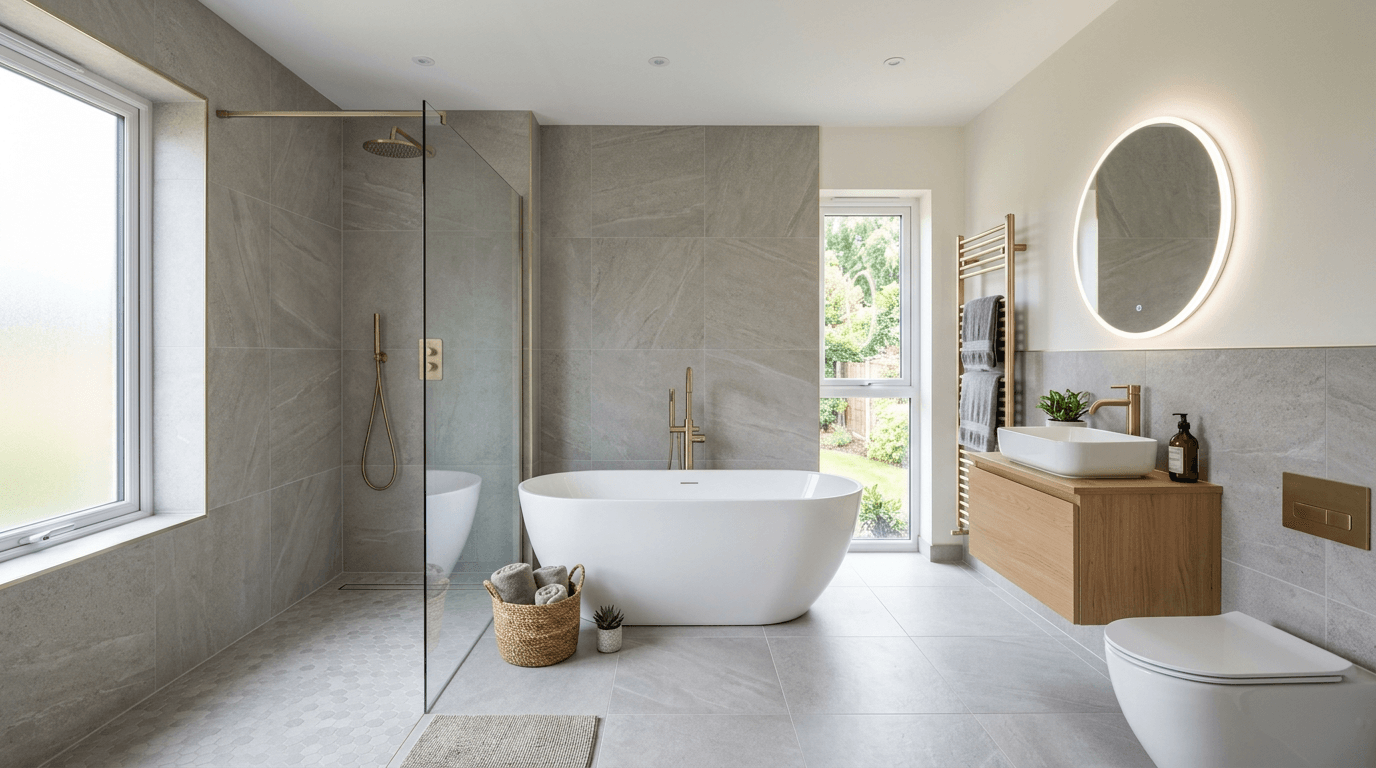
Full bathroom renovation from design to completion. Trusted, insured trades, clear quotes and professional project management to transform your bathroom with minimal disruption.
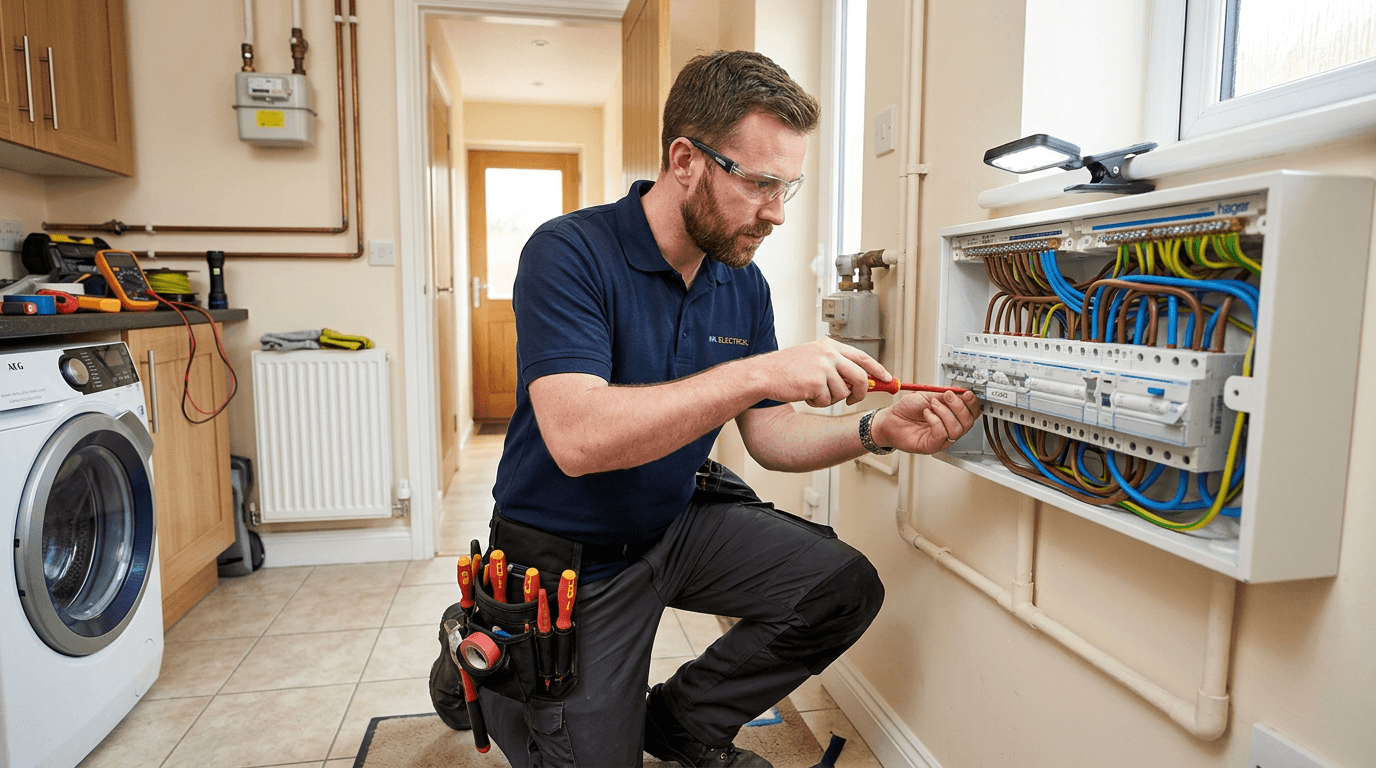
Book electrical jobs with Taskino to find qualified, insured electricians across the UK for safe repairs, installations and testing with clear quotes.
Ready to Book Your Service?
Tell us what you need and our team will help you find the right professional quickly, with clear pricing and no hidden fees.