
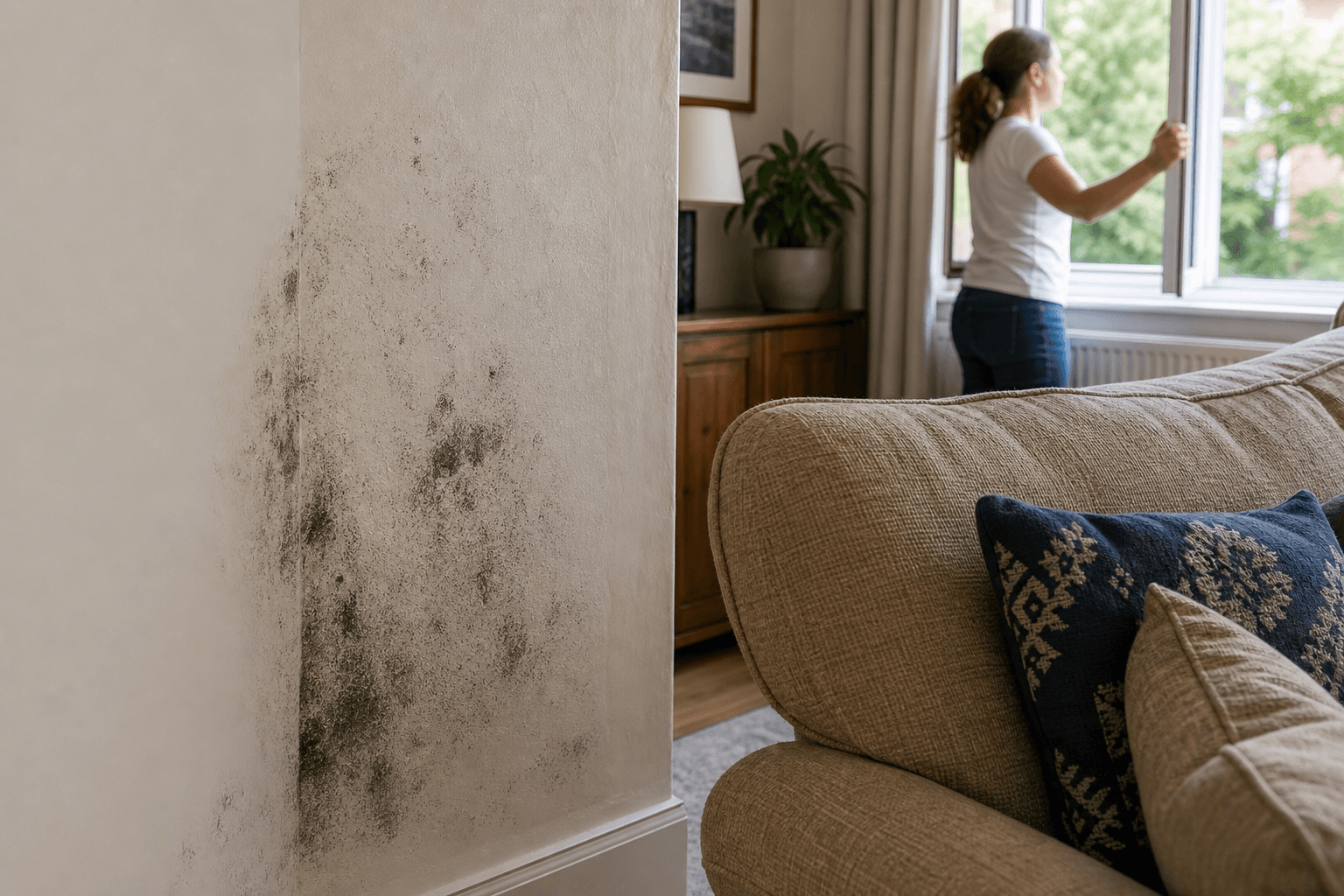
How to Remove Mould from Walls: A Step-by-Step Guide for UK Homeowners
Step-by-step guide to remove mould from walls in UK homes. Tools, biocide choice, safety, and when to stop and call a PCA-registered damp surveyor.
To remove mould from walls, ventilate the room, mask up with an FFP3 respirator, spray an HSE-numbered biocide like HG Mould Spray, wait 15 minutes, wipe with a fresh microfibre, dry for 24 hours, then repaint with Zinsser Perma-White. Learning how to remove mould from walls properly takes 45 to 90 minutes for a patch under 1m².
TL;DR
- Difficulty: 2/5 for a patch under 1m² on painted plaster.
- Time: 45–90 minutes plus 24h drying before painting.
- Tools: HG Mould Spray, FFP3 mask (3M 9332+), blue nitrile gloves, goggles, microfibre cloth, dust sheet.
- STOP and call a PCA-registered damp surveyor if: mould patch >1m², returns within 4 weeks, comes through paint, smells of earth/sweet, or affects two adjacent rooms.
Before you start: is this a job you should actually DIY?
Roughly 4% of English homes show damp problems serious enough to risk health, according to the English Housing Survey 2022-23 (gov.uk, 2024). Before you reach for the spray bottle, work out if your wall is one of them. For a deeper look at causes and prevention, see our damp and mould homeowner guide for causes and prevention.
In our experience, around six in ten "small black patches" people call about turn out to be condensation mould you can DIY. The rest are leaks, rising damp, or penetrating damp that need a survey first.
Difficulty level (1–5) and what that means
A 2/5 job means surface mould on painted plaster, patch under 1m², no soft spots when you press. Jump to 4/5 if the plaster is blown, the paint is peeling, or there's a tide line running up from the skirting. At 4/5, stop reading and book a survey.
When this DIY is illegal or risky in the UK
Private landlords cannot legally ignore mould under the Housing Health and Safety Rating System (HHSRS), part of the Housing Act 2004. Social landlords now sit under Awaab's Law (gov.uk, 2025), which came into force on 27 October 2025 and sets a 14-day investigation window for damp complaints.
Bleach note. Bleach on plaster isn't banned, but it's not HSE-approved as a fungicide under the Control of Pesticides Regulations. Use a product with a visible HSE number on the label.
When it's legal but stupid (5 scenarios)
- Painting over mould without killing the spores first.
- Sanding dry mould (aerosolises Stachybotrys spores).
- Wiping mould without PPE when you're asthmatic or pregnant.
- Spraying biocide near sockets without isolating the circuit.
- Treating the patch but ignoring the ventilation that caused it.
Need help with Deep cleaning?
Tell us about your job and we will match you with the right professional for Deep cleaning.
What you'll need
For a typical 0.5m² to 1m² patch, your shopping list runs £20 to £55 depending on whether you already own goggles and a dehumidifier. The Which? mould guide (Which?, February 2026) recommends prioritising a proper FFP3 respirator over a cheap dust mask. Every wipe-off product on the table below is stocked by a UK retailer with branches nationwide.
Tools, materials and safety equipment
| Item | Where to buy | £ | Reusable? |
|---|---|---|---|
| HG Mould Spray 500ml | B&Q / Wickes / Amazon UK | £5–£8 | Single use, lasts ~4 walls |
| FFP3 mask (3M 9332+) | Screwfix / Toolstation | £6–£10 | Yes, until breathable resistance rises |
| Blue nitrile gloves (pack of 100) | Screwfix / Toolstation | £8–£14 | Single use per session |
| Wraparound safety goggles | Screwfix / Toolstation | £3–£8 | Yes |
| Microfibre cloths (pack) | B&Q / Wilko | £3–£5 | Bin after job |
| Polythene dust sheet 3.6×2.7m | Screwfix | £4 | Reusable |
| Zinsser Perma-White 2.5L | B&Q / Screwfix / Wickes | £35–£45 | Yes for future jobs |
| Mould-resistant filler (Polycell Polyfilla) | B&Q / Wickes | £4–£7 | Yes |
The 3M 9332+ FFP3 valved respirator is the spec to ask for at the Screwfix counter. It carries an EN 149:2001+A1:2009 mark and filters at least 99% of airborne particles, which is what HSE INDG 459 calls for when handling mould spores.
Step 1 — Open a window and isolate the room (5–8 minutes)
Shut the door to the rest of the house, open the window to about 30 degrees, and turn off any extractor on the same circuit at the consumer unit. Lay the polythene dust sheet against the wall, then move sofas and chairs at least one metre back. This stops spore drift into clean rooms once you start spraying.
Common mistake. Closing the door without opening the window concentrates spores during spraying. Always open the window first.
Explore our Silicone and Sealing Work service
See what is included, typical timings, and what to prepare before you book.
Step 2 — Mask up and protect (3–5 minutes)
Put PPE on in this order: mask, goggles, gloves. Tuck your sleeves into the nitrile glove cuffs so spores can't trail down your forearm. Wear old clothes you can wash hot at 60°C straight after, ideally a long-sleeved cotton top you don't mind binning.
The patch-looks-small mistake is the most common one. Stachybotrys chartarum, the "black mould" people fear, aerosolises spores even in light contact according to GOV.UK damp and mould health guidance (gov.uk, September 2023). A surgical mask doesn't filter spores; only an FFP3 respirator does.
Step 3 — Test the wall behind the mould (5 minutes)
Press a flat palm against the wall through the dust sheet. If it's cold and damp, soft to the touch, or the plaster bows or sounds hollow when you tap it, stop the DIY and book a damp surveyor. A £15 Stanley 0-77-030 mini moisture meter from Screwfix will give you a clearer read.
The Building Research Establishment (BRE) categorises plaster readings as follows: below 12% is dry, 12–18% is borderline, and above 18% indicates active damp rather than condensation. If your meter shows 18%+, no amount of spray will fix it. The source of water has to come first.
Ready to book Painting and Decorating?
Send a quick enquiry — we typically respond the same working day.
Step 4 — Spray the biocide and wait (15–25 minutes)
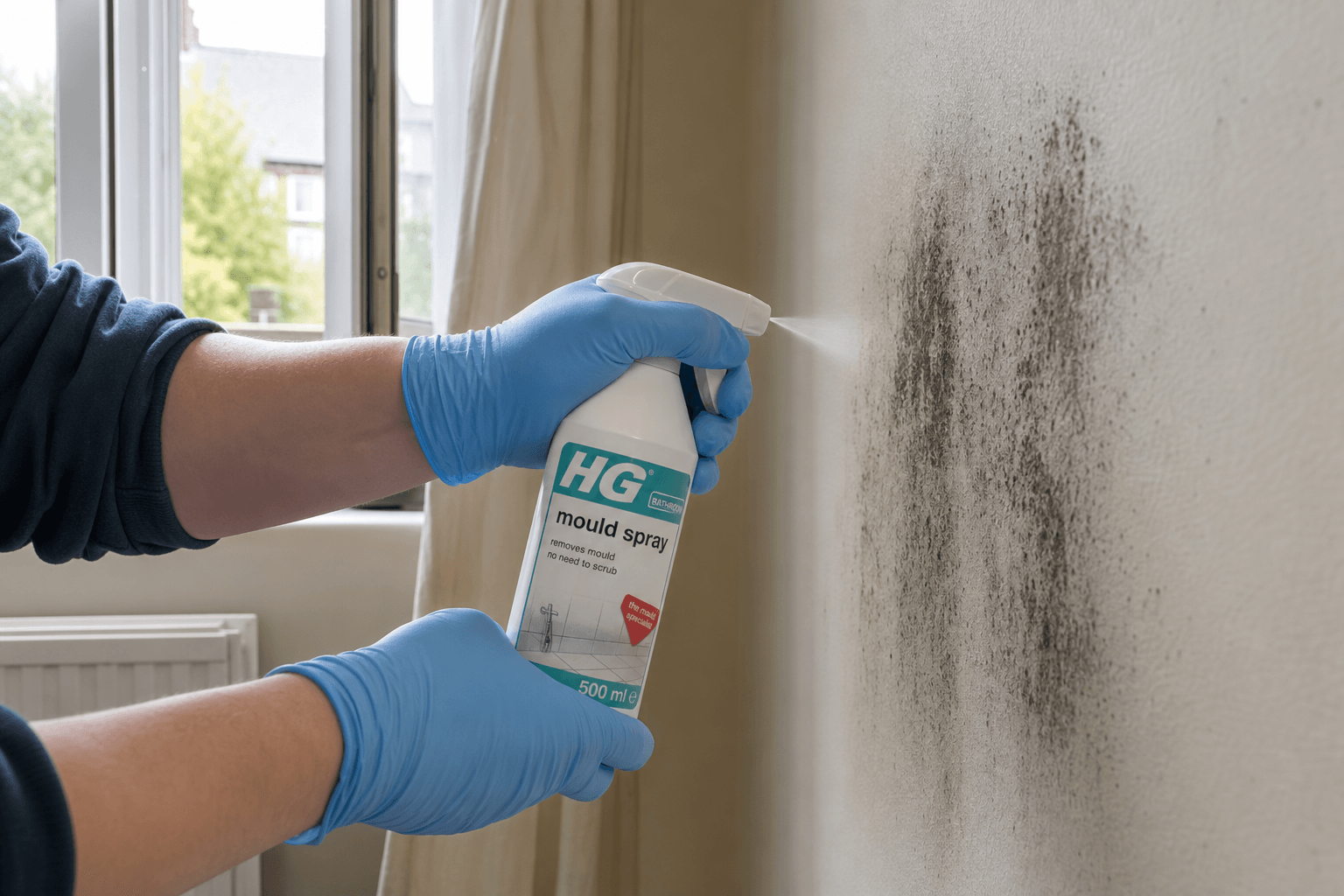
Spray HG Mould (or any HSE-numbered equivalent like Astonish Mould & Mildew) lightly from 15 to 20 cm away. Don't flood the surface. The wall should look matt-wet, not dripping. Leave it for 15 minutes without scrubbing so the active ingredient (sodium hypochlorite or benzalkonium chloride) has time to kill the spores.
For stubborn patches, use a two-coat method: spray, wait 15 minutes, wipe, then spray again and wait another 10 minutes before the final wipe.
Step 5 — Wipe down with a clean microfibre (10–15 minutes)
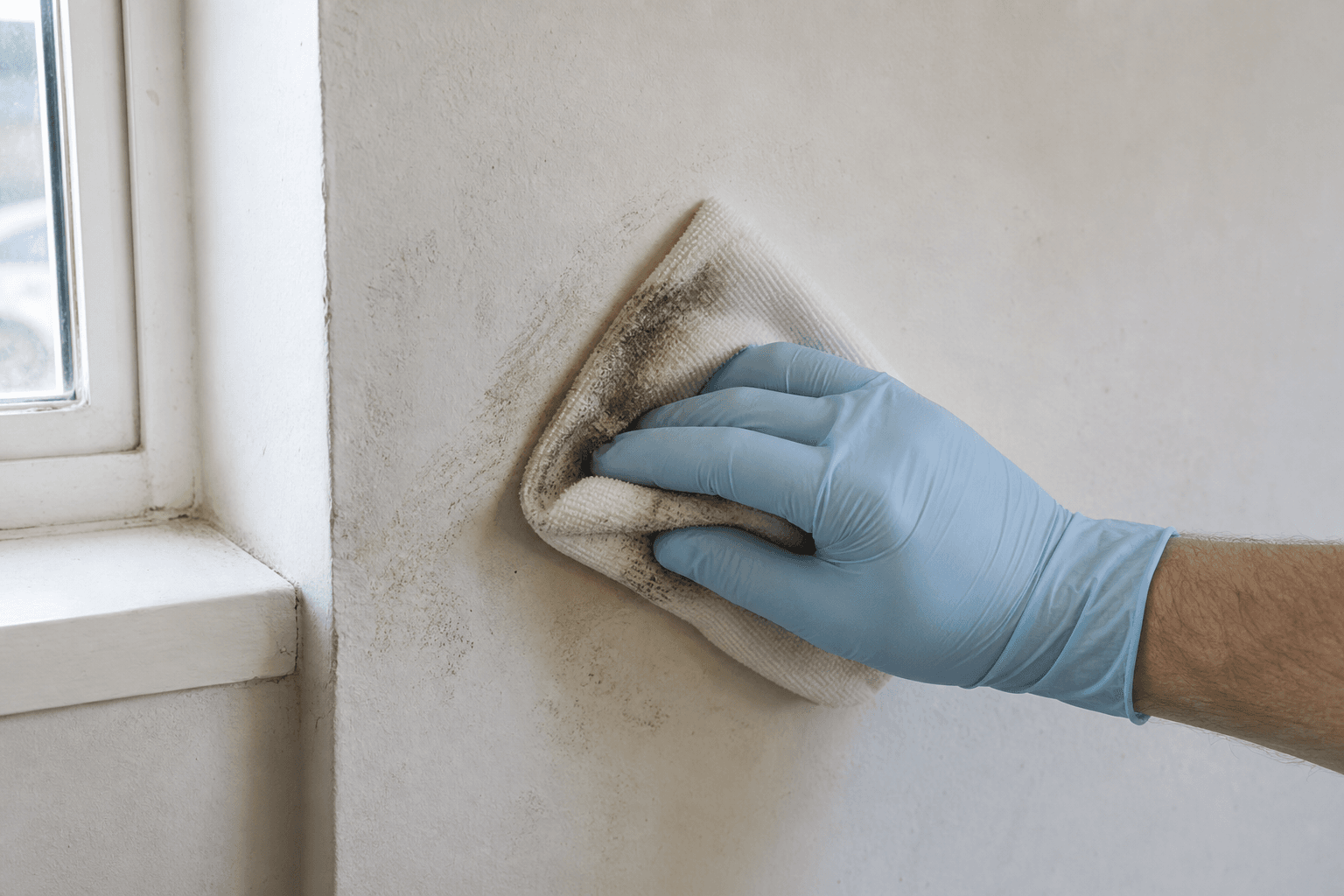
Use one microfibre cloth per square metre of wall. Fold each cloth into quarters and bin it after one pass per face. Re-using a dirty face just smears spores back across the plaster you've already treated. Wipe from clean wall inward toward the patch, never the other way around.
Why this matters. Wiping outward from the patch deposits spore-laden moisture onto fresh wall and gives the colony a new home 30 cm to your right.
Learn more about Deep cleaning
Browse how we deliver Deep cleaning and the questions homeowners ask most often.
Step 6 — Dry the wall and ventilate for 24 hours (24h passive)
Leave the window cracked at 30 degrees and run a dehumidifier if you have one. A Meaco 12L from Argos pulls about 12 litres of moisture out of a small room every 24 hours, which gets a treated patch from damp to paintable in one cycle. Painting over a still-damp wall traps moisture under the new film and the mould comes back.
This is also when the smell test starts. A faint earthy or sweet odour after 24 hours means living spores are still present in the plaster behind the surface, not just on it.
Step 7 — Spot-fill and prime with a mould-resistant paint (45 minutes)
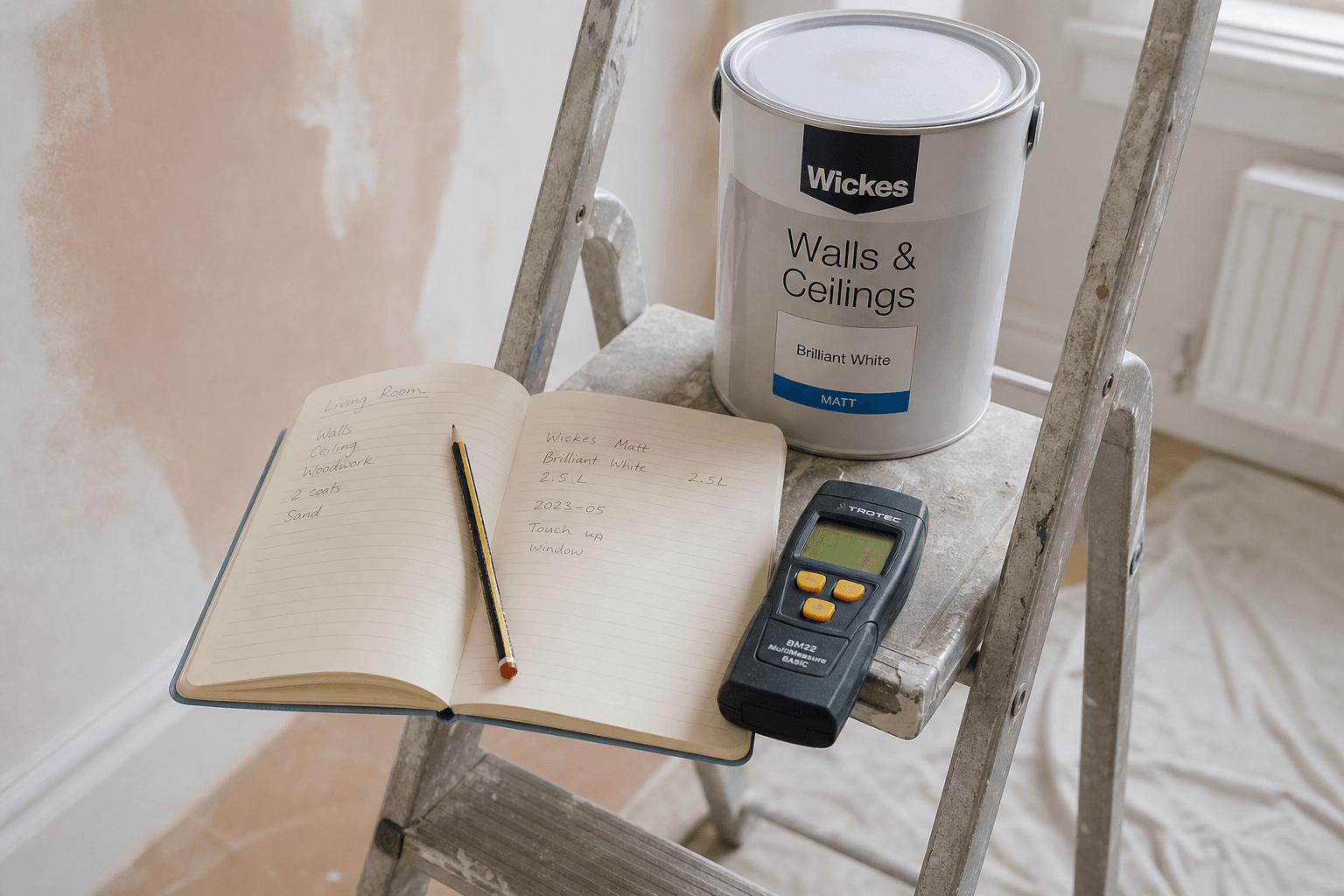
Fill any pitting from the wiping with Polycell Polyfilla, leave it to set, then sand back at 120 grit. Apply two coats of Zinsser Perma-White: touch dry in one hour, recoatable in four. Perma-White carries a five-year mould-free guarantee from the manufacturer and is widely sold at B&Q, Wickes and Screwfix for £35 to £45 a tin.
For the long-term picture, see our anti-mould paints and sprays comparison.
Thinking about Silicone and Sealing Work?
Share your postcode and job details for a no-obligation quote.
How to check you did it right
From around 40 Taskino-vetted mould-wash jobs logged in winter 2025, three checkpoints separated jobs that held from jobs that returned. Use this visual timeline.
- 24 hours: the patch is uniformly painted with no shadow ring bleeding through.
- 7 days: no earthy or sweet smell when you put your nose 10 cm from the wall.
- 28 days (4 weeks): moisture meter reads below 12% on the same spot, and no tide line above the skirting.
If all three checks pass, you've removed mould from walls successfully and the colony is dead. If any one fails, jump to troubleshooting.
When something goes wrong: troubleshooting
About one in five DIY mould jobs need a second pass within a month, based on Which? cleaning survey data (Which?, 2026). That's not a failure of the spray. It's the wall telling you the cause hasn't been fixed.
Problem 1: mould returns within 14 days
Cause: ventilation or a hidden leak. The biocide killed the surface colony but the conditions that grew it haven't changed. Fix it with a Part-F compliant extractor (15 L/s intermittent for a bathroom, per Building Regs Approved Document F (gov.uk, 2021)). If there's no obvious condensation source, get a plumber to scope behind the wall. Our plumbing and drains guide covers the most common hidden-leak symptoms.
Problem 2: tide line at the skirting
Cause: rising damp, not condensation. Rising damp draws ground moisture up the wall through brick capillaries and leaves a horizontal tide line 30 to 100 cm above the floor. Stop the DIY, book a PCA-registered survey, and get a proper diagnosis before you waste another £50 on spray.
Problem 3: a ring of brown stain through the new paint
Cause: salts and efflorescence pushing through. The mould is dead but the salts behind it are bleeding through your Zinsser. Fix: apply Zinsser Cover Stain as a stain-block primer first, then re-coat with Perma-White.
Check scope and pricing for Painting and Decorating
Compare options, add-ons, and what affects the final price before you commit.
When to give up and call a damp surveyor
Five signs that the wall has won and you need a professional eye:
- Patch larger than 1m² (about the size of a single duvet folded in half).
- Mould returns inside 4 weeks despite a proper biocide and repaint.
- Plaster bows under your palm or sounds hollow when tapped.
- The earthy or sweet smell remains after 24 hours of drying.
- You're a renter and your landlord hasn't started an investigation within 14 days (Awaab's Law applies if you're in social housing).
A PCA-registered surveyor will hold a Certificated Surveyor in Remedial Treatment (CSRT) qualification and carry professional indemnity insurance. Find one through our PCA-registered damp surveyor hiring guide.
Roughly what a pro would charge for this
A single-room mould wash from a Taskino-vetted damp specialist in 2026 runs £200 to £550 including PPE, biocide, two coats of anti-mould paint, and a final moisture-meter reading. A standalone damp survey with a written report sits at £200 to £500. For most patches under 1m², DIY at £20 to £55 makes sense. For anything bigger, recurring, or salt-bleeding, the survey-then-fix route is cheaper in the long run than three failed DIYs.
Need help with Deep cleaning?
Tell us about your job and we will match you with the right professional for Deep cleaning.
How to get rid of mould on ceiling vs walls
The technique is the same but the angles are harder. When you're learning how to remove mould from ceiling areas, swap the wraparound goggles for a face shield and use a microfibre on a telescopic pole. Spray downward in short bursts so the biocide doesn't run into your sleeves. The 24-hour drying and 28-day check timeline applies identically.
How Taskino can help
If the patch keeps coming back, the spray hasn't failed, the wall has. A 90-minute DIY beats most kitchen-corner condensation, but recurrence is the wall's way of saying check the cause. deep cleaning on Taskino lists damp specialists by postcode with PCA badges shown on the profile, so you can book a survey before the plaster gets worse. Most surveyors quote within 24 hours and visit inside the week.
Explore our Silicone and Sealing Work service
See what is included, typical timings, and what to prepare before you book.
Sources
- HSE COPR fungicide list (Health and Safety Executive)
- GOV.UK damp and mould health guidance (gov.uk, September 2023)
- Building Regulations Approved Document F (Ventilation) (gov.uk, 2021)
- English Housing Survey 2022-23 (gov.uk, 2024)
- Awaab's Law — implementation (gov.uk, October 2025)
- Which? mould guide (Which?, February 2026)
- Property Care Association (PCA) member directory
- HSE INDG 459 — Working with substances hazardous to health (HSE)
Frequently asked questions: How to Remove Mould from Walls: A Step-by-Step Guide for UK Homeowners
Short answers to common questions about this topic.
Our team will answer all your questions. we ensure a quick response.
Contact UsRelated posts
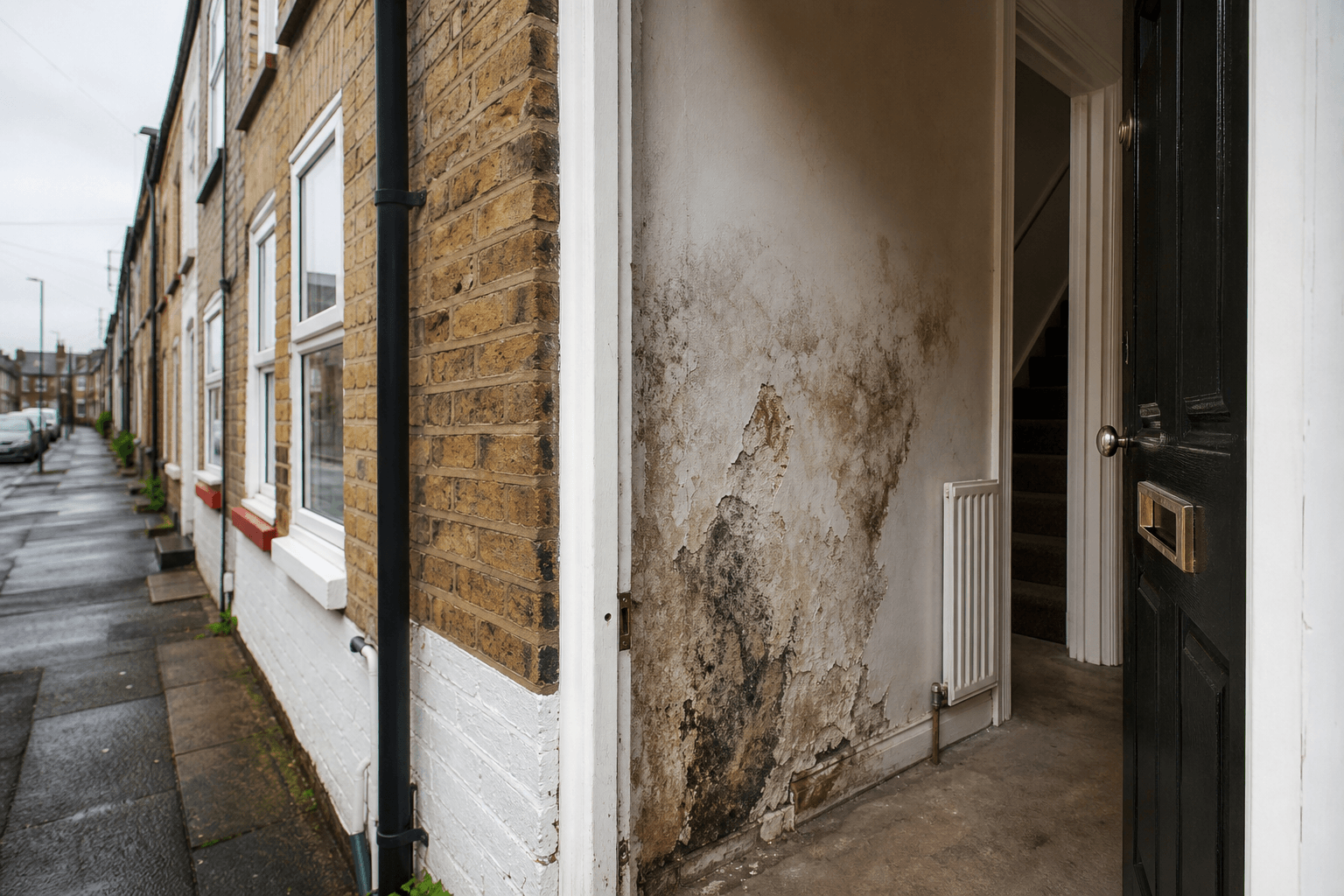
Remove mould safely, fix the cause (condensation, rising or penetrating damp), and learn what Awaab's Law means for UK homes in 2026.
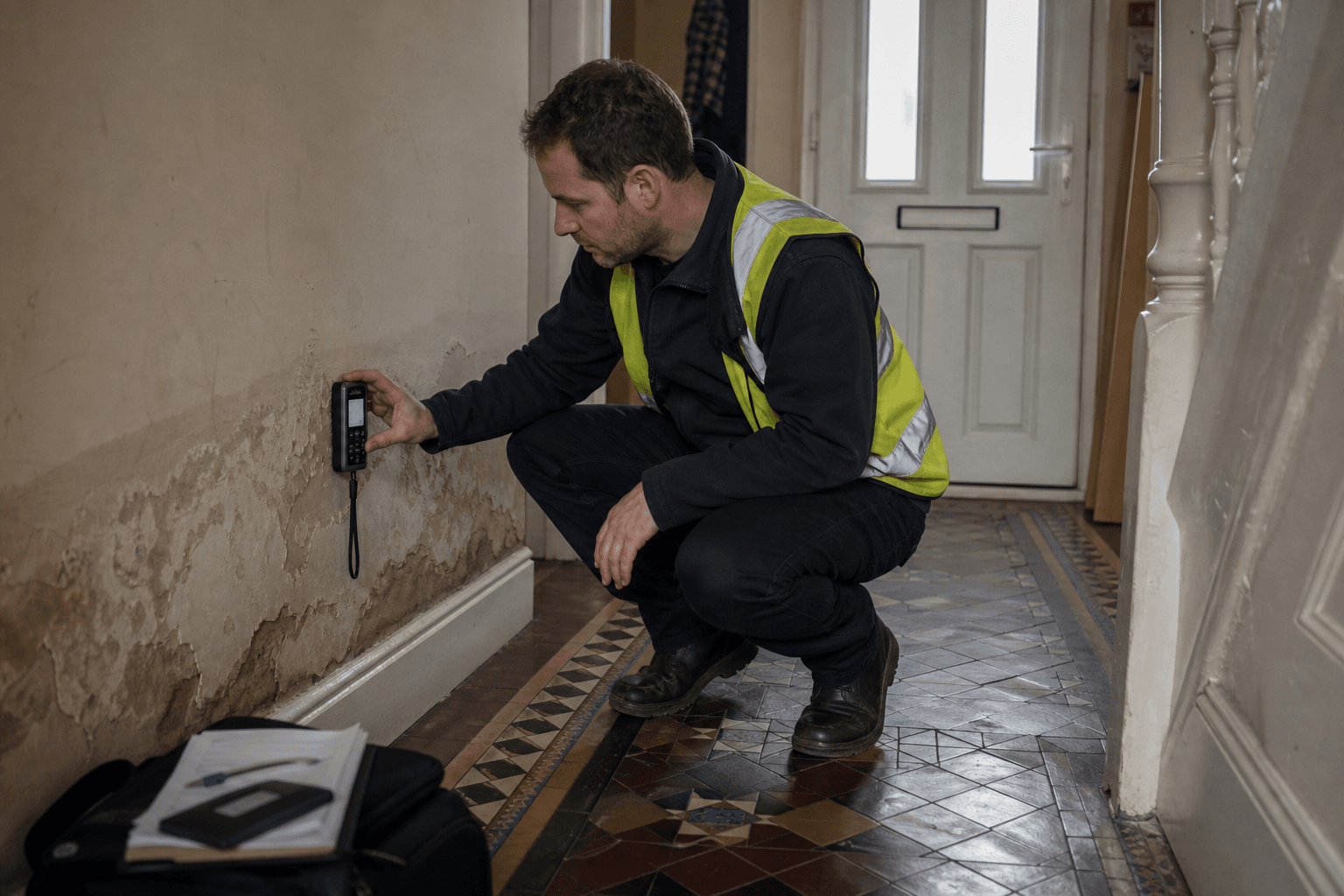
Finding a damp surveyor near me: 12 questions to ask, PCA credentials to verify, and red flags that mean walk away. UK 2026 hiring guide.

How much does drain unblocking cost in the UK in 2026? Plumber call-out rates, CCTV drain survey cost, jetting and rodding prices by region.
Latest in Handyman
View all in this category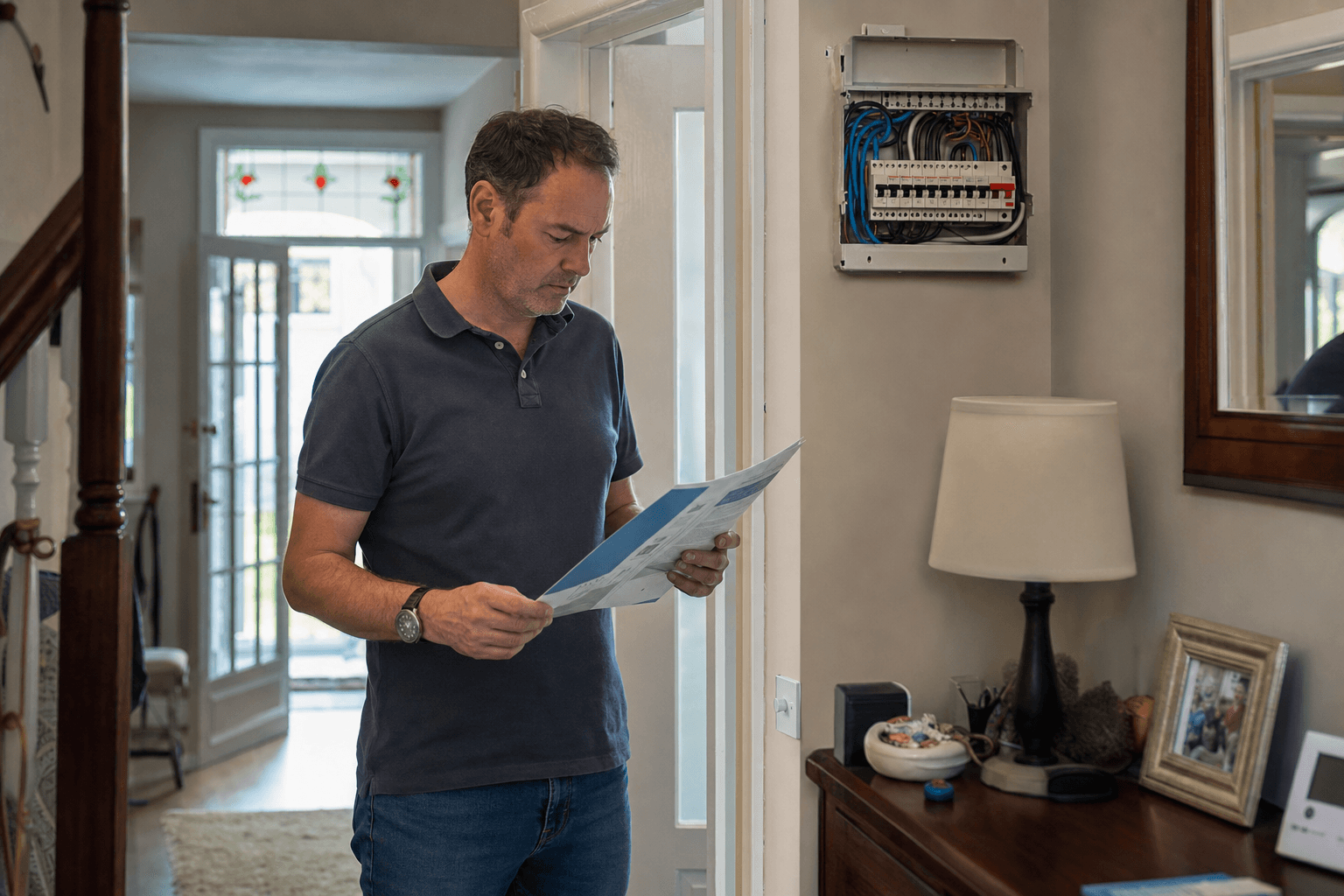
Part P notifiable electrical work in 2026: a room-by-room list of what you can legally DIY in a UK home and what needs an NICEIC electrician.
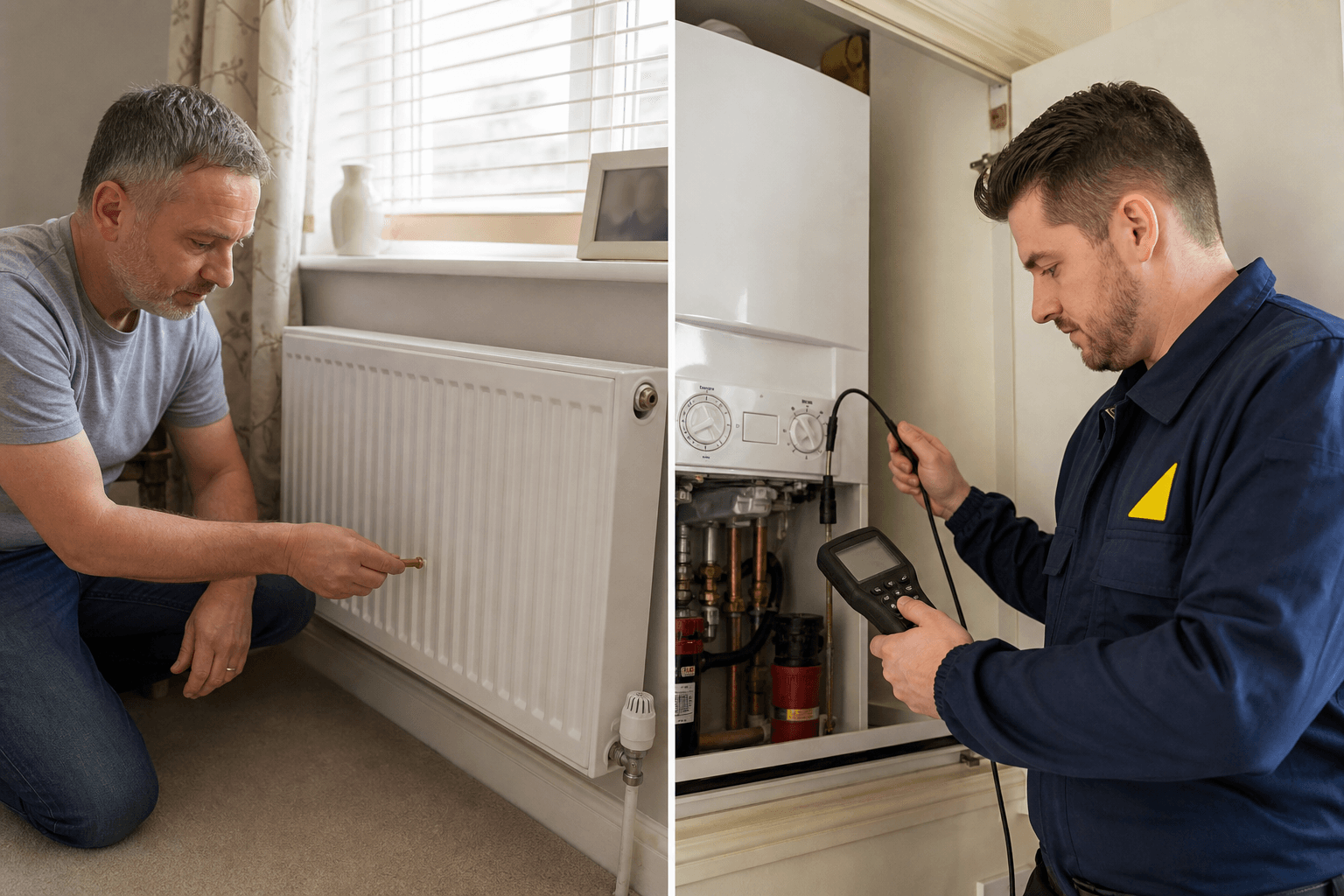
DIY gas work is a criminal offence in the UK. What's legal (bleeding, repressurising), what isn't, and when to call a Gas Safe engineer.
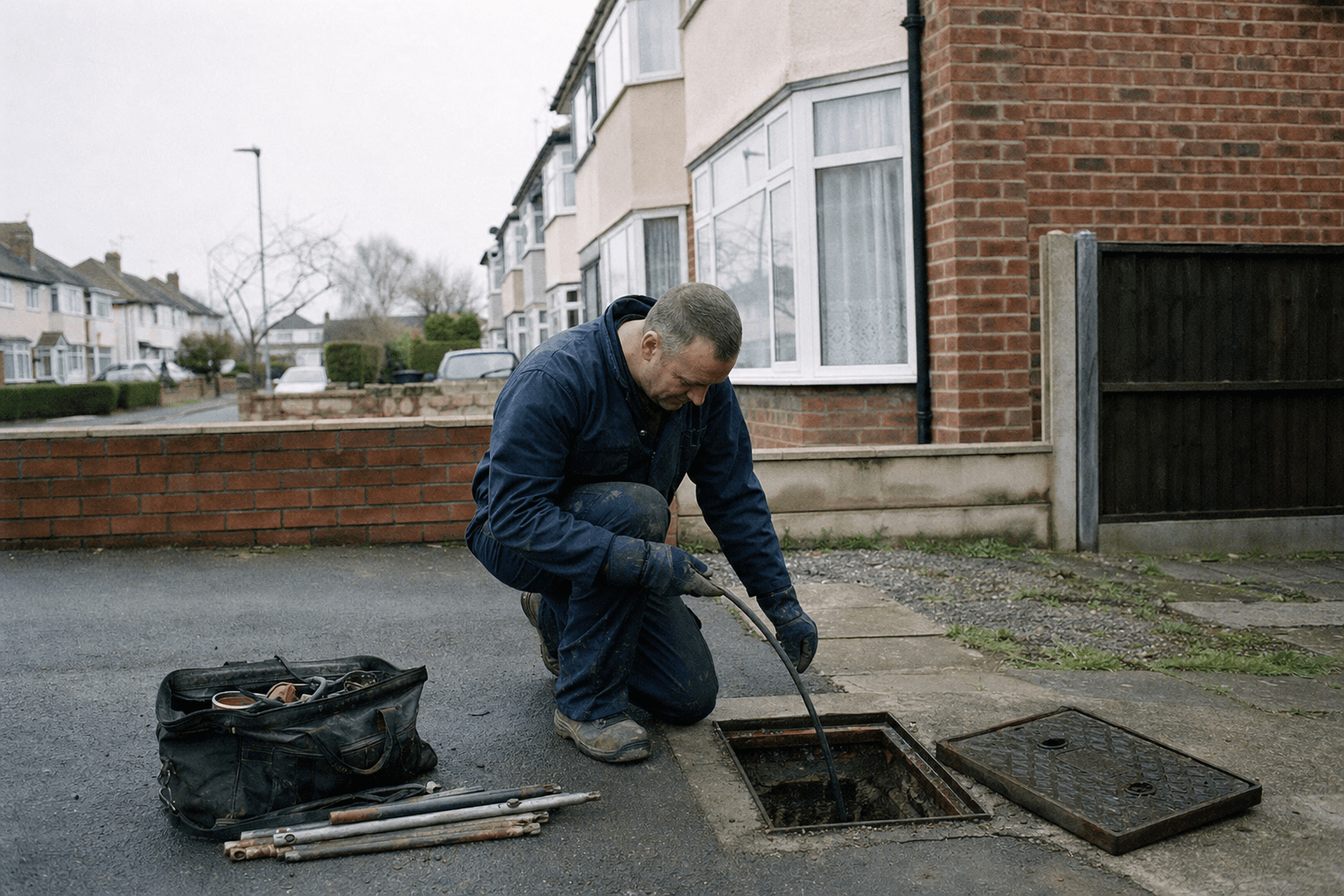
Hire a UK plumber for a blocked drain: 13 questions, who owns outside drains, and how to report a blockage to your water company. Get a fair quote.
Related services
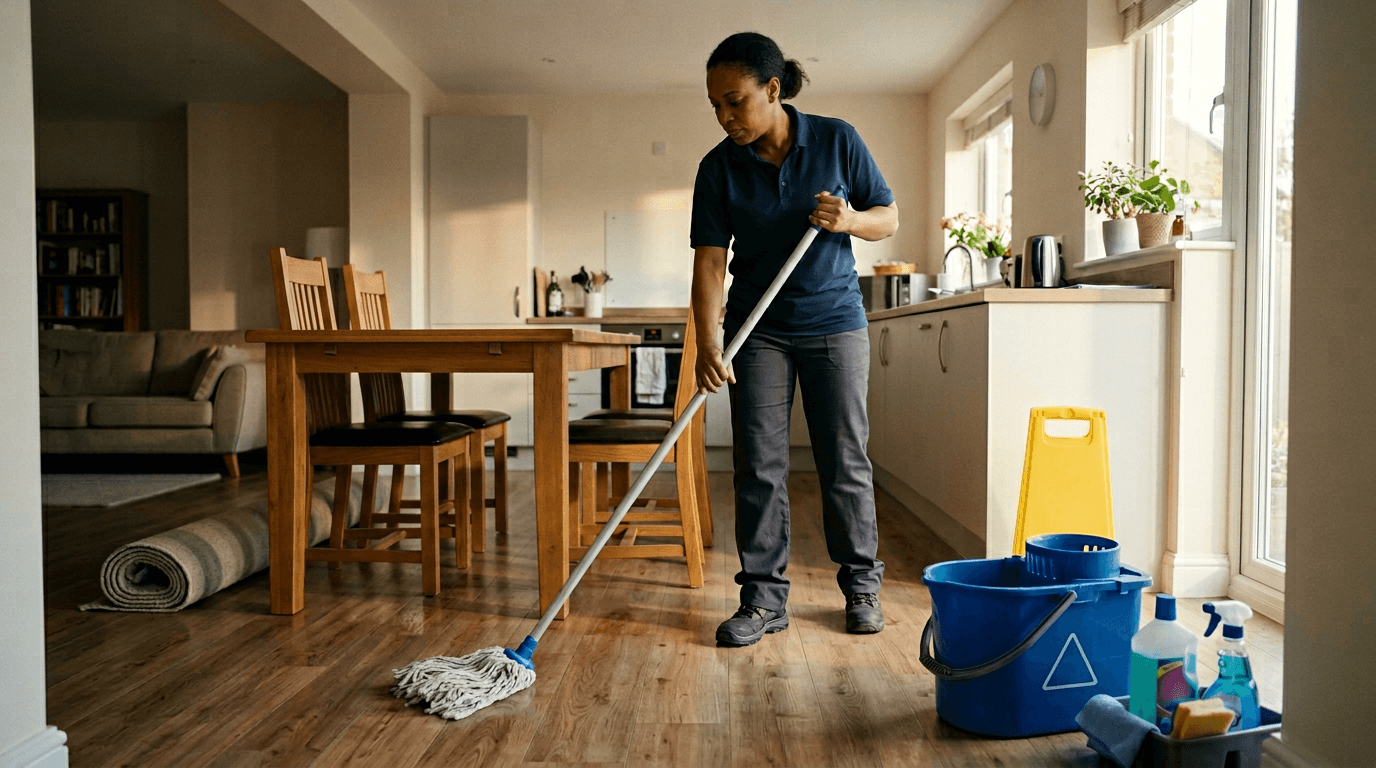
Professional deep cleaning for homes and flats across the UK. Taskino connects you with insured cleaners who tackle built-up dirt, grime and neglected areas for a fresher finish.
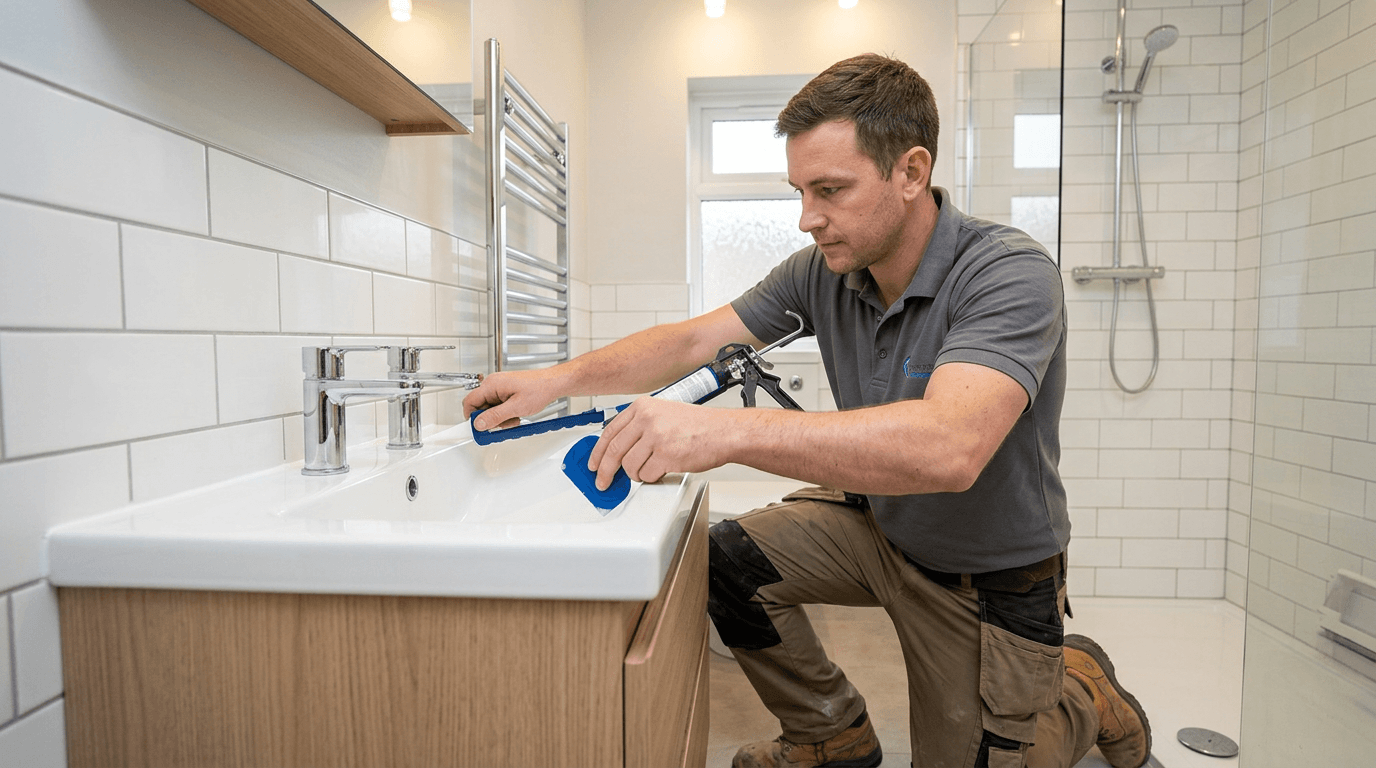
Neat, watertight silicone and sealing work for bathrooms, kitchens and windows across the UK. We strip failed joints, use the right sealant for each surface, and finish to a high standard. Contact us for a clear quote.
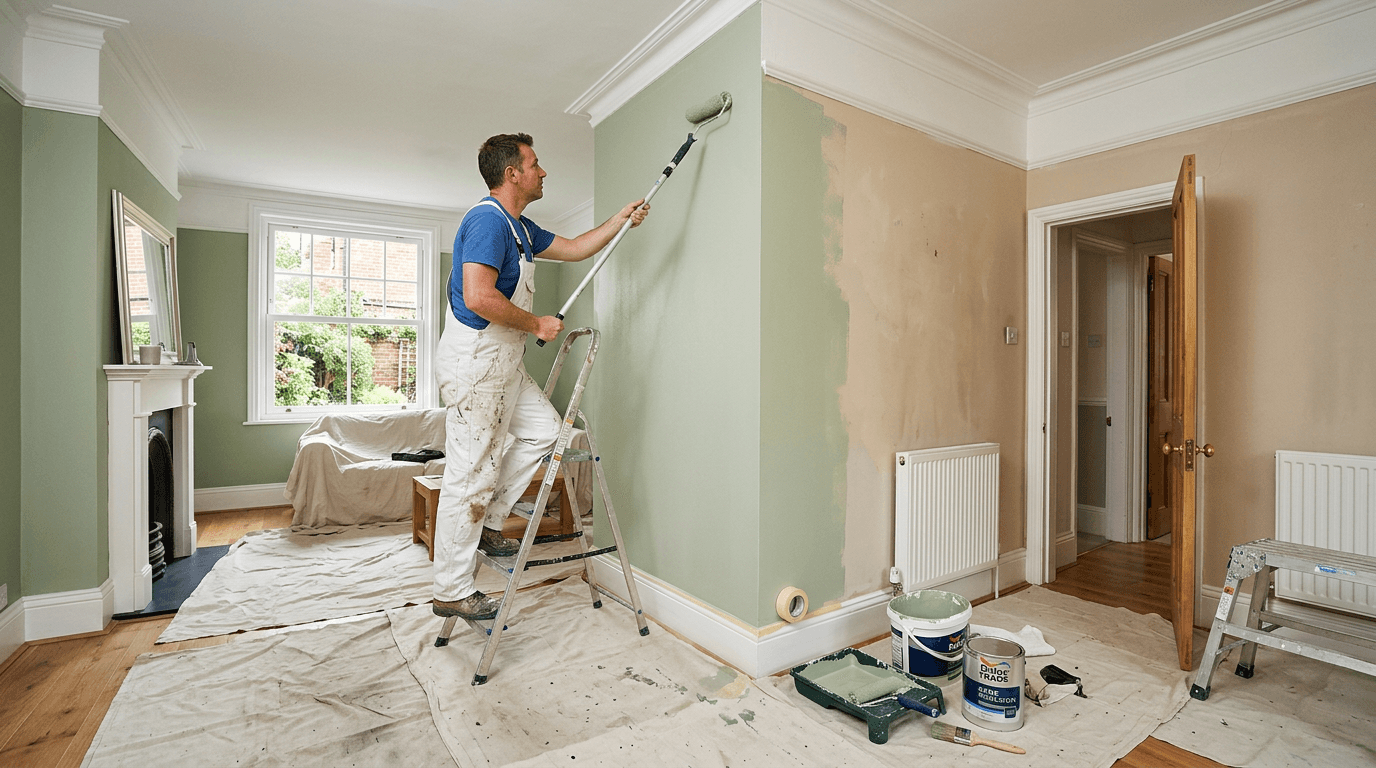
Professional Painting and Decorating for homes and businesses, with careful prep, tidy workmanship and clear quotes from trusted local specialists across the UK.
Ready to Book Your Service?
Tell us what you need and our team will help you find the right professional quickly, with clear pricing and no hidden fees.