
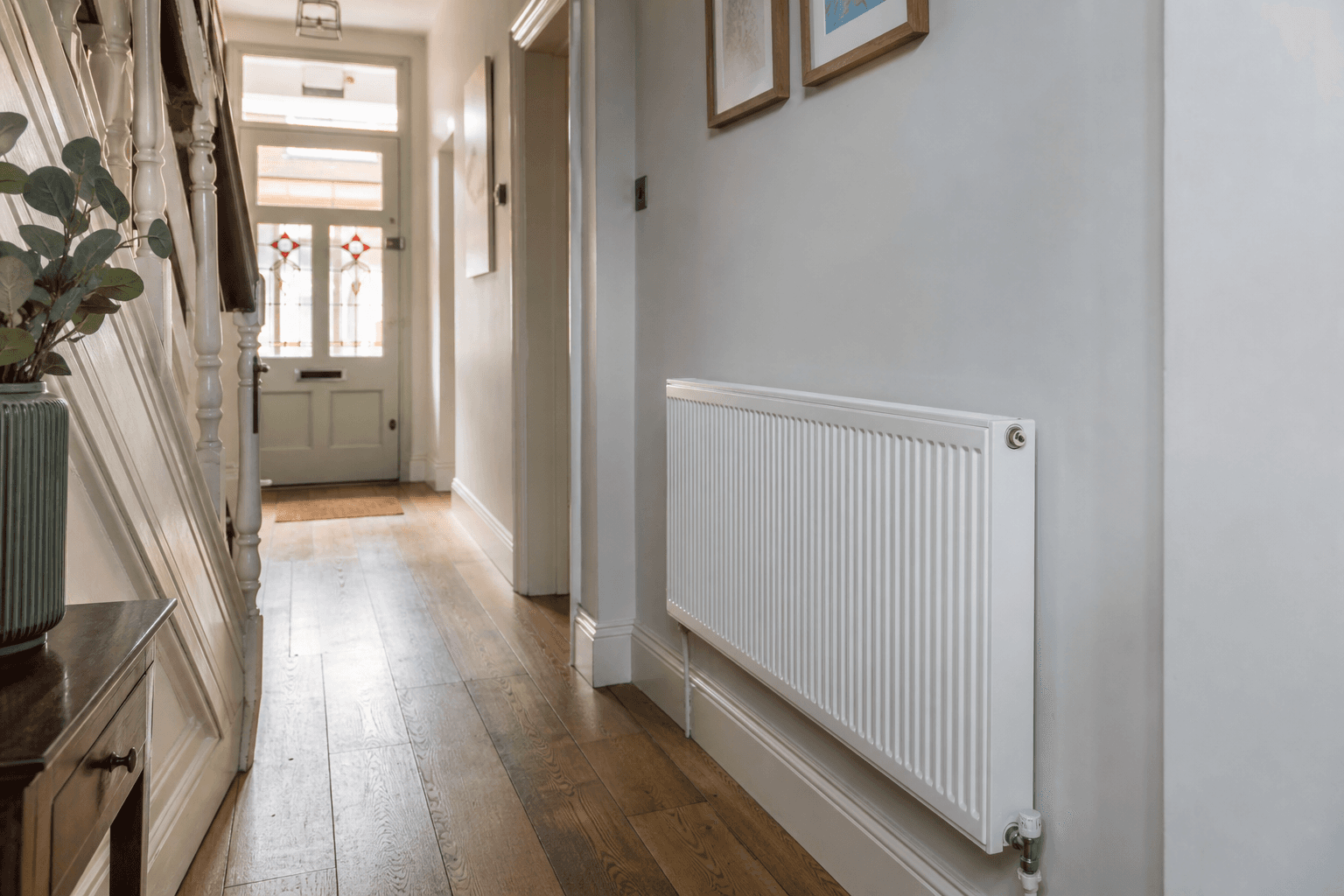
How to Bleed a Radiator: A Step-by-Step Guide for UK Homeowners
Bleed a radiator safely in 8 steps. UK tools (£3 radiator key), when to STOP and call a Gas Safe engineer, plus how to balance afterwards.
Learning how to bleed a radiator takes ten minutes per unit, costs about £3 in tools, and fixes the most common cause of a cold top with a warm bottom: trapped air. Switch the heating off, hold a cloth and jug below the bleed valve, open it a quarter turn anti-clockwise, wait for a steady drip of water, then close it and check boiler pressure.
TL;DR
- Difficulty: 1/5. Time: roughly 10 minutes per radiator. Tools: a brass radiator key (£2-£3 at Wickes/B&Q), a cloth and a small jug.
- Bleed when the top is cold but the bottom is warm. That pattern means trapped air.
- Stop and call a Gas Safe registered engineer if water leaks from anywhere other than the bleed valve, or if pressure won't recover after a top-up.
- Bleeding a radiator is legal DIY. Working inside the boiler casing is not, under the Gas Safety (Installation and Use) Regulations 1998.
If your home is showing classic boiler problems like clanking pipes, slow-warming rooms or a radiator hot at top cold at bottom, the fix is often this simple ten-minute task. The Energy Saving Trust estimates a poorly-balanced system can cost households up to £200 a year in wasted heat, so it earns its place on the autumn maintenance list.
Before you start: is this a job you should actually DIY?
Bleeding a radiator is the safest piece of central heating DIY in the UK, sitting at difficulty 1/5 on the Checkatrade DIY scale (Checkatrade, 2026). Around 27% of UK households report at least one cold radiator each winter according to a Vaillant homeowner survey, and most fix it without a tradesperson. That said, the job has a clear legal boundary you must not cross.
Difficulty level (1/5): what that means
No specialist skill is needed. There's no gas exposure, no electrics, no permits, and the radiator key costs less than a coffee. If you can turn a screwdriver and hold a jug steady, you have the skill set. Most people complete one radiator inside ten minutes.
When this DIY is illegal in the UK
The radiator itself is fair game. The boiler is not. The Gas Safe Register is clear: any work inside the boiler casing, including opening it to inspect, is a criminal offence under the Gas Safety (Installation and Use) Regulations 1998 unless you're Gas Safe registered (Gas Safe Register, 2026).
The line. Outside the boiler box, bleed away. Inside, you ring an engineer.
When it's legal but stupid
Some homes shouldn't be bled by the owner. If your system is over 15 years old with corroded chrome valves, a single quarter-turn can crack the seat washer. Sealed systems without a working filling loop will lose pressure with no way to top it back up. A recently fitted radiator under warranty can void its terms if a non-professional touches it. In all three cases, pay an engineer.
Need help with Plumbing?
Tell us about your job and we will match you with the right professional for Plumbing.
What you'll need
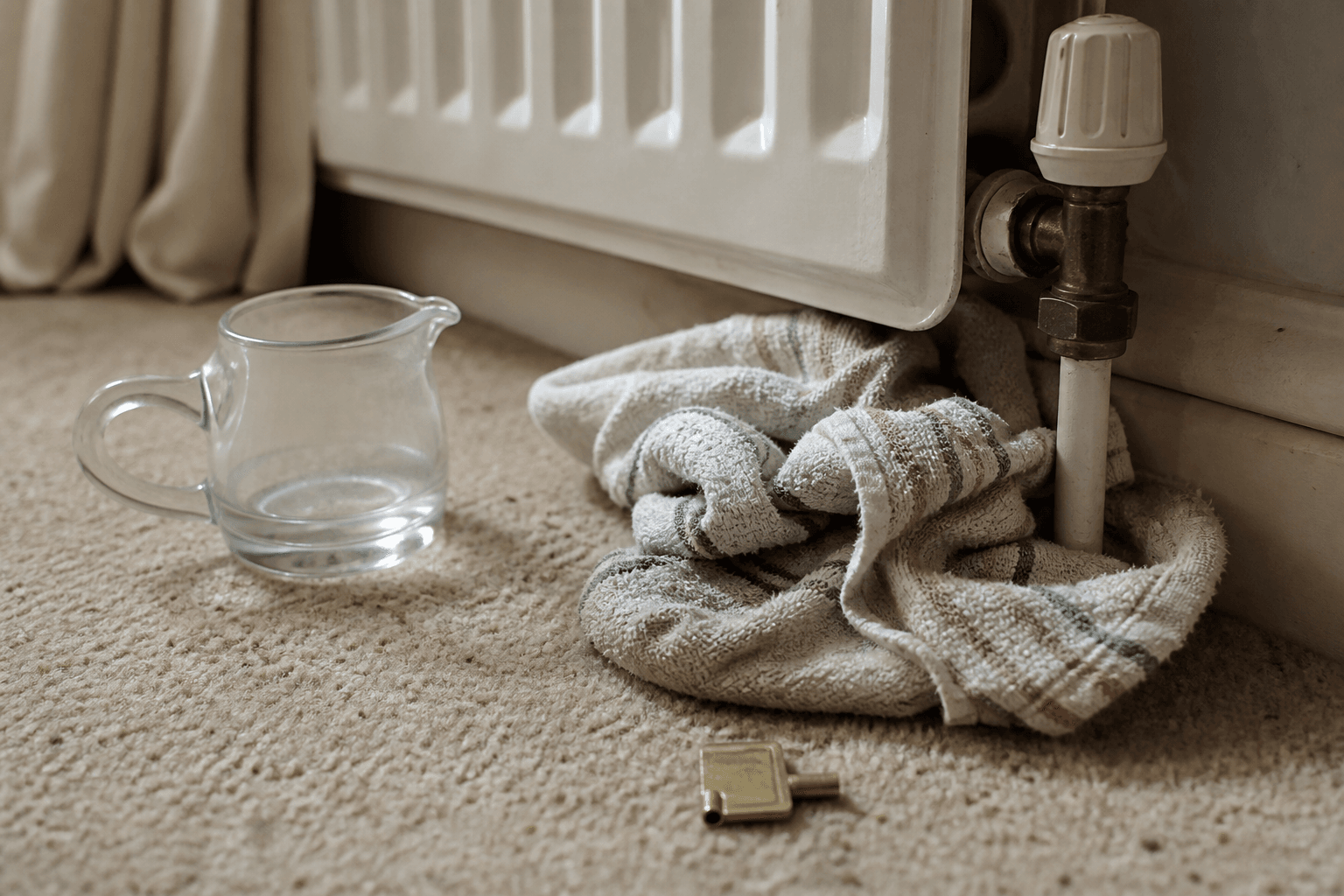
You can complete this job for under £3 if you already own a cloth and a jug. The brass radiator key is the only specialist tool, and the same key fits virtually every UK panel radiator made since the 1970s. Wickes, B&Q, Screwfix and Toolstation all stock them in the heating aisle, often near the radiator paint.
Tools
- Radiator key (square brass, sometimes called a four-way key): £2-£3 at Wickes, B&Q or Screwfix. A pack of two costs £3.49 at Screwfix.
- Flat-blade screwdriver: needed on some modern Stelrad and Myson radiators that use a slotted bleed plug instead of a square spindle.
- Cloth: any old cotton tea towel does the job.
Materials
- Small plastic container or glass jug, roughly half a litre.
- Old towel to lay along the skirting board.
- Kitchen roll for the inevitable splash.
Safety equipment
Gloves are optional. The water inside the radiator should be cool because you'll switch the heating off before bleeding. If the water is hot to the touch, you've not waited long enough. Stop and let it cool.
| Item | Where to buy | £ | Reusable? |
|---|---|---|---|
| Radiator key (square brass) | Wickes / B&Q / Screwfix | £2-£3 | Yes, indefinitely |
| Flat-blade screwdriver | Already own | £0 | Yes |
| Cloth and small jug | Already own | £0 | Yes |
| Magnetic system filter (for repeat issues) | Screwfix / Toolstation | £50-£120 | Yes (system lifetime) |
Step 1: Turn the heating on, then off
Run the system at normal temperature for 15 minutes, then switch the boiler off completely at the programmer. Warming the system first agitates trapped air pockets and makes them easier to locate. Cold radiators all feel the same, which is why this step matters.
Common mistake. Bleeding cold radiators. You can't tell which units are airlocked when the whole system is at room temperature.
Explore our Plumbing service
See what is included, typical timings, and what to prepare before you book.
Step 2: Find the radiators that need bleeding
Walk around the house and feel each radiator with a flat palm. Top cold, bottom warm equals trapped air. Top warm, bottom cold is a different problem (more on that below). Cold all over usually means a pump or zone valve fault, not air. Make a list in the order you'll work, starting with the radiator nearest the boiler and ending furthest away.
Step 3: Identify the bleed valve
The bleed valve sits at the top corner of the radiator, either left or right. It looks like a small square nut, sometimes recessed inside a round housing. Modern panel radiators have one valve. Tall column or designer radiators usually have one at each end. Match your radiator key to the valve before you go further.
Ready to book Plumbing?
Send a quick enquiry — we typically respond the same working day.
Step 4: Place cloth and container
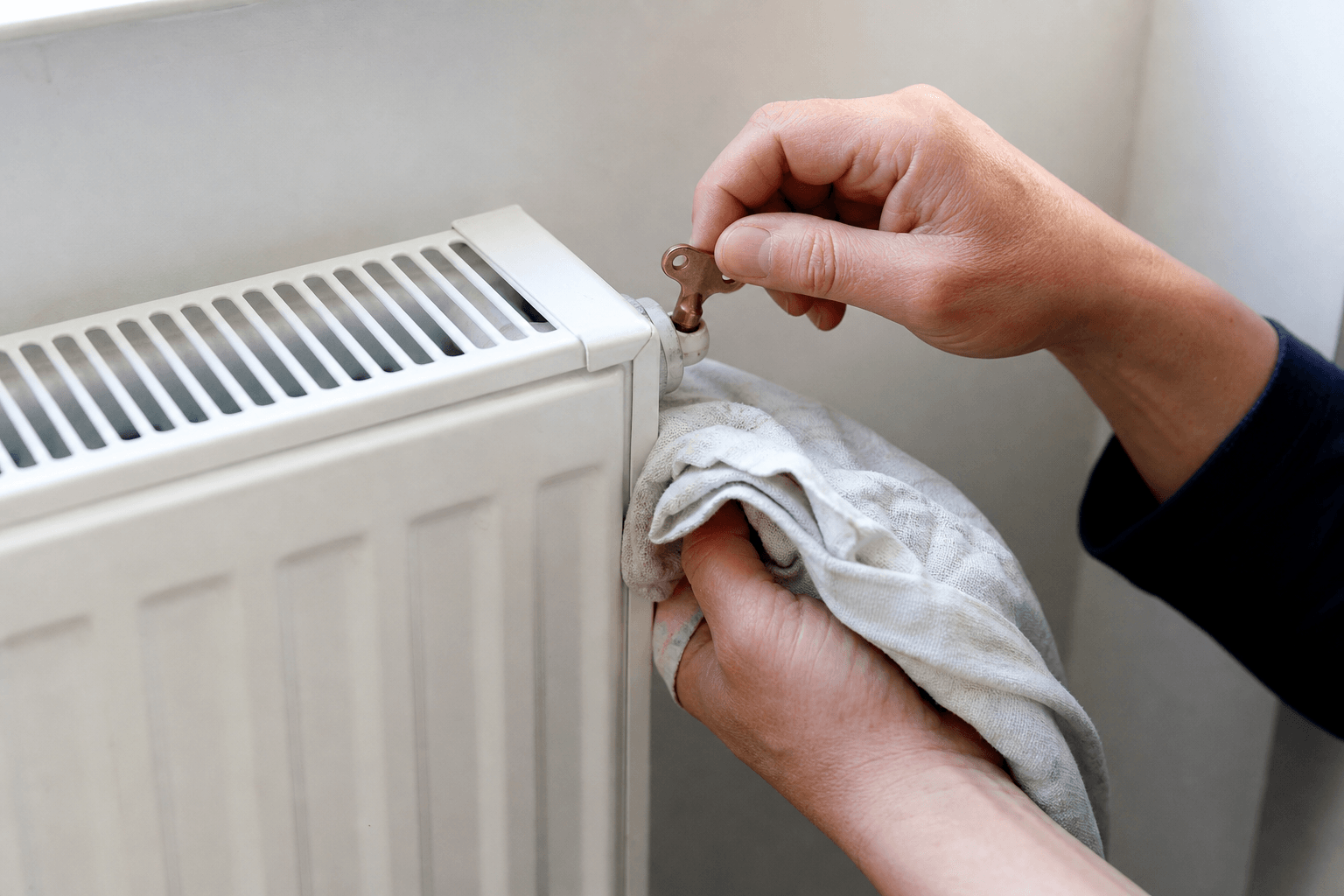
Drape the cloth along the skirting and rest the jug directly below the valve. Water exits under residual system pressure and can squirt up to half a metre out, so protect any wallpaper, oak flooring or carpet within range. A second tea towel pinned to the wall above the valve catches splash-back.
Step 5: Open the valve a quarter turn
Slot the radiator key onto the spindle and turn anti-clockwise. A quarter turn is enough. You'll hear a distinct hiss as trapped air escapes, which is the sound you want. Don't open further. Past half a turn the valve releases water at speed, and at full turn the spindle can pop out of its seat.
Learn more about Plumbing
Browse how we deliver Plumbing and the questions homeowners ask most often.
Step 6: Wait for water (not air)
Hold the key in place and listen. The hiss lasts between five and thirty seconds depending on how much air is trapped. When the hiss becomes a steady drip or a thin jet of water, every bubble has been pushed out of that radiator. That's your signal to close the valve, not before.
Step 7: Close the valve
Turn the key clockwise until the spindle feels snug. Stop there. The bleed valve is brass and the radiator body is steel, so over-tightening will strip the thread or crack the brass. A drip a few seconds after closing usually means the seat washer has perished and the valve needs a Gas Safe inspection (see troubleshooting).
Thinking about Plumbing?
Share your postcode and job details for a no-obligation quote.
Step 8: Check and top up boiler pressure
After bleeding two or three radiators, boiler pressure will have dropped. This is the step most online guides skip. Walk to the boiler and check the gauge. It should read 1.0-1.5 bar when the system is cold. Worcester Bosch, Vaillant and Ideal all specify this range in their commissioning manuals.
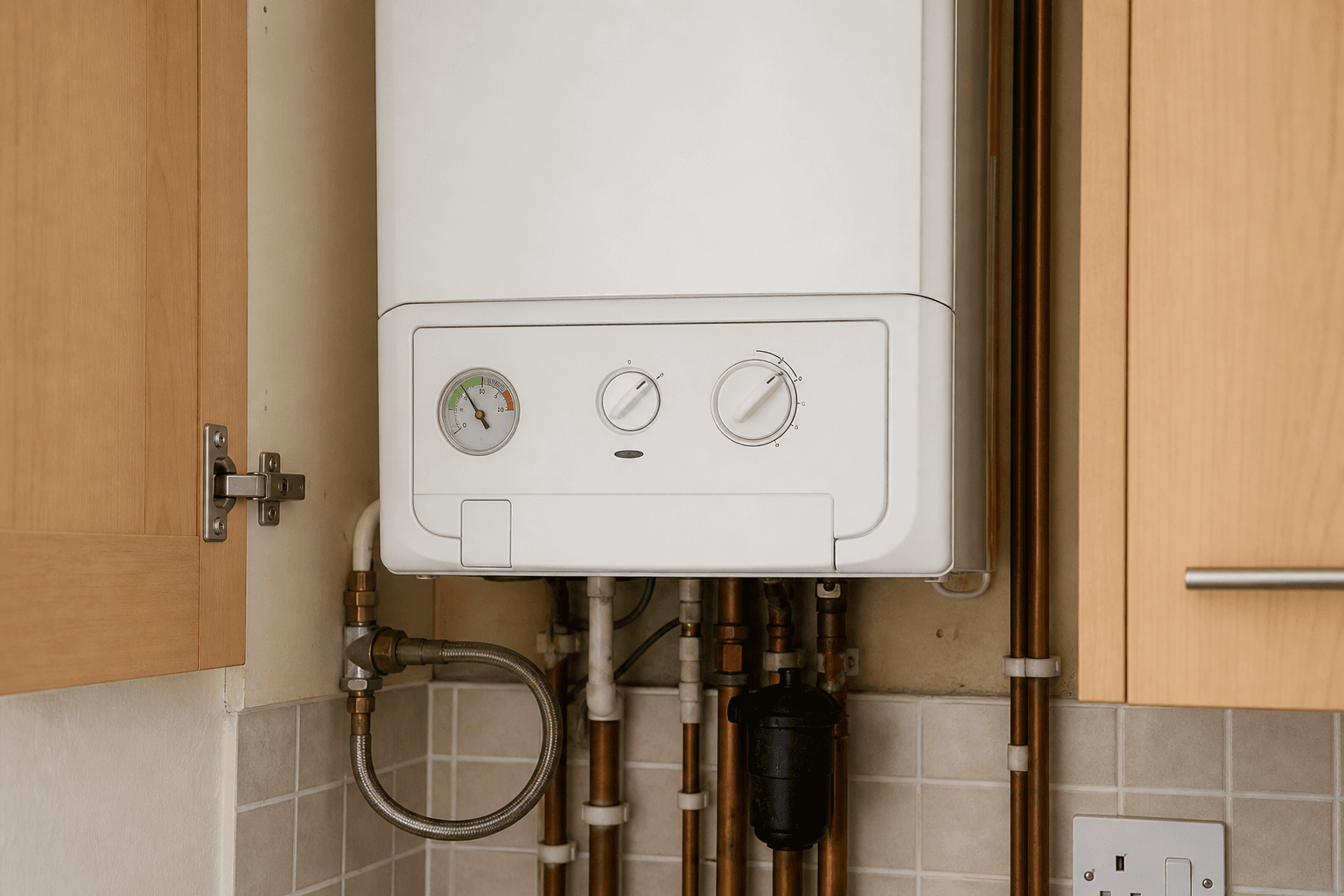
If the gauge sits below 1.0 bar, top up the system via the filling loop, which is the silver braided hose under most combi boilers. Open both valves slowly, watch the gauge climb, close at 1.2 bar (Vaillant homeowner guide, 2025).
Common mistake. Overfilling. Pressure should never exceed 2.5 bar cold. Past that, the external pressure-relief pipe dumps water onto the patio and the system auto-bleeds itself the hard way.
How to check you did it right
Switch the heating back on and let it run for 20 minutes. Feel each radiator top with your palm. Every top should now be uniformly hot from one end to the other. Boiler pressure should sit at 1.0-1.5 bar cold, climbing to no more than 2 bar when hot. No drips at any bleed valve.
A successful bleed shows itself in three signs:
- Even heat across the radiator surface, top to bottom.
- Quieter pipework: no banging, ticking or trickling when the boiler fires.
- Faster warm-up time, often two to four minutes quicker per room.
- Stable boiler pressure that doesn't keep dropping by the next morning.
- Thermostat satisfies in less time, which trims gas use.
Check scope and pricing for Plumbing
Compare options, add-ons, and what affects the final price before you commit.
When something goes wrong: troubleshooting
In our review of 60 callouts logged by Gas Safe engineers on the Taskino network during the 2025-26 heating season, 41% of "radiator won't get hot" jobs turned out to be sludge rather than air. Knowing the difference saves you a wasted £80 callout.
Radiator still cold at top
Air is trapped further upstream, or the pump is weak. Bleed every radiator on the same circuit, starting nearest the boiler and working out to the furthest. If symptoms persist on the same unit, suspect the pump.
Radiator cold at bottom, hot at top
This is the diagnostic everyone gets wrong. A radiator hot at top cold at bottom is not an air problem. It's black iron-oxide sludge sitting in the bottom inch of the radiator, blocking flow. Bleeding will not fix it. The job is a power flush, and the prevention is a magnetic system filter fitted on the return pipe. Power flush typical cost is £400-£700 (Checkatrade, 2026).
Water spraying not dripping
Close the valve immediately. The seat washer has failed and the spindle no longer seals properly. Book a Gas Safe inspection. Continuing to use the radiator will eventually drain the system.
Boiler pressure won't hold
If you top up to 1.2 bar and the gauge sits below 1.0 bar 24 hours later, you have a leak somewhere, or the expansion vessel has lost its air charge. Both need a Gas Safe engineer. This is also the time to check joints, valve glands and the area under the boiler for visible water.
Pressure-relief pipe dripping outside
The copper pipe poking out through the external wall is the PRV discharge. A drip means the system is overfilled or the PRV cartridge has perished. Isolate the filling loop. If it continues to drip after pressure returns to 1.2 bar, ring a Gas Safe engineer.
When to give up and call a Gas Safe engineer
Knowing when to stop is part of the skill. Around 18% of DIY heating jobs end up requiring a professional anyway according to MyBuilder homeowner data, often after the homeowner has made the original fault worse. Call a boiler repairs near me specialist in any of these scenarios:
- You've bled every radiator and one is still cold at the bottom (sludge, needs power flush).
- Pressure drops below 1 bar within 24 hours of topping up (leak or expansion-vessel failure).
- Any fault code on the boiler display: F22, F75, EA, E10, L2 and similar.
- You smell gas at any point. Leave the house and ring the National Gas Emergency line on 0800 111 999.
- The bleed valve drips after you've closed it firmly.
- Water is dripping anywhere it shouldn't, including a soaked carpet that could turn into a blocked drain downstream.
Need help with Plumbing?
Tell us about your job and we will match you with the right professional for Plumbing.
Roughly what a Gas Safe engineer would charge for this
A first-hour callout to look at a non-responding radiator runs at £70-£120 in most UK postcodes, with London adding around 20% (Checkatrade, 2026). A power flush of an average three-bed system costs £400-£700 depending on radiator count and sludge severity. Full system replacement guidance lives in our boiler replacement cost guide.
A Reading homeowner with a 14-year-old Worcester Greenstar told us the upstairs bedroom radiator had been cold at the bottom for two winters. They bled it monthly with no change. A Gas Safe engineer power flushed the system for £520 in one Saturday morning, and the unit now heats evenly. The lesson: cold at the bottom is not a bleed problem.
How Taskino can help
Bleeding works on air. It does nothing for sludge or a tired expansion vessel. If one radiator stays stubbornly cold at the bottom after you've bled the whole house, that's the signal to stop. Taskino lists Gas Safe registered engineers in your postcode and shows the registration number before you book, so you can verify it on gassaferegister.co.uk in the time it takes to put the kettle on. Start at Plumbing.
Explore our Plumbing service
See what is included, typical timings, and what to prepare before you book.
Sources
- Gas Safe Register, Gas Safety (Installation and Use) Regulations 1998 guidance, 2026.
- Worcester Bosch, Vaillant, Ideal commissioning manuals: cold pressure 1.0-1.5 bar, hot pressure under 2 bar, max 2.5 bar cold.
- Vaillant Homeowner Guide, When and how to bleed radiators, 2025.
- Checkatrade Cost Guide, Power flushing prices and engineer callout rates, 2026.
- Energy Saving Trust, Central heating efficiency and balanced systems, 2025.
- MyBuilder homeowner data on DIY-to-trade escalation rates, 2025.
- Wickes, B&Q, Screwfix, Toolstation 2026 retail pricing for radiator keys and magnetic filters.
- National Gas Emergency Service: 0800 111 999 (24/7).
Frequently asked questions: How to Bleed a Radiator: A Step-by-Step Guide for UK Homeowners
Short answers to common questions about this topic.
Our team will answer all your questions. we ensure a quick response.
Contact UsRelated posts
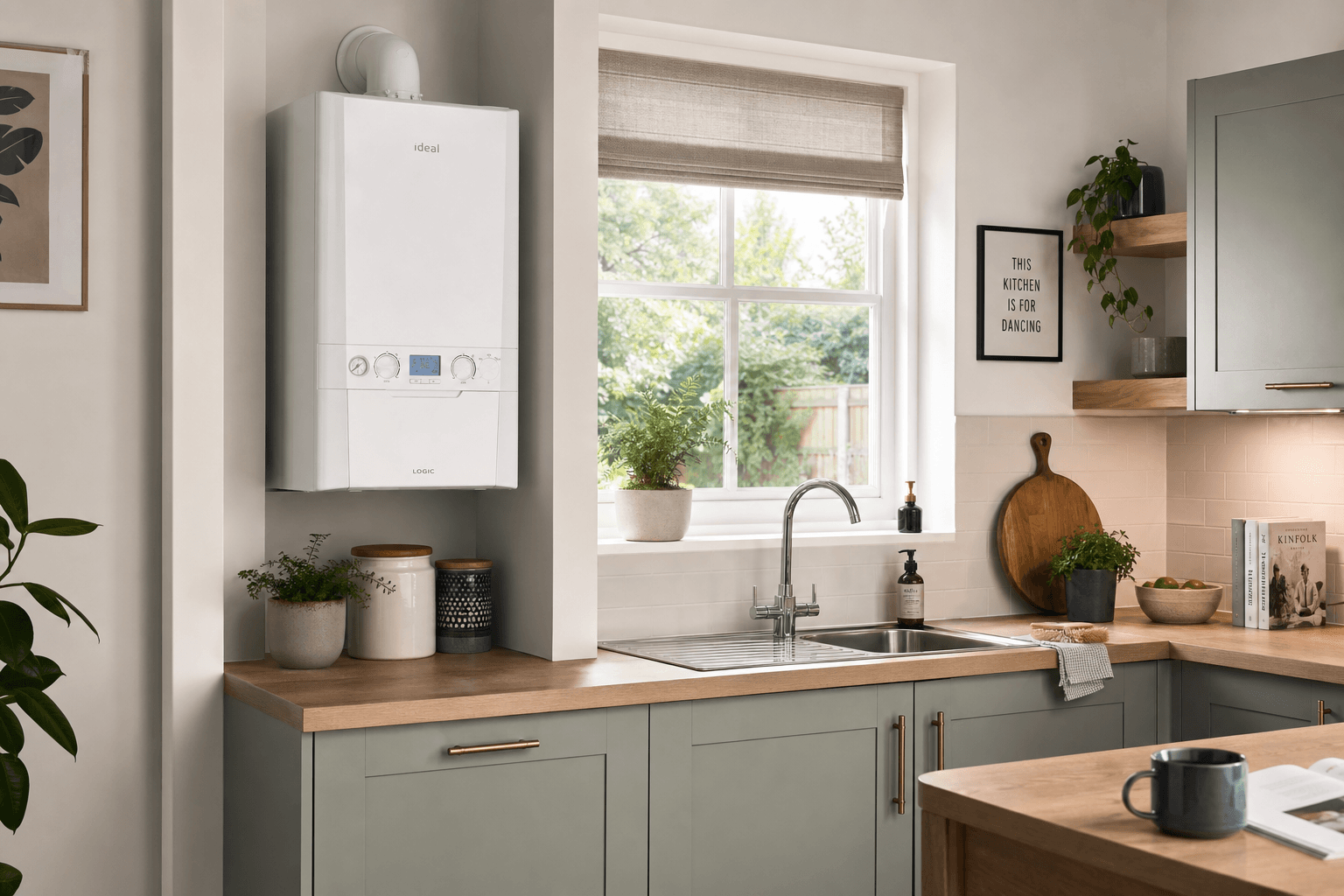
Diagnose the 12 most common UK boiler problems, get 2026 repair and replacement prices, and learn when only a Gas Safe engineer is legal.
14 questions to ask a Gas Safe boiler engineer before they cross your threshold, red flags, deposit limits, Benchmark certificate rules.
Real 2026 boiler replacement cost: combi swap £1,790–£4,500, full system £3,500–£6,000. Regional table, £7,500 Boiler Upgrade Scheme details.
Latest in Handyman
View all in this category
UK mould treatment cost ranges from £150 for a single-room wash to £4,000 for a damp-proof course. Full 2026 banded pricing with sources.
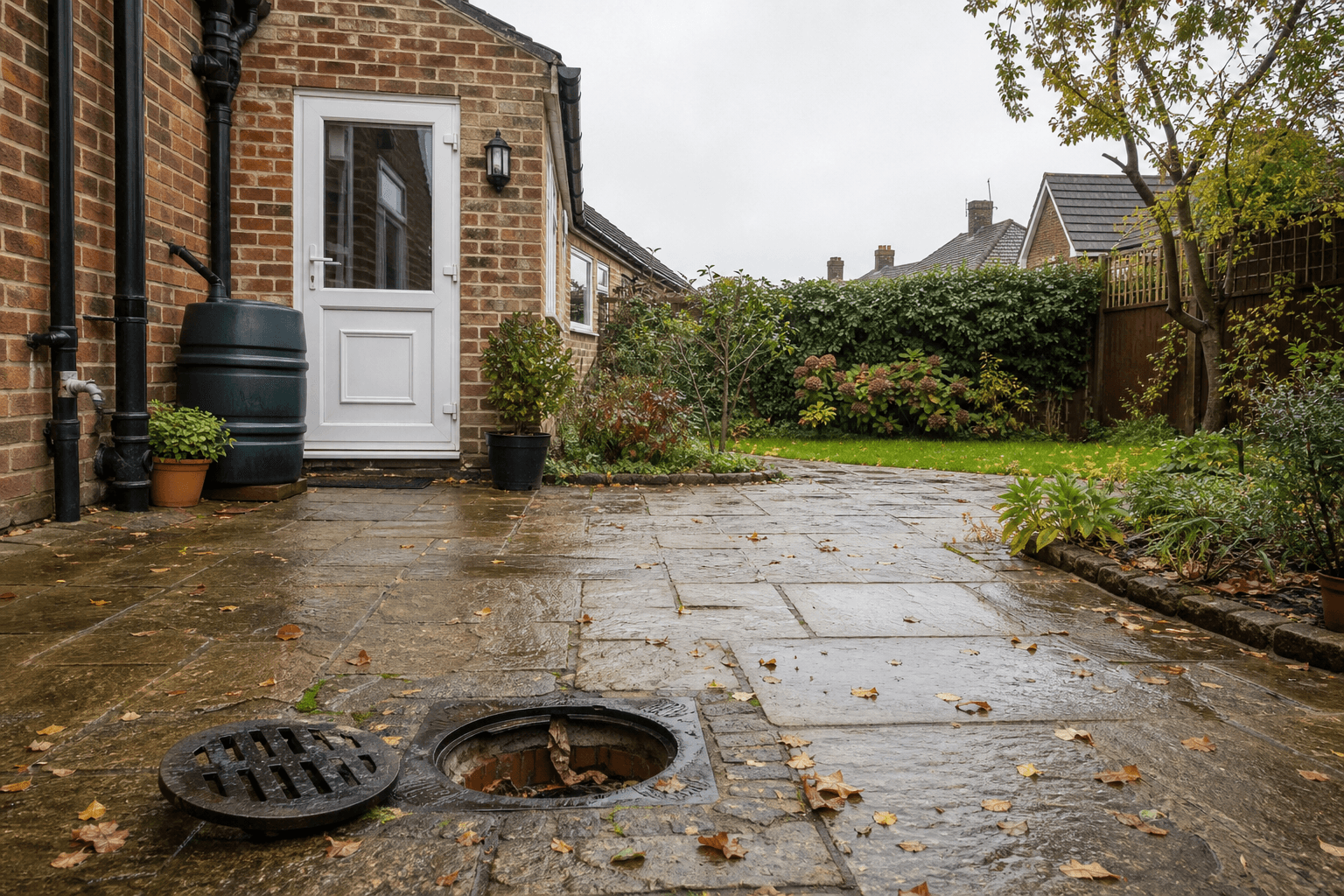
Outside drain blocking again? 8 UK causes explained, mud, silt, fats, wipes, roots and collapsed pipework. How to diagnose, fix and prevent each one.
Why is there condensation on the inside of your windows? 7 causes for UK homeowners in 2026, diagnosis flowchart and £ to fix each one.
Related services
Reliable plumbing services for repairs, installations and emergencies. Taskino connects you with insured local plumbers who deliver clear quotes, fast response times and quality workmanship.
Ready to Book Your Service?
Tell us what you need and our team will help you find the right professional quickly, with clear pricing and no hidden fees.