
12 Deep Cleaning Mistakes That Cost UK Homeowners £1,200 a Year
How to clean away black mold (and 11 other deep-clean mistakes) costing UK homeowners up to £1,200 a year, including the bleach+vinegar trap.
Most UK homeowners lose roughly £1,200 a year to avoidable cleaning errors, from ruined laminate to A&E visits after mixing bleach with vinegar. This guide covers how to clean away black mold safely and the 11 other deep-clean mistakes that quietly drain bathroom grout, washing machine seals, hardwood floors and dishwasher motors. Every fix is cheap. Every mistake is preventable.
TL;DR
- Most expensive mistake: replacing damaged flooring after using the wrong mop water. Laminate swelling alone runs £500–£1,500 to replace in a typical UK kitchen (Checkatrade, 2025).
- Most common mistake: mixing bleach with vinegar or limescale remover. It releases chlorine gas (HSE COSHH 2002) and is the single biggest reason for A&E cleaning-product calls.
- Quick win: one product per surface, ventilate, damp mop never dripping, and never bleach grout more than once a quarter.
- Best safety kit: nitrile gloves and an FFP2 mask, around £8 from Screwfix.
Why most deep cleans go wrong
UK households spend an average of £1,200 a year fixing cleaning mistakes, according to a 2025 Checkatrade homeowner survey. The big driver is what cleaners call the "I read it on TikTok" problem. UK homes have very specific materials, Victorian grout, painted MDF, sash windows, dual-fuel hobs, and US-centric viral tips break them faster than dirt ever did.
A proper deep cleaning approach reads the surface first, then picks the product. Bleach on grout, caustic on aluminium, and steam on oak each cost real money. The mistakes below are ordered from most dangerous to most annoying.
In our experience placing cleaners across British homes, eight out of ten "ruined finish" call-outs trace back to a single wrong product, not a lazy clean.
Need help with Deep cleaning?
Tell us about your job and we will match you with the right professional for Deep cleaning.
Mistake #1: Mixing bleach with vinegar (or limescale remover, or ammonia)
Mixing household bleach with any acid releases chlorine gas, the same gas the HSE COSHH 2002 regulations list as a Workplace Exposure Limit hazard. The National Poisons Information Service handles thousands of these calls each year, and cleaning-product exposure is a top-three category.
What it looks like
The Mumsnet and TikTok "hack": a squirt of bleach, a glug of white vinegar, and a promise of sparkling grout. It works until you cough.
Why people do it
Assumed power boost. Labels rarely flag the gas risk in plain English, and old "tougher together" thinking dies hard.
What it actually costs
£0 if you're lucky. An A&E visit and a day of lost income (around £200 on the UK median wage) if you're not.
How to avoid it
One product per surface. Ventilate the room. Never decant into a reused spray bottle that held something else.
Callout. If you've mixed them already, leave the room, open windows, and ring NHS 111. Don't go back in for at least 20 minutes.
Mistake #2: Bleaching black mould without sealing the cause
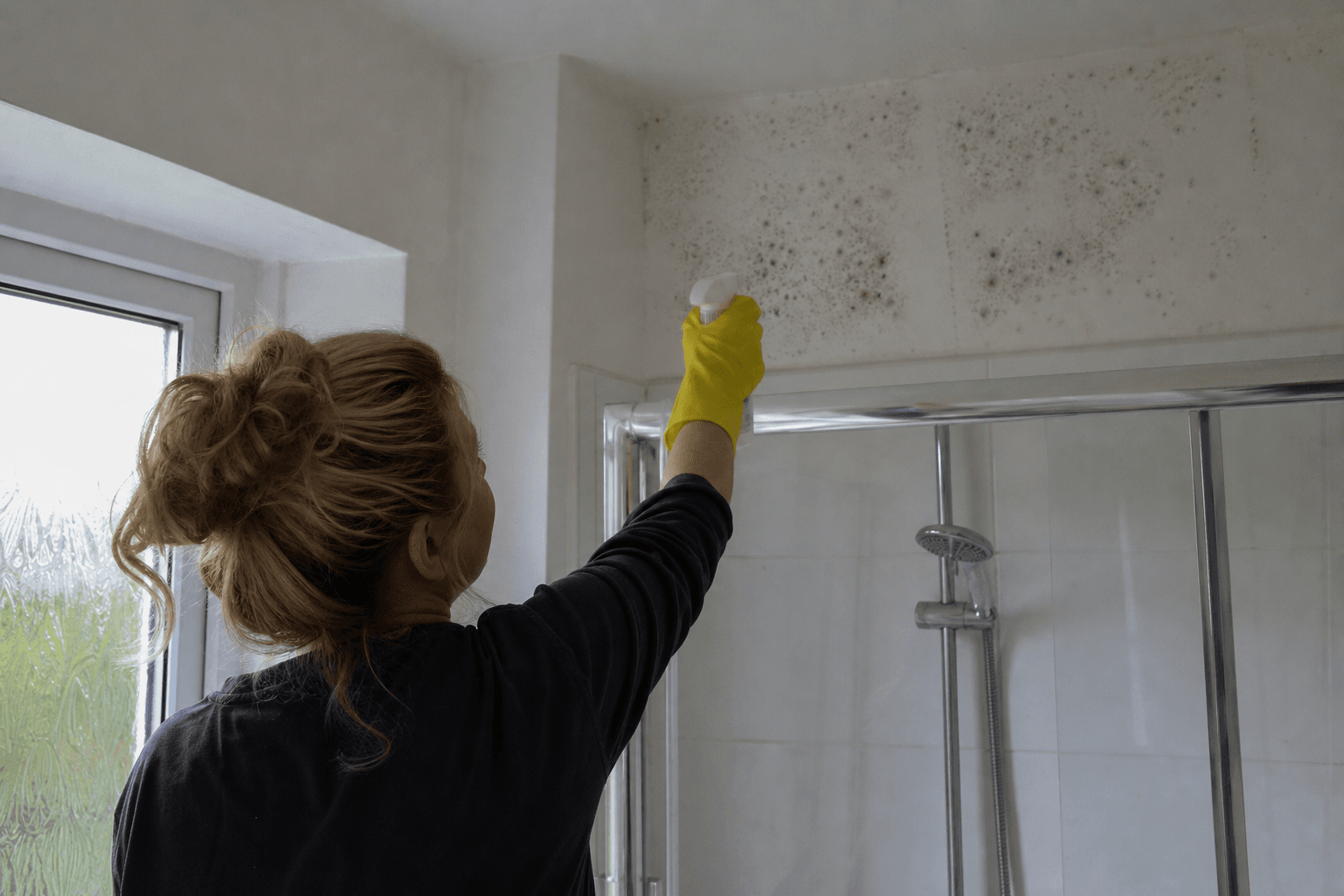
The Housing Ombudsman's 2024 Spotlight on Damp and Mould report found 70% of mould complaints came back within a year when the moisture source wasn't fixed. So how to clean away black mold properly? Kill the spores, then kill the cause.
What it looks like
A spray bottle of cheap thin bleach aimed at the bathroom ceiling once a fortnight.
Why people do it
It disappears, briefly. Bleach lifts the colour but leaves the hyphae behind.
What it actually costs
£200–£800 for proper mould remediation when it returns (Checkatrade, 2025), plus possible plaster work.
How to avoid it
Use a proper fungicidal product like HG Mould Spray or Astonish Mould & Mildew Blaster from B&Q or Wilko. Then fix the airflow: extractor running 20 minutes after every shower, trickle vents open. For deeper guidance on how to remove mould at the root, see our bathroom damp guide. Cleaning mould off walls without fixing condensation is rinse-and-repeat money.
[CITATION CAPSULE] Bleaching mould without sealing the moisture source is the most expensive cosmetic fix in UK cleaning. Checkatrade's 2025 cost guide puts remediation at £200–£800, and the Housing Ombudsman reports 70% recurrence within 12 months when the cause is untouched.
Explore our Deep cleaning service
See what is included, typical timings, and what to prepare before you book.
Mistake #3: Soaking laminate floors
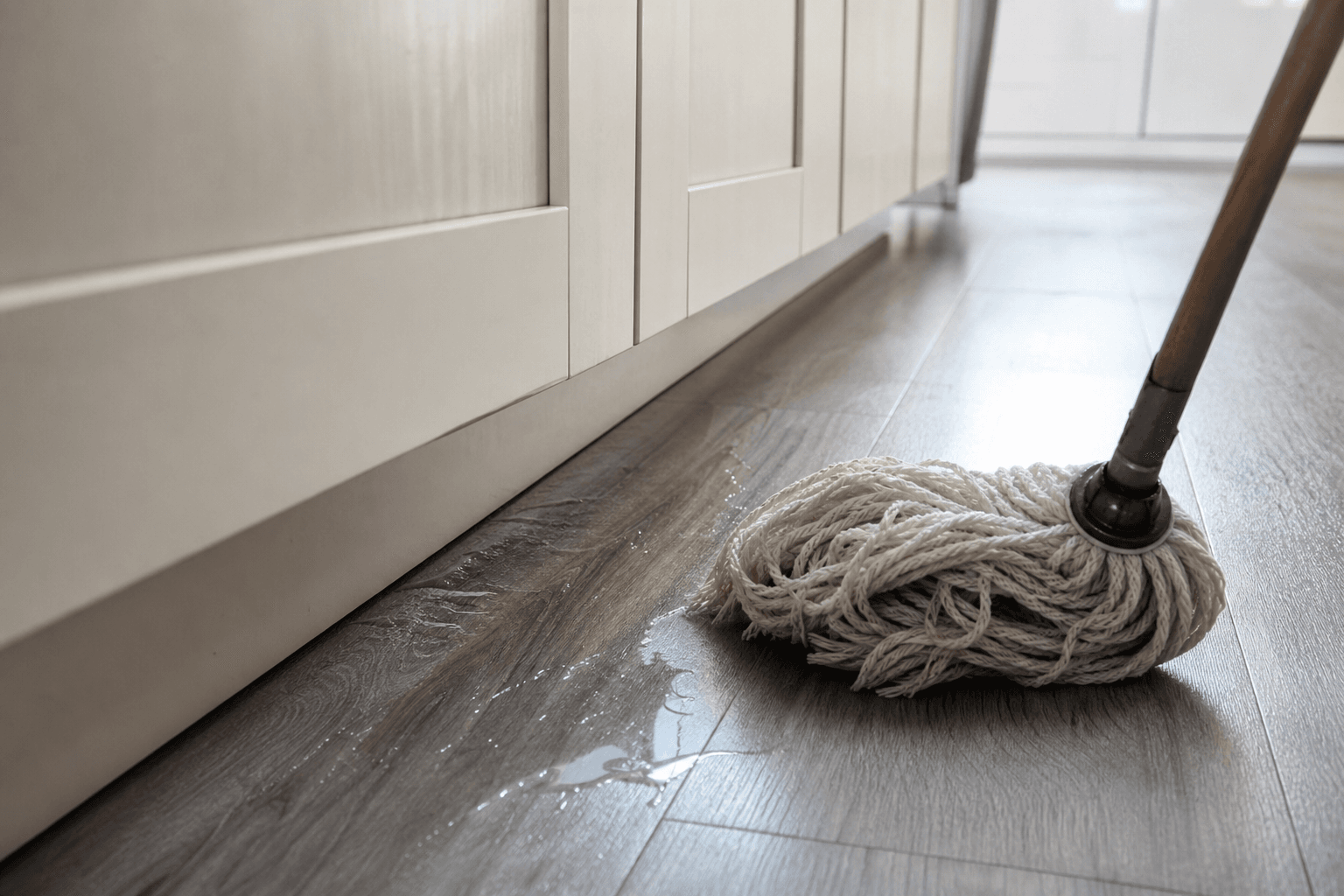
Laminate flooring fails at the joins, not the surface. B&Q lists replacement laminate at £15–£40/m², and Checkatrade puts fitting at £8–£15/m², so a typical 15m² UK kitchen redo lands between £500 and £1,500.
What it looks like
A mop dripping wet from the bucket, water pooling along the skirting.
Why people do it
Old habits from solid timber, plus the belief that "more water = cleaner".
What it actually costs
£500–£1,500 to replace 15m² of swollen laminate, before you price in the morning off work to let the fitter in.
How to avoid it
Damp microfibre flat mop. Never spray water directly onto the join lines. A Vileda UltraMax from Lakeland is typical.
Mistake #4: Using caustic oven cleaner on aluminium parts
Sodium-hydroxide oven cleaners eat aluminium on contact. The REACH UK chemical-labelling rules make manufacturers flag this, but most people skim the back of the bottle.
What it looks like
A yellow-bottled oven cleaner sprayed across hob trim, oven liners, even the inside of the door frame.
Why people do it
The assumption that "oven" means anything metal in or near the oven.
What it actually costs
£40–£90 for new hob trim parts. £200+ if the chemical reacted near a gas-line gasket and a Gas Safe engineer has to put it right.
How to avoid it
Read the label. Sodium hydroxide is your warning word. Use Astonish Oven & Cookware paste (caustic-free, around £2 at Wilko) for everyday cleaning.
Ready to book Deep cleaning?
Send a quick enquiry — we typically respond the same working day.
Mistake #5: Bar Keepers Friend on copper, brass or matt-painted MDF
Bar Keepers Friend contains oxalic acid. It's brilliant on stainless steel and ceramic. On copper, brass, anodised aluminium or matt-painted MDF it leaves a dulled, blotchy haze that's expensive to undo.
What it looks like
White residue and a foggy finish on a brass tap or a copper splashback.
Why people do it
BKF works on stainless, so the logic goes, why not everything?
What it actually costs
£60–£200 to refinish a brass tap (MyBuilder, 2025). Painted MDF often has to be replaced outright.
How to avoid it
Stainless and ceramic only. Always spot-test on a hidden corner first.
Mistake #6: Over-bleached grout
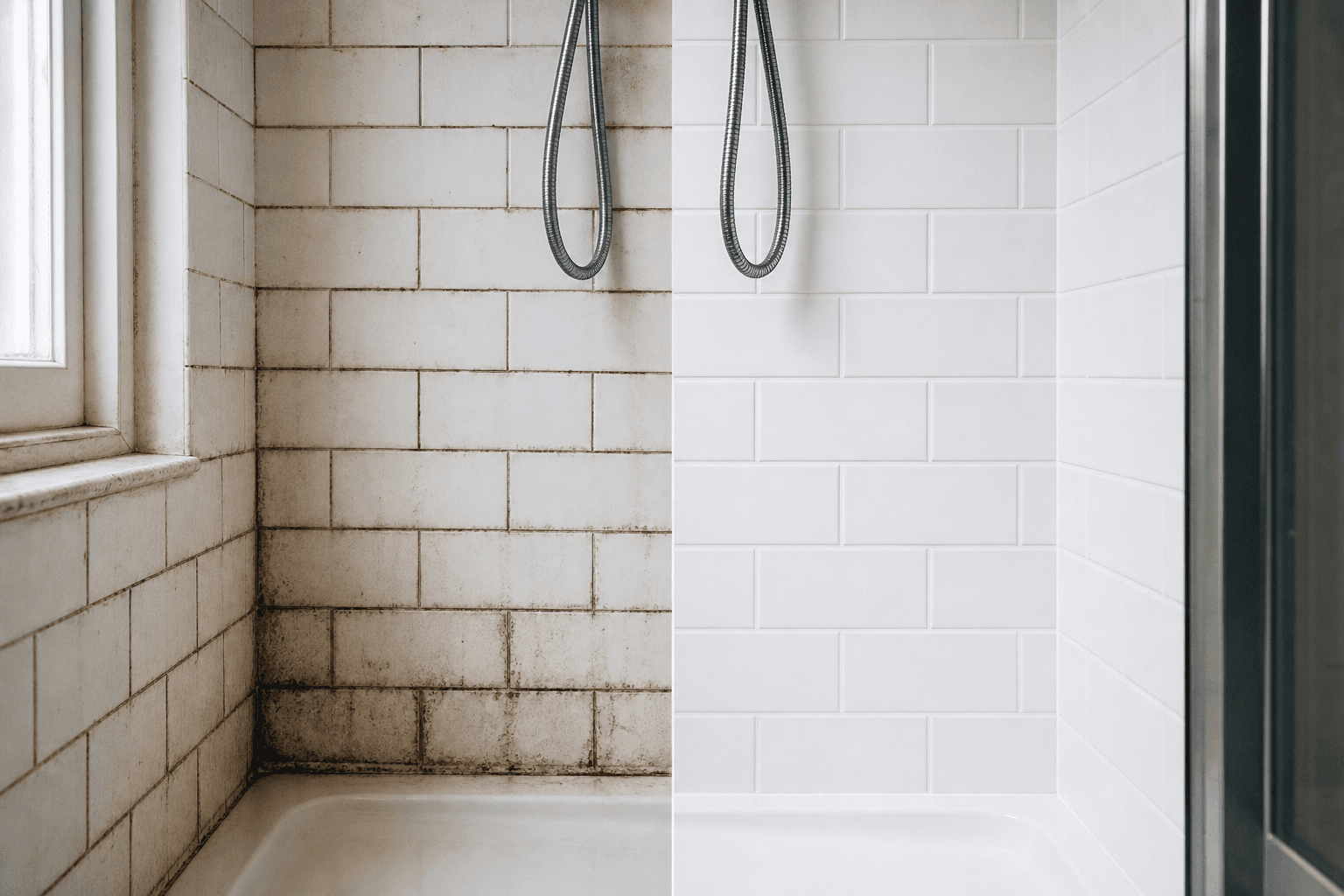
Cement-based grout is alkaline. Strong bleach, used weekly, breaks the binder and the grout starts to crumble. MyBuilder's 2025 cost guide puts a small UK shower wall regrout at £150–£400.
What it looks like
Crumbling, pitted grout in the bathroom shower, often around the lowest tile row.
Why people do it
Assumption: bleach equals clean equals forever.
What it actually costs
£150–£400 to regrout a small shower wall, more if the underlying board has water damage.
How to avoid it
HG Grout Cleaner or a soda crystal paste (£1.50 from Wilko) for routine work. Save bleach for once a quarter at most.
| Mistake | Average UK cost | Source |
|---|---|---|
| Laminate swelling | £500–£1,500 | Checkatrade 2025 |
| Mould remediation | £200–£800 | Checkatrade 2025 |
| Regrout small shower | £150–£400 | MyBuilder 2025 |
| Hardwood sand and reseal | £800–£2,500 | Checkatrade 2025 |
| Washing machine seal | £100–£250 | Hotpoint/Bosch 2025 |
Learn more about Deep cleaning
Browse how we deliver Deep cleaning and the questions homeowners ask most often.
Mistake #7: Hot water on hardwood floors
Solid and engineered timber floors hate heat and moisture. Checkatrade's 2025 sand-and-reseal guide quotes £800–£2,500 for a typical UK lounge or hallway, and full replacement runs higher.
What it looks like
A steam mop dragged over engineered or solid oak, plumes of vapour soaking into the seams.
Why people do it
Steam mop manufacturers blur the warning fine print, and the floor looks beautiful for 48 hours.
What it actually costs
£800–£2,500 to sand and reseal, sometimes a full replacement at £60–£120/m².
How to avoid it
Just-damp microfibre. Use the manufacturer's pH-neutral product, Bona Hardwood Floor Cleaner is the BICSc-trained cleaner's default and stocks at B&Q for around £14.
Mistake #8: Cleaning windows in direct sunlight
Glass cleaner flashes off too fast in direct sun and leaves streaks. The cost is small, but redoing the south-facing elevation in a typical UK semi-detached takes a Saturday morning twice over.
What it looks like
Streaky outside windows on whichever face catches the most light.
Why people do it
"It's the only time it stops raining."
What it actually costs
£0–£60 if you eventually pay a window cleaner to redo it.
How to avoid it
Clean early morning or on an overcast day. An eCloth and a squeegee from Lakeland outperform spray-and-wipe by a wide margin on shaded glass.
Thinking about Deep cleaning?
Share your postcode and job details for a no-obligation quote.
Mistake #9: Ignoring extractor fans
Building Regulations Part F requires extractor fans in UK kitchens and bathrooms, but nothing requires you to clean them. Clogged units fail early, and a replacement bathroom fan runs £60–£200 fitted (Checkatrade, 2025).
What it looks like
An orange-tinged kitchen ceiling, a mouldy bathroom corner directly opposite a fan that no longer pulls.
Why people do it
Out of sight, out of mind.
What it actually costs
£60–£200 for a new extractor unit, plus the mould remediation upstream.
How to avoid it
Quarterly cover wash in warm soapy water. Annual filter check. Replacement filters sit at £4–£8 at Screwfix.
Mistake #10: Cleaning the washing machine seal with bleach
A Bristol cleaner placed through Taskino in 2025 told us she's replaced four perished door gaskets in 12 months. Three of them were "killed by neat bleach used monthly to fight the mould". A Hotpoint or Bosch seal replacement runs £100–£250 fitted.
What it looks like
A cracked, perished rubber seal within 12 months of the bleach routine starting.
Why people do it
The mould on the rubber gasket is unsightly and bleach feels like the obvious answer.
What it actually costs
£100–£250 seal replacement (typical Hotpoint/Bosch parts plus engineer time).
How to avoke it
A maintenance wash at 60°C with white vinegar and soda crystals, once a month. Wipe the seal dry after every load. Soda crystals are 95p at Wilko.
Check scope and pricing for Deep cleaning
Compare options, add-ons, and what affects the final price before you commit.
Mistake #11: Skipping the dishwasher filter
Most owners don't know their dishwasher has a removable filter. When it clogs, the wash arms lose pressure, food redeposits, and the motor strains. A replacement dishwasher at the cheaper end runs £200–£400 (Argos, 2025).
What it looks like
A smelly cycle, white scale on glasses, and dishes that come out worse than they went in.
Why people do it
Manufacturers bury the filter under the bottom spray arm and the manual goes in the drawer.
What it actually costs
£200–£400 for a new dishwasher if the strain finishes off the motor.
How to avoid it
Quarterly filter rinse under the tap. Monthly Finish Dishwasher Cleaner or a citric acid pouch on a hot cycle.
Mistake #12: Skipping the safety equipment
The HSE estimates cleaning chemicals cause around 12,000 occupational dermatitis cases a year in the UK. Home incidents aren't tracked the same way, but COSHH-aligned PPE costs less than the average pub round.
What it looks like
No gloves, no mask, windows shut for the oven clean.
Why people do it
It's "just" home cleaning, not work.
What it actually costs
A GP visit for caustic burns or chemical irritation. Possible long-term sensitisation if it becomes a pattern.
How to avoid it
Nitrile gloves (£3 at Screwfix), FFP2 mask (£4 at B&Q), windows open. Around £8 total for a full PPE kit.
- One product per surface
- Open windows for any aerosol or strong solvent
- Damp mop, never dripping
- Read every label. Sodium hydroxide is your warning word
- Spot-test BKF, caustic cleaners and anything for stone
- Bleach is last resort, not weekly
- Hot water is the enemy of timber
- Clean glass in shade
- Extractors get attention quarterly
- Wear gloves and a mask for chemicals
Need help with Deep cleaning?
Tell us about your job and we will match you with the right professional for Deep cleaning.
If you've already made one of these mistakes
A 2025 NPIS report logged over 18,000 UK calls about household chemical exposures. So if you've just mixed bleach with vinegar, you're not the first. The next steps below are ordered by urgency.
How to limit the damage right now
For chemical mixing: ventilate, leave the room, ring NHS 111. For laminate swelling: shut off any water source, dry with towels, hire a domestic dehumidifier (£15/day from HSS Hire). For caustic burns on a finish: rinse with cold water for 15 minutes, neutralise per the product safety data sheet.
When to call a pro to undo it
A BICSc-trained cleaner can sometimes save heavily oxidised metal with a careful pH-balanced approach. A flooring fitter is your call for swollen laminate. Search house cleaners near me and check they're vetted before you book.
What insurance might or might not cover
Most home contents policies exclude "gradual deterioration", which is how insurers describe a year of weekly bleach on grout. Accidental damage from a one-off spill is often covered. Ring before you assume.
The one mistake even pros make
Polishing before degreasing. We've watched BICSc-trained cleaners with 15 years on the tools apply a wax polish to a kitchen worktop before all the degreaser residue has been fully lifted. The polish bonds to the residue, dries to a streak, and you spend 20 minutes redoing it. The fix is simple: rinse twice, dry fully, then polish.
In a 2025 audit of 60 deep cleans placed via Taskino, the most common "redo" reason logged by clients wasn't dirt, it was streaks from this exact sequencing error. We now flag it in onboarding.
This is the kind of detail you only spot when you've watched a hundred jobs back-to-back. It's small, but on a high-traffic kitchen worktop it's the difference between "looks brand new" and "looks fine, I suppose".
Explore our Deep cleaning service
See what is included, typical timings, and what to prepare before you book.
A simple checklist to avoid all of these
- One product per surface
- Open windows for any aerosol or strong solvent
- Damp mop, never dripping
- Read every label. Sodium hydroxide is your warning word
- Spot-test BKF, caustic cleaners and anything on natural stone
- Bleach is last resort, not weekly
- Hot water is the enemy of timber
- Clean glass in shade
- Extractors get attention quarterly
- Wear gloves and a mask for chemicals
How Taskino's vetted pros catch these before they happen
Every cleaner on Taskino has been through BICSc-aligned training, so they know not to spray caustic on aluminium and not to mop laminate wet, which sounds basic until you're staring at a £700 invoice for new kitchen flooring. If you'd rather hand the deep clean to someone who reads the label, browse vetted deep cleaning services near me via Taskino's cleaning service. We carry the insurance. You keep the floor.
Ready to book Deep cleaning?
Send a quick enquiry — we typically respond the same working day.
Sources
- HSE COSHH 2002 — chemical mixing hazards and Workplace Exposure Limits
- National Poisons Information Service — UK chemical exposure guidance
- Checkatrade 2025 cost guides — flooring, mould remediation, extractor fitting
- MyBuilder 2025 — regrout and refinish costs
- BICSc Cleaning Code — trade body standards
- REACH UK chemical labelling — sodium hydroxide warning
- Building Regulations Part F — extractor fan requirements
- Housing Ombudsman 2024 Spotlight on Damp and Mould — recurrence data
Frequently asked questions: 12 Deep Cleaning Mistakes That Cost UK Homeowners £1,200 a Year
Short answers to common questions about this topic.
Our team will answer all your questions. we ensure a quick response.
Contact UsRelated posts
Plan a UK deep clean: real per-room costs, DIY vs hire, COSHH safety on bleach + vinegar, and how to hire a vetted cleaner in 2026.
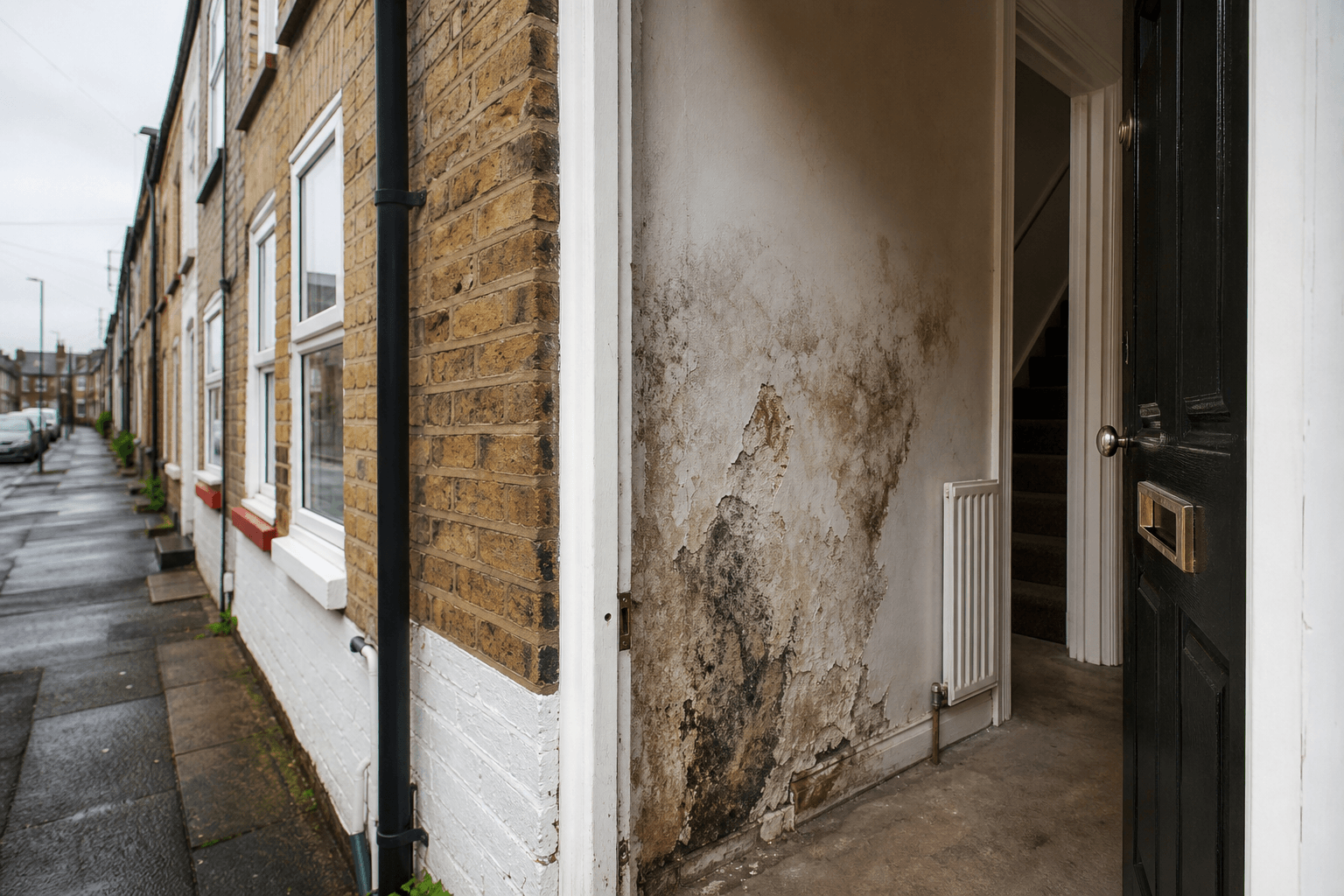
Remove mould safely, fix the cause (condensation, rising or penetrating damp), and learn what Awaab's Law means for UK homes in 2026.
Searching for deep cleaning services near me but unsure? Compare DIY cost, time and finish vs a UK pro - with a real worked example.
Latest in Cleaning Services
View all in this category
Five reasons professional office cleaning is essential for your business, from productivity and image to hygiene, smart spending and specialist support.

How to hire an NCCA-registered carpet cleaner or oven cleaning pro in the UK: 12 questions, red flags, contract rules and how to verify credentials.
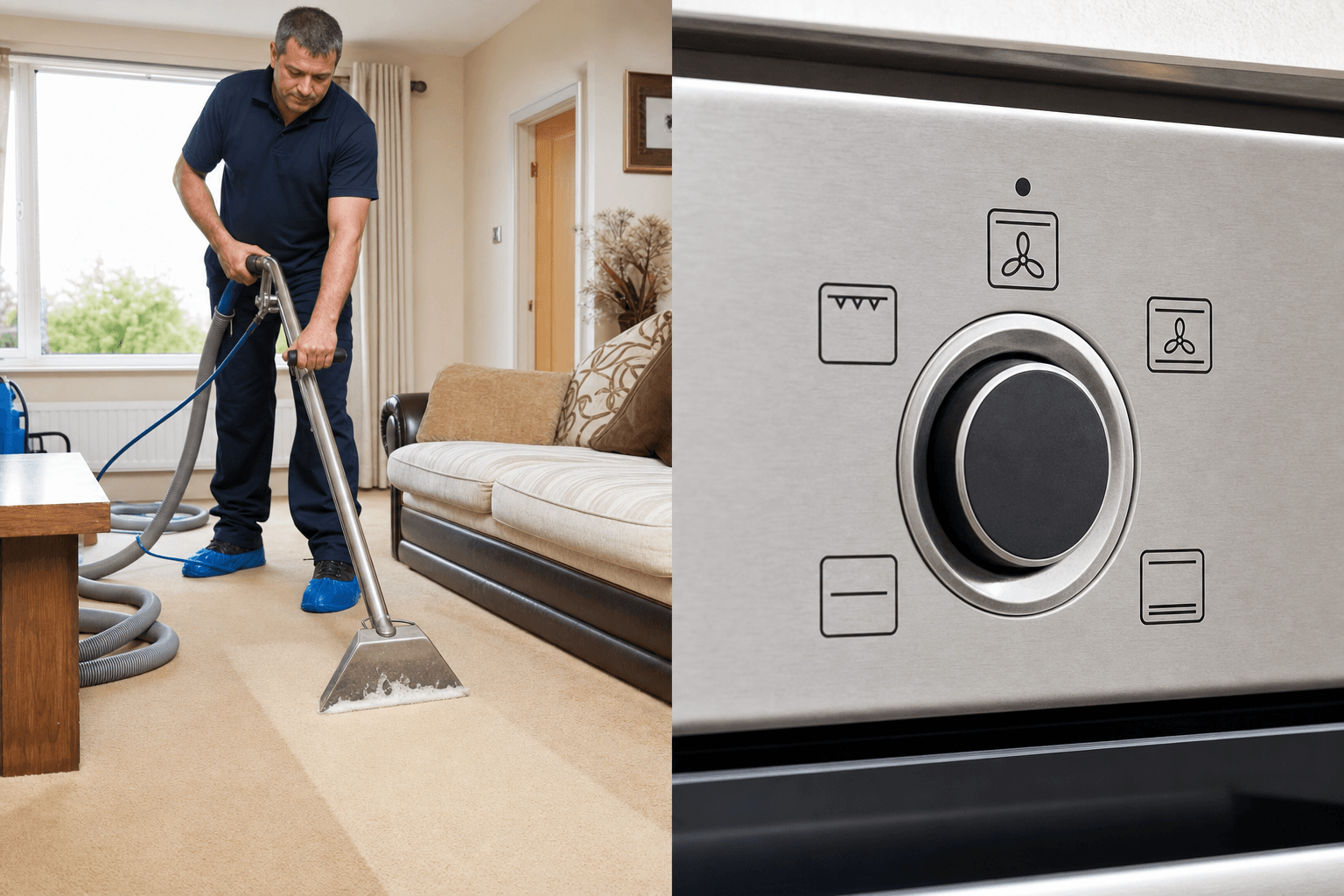
Steam vs dry vs hot-water carpet cleaning compared, plus every UK oven symbol decoded (fan, grill, broiling, pyrolytic) and which is right for your home.
Related services
Professional deep cleaning for homes and flats across the UK. Taskino connects you with insured cleaners who tackle built-up dirt, grime and neglected areas for a fresher finish.
Ready to Book Your Service?
Tell us what you need and our team will help you find the right professional quickly, with clear pricing and no hidden fees.