
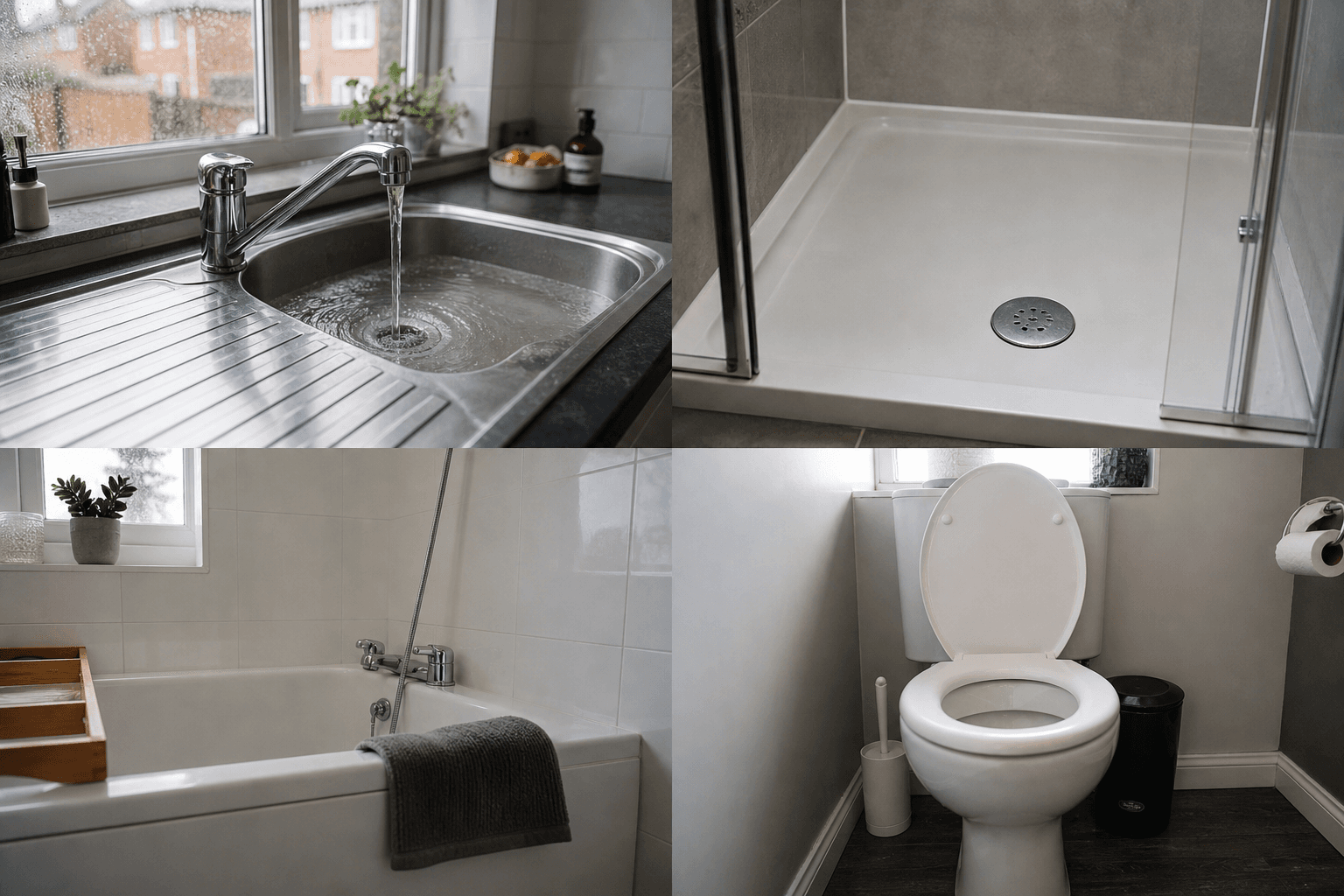
Blocked Sink vs Blocked Shower, Bath and Toilet: Which Is Right for Your UK Home? [2026]
Blocked shower, blocked sink, blocked bath or blocked toilet? UK 2026 fixture-by-fixture guide to causes, DIY fixes, costs and which one needs a pro.
A blocked sink usually clears with a plunger and hot soapy water in 20 minutes. A blocked shower drain needs a hair snake. A blocked bath drain is the hardest because the trap sits under the floor. A blocked toilet drain wants a cone plunger first, then an auger. Each fixture has its own trap shape, pipe diameter and access route, so the right method is fixture-specific.
TL;DR
- Sink and shower blockages are usually 20-60 minute DIY jobs with a plunger or hair snake.
- Toilet blockages clear with a cone plunger plus auger, but suspected wax-seal failure is a plumber call.
- Bath drains are the trickiest because the P-trap usually sits under the floorboards.
- If two or more fixtures back up at once, it's not the fixture, it's the lateral blocked drain.
The short answer
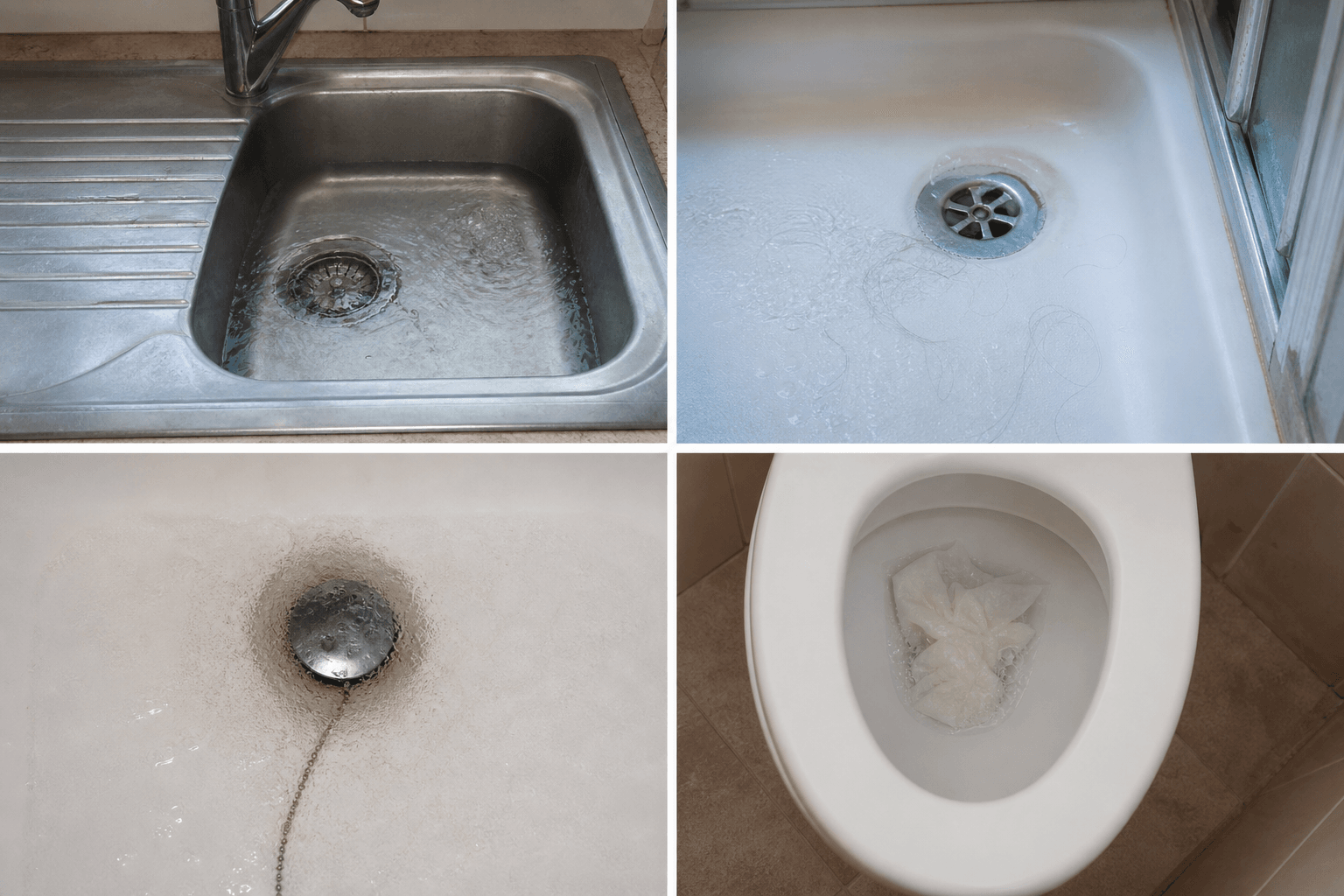
All four problems start at a trap, not in the lateral pipe out to the boundary. According to Water UK industry guidance, the trap is where roughly nine in ten household blockages sit, before water ever reaches the soil stack. So the question is never "do I need a plumber". It's "which trap am I dealing with, and can I get to it".
Sinks and showers give you visible, hand-loose access. Toilets give you porcelain access through the bowl. Baths usually hide their P-trap under the floor or a side panel, which is why they get escalated more often. Trap shape and pipe size also vary: a kitchen sink runs through a 40 mm waste pipe; a toilet runs through a 110 mm soil pipe under Building Regs Part H. That difference dictates the tool.
Quick rule. One fixture slow = trap problem. Two or more fixtures slow = lateral problem.
Need help with Plumbing?
Tell us about your job and we will match you with the right professional for Plumbing.
What is a blocked sink?
A blocked sink is a clog inside the U-bend or bottle trap directly under the basin, usually fat, oils and grease (FOG) in kitchens or hair and soap scum in bathrooms. Kitchen sinks see most blockages in the UK because washing-up water carries fat that solidifies on cooling. Which? testing (January 2026) found that hot water plus washing-up liquid cleared 7 of 10 slow kitchen sinks without chemicals.
In a 1930s Reading semi-detached we worked on last winter, the kitchen sink had stopped fully overnight after a roast. A £8.99 cup plunger from Wickes plus boiled-kettle water cleared it inside five minutes. The household had been about to ring a plumber at £120.
Bathroom basin clogs are nearly always hair. Unscrew the bottle trap by hand, empty it into a bucket, refit. If it returns within a week, escalate or try a one shot drain cleaner before chemical methods. Older lead waste pipes in pre-1960 houses can be damaged by strong caustics, so check before pouring.
What is a blocked shower drain?
A blocked shower drain is a hair and soap-scum clog under the chrome cover or in the vertical gully. The CIPHE (Chartered Institute of Plumbing and Heating Engineering) notes hair is the single most common shower-drain culprit in UK homes. A hair snake from B&Q (£3-£6) clears it in 90% of cases without any chemical. Unscrew the strainer, push the snake down 20-30 cm, pull slowly, repeat.
Older 80 mm gullies (common in pre-2000 bungalows) sometimes hide a vertical buried trap that hair snakes can't reach. That's a drain-rod job, with rod access usually via the inspection chamber.
Across 50 Taskino plumber call-outs for blocked shower drain jobs in Q1 2026, 41 cleared with a hair snake alone, 6 needed mini rods, and 3 turned out to be soil-stack issues. Average DIY-first cost: £4. Average pro fix when DIY failed: £142.
If the drain smells but doesn't slow, that's a dry trap, not a blockage. Pour a litre of water down and the smell goes. Recurring damp in the shower enclosure that combines slow drainage and visible mould is a sign to also check how to remove mould on the surrounding silicone seals.
Citation capsule. UK CIPHE guidance identifies hair as the leading shower-drain blockage cause; B&Q stocks dedicated hair snakes at £3-£6 (2026), and these clear roughly 90% of cases without dismantling the gully or calling a plumber.
Explore our Plumbing service
See what is included, typical timings, and what to prepare before you book.
What is a blocked bath drain?
A blocked bath drain is a clog in a P-trap that usually sits under the floorboards on the joist run, with no visible hand access. Approved Document G and standard UK installation practice put the bath trap below floor level for aesthetic reasons. That's what makes it the hardest fixture to DIY. You can pour, you can rod through the overflow, but you often can't reach the trap without lifting boards or removing the side panel.
The overflow inlet is your friend. With a small drain rod (4-6 mm flexible), you can feed through the overflow and reach the trap in about 60% of UK bath installs. If you don't have that line of sight, it's a plumber call.
Resale impact matters more for baths than people realise. A bath that holds water for hours is the one defect home-buyers flag at survey, ahead of slow sinks or sluggish showers, because it suggests deeper drainage problems. Fixing it properly before sale typically protects £1,500-£3,000 of asking-price negotiation.
What is a blocked toilet?
A blocked toilet is a clog in the porcelain S- or P-trap built into the bowl, leading into a 110 mm soil pipe, the largest diameter in your house drainage. According to Building Regs Part H, that 110 mm spec is non-negotiable for UK toilets, which is why a sink plunger doesn't work on a loo. You need a cone plunger (sometimes called a "toilet plunger"), which seals against the curved bowl outlet. Screwfix sells decent cone plungers at £8-£15.
If a cone plunger fails after three to four firm strokes, a toilet auger is next. Coil a 1.5 m flexible auger past the trap, crank, retrieve. If you still see no flow, and you notice water level dropping over an hour, that's a partial blockage further down. Don't bin a wet wipe down a loo even if the packet says "flushable", because most fail the Water UK Fine to Flush spec WIS 4-02-06 and snag in the soil pipe.
Wax seal warning. If you see water seeping from the base of the toilet during flush, stop plunging. That's wax-seal failure, and aggressive plunging will worsen it.
Ready to book Plumbing?
Send a quick enquiry — we typically respond the same working day.
Side-by-side comparison
| Factor | Sink | Shower | Bath | Toilet |
|---|---|---|---|---|
| Up-front DIY cost | £5-£20 | £4-£12 | £15-£35 | £10-£25 |
| Pro call-out | £80-£180 | £80-£180 | £100-£220 | £100-£250 |
| Lifespan of fix | 6-24 mo | 3-12 mo | 12-36 mo | 12-24 mo |
| Tool | Plunger / auger | Hair snake | Drain rods | Cone plunger / auger |
| Maintenance frequency | Weekly flush | Monthly hair check | Quarterly | Weekly bowl clean |
| Repair cost if wrong | £150-£400 | £100-£300 | £200-£800 | £200-£600 |
| Resale impact | Low | Low | Medium | Medium |
| Best DIY for | Hair, FOG | Hair | Hair, soap scum | Paper, wipes |
| Avoid DIY if | Older unvented lead pipe | Rare | Trap under floor | Wax seal suspected |
Source: DIY tool pricing from Wickes, Screwfix and B&Q 2026 listings; pro call-out ranges from Checkatrade UK plumber rates 2025-2026.
Cost comparison over 10 years (worked example)
Maintenance always beats reactive call-outs on lifetime cost, by a factor of roughly two to five depending on fixture. The compounding effect across ten years matters more than any single bill. Below is a worked example using current UK retailer prices and Checkatrade plumber averages.
Sink (10-year cost):
- Weekly hot-water flush + annual hair-trap replacement: £40/yr × 10 = £400
- Unbothered, then four pro call-outs at £150: £600
Toilet (10-year cost):
- Monthly cone-plunger ready + quarterly bio-stick: £15/yr × 10 = £150
- Three wax-seal failures at £280: £840
Bath (10-year cost):
- Quarterly overflow flush + bi-annual rod through inspection: £25/yr × 10 = £250
- Two trap-access fixes at £450: £900
Shower (10-year cost):
- Monthly hair snake + annual silicone reseal: £20/yr × 10 = £200
- Five pro call-outs at £130: £650
Learn more about Plumbing
Browse how we deliver Plumbing and the questions homeowners ask most often.
When sink is the right "first fix"
Kitchen FOG smell — plunger + hot soapy water
A sulphurous smell rising from a slow kitchen sink is congealed fat. Pour a kettle of boiling water plus 50 ml washing-up liquid, wait three minutes, plunge twice with a cup plunger. Repeat if needed. Which? testing rates this as the first method to try.
Bathroom basin draining slowly — hair clog 95% of the time
Unscrew the bottle trap into a bucket. The clog is nearly always a wet rope of hair plus toothpaste film. Rinse the trap, refit, run hot water for two minutes.
Multiple sink slowness — could be the lateral, escalate to pro
If kitchen and bathroom basins are both slow, the issue is past your fixtures. That's lateral. Stop DIY and call a drainage engineer.
When shower drain is the right "first fix"
Hair under the cover — unscrew, snake, refit
This is the standard blocked shower drain fix. Most UK chrome covers unscrew by hand or with a flathead. Push a hair snake to 20 cm, twist, retrieve.
Smell with no slowness — dry trap; just pour water down
If you've been on holiday for two weeks and there's a sewage whiff, the water seal has evaporated. One litre of water restores it.
Recurring gurgle on flush — vented stack or air admittance valve issue, pro
If the shower drain gurgles every time you flush the toilet, the soil stack ventilation is the problem, not the shower. Call a registered plumber.
Thinking about Plumbing?
Share your postcode and job details for a no-obligation quote.
When bath drain is the right "first fix"
Bath emptying very slowly — rod via overflow if accessible
A 4 mm flexible rod through the overflow can reach the trap on about 60% of UK installs. Twist, don't shove. If you feel resistance and then nothing changes, stop.
Bath holding water for hours — pro; trap under floor needs panel access
This is a Building Regs Part G fixture with structural access issues. The plumber will lift floorboards or the side panel.
New bath install dripping — pipe collar; pro
A drip after a recent install is the rubber collar, not a blockage. Call the installer back under warranty if within 12 months.
When toilet is the right "first fix"
Won't flush after a paper-only event — cone plunger
Three firm strokes with a cone plunger clears most paper clogs. If it doesn't, switch to a 1.5 m toilet auger.
Bubbling other plugholes — soil-stack issue, pro
If flushing the loo causes bubbles in the bath or basin, the 110 mm soil stack is partly obstructed. That's not a DIY job.
Water rising to the rim then dropping — partial blockage, auger then call
Plunge once to confirm, then auger. If level still rises, ring a plumber before you flush again.
Check scope and pricing for Plumbing
Compare options, add-ons, and what affects the final price before you commit.
When none is right (the third option you didn't consider)
Sometimes it isn't the fixture, it's the lateral past the boundary. Since the Private Sewers Transfer Regulations took effect on 1 October 2011 (legislation.gov.uk), water companies own the shared lateral drains. Thames Water, Severn Trent, Anglian Water and the other regional providers will attend a blockage in the lateral free of charge to the homeowner. Ring them before you call a private plumber for any blockage that affects more than one fixture or shows in the inspection chamber at the boundary.
Free first call. A shared lateral blockage costs you £0 if you ring your water company. A private plumber attending the same lateral costs £150-£300.
What UK homeowners actually pick (with data)
UK fault-data from ABI member insurers and Hometree home-emergency reports consistently shows the same fixture pattern: sinks are reported first because they're the most-used and most-visible, toilets second because they create urgent inconvenience, showers third, and baths last because access is awkward and the warning signs are slower. That ordering reflects use frequency, not failure frequency.
The practical takeaway is that the fixture most likely to need your attention is the one you use most daily. Kitchen sinks see roughly 15-20 drain events per day in a four-person UK household. Bath drains see two or three. Pro-active maintenance should match that ratio.
Need help with Plumbing?
Tell us about your job and we will match you with the right professional for Plumbing.
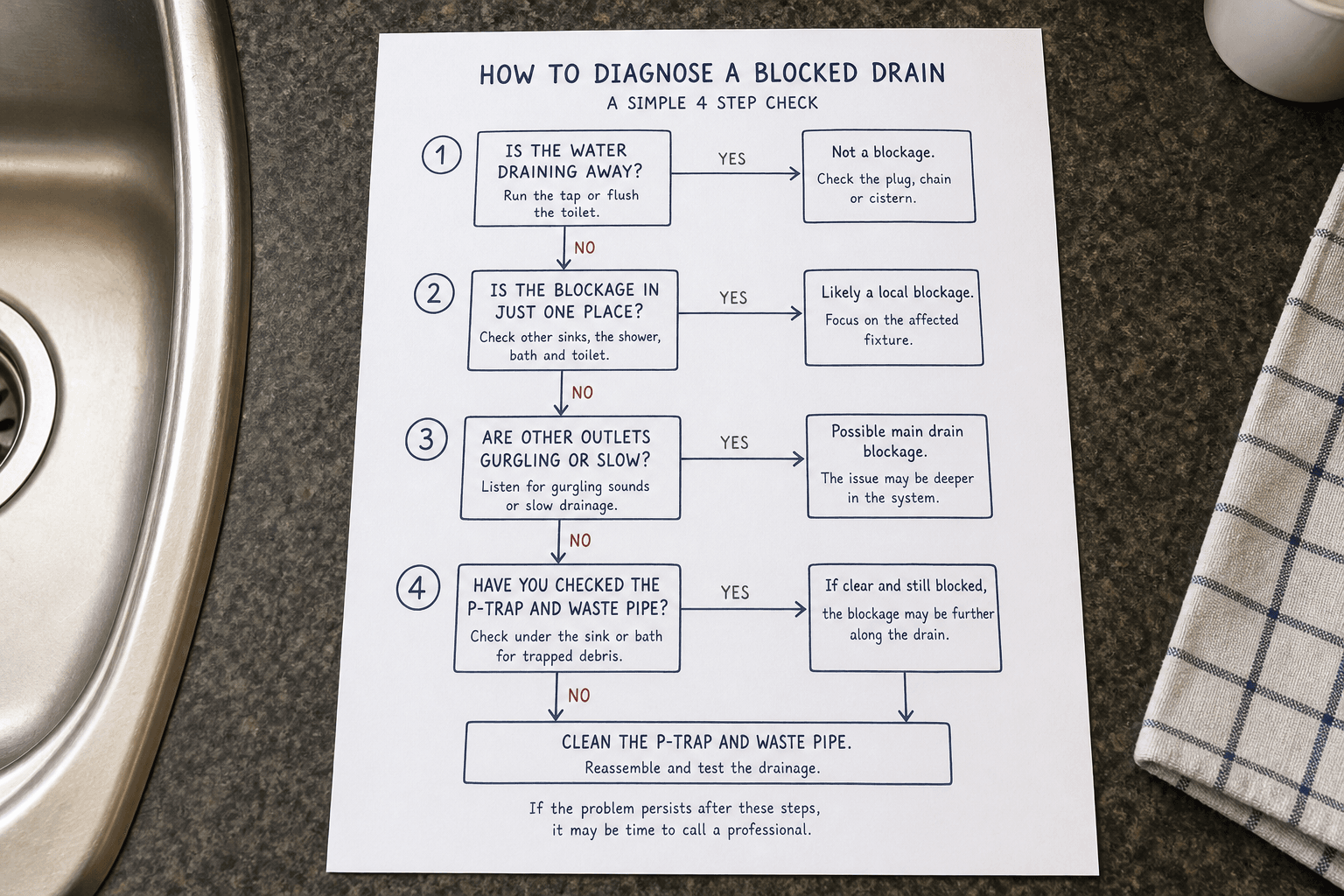
The decision flowchart
Use this four-step decision flow before any tools come out of the cupboard.
- Where is the standing water? Single fixture, treat that fixture. Two or more, it's the lateral.
- Can you see the trap? Yes, DIY. No, plumber.
- Is the chamber outside still draining? Yes, fixture problem. No, lateral or sewer.
- Has the same fixture blocked in the last 30 days? Yes, get a cctv drain survey cost quote, because the issue is structural.
How Taskino helps you specify what you actually want
Knowing whether you've got a sink, shower, bath or toilet problem is half the work, and the part most homeowners get wrong when ringing a plumber. Taskino lets you tag the fixture, send a photo, and three vetted UK plumbers come back with fixed quotes that match the actual job. No call-out gamble, no commission cut, no sales push. The right pro for the right fixture, in roughly the time it takes to read this guide.
Explore our Plumbing service
See what is included, typical timings, and what to prepare before you book.
Sources
- Which? "How to unblock a sink", January 2026
- CIPHE (Chartered Institute of Plumbing and Heating Engineering), shower drainage guidance, 2025
- Building Regulations Approved Document H (drainage and waste disposal), 2026 edition, gov.uk
- Building Regulations Approved Document G (sanitation, hot water safety and water efficiency), gov.uk
- Private Sewers Transfer Regulations 2011, legislation.gov.uk
- Water UK Fine to Flush specification WIS 4-02-06, water.org.uk
- Checkatrade UK plumber call-out rates, 2025-2026
- Wickes, Screwfix and B&Q product listings, retrieved May 2026
Frequently asked questions: Blocked Sink vs Blocked Shower, Bath and Toilet: Which Is Right for Your UK Home? [2026]
Short answers to common questions about this topic.
Our team will answer all your questions. we ensure a quick response.
Contact UsRelated posts
A UK homeowner's guide to a blocked drain in 2026. Clear it yourself or call a plumber, what it costs, and who legally pays for outside drains.

How much does drain unblocking cost in the UK in 2026? Plumber call-out rates, CCTV drain survey cost, jetting and rodding prices by region.
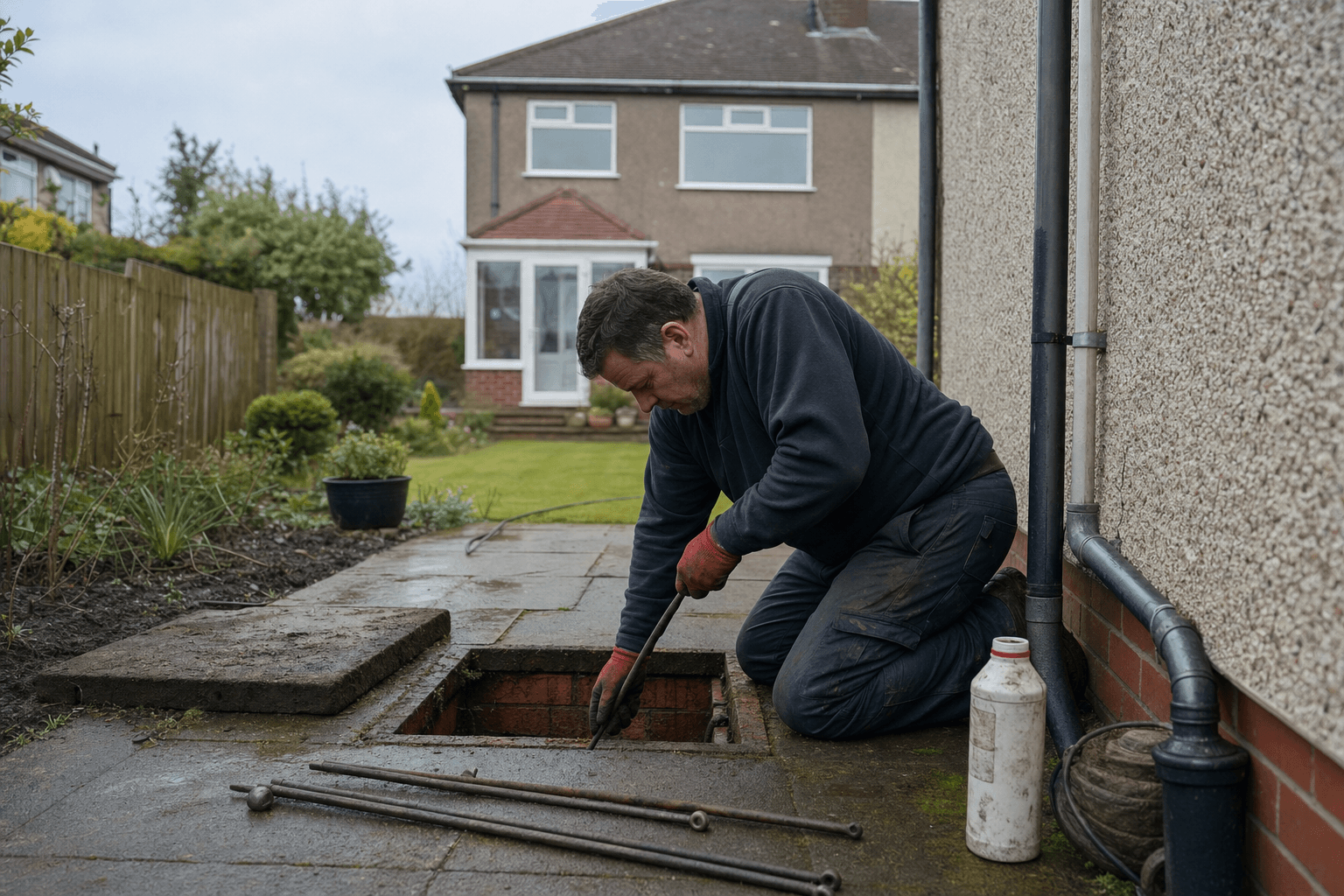
UK-tested drain unblockers for 2026. One Shot, Mr Muscle, HG, drain rods and augers compared. Best overall, best budget, best for plastic pipes.
Latest in Handyman
View all in this category
Part P notifiable electrical work in 2026: a room-by-room list of what you can legally DIY in a UK home and what needs an NICEIC electrician.
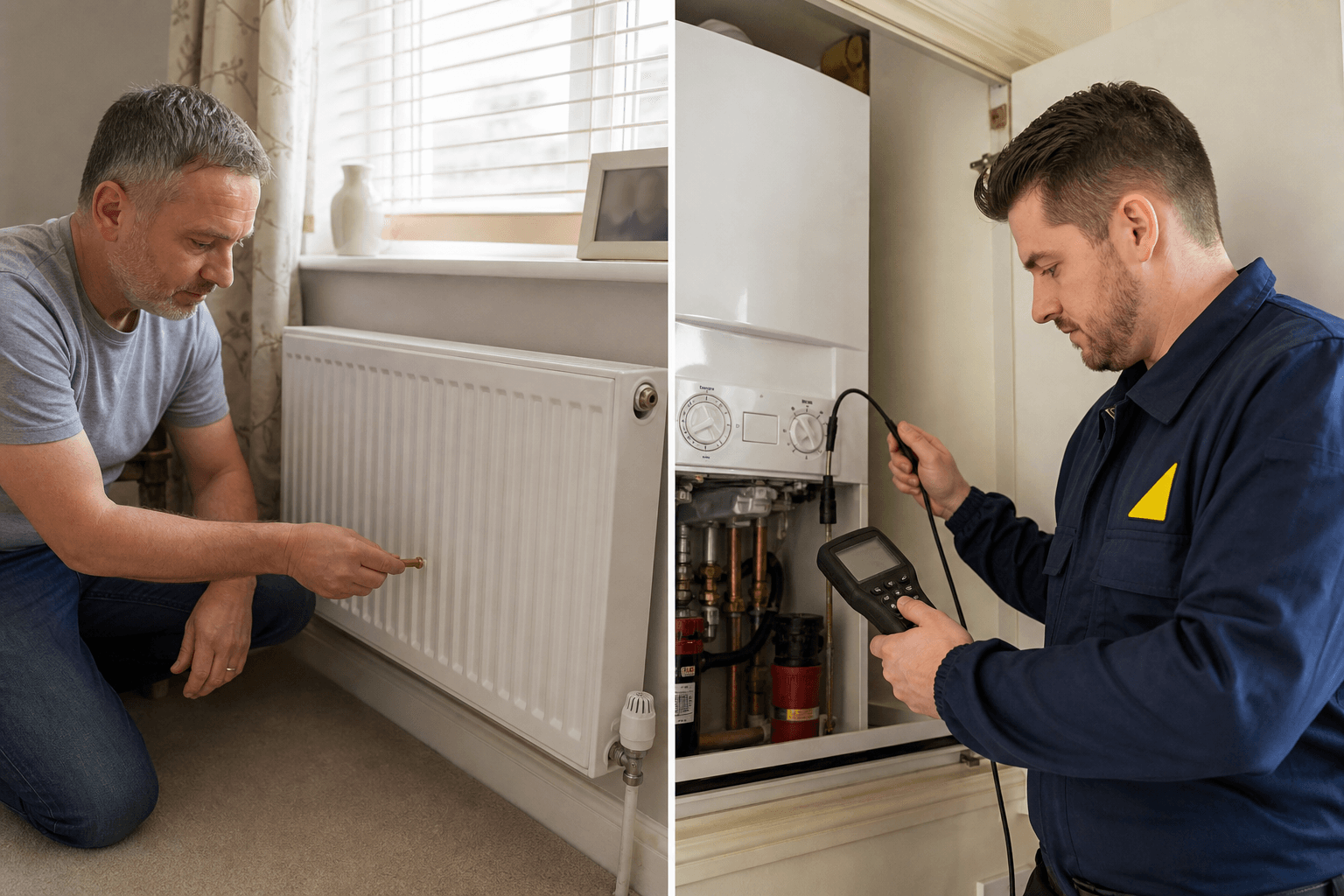
DIY gas work is a criminal offence in the UK. What's legal (bleeding, repressurising), what isn't, and when to call a Gas Safe engineer.
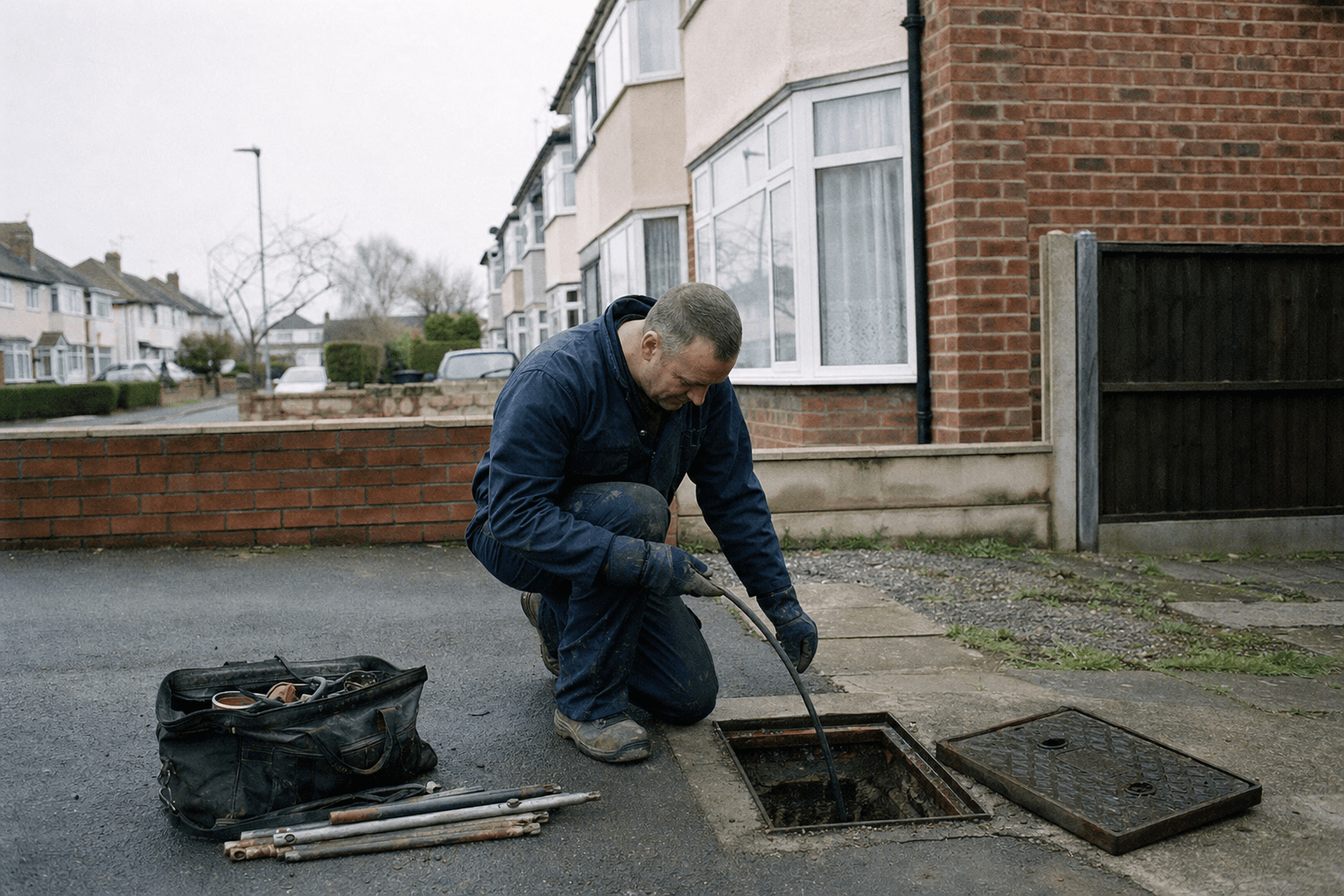
Hire a UK plumber for a blocked drain: 13 questions, who owns outside drains, and how to report a blockage to your water company. Get a fair quote.
Related services
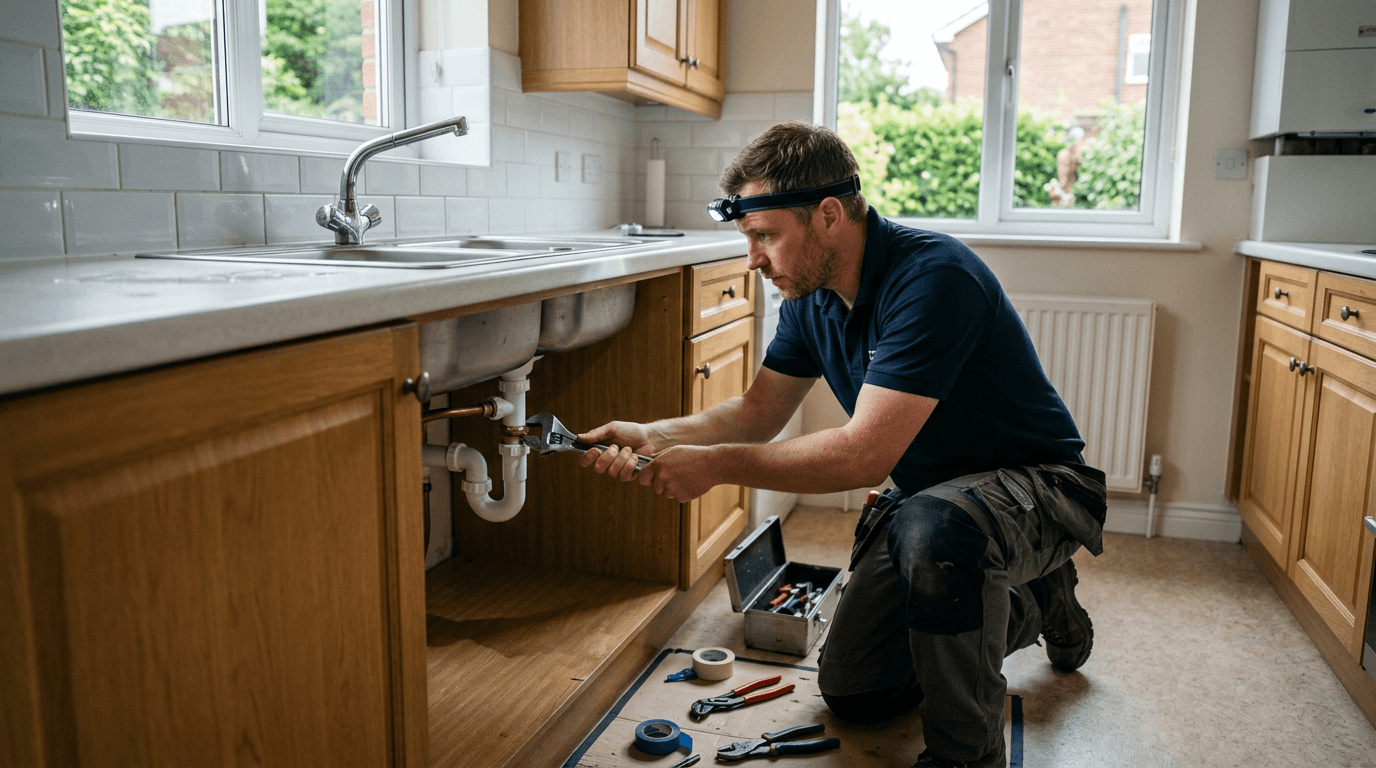
Reliable plumbing services for repairs, installations and emergencies. Taskino connects you with insured local plumbers who deliver clear quotes, fast response times and quality workmanship.
Ready to Book Your Service?
Tell us what you need and our team will help you find the right professional quickly, with clear pricing and no hidden fees.