
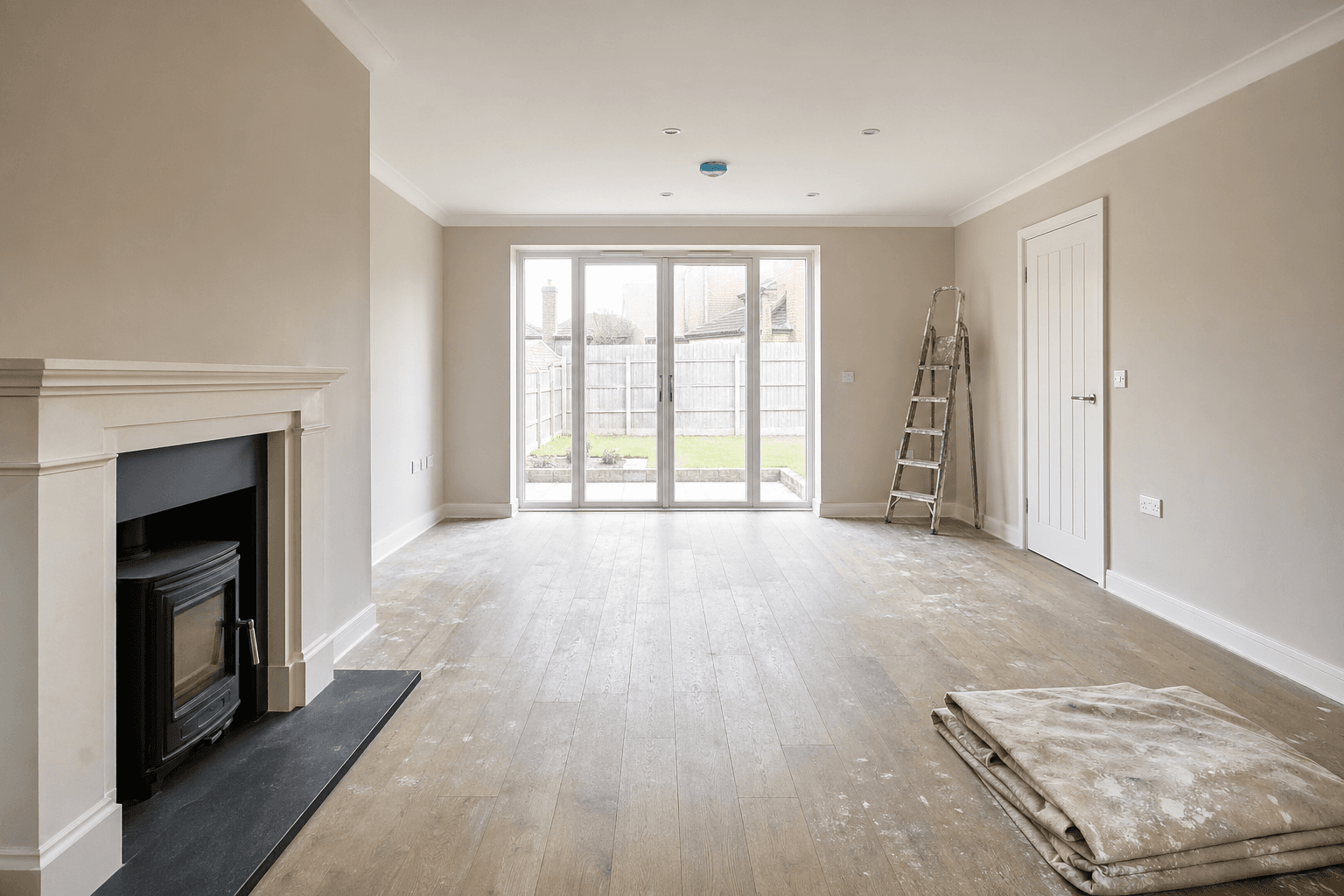
After the builders leave: reset your home for easier maintenance
Why your usual routine struggles after renovation, how professionals sequence an after builders clean, and how to protect the result once dust stops winning.
Renovation is exciting until the last truck leaves and you realise the house still does not feel finished. Surfaces look smeary, corners hold fine dust, and your normal cleaning routine barely moves the needle. If you have ever read practical threads about deep cleaning an entire home, the same broad idea applies after building work: you need a reset pass, then a lighter maintenance rhythm. Until that reset happens, the space never quite feels like yours again.
This article explains why post build grime behaves differently from ordinary mess, the order professionals tend to work in, what a thorough after builders clean is meant to achieve, and how you can keep results once the reset is done. It pairs naturally with our After Builders Cleaning service when you want the heavy pass handled for you. Think of it as the bridge between contractor handover and the calmer weekly habits you actually want to keep.
Many UK homeowners describe the same emotional loop: they clear clutter, feel momentum, then hit a wall when invisible dust keeps returning. Understanding where that dust hides, and why wiping counters alone cannot fix it, is the missing piece between “I tried” and “it finally stayed clean.” The sections below walk through that mechanics in plain language.
Why “little and often” cleaning misses the mark after a build
Weekly habits such as wiping kitchens, hoovering traffic areas, and keeping on top of dishes assume dust and dirt from daily living. Construction work adds plaster and drywall fines, silica from cutting, adhesive haze, boot marks, labels on glass, and residue inside cupboards that were open during sanding. That material is light enough to drift on air currents, then dense enough to smear when you add water too early. The result is a frustrating cycle where you feel busy but the house still looks tired.
You might spend an hour wiping surfaces and still feel nothing changed because dust is re settling from shelves, curtain poles, door tops, and ventilation paths. Until those reservoirs are tackled, maintenance tasks mainly rearrange the problem. A deliberate first pass removes the reset layer so ordinary routines can actually work. Picture it like lowering the water level in a bath: you have to turn the tap off before mopping helps, and in this analogy the tap is unaddressed high dust.
Ventilation matters during and after dusty phases. Opening windows when weather allows, changing HVAC intake filters where fitted, and vacuuming vent grilles stop reservoirs from pumping fines back into the room overnight. None of that replaces wiping, but it shortens how long the house feels “dusty again by morning,” which is the symptom that convinces people their effort was pointless.

Need help with After Builders Cleaning?
Tell us about your job and we will match you with the right professional for After Builders Cleaning.
The sequence most experienced cleaners follow
Kitchen threads and “move out style” guides often repeat the same rule: start high, finish low. That is even more important after building work because dust falls as you disturb it. A sensible sequence is ceiling lines and uplighters, tall furniture tops, shelves, worktops lower down, then glass, then fixtures, then floors last. Dry removal first, vacuum with a soft brush or microfibre dusting, limits mud when you introduce damp cloths. Rushing to mop while plaster dust still sits on skirting is how grey streaks appear along edges.
Wet work fits after loose debris is gone. Kitchens and bathrooms are intensive islands inside the run: hobs, sinks, grout lines, shower screens, and sanitaryware attract both domestic grime and construction films. Doing them methodically avoids tracking splashes back through rooms you already finished. If you are splitting work across days, finishing one room fully still gives a clear win before moving on, which helps motivation in busy households. The visual contrast after one completed bathroom is disproportionately morale boosting.
Colour coded cloths or a simple “clean side, dirty side” habit reduces cross contamination between rooms. It sounds fussy, yet it saves rework when silicone residue from a bathroom accidentally ends up on a bedroom mirror because the same cloth travelled unchecked. Professionals carry kits so they do not improvise with the wrong product on stone or coated glass. If you are DIYing, read finish labels before you spray acidic descaler near sensitive seals.
Whole home scope: what “handover ready” usually covers
Exact checklists vary by site, yet most thorough jobs share a backbone. Interior windows get tracks and frames cleaned, sticker residue removed carefully from glass, and sills wiped. Door frames, handles, and skirting boards collect overlooked hand prints and boot scuffs. Cupboards you plan to use for food or linen benefit from an empty out, vacuum, and wipe, then intentional restocking rather than sweeping clutter back in. That last step is where decluttering advice and cleaning advice finally meet.
Kitchens and wet rooms after trades
In kitchens, expect fronts and handles, hob and oven exteriors, splashbacks, sinks, taps, and the extractor hood area to need attention, especially if plaster dust reached sticky surfaces. Inside cupboards matters if doors stayed open during cable or pipework. Bathrooms need sanitaryware in and out, mirrors, tile surfaces, grout haze where applicable, and drains checked for debris. Soap holders and concealed ledges trap both limescale and dust, so they are easy to skip unless you follow a written order. Toilet bases and the floor behind pedestals often show trade boot scuffs that normal quick cleans never reach.
Across living spaces and bedrooms, radiators and picture rails catch dust that later drifts down. Wardrobe tops, curtain poles, and built in shelving deserve the same high to low pass. Soft finishes such as mattresses exposed during work may need airing or vacuuming according to manufacturer guidance. Always agree scope with whoever cleans so expectations on appliances behind units or loft hatches stay clear. If you are renting, photograph condition before and after so deposit conversations stay factual rather than emotional.

Explore our After Builders Cleaning service
See what is included, typical timings, and what to prepare before you book.
Realistic timing: one heroic day versus a steady reset
Deep cleaning threads often warn that trying to blitz an entire house in a single day is exhausting and leads to patchy corners. Post build cleaning adds the same risk, with the extra fatigue of dust masks, kneeling, and repeating ladder trips. A practical plan is phase one bulk rubble and protection removal with your contractor where that is part of the deal, phase two the detailed clean, then phase three your weekly rhythm. Skipping phase one means you pay someone to bag waste you could have moved cheaper, while skipping phase two traps you in endless surface wiping.
Professional crews can parallelise rooms when access and ventilation allow, but area, dust severity, and finishes still drive time more than enthusiasm. Honest quoting uses photos or a short walkthrough, not guesses from square metres alone. If evenings are crowded with family responsibilities, booking specialist help on a fixed scope can be faster than losing another weekend edging skirting with a toothbrush. There is no moral prize for sore knees if the outcome you need is simply a habitable home before school Monday.
If you have limited executive function bandwidth, shorter sessions with a printed checklist beat vague “clean the house” intentions. Set a timer, finish one wall face top to bottom, stop when the timer ends, and note the next starting point. That is closer to how teams work in sections than to the myth of a single uninterrupted marathon.
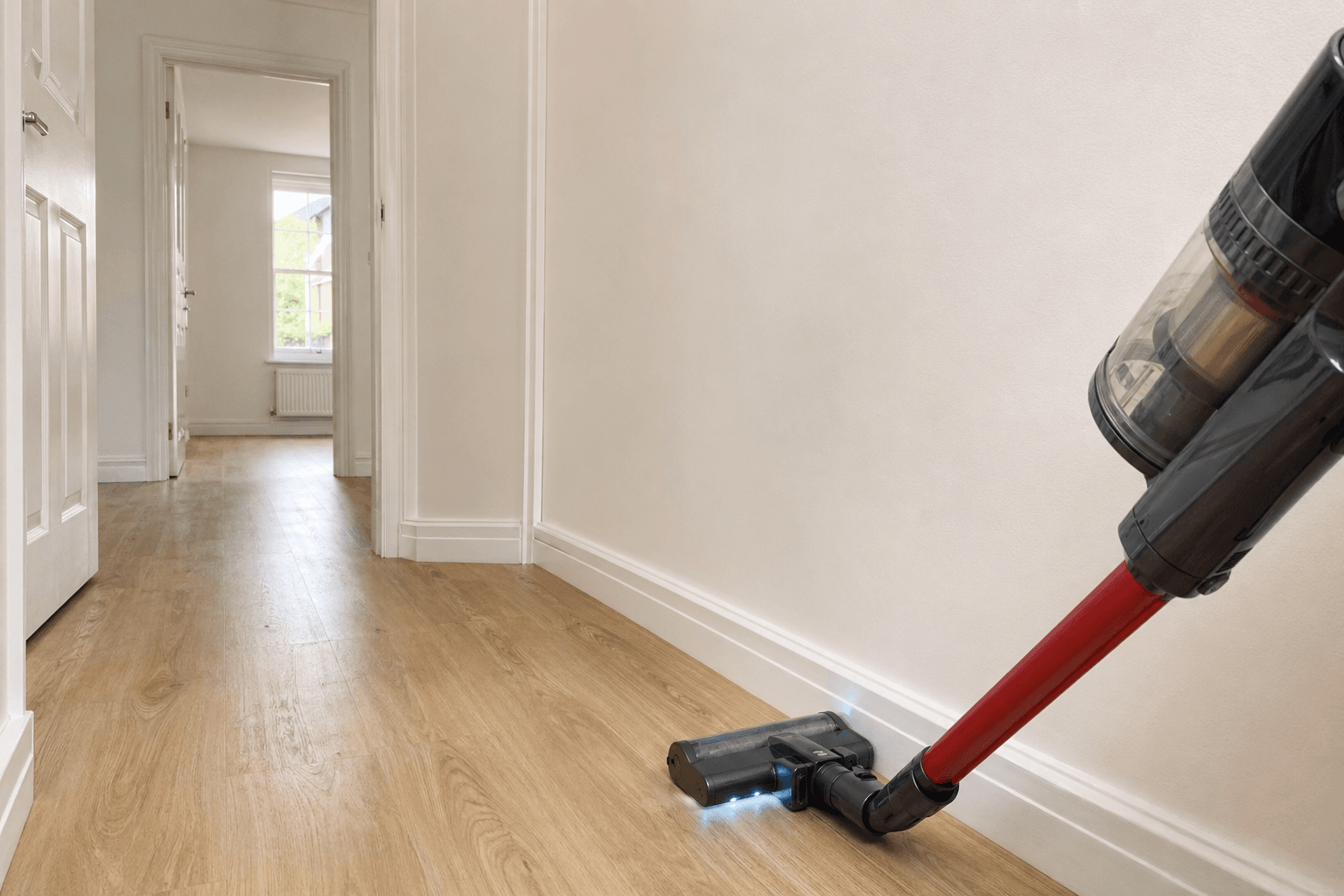
Moving into maintenance without losing the progress
Once the reset layer is gone, the maintenance phase finally resembles those calm routines you read about: ten minutes on dishes, a quick sweep after meals, bathroom wipes midweek, and a slightly longer pass at the weekend. The difference is storage: fewer items on counters and floors means faster surface contact when you clean. Making beds and clearing hotspots also changes how your eye reads the room, even before you touch a mop.
Small systems help busy households: a visible basket for “needs to travel upstairs,” pairing hoovering with audio you only allow during chores, or anchoring bin night to a quick wipe of bin lids. None of that replaces a first serious clean, but it protects the baseline you earned once clutter and construction dust are no longer competing for attention. The goal is not perfection, it is preventing silent slide back to “why bother” territory.
Pet households add hair and dander on top of construction dust, so grooming schedules and washable throws extend the clean feeling. Plant lovers should dust leaves that sat near sanding zones. These are marginal gains alone, yet they add up once the heavy reservoir is gone.
Ready to book After Builders Cleaning?
Send a quick enquiry — we typically respond the same working day.
When it makes sense to book Taskino
Book after builders cleaning when dust resets overnight after you wipe, when you are unsure which chemicals are safe for your stone or coated glass, or when time is the bottleneck before you unpack properly. Share room list, approximate floor area, photos of worst corners, and any access constraints so the visit stays predictable. You can read our checklist style companion on the same topic for a printable breakdown, then line up deep versus regular cleaning habits using our explainer articles in the related links below. If you are comparing options, ask whether oven interiors, inside cupboards, and exterior windows are included, because those items swing both price and duration.
Frequently asked questions: After the builders leave: reset your home for easier maintenance
Short answers to common questions about this topic.
Our team will answer all your questions. we ensure a quick response.
Contact UsRelated posts
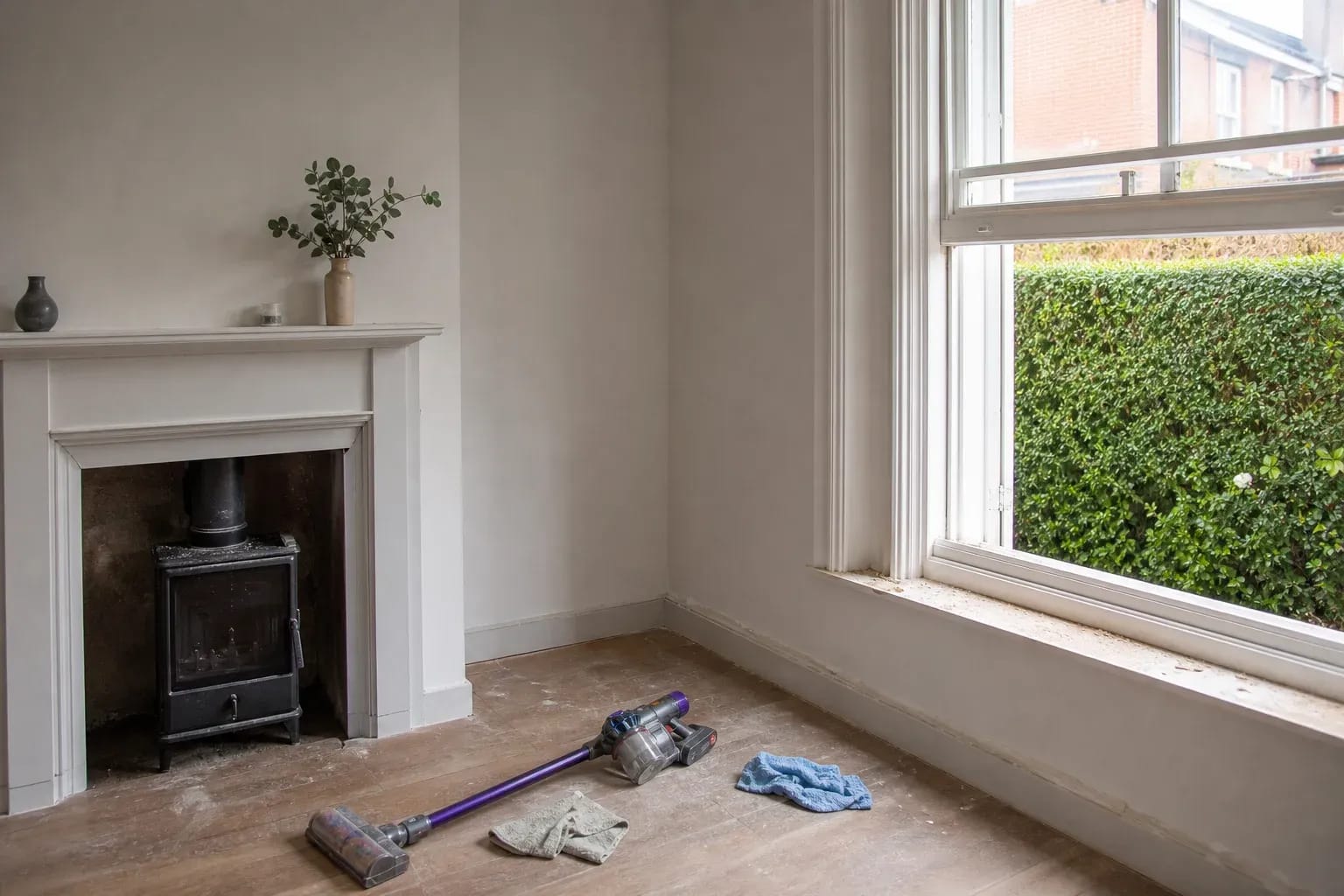
Step-by-step after builders cleaning checklist for UK homes: dust control, safe cleanup, kitchens and bathrooms, plus when to book professional cleaners via Taskino.
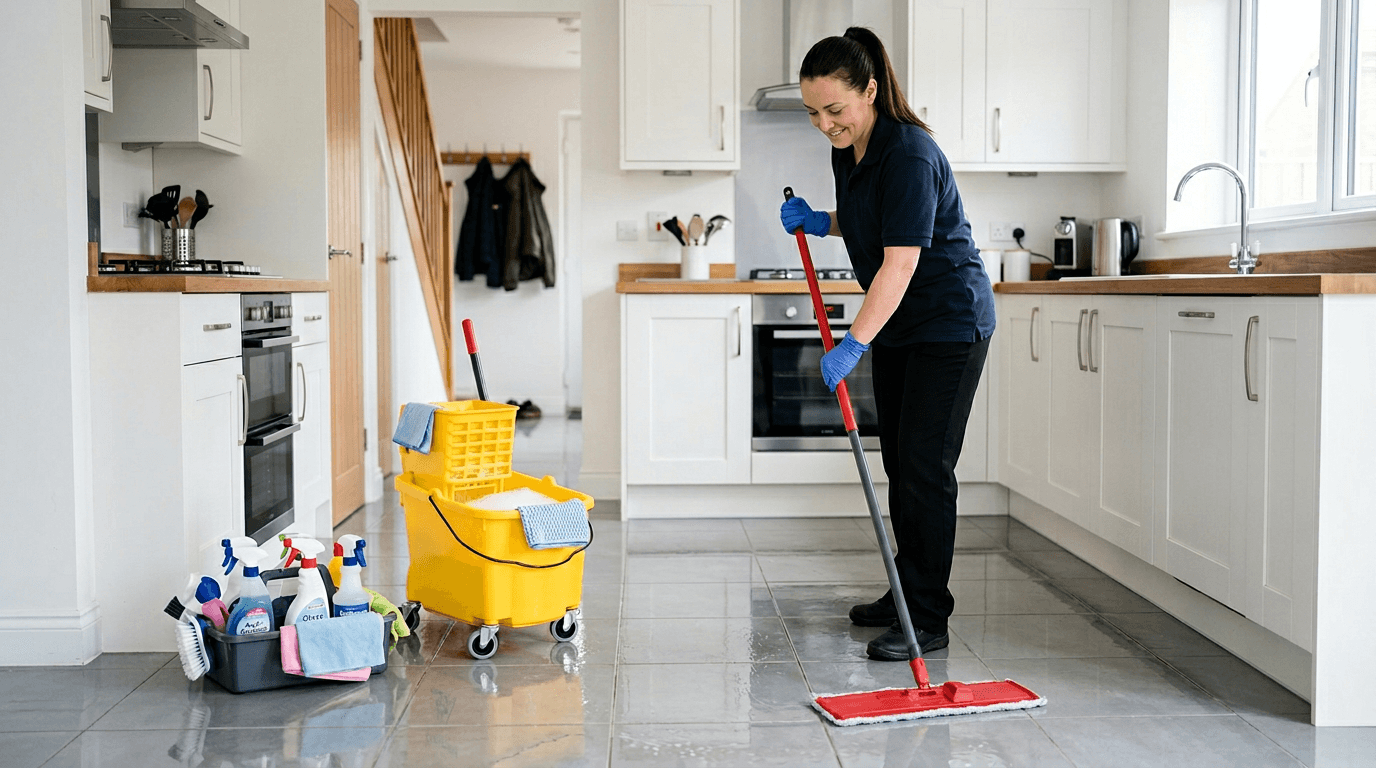
Understand the difference between regular and deep cleaning. What each includes and when to do each.
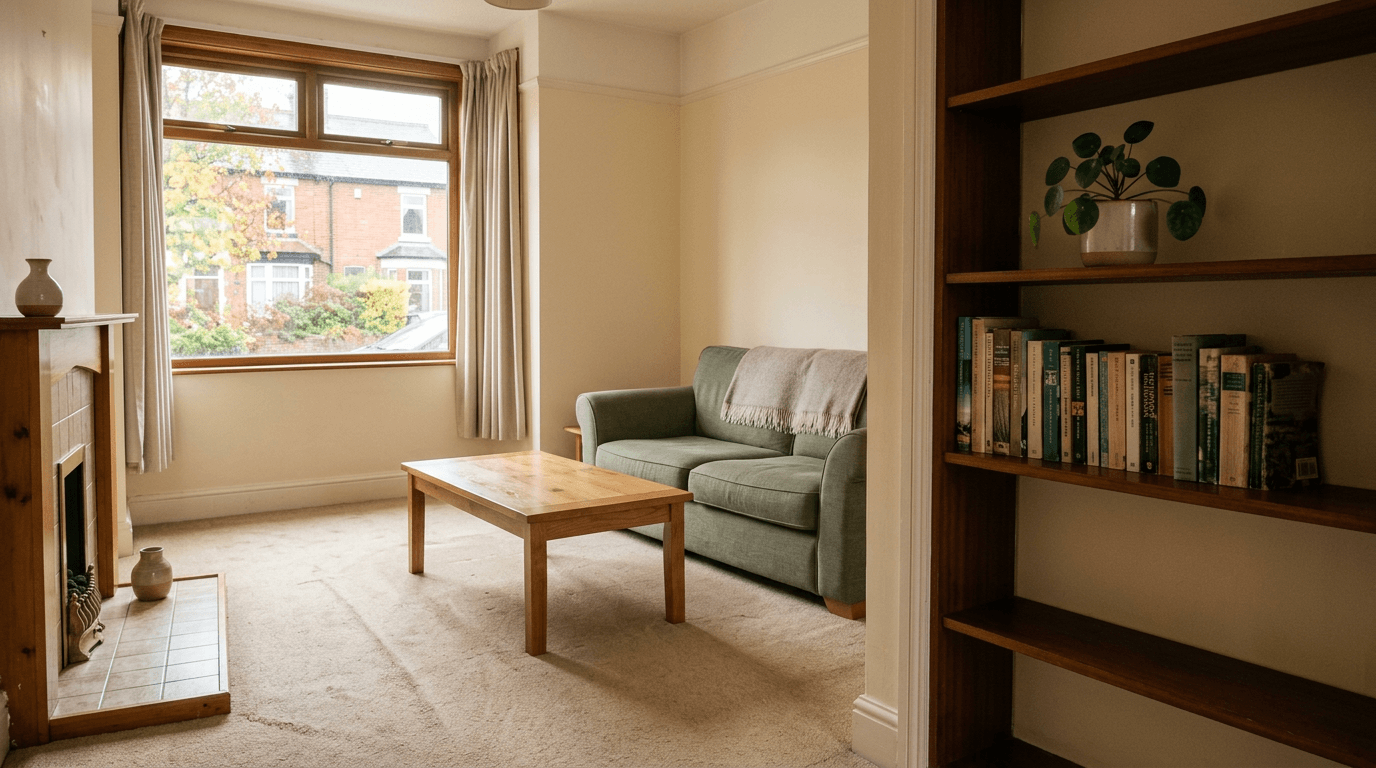
Declutter room by zone with keep, donate, and bin sorting, clear storage tips, and habits that keep UK homes tidier with less stress.
Latest in Cleaning Services
View all in this category
Five reasons professional office cleaning is essential for your business, from productivity and image to hygiene, smart spending and specialist support.

How to hire an NCCA-registered carpet cleaner or oven cleaning pro in the UK: 12 questions, red flags, contract rules and how to verify credentials.
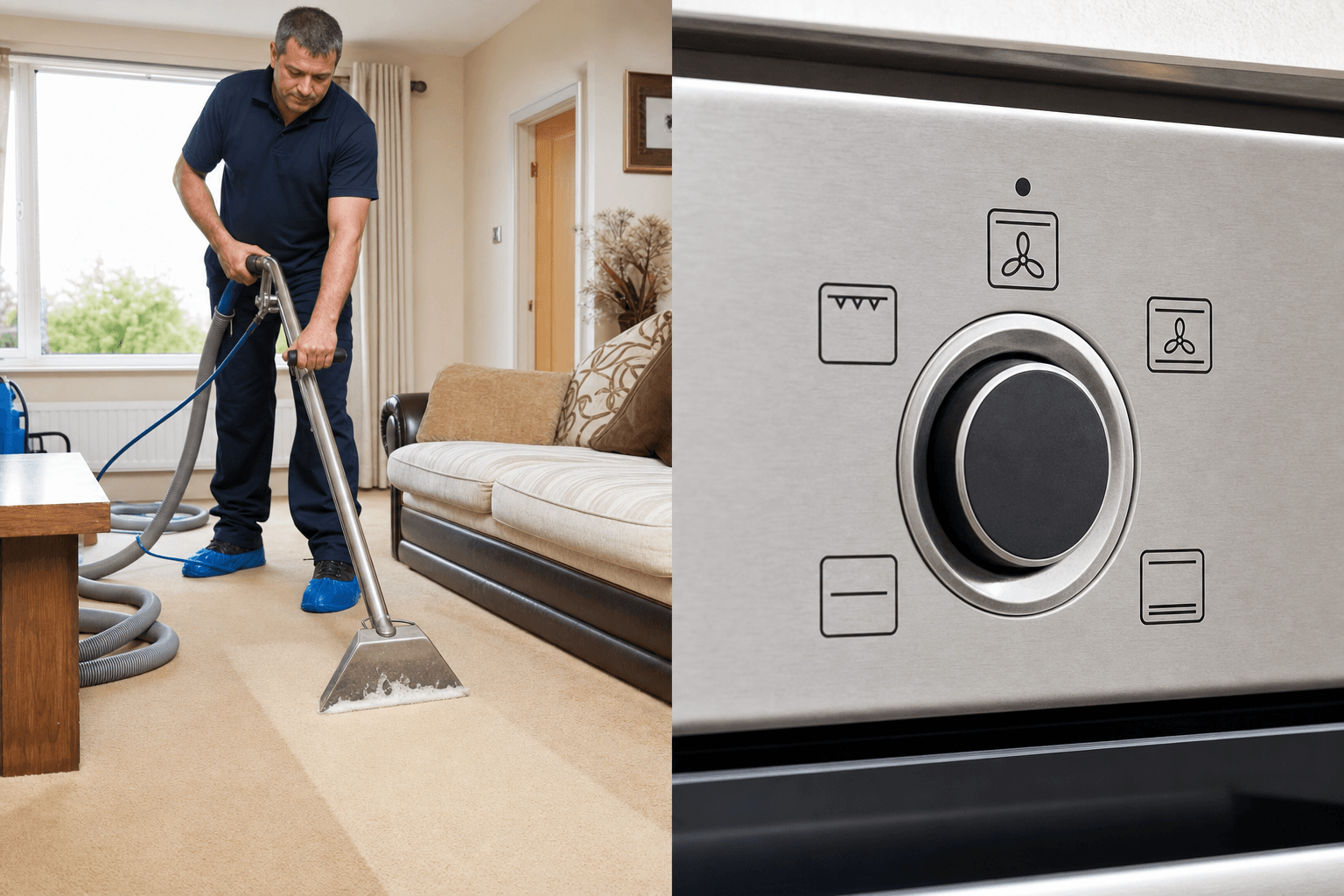
Steam vs dry vs hot-water carpet cleaning compared, plus every UK oven symbol decoded (fan, grill, broiling, pyrolytic) and which is right for your home.
Latest in Construction
View all in this category
Architect, design-and-build or DIY for your UK extension? Honest 2026 cost-benefit, ARB rules, when each wins, and the decision flowchart.

UK roofing mistakes that void insurance, damage slate or invite scams. Jet washing, cash payments, missing flashings, what they cost and how to avoid them.

Apply for house extension planning permission in 8 steps. UK 2026 rules, PD limits, Larger Home Extension prior approval, fees and timelines.
Related services
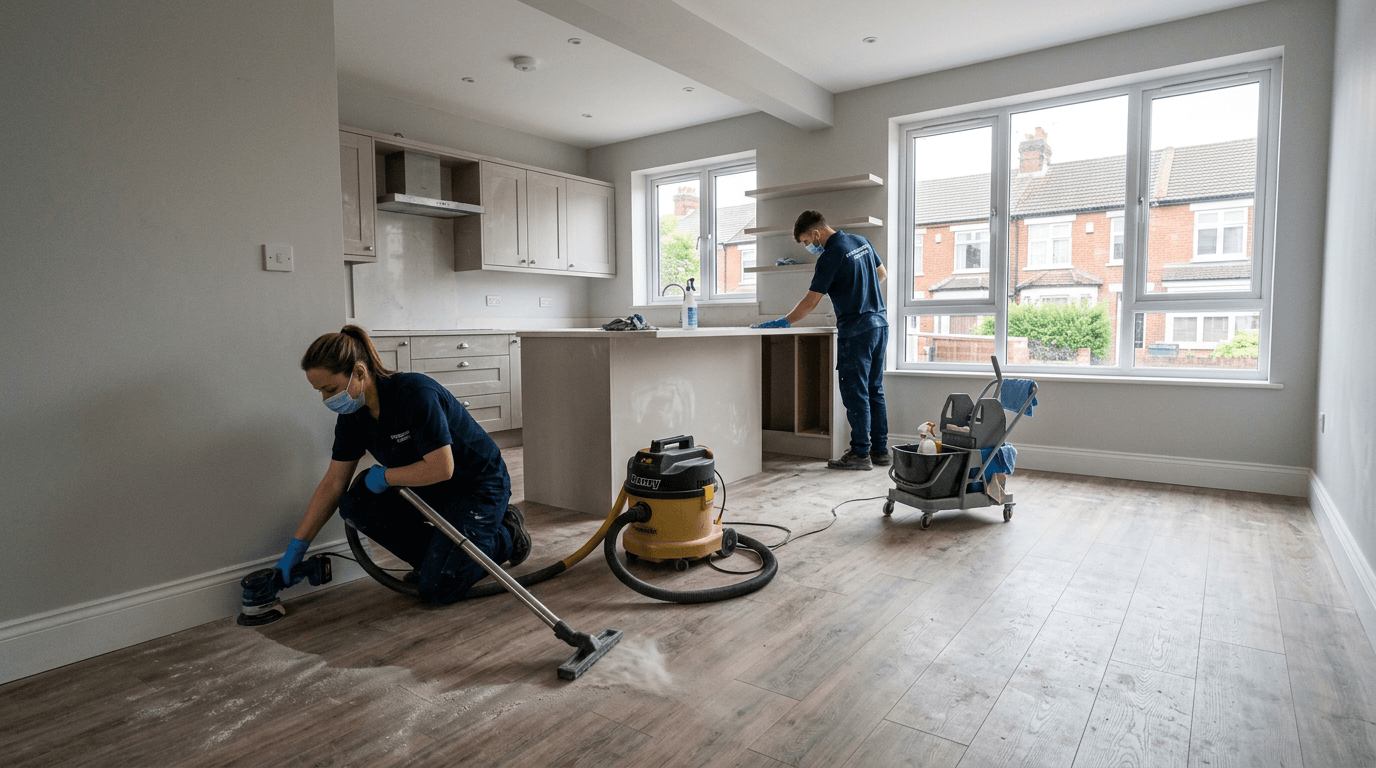
Professional After Builders Cleaning across the UK, removing dust, debris and paint marks. Taskino connects you with trusted cleaners for a thorough finish and clear quotes.
Ready to Book Your Service?
Tell us what you need and our team will help you find the right professional quickly, with clear pricing and no hidden fees.