

First Year in an Older UK Home: How to Hire Trades With Confidence
Practical tips for new UK homeowners: get comparable written quotes, agree a clear scope, and check in at sensible milestones. A calmer way to work with local trades, with help from Taskino when you are ready to book.
If you have just moved from a flat into an older house, the first year can feel less like a quiet upgrade and more like a crash course in people management. Taps, seals, small leaks, creaks, and a long list of jobs you never noticed before are suddenly your responsibility. You are not alone if you feel new to all of it, and you are not silly for wanting clear answers before you part with time and money. The good news is that a few simple habits, applied consistently, turn chaos into a process you can repeat on every project.
Why the first year feels so intense
An older home often hides wear that only shows up after you have lived in it a while. Damp days, temperature swings, and daily use can reveal what a short viewing could not. That means you will meet more specialists than you expected, from painters to fence repairs to small plumbing niggles. The emotional side matters too. When you are tired or stressed, it is easier to accept the first name someone hands you, especially if that name came from a person you were meant to trust during the move. A calmer approach is to slow down, compare, and let evidence guide you rather than urgency or charm.
Many first-time owners describe the same learning curve. They start by assuming good intentions everywhere, then they notice a pattern. The worst problems rarely come from a single dramatic mistake. They come from unclear scope, rushed site visits, missing prep steps, and work that is hard to check until it is too late. The goal of this article is to give you a simple playbook that sidesteps those outcomes while staying respectful to skilled tradespeople who do take pride in the job. When you are ready to book, Taskino is built around clear communication and a single, understandable path for local help, including work that is easier to get wrong if it is left vague.
Need help with Minor Repairs?
Tell us about your job and we will match you with the right professional for Minor Repairs.
Referrals: useful, not automatic proof
Recommendations are helpful when they come with detail. A name on its own is not a guarantee. If someone offers an inspector, a painter, a lender, or a general builder, ask what work was actually done, on what type of property, and whether there were any problems afterwards. You are looking for a pattern, not a performance. The same care applies to online star ratings, which are easy to game. Combine ratings with a short conversation, photos of past work, and a written description of your job, and you are already in a stronger position.
Where this matters in daily life is simple. If a repair turns into a bigger project, you want to know the steps in advance, not after materials arrive. If a finish needs careful prep, the estimate should name that prep, not just the top coat. If a fence line or boundary is involved, the scope should name removal of old materials if that is what you need, not only what is quickest on the day. Being polite but firm on scope is not rude. It protects both sides from misunderstanding.
Get several quotes, and make them comparable
A practical floor for small and medium jobs is to aim for more than one quote whenever you are hiring a tradesperson, and to push toward several when the job is large or you feel unsure. The point is not to win a race to the bottom on price. The point is to see whether everyone is pricing the same task. If one quote is dramatically lower or higher, the difference is often the scope, the materials, or the assumptions baked in. Ask for line items in plain language so you can compare like with like, not just a headline number.
Before anyone visits, collect photos and a short description of the issue. Measure what you can safely measure, list what you have already tried, and note any access issues such as parking or narrow entries. The more consistent your briefing, the more comparable the responses. This is one area where a marketplace approach can help, because you are describing the job once and the next steps are organised around a clear handover rather than a string of ad hoc messages.

Explore our Painting and Decorating service
See what is included, typical timings, and what to prepare before you book.
A rushed visit can hide missing detail
If someone will not turn off a noisy engine, step inside, or spend time on questions, treat it as a sign that your job may not be getting the attention it needs. A serious look at a repair or install usually involves questions about sequencing, access, and materials. A number thrown over a shoulder in a few minutes is not a plan, it is a guess. You do not have to be confrontational. You can simply say you will collect a few more quotes and follow up in writing, then see who responds with detail.
That is not the same as refusing every busy tradesperson. Good professionals are in demand, and you may have to wait for a slot. What you are screening for is willingness to be specific. If a schedule is tight, ask for a second short call, or a written follow-up, so you are not making big decisions in a hurry. When you do book a visit that matters, you can also prepare a one-page list of questions so the conversation does not float away on small talk. That habit costs nothing and saves a great deal of regret later.
Ask how the work will be done, in order
A written scope should list steps in the order they will happen, especially for anything involving preparation. For example, a stain or paint finish on timber usually needs a proper prep plan. If a step is not named, do not assume it is included. Ask what happens on day one, what the mess and noise will look like, and what you should keep clear. If a subcontractor is involved, ask how communication works so you are not left chasing several people for one outcome.
If you are considering painting and decorating on Taskino, you are already pointing at a class of work where prep shows up in the result. The same is true of minor repairs and fence repairs, where a quick method can be loud and fast but not what you want long term. You do not have to know every tool name. You only need a clear order of operations, and a sense that the person in front of you can explain the trade-off between speed and quality for your specific situation.

Ready to book Fence Repairs?
Send a quick enquiry — we typically respond the same working day.
Staying involved in a useful way
You do not need to breathe down someone’s neck, but you do need a reasonable way to see that agreed steps happen. A simple pattern is to agree checkpoints: start of work, mid-stage if relevant, and a walkaround before the final handover. Take dated photos in busy areas, keep messages in one place, and raise concerns early, when fixes are easier. If something looks off, pause and ask, rather than hoping it will be corrected silently. That is the difference between a difficult conversation on day one and a disaster on day five.
Respect is a two-way street. Tradespeople work in other people’s homes, which is physically and mentally demanding. If you are clear, realistic about access, and prompt with agreed decisions, the job tends to run more smoothly. What you are avoiding is a vague handover and then frustration when the output does not match a picture in your head that was never put into the brief.
A clear brief helps local professionals help you
This is the practical heart of the article. A decent outcome usually starts with a decent brief. The brief does not have to be technical. It should be honest, complete, and include what you care about, such as dust control, time windows, and how you will confirm completion. If you are juggling a few different repairs, consider whether a coordinated approach reduces empty slots and back-and-forth, rather than three separate one-off days that keep you off balance.

Learn more about Minor Repairs
Browse how we deliver Minor Repairs and the questions homeowners ask most often.
After the work: a simple handover you can use again
When a job is finished, walk the area in good light, test what can be tested safely, and ask how to look after the result in the first weeks. If something is not right, use the same calm specificity you used at the start. A clear snagging list, even a short one, is easier to resolve than a vague sense of disappointment. If you are happy, store the contact, the scope, and a couple of photos for next time, because maintenance has a way of coming back in a new place.
The first year is not a test you pass once. It is a set of skills you build, one job at a time. Over time, you will recognise good communication faster, and you will choose faster without choosing recklessly. That is the point at which your house starts to feel less like a list of problems and more like a place you run with confidence. Taskino is here to support that by keeping quotes understandable and the chain of work simpler when several steps belong together, but your judgment still matters, and that is a strength, not a weakness.
Frequently asked questions
How many quotes should I get for a home repair in the UK?
A sensible default is to aim for more than one written quote, and to seek several when the job is large, costly, or unfamiliar. The aim is to compare the same job, not to chase the cheapest number without reading the scope. If the quotes are wildly different, the next step is to ask what is included, not to pick a winner on instinct alone. Hiring a tradesperson becomes easier when each quote describes the work in a similar way.
What should a written scope include?
It should list the tasks, materials in broad terms, preparation, clean-up, and any assumptions about access. If something matters to you, name it, including time windows, parking, and whether old materials will be taken away. If a step is missing, ask for it to be added. A strong scope is your reference if the finish is not what you expected, because you can point to the agreed list rather than a memory of a quick chat.
Is it rude to watch while someone works?
It is usually unhelpful to stand inches away for long stretches. It is not rude to agree a few check-ins, to be on site for key moments, or to ask polite questions if something does not match what was described. The balance is awareness without hovering. If you are unsure, agree times in advance, then step back and let the work run until the next checkpoint. That is fair for both you and a skilled tradesperson who also needs room to work safely.
How can I compare quotes that look similar on price?
Look for differences in materials, time on site, preparation, and warranty or follow-up. If one price assumes a small fix and another assumes a full replacement, the numbers will not mean the same thing. Ask a short follow-up question that forces clarity, then update your notes. When you are hiring a tradesperson, the winner should be the clearest plan that fits your budget, not the boldest guess.
When is it worth using a service marketplace instead of word of mouth alone?
Word of mouth can be brilliant when you know the source well. A marketplace is useful when you need an organised way to request help, see clear terms, and reduce the admin of chasing people across many channels. The goal is the same: protect yourself with a written scope, compare properly, and stay involved. Taskino is designed to make the booking side calmer, especially when a job bundles several related steps, but you should still use the same good habits you would use with a private introduction.
Related posts

Practical new homeowner tips for the UK: stop taps, ladders, alarms, locks, moving boxes, maintenance budgets, and when to book local help.

Practical advice for planning and managing a home renovation. Tips to keep your project on track and stress-free.

Find out which home jobs need a professional handyman. Learn when DIY is enough and when to call in an expert.

Find out when roof damage needs a professional. Practical advice on what to do and when to call an expert roofing specialist.
Latest in Handyman
View all in this category
What is PAT testing, when you actually need it, and how to prevent EICR failures in a UK home in 2026, with frequencies and BS 7671 references.
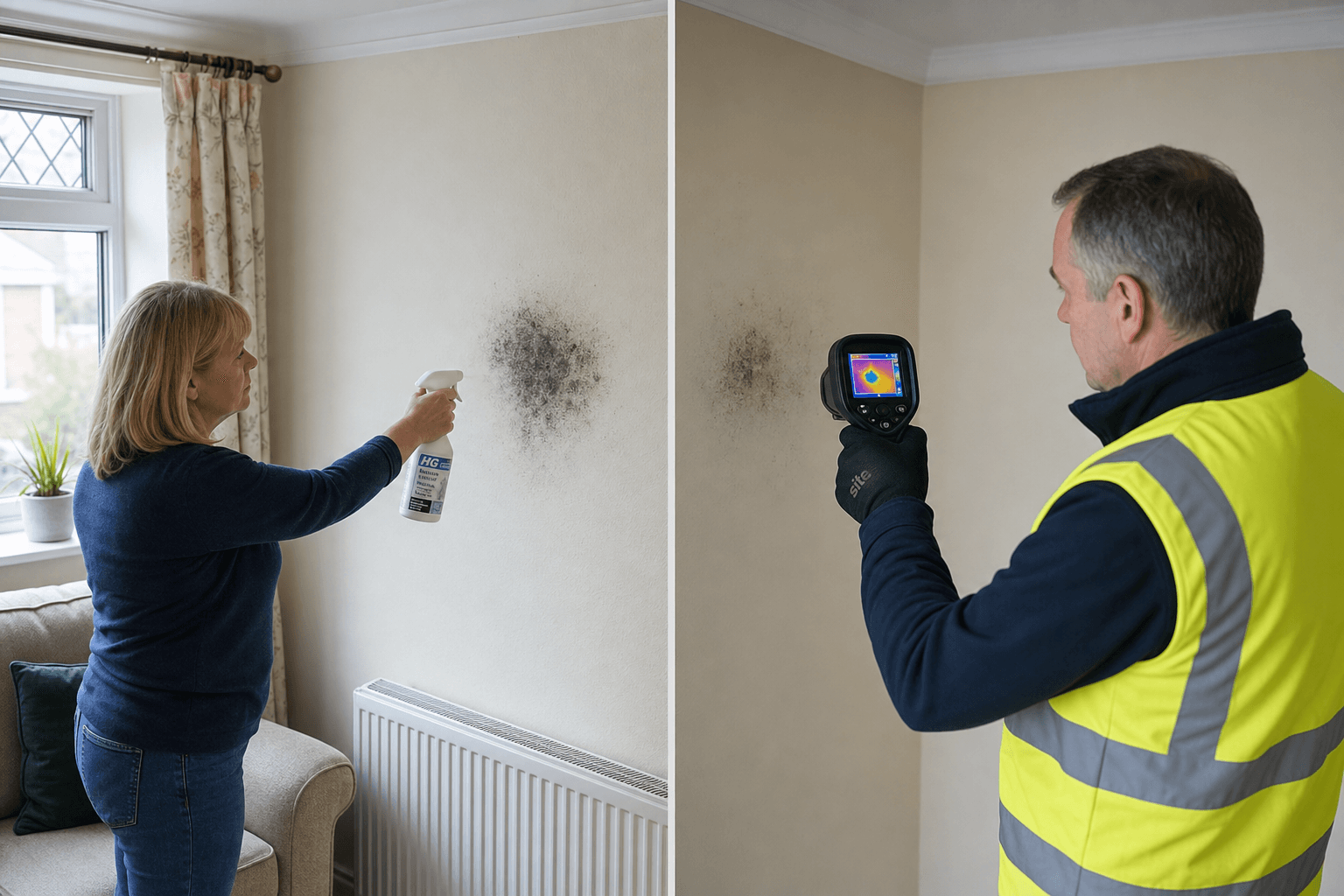
How to get rid of mould on walls permanently: when DIY beats a damp pro and when it doesn't. UK costs, HHSRS rules, and Awaab's Law thresholds.

Bleed a radiator safely in 8 steps. UK tools (£3 radiator key), when to STOP and call a Gas Safe engineer, plus how to balance afterwards.
Latest in Construction
View all in this category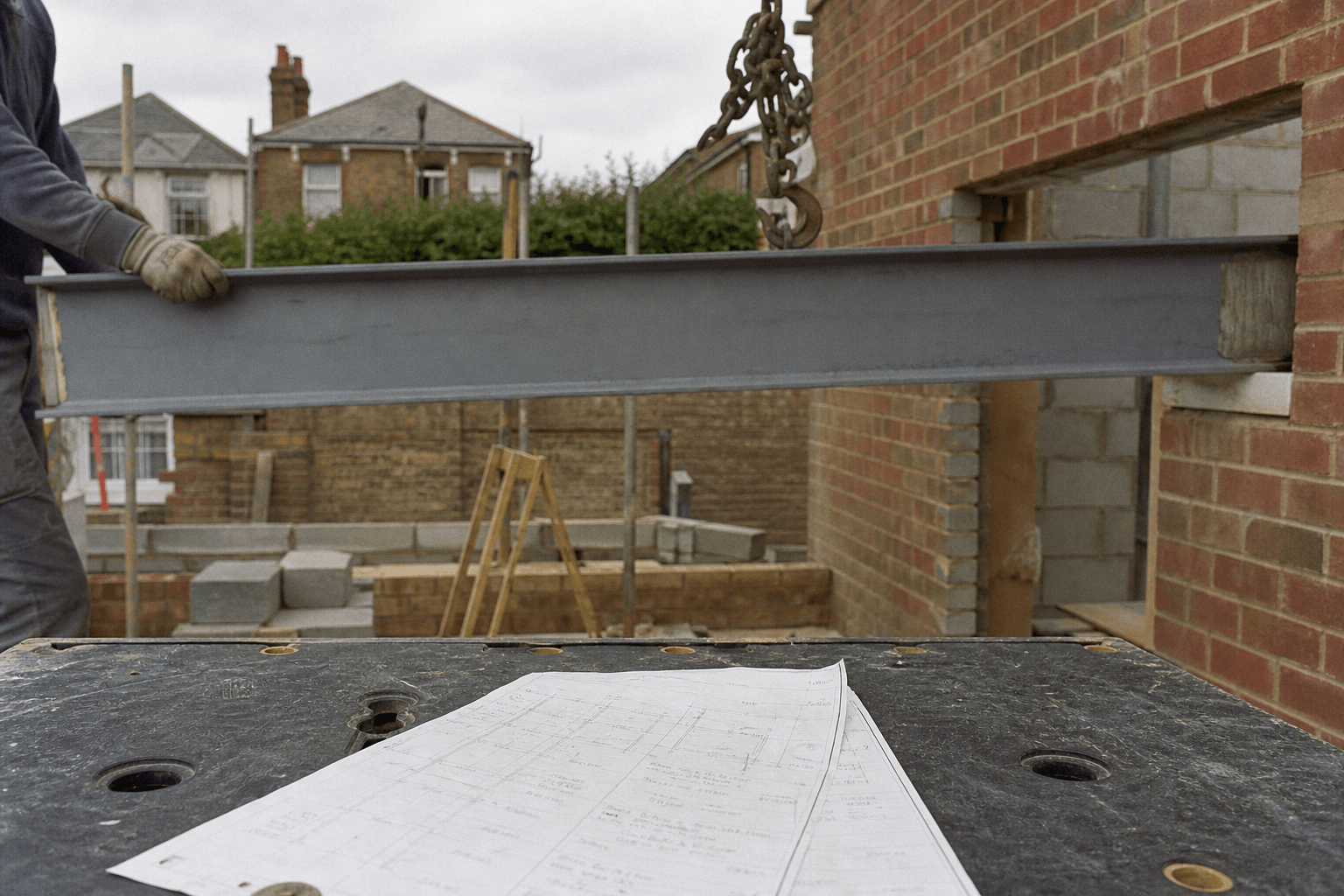
What an RSJ is, why UK 2026 extensions need pad foundations, IStructE engineer costs, Building Regs Part A, and when DIY won't fly. Honest UK guide.

UK 2026 roof material comparison, slate, clay tile, concrete, metal, EPDM, GRP and felt. Lifespan, cost per m², maintenance and 10-year ownership cost.
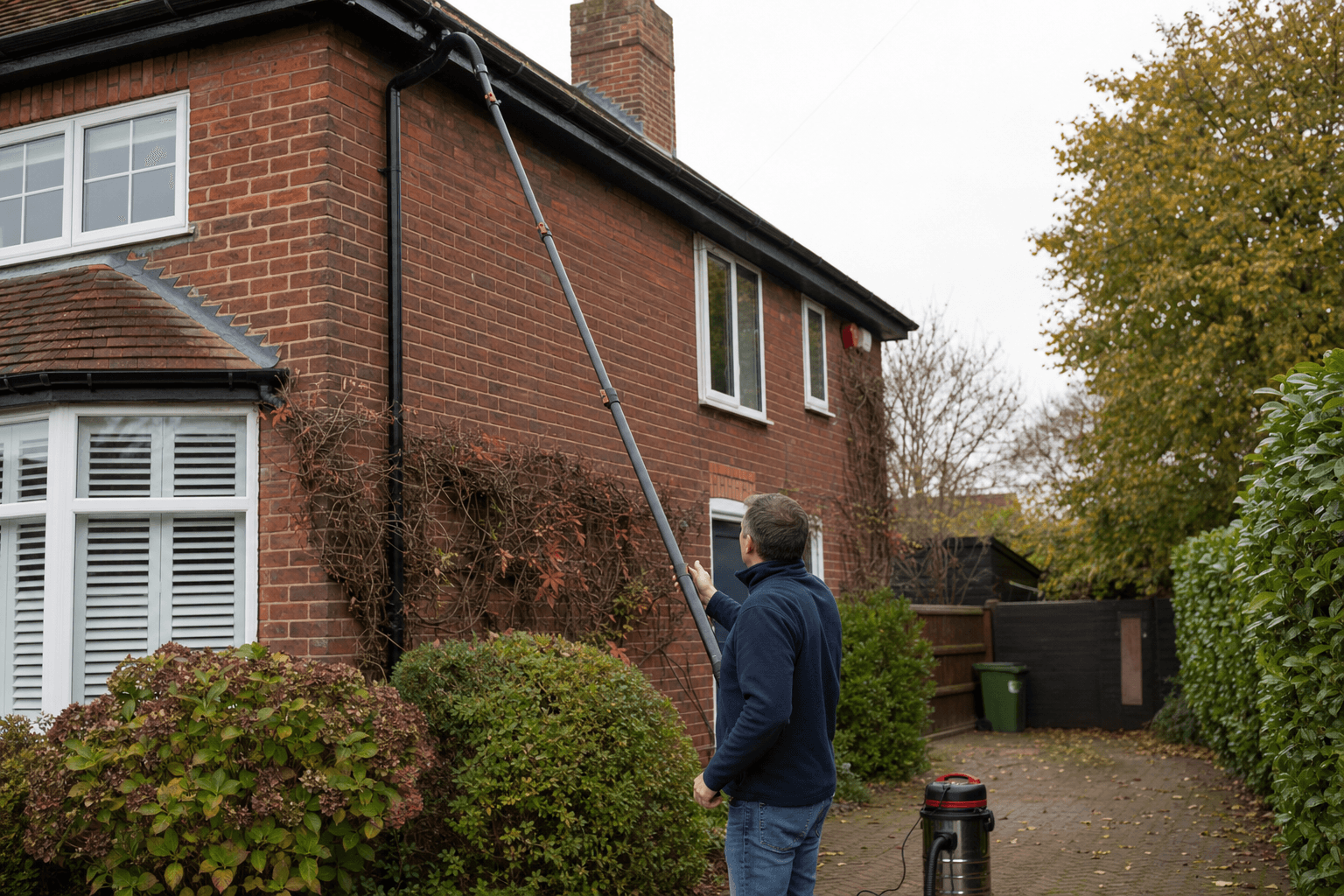
UK-tested gutter cleaning tools 2026: telescopic poles, gutter vacuums (SkyVac), drone roof inspection. Picks from £45 to £600 with safe ground-level use.
Related services

Minor repairs arranged through Taskino: taps, doors, plaster patches, loose fittings and more. Vetted handymen, clear quotes, fully equipped visits, and a tidy finish.

Professional Painting and Decorating for homes and businesses, with careful prep, tidy workmanship and clear quotes from trusted local specialists across the UK.
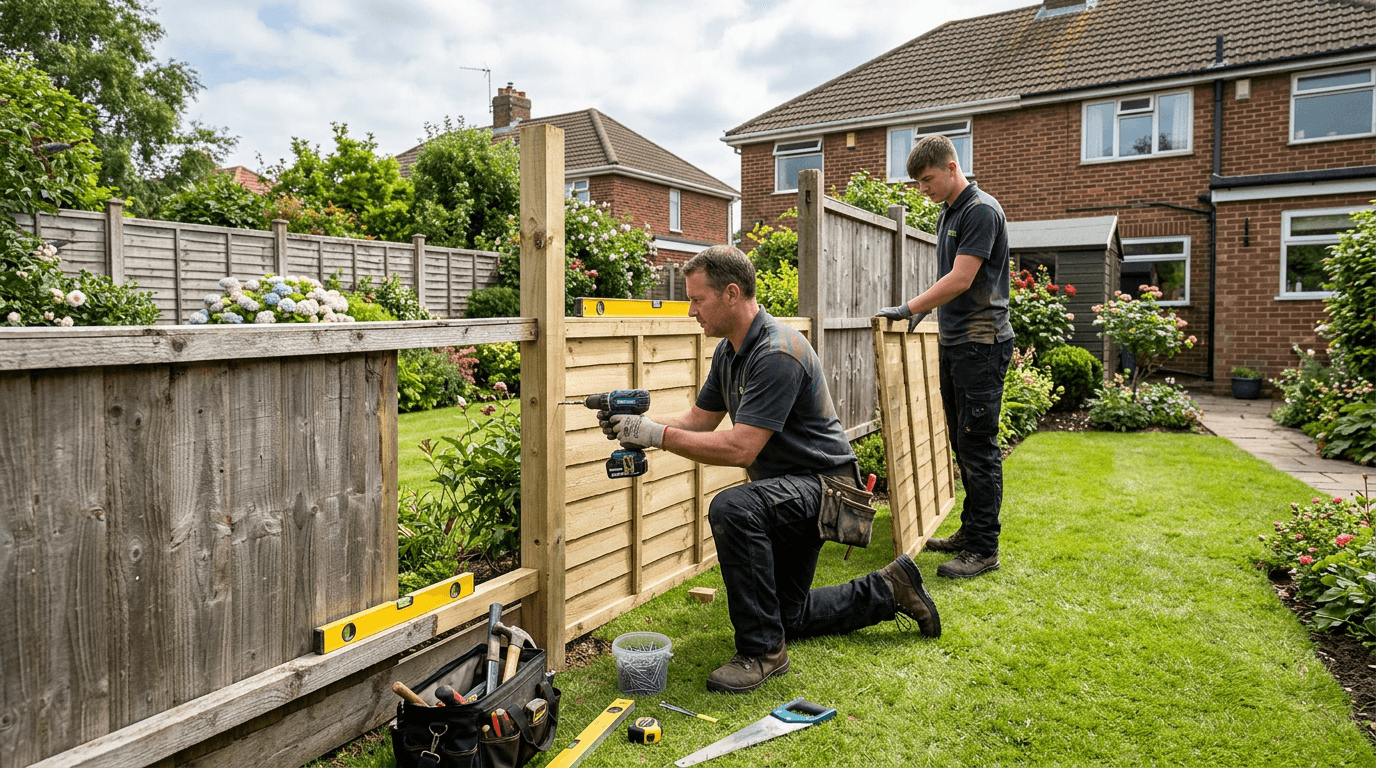
Fast, reliable fence repairs to restore security and appearance. Local, insured professionals carry out timber, panel and post repairs with clear quotes and no hidden fees.
Ready to Book Your Service?
Tell us what you need and our team will help you find the right professional quickly, with clear pricing and no hidden fees.