
When to Call a Handyman: Jobs That Need a Professional
Some jobs around the home are best left to a professional. Here is how to decide when to call a handyman instead of doing it yourself.
Tackling small jobs yourself can be satisfying and save money. But some tasks need tools, skills or experience you might not have. Knowing when to call a handyman helps you avoid costly mistakes and keeps your home safe. This guide outlines the kinds of jobs that usually need a professional, the signs you should get help, and the benefits of using a handyman for the right tasks.
Jobs that often need a handyman
Some household tasks are straightforward. Others need specialist tools, more strength, or experience to do safely and well. The following are jobs that homeowners often get wrong or find too difficult on their own.
Hanging heavy mirrors, TVs or large shelves
Heavy items need the right fixings and careful positioning. A TV bracket on plasterboard, for example, needs specific anchors and correct spacing. A handyman will choose the right fixings for your wall type, drill safely and mount the item level. They can also handle awkward weights and heights without risk to themselves or your property.
Assembling flat-pack furniture that needs more than basic tools
Some flat-pack items are simple. Larger wardrobes, beds or kitchen units often need power tools, extra hands and experience. A handyman can assemble them correctly, tighten everything properly and adjust doors and drawers so they open and close smoothly. Doing it wrongly can result in wobbles, damaged panels or items that fall apart.
Fixing doors that stick or do not close properly
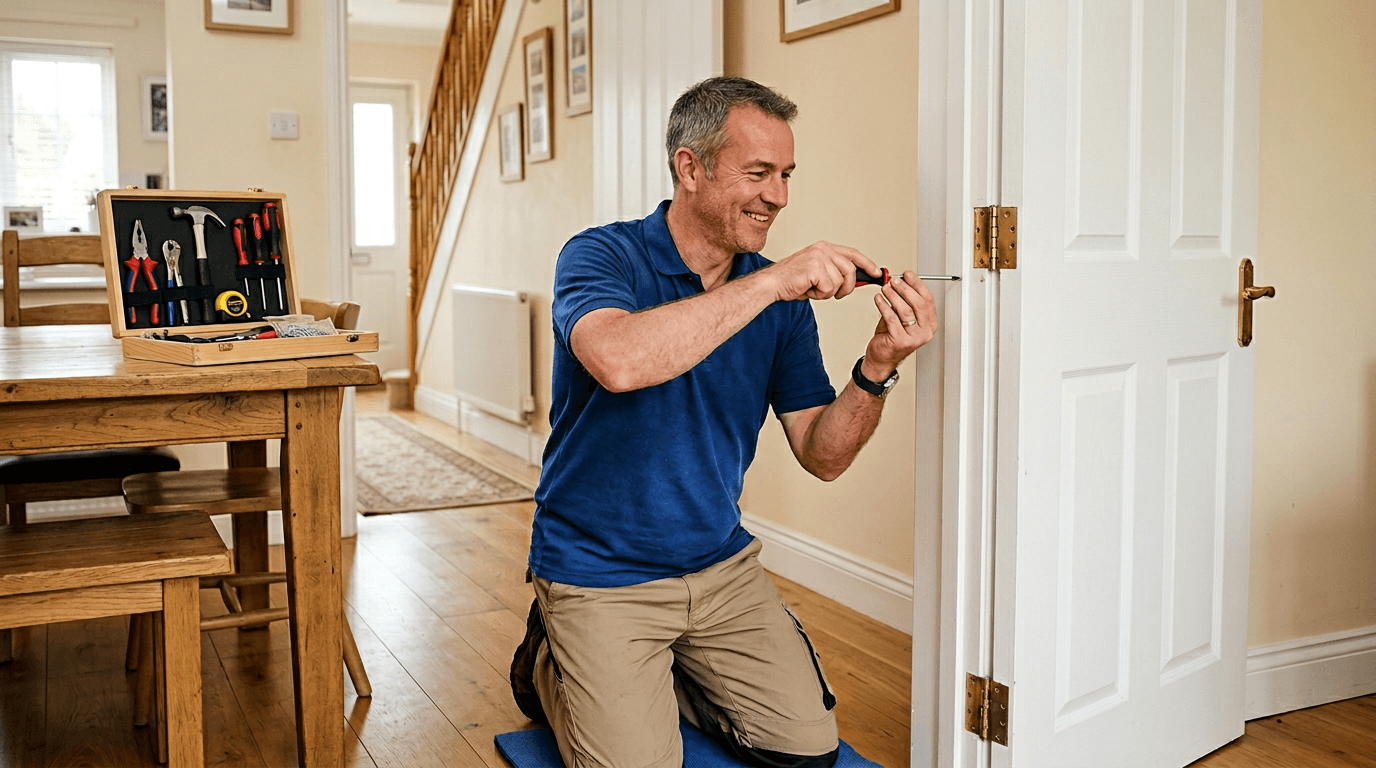
Sticking doors are often caused by hinges, swelling or frame movement. A handyman can diagnose the cause, adjust hinges, plane the door edge or fix the frame. Trial and error with a plane or saw can ruin a door. A professional will fix it without making things worse.
Minor repairs to locks or handles
Locks and handles can stick, loosen or break. Fixing them needs the right screwdrivers, understanding of how the mechanism works, and care not to damage the door or frame. A handyman can tighten, repair or replace them and ensure your home stays secure.
Sealing gaps around windows or doors
Gaps let in draughts and can cause damp. Sealing them needs the right products and application. A handyman can choose suitable sealant or weather stripping, apply it neatly and ensure a lasting seal. Poor sealing looks messy and may not last.
Need help with Door and Lock Repairs?
Tell us about your job and we will match you with the right professional for Door and Lock Repairs.
Signs you should get help
Even if a job seems small, certain factors suggest you should call a handyman. These signs indicate the task is beyond simple DIY.
- The job involves working at height: ladders, steps or reaching above head height
- You need power tools you do not own or have not used before
- The job could affect the structure of your home, such as cutting into walls or joists
- You have tried and the problem persists or has got worse
- The job involves anything near electricity, gas or water pipes
Benefits of using a handyman
A handyman brings the right tools and experience. Jobs get done properly and quickly, and you avoid the risk of injury or damage. For many tasks, it is cheaper in the long run than buying tools you may rarely use. You also save time: what might take you a weekend of trial and error can often be finished in an hour or two by someone who does it regularly.
Explore our Door and window repairs service
See what is included, typical timings, and what to prepare before you book.
How to choose a handyman
Look for someone who is experienced, insured and willing to give a clear quote. Describe the job accurately so they know what to expect. A good handyman will ask questions, explain the approach and give you a written quote before starting.
Do what you can safely yourself, and call a handyman when a job is beyond your skills or comfort zone.
Related posts
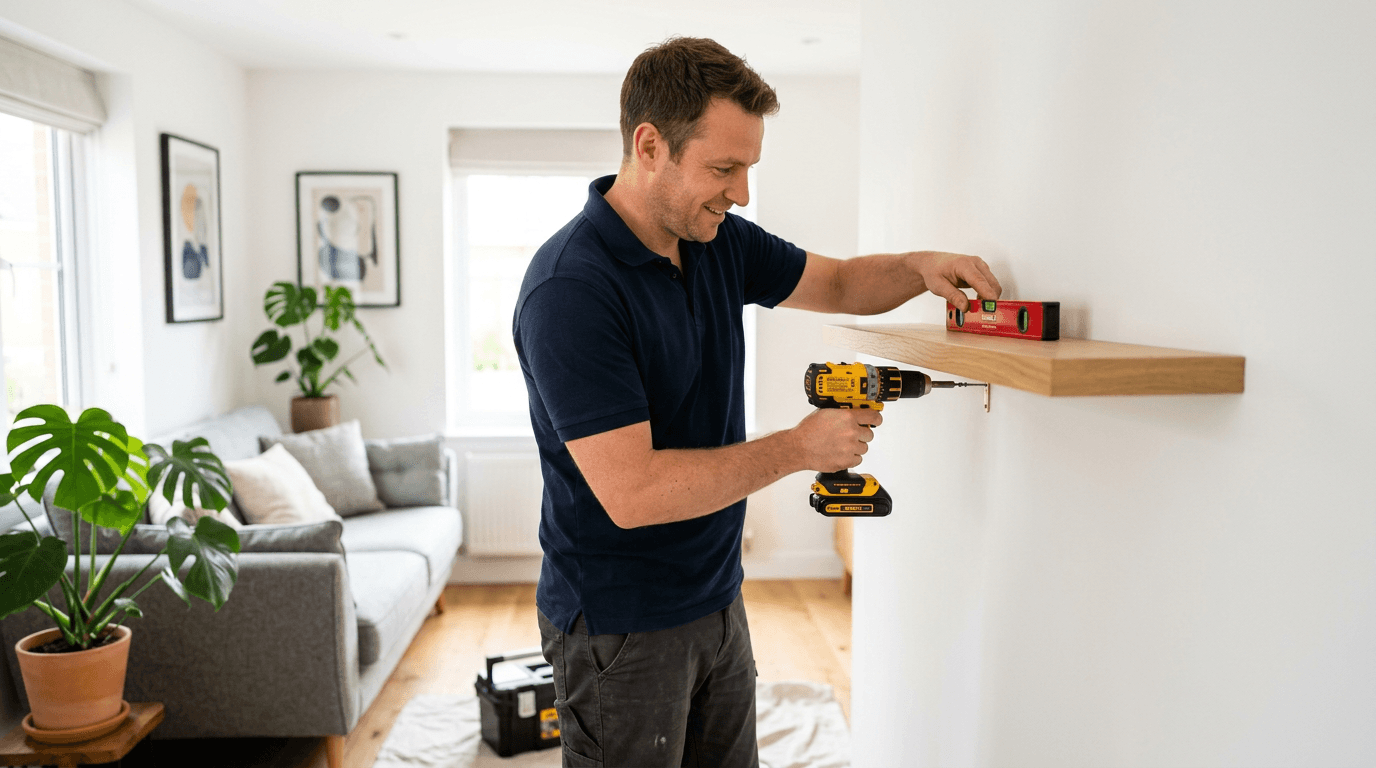
Practical tips for mounting pictures, shelves and notice boards safely. Learn how to fix items to walls without damage or danger.
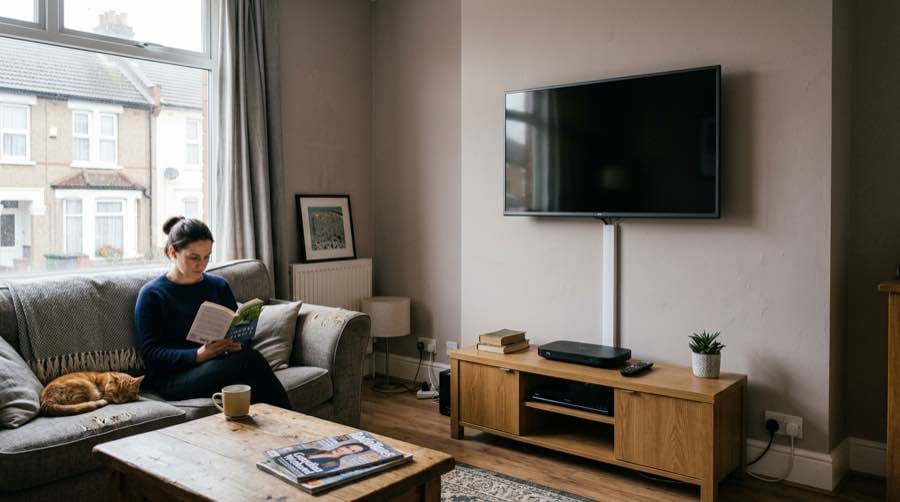
Check wall type, fixings, bracket ratings, and cables before TV mounting in the UK. A practical guide so your screen stays safe and the finish stays tidy.
Declutter room by zone with keep, donate, and bin sorting, clear storage tips, and habits that keep UK homes tidier with less stress.

Practical new homeowner tips for the UK: stop taps, ladders, alarms, locks, moving boxes, maintenance budgets, and when to book local help.
Latest in Handyman
View all in this category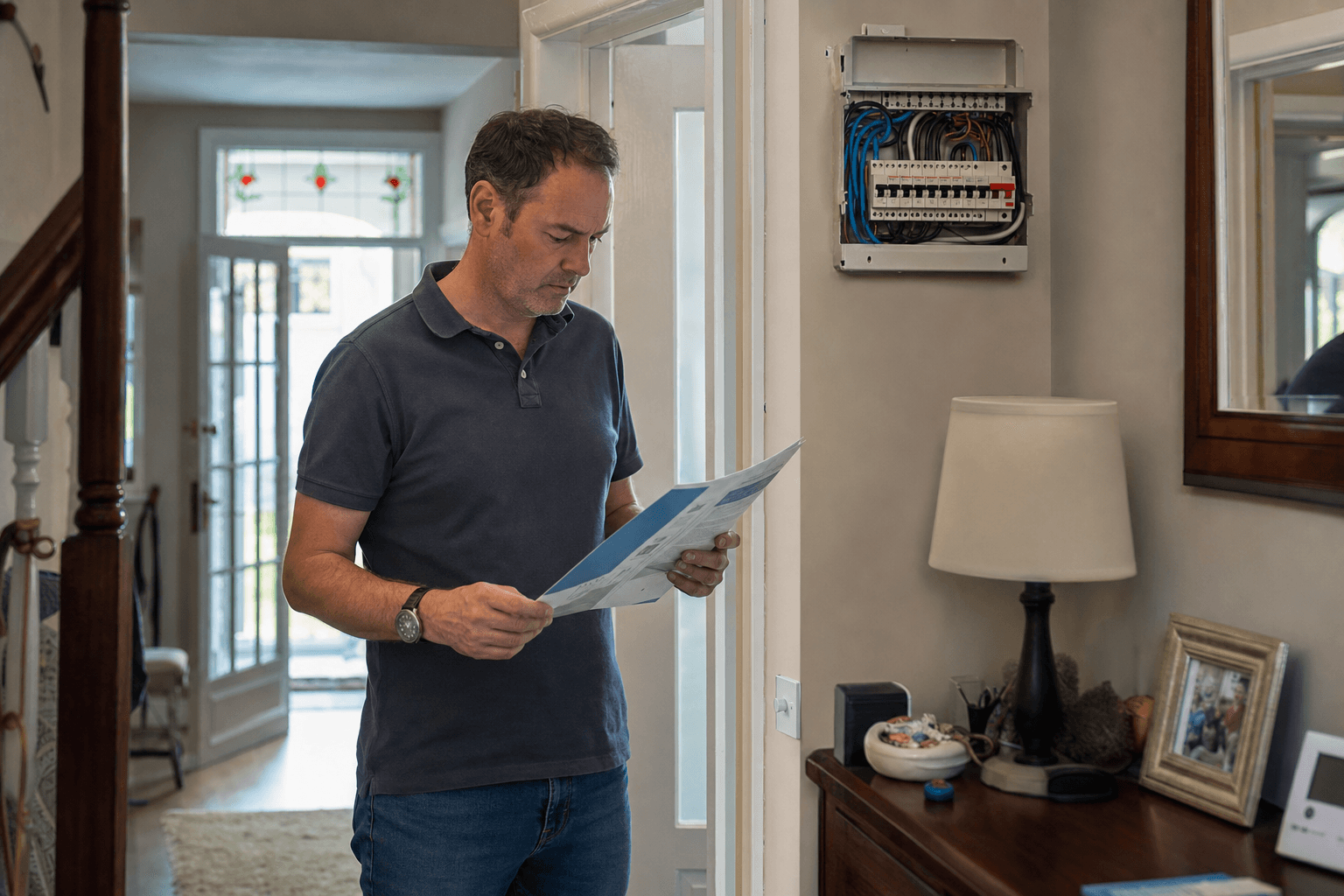
Part P notifiable electrical work in 2026: a room-by-room list of what you can legally DIY in a UK home and what needs an NICEIC electrician.
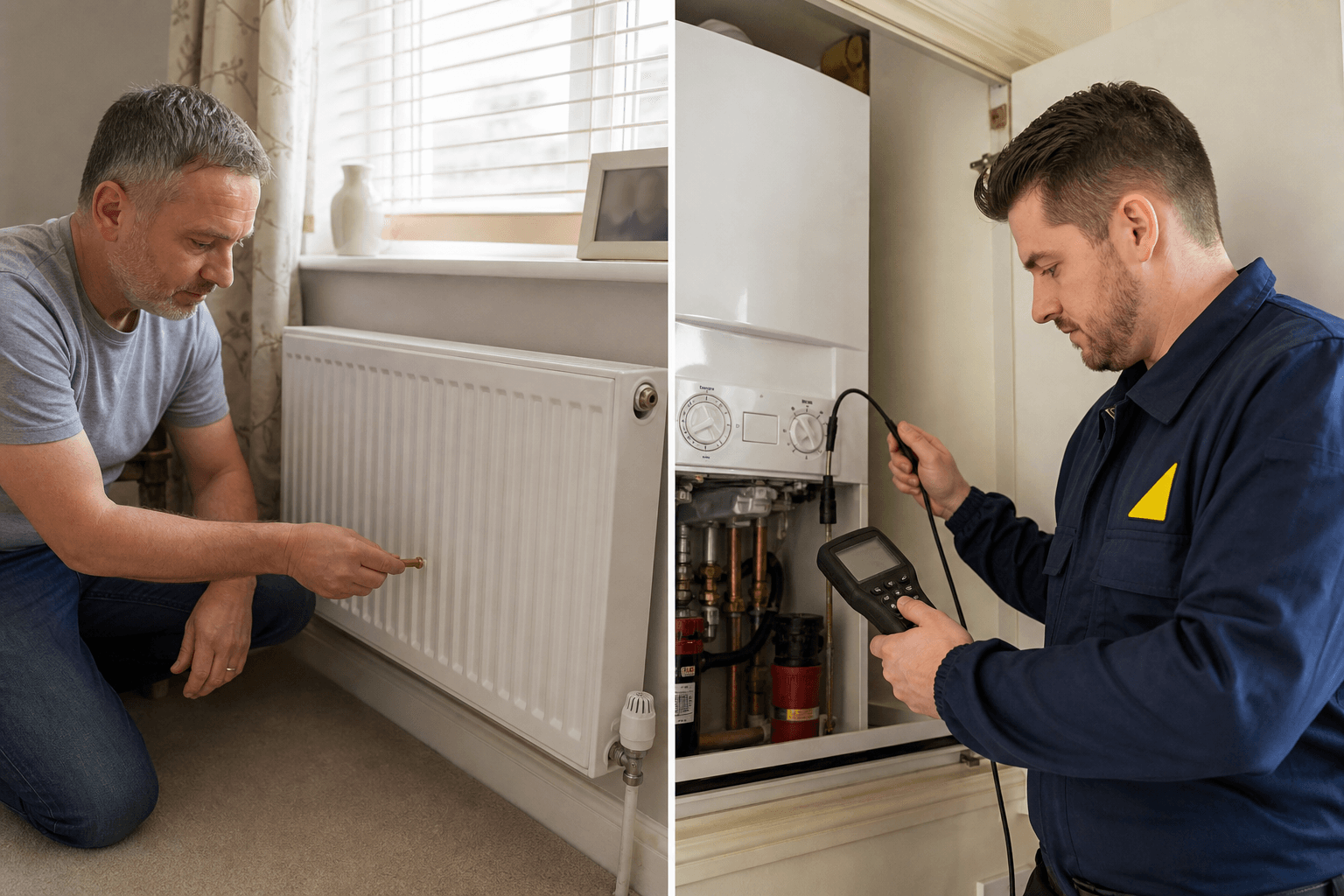
DIY gas work is a criminal offence in the UK. What's legal (bleeding, repressurising), what isn't, and when to call a Gas Safe engineer.
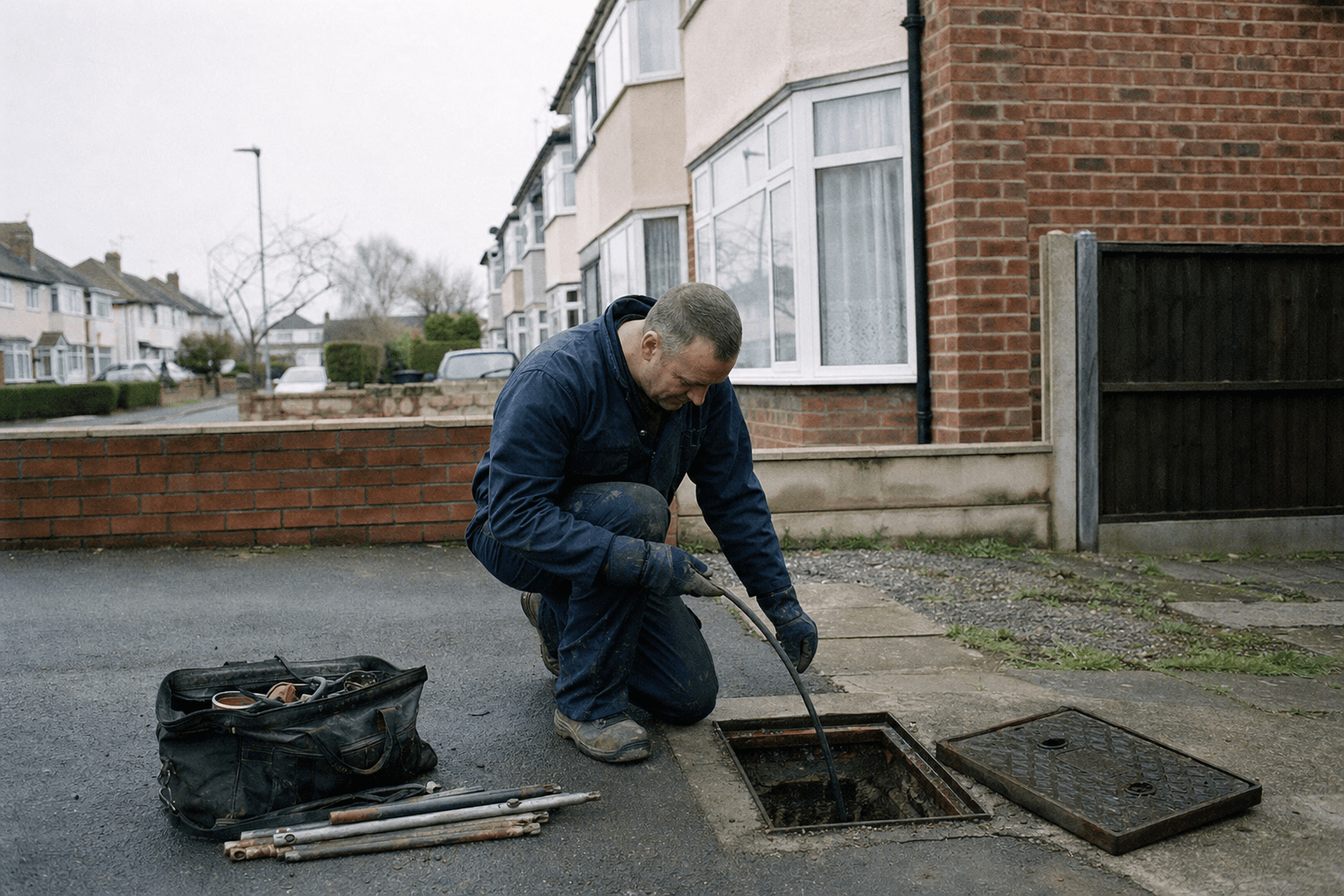
Hire a UK plumber for a blocked drain: 13 questions, who owns outside drains, and how to report a blockage to your water company. Get a fair quote.
Related services
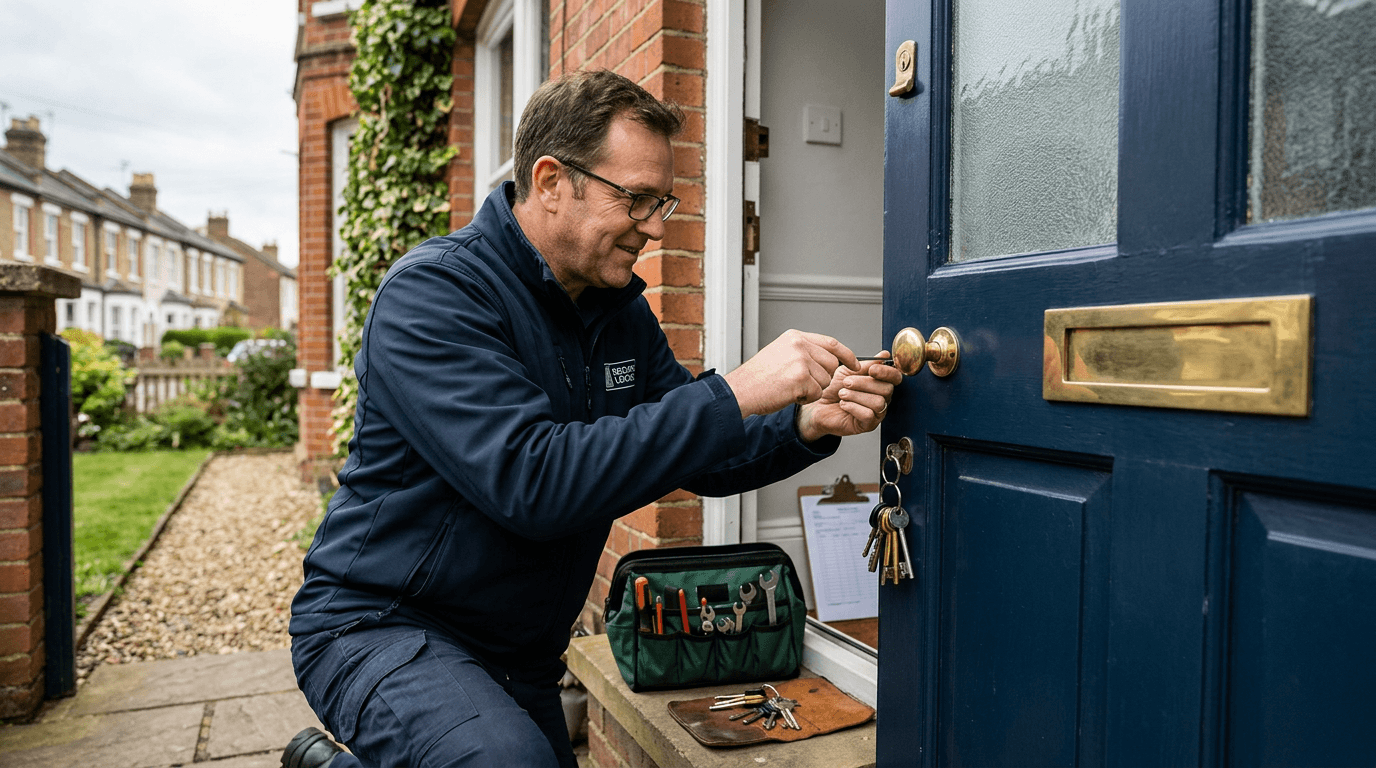
Professional door and lock repairs across the UK. We fix sticking doors, adjust latches and multipoint gear, change cylinders and handles, with clear quotes and insured handymen who arrive fully equipped.
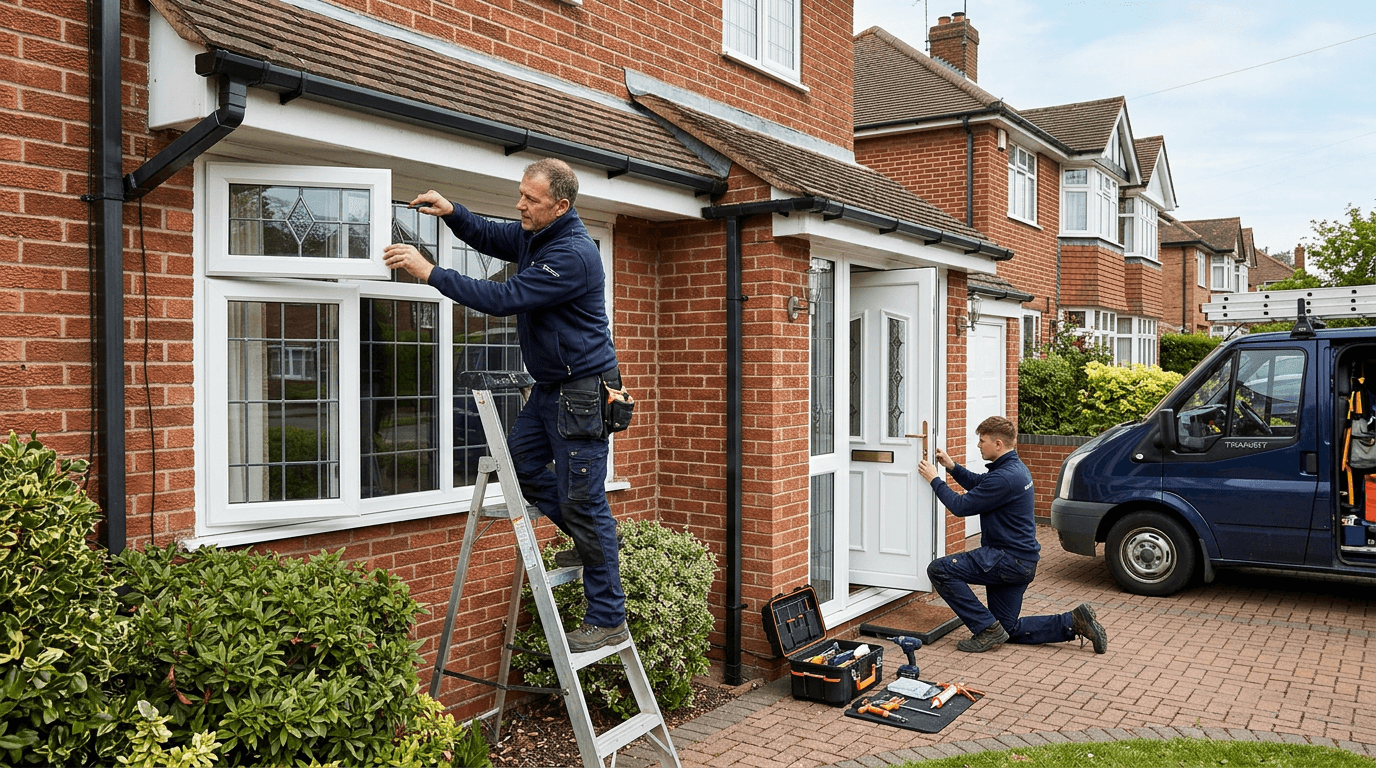
Fast, reliable Door and window repairs from vetted professionals. We fix hinges, locks, frames, and glazing with clear quotes, insured workmanship and a tidy finish.
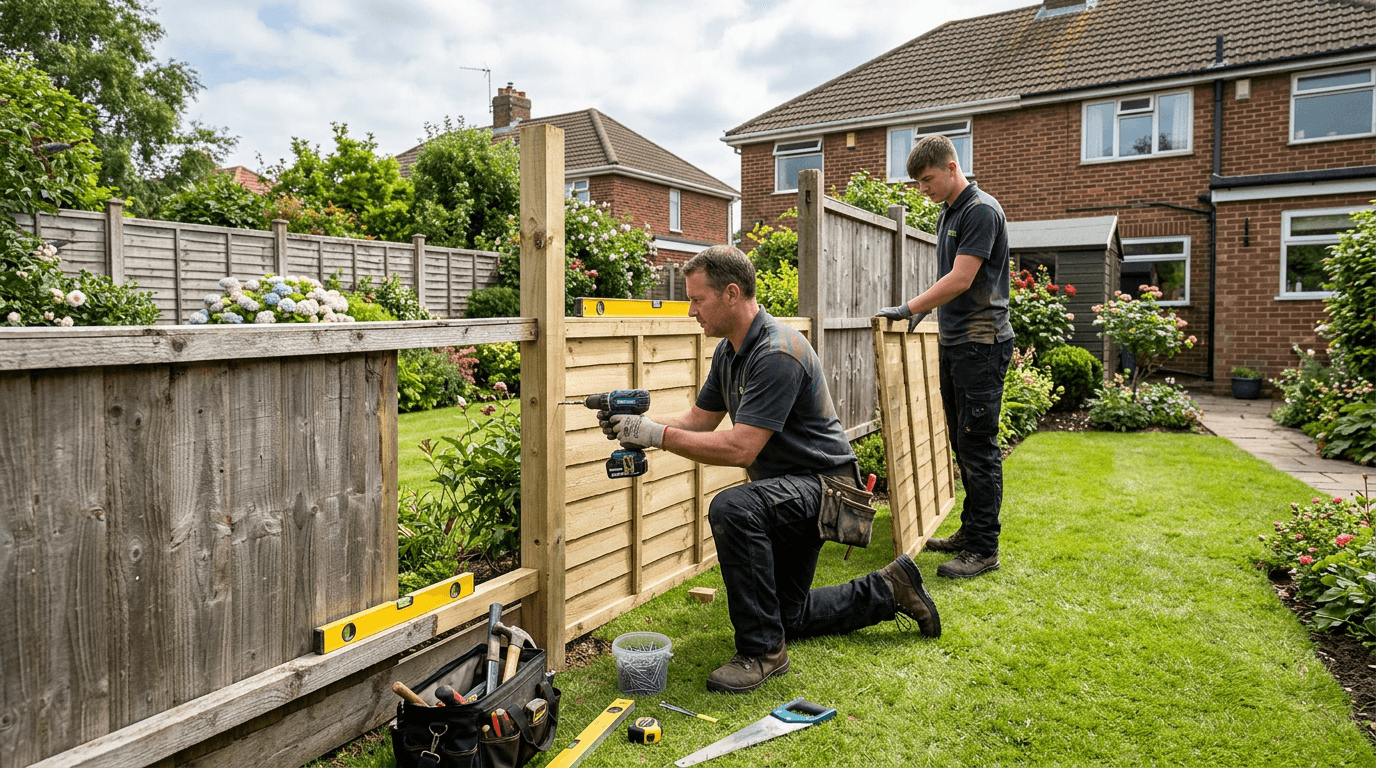
Fast, reliable fence repairs to restore security and appearance. Local, insured professionals carry out timber, panel and post repairs with clear quotes and no hidden fees.
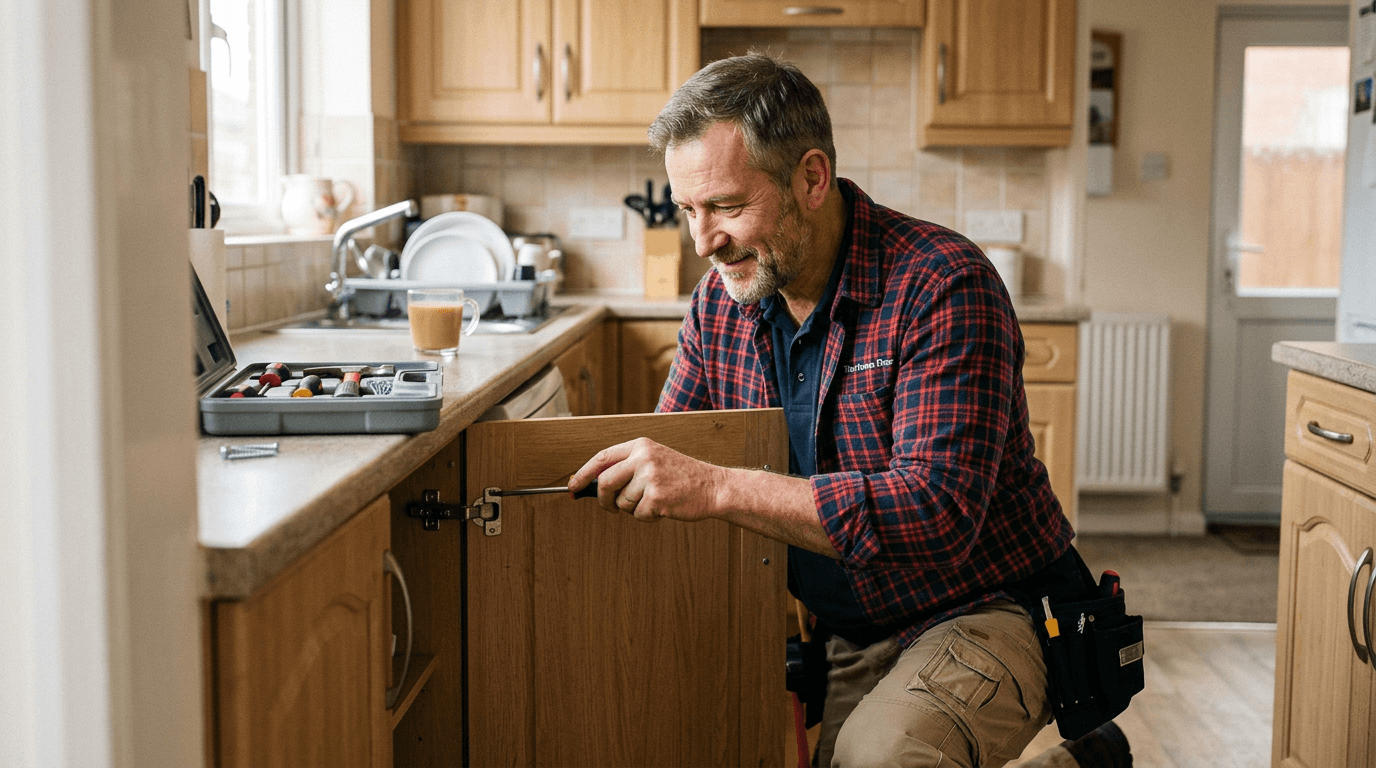
Minor repairs arranged through Taskino: taps, doors, plaster patches, loose fittings and more. Vetted handymen, clear quotes, fully equipped visits, and a tidy finish.
Ready to Book Your Service?
Tell us what you need and our team will help you find the right professional quickly, with clear pricing and no hidden fees.