
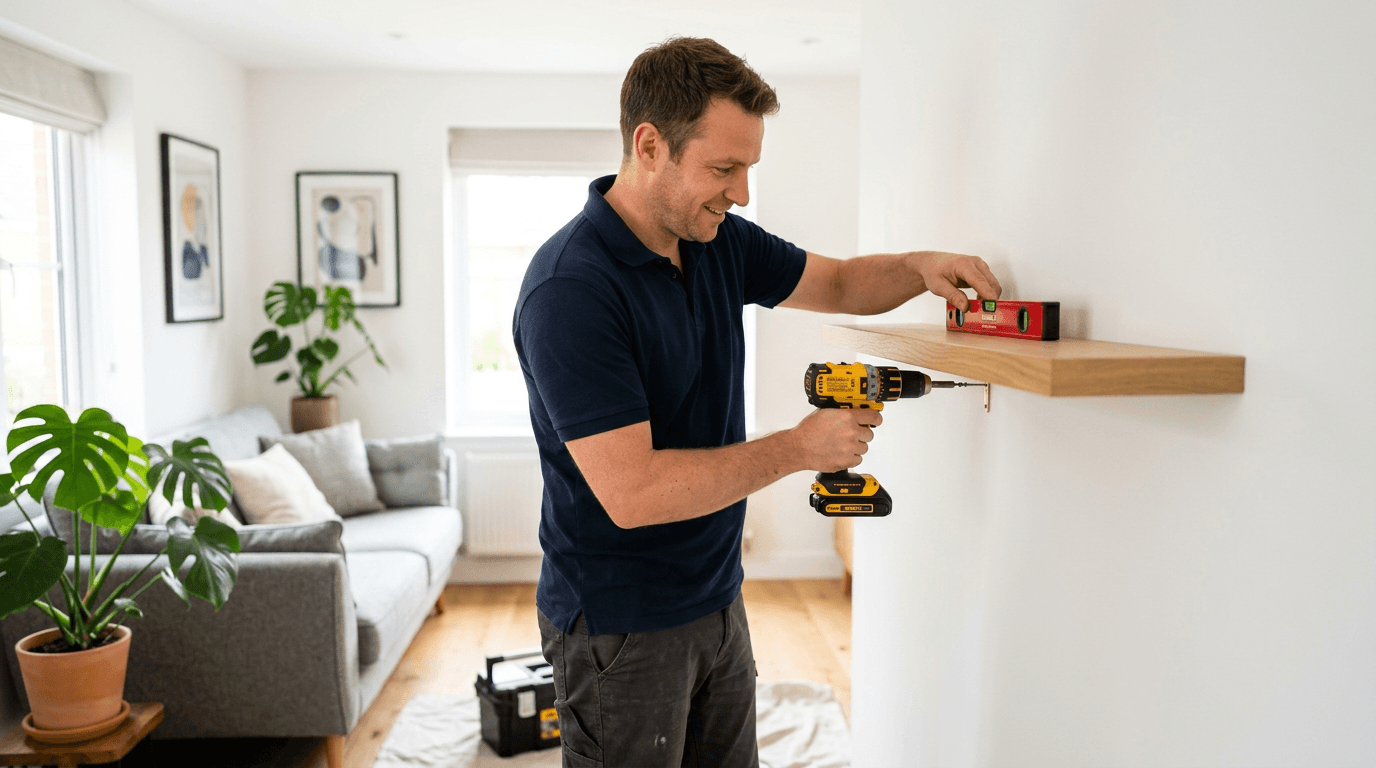
10 Tips for Safe Wall Mounting and Fixings
Mounting pictures, shelves and notice boards properly keeps your home safe and organised. Here are practical tips to get it right.
Whether you are hanging a picture, putting up a shelf or fixing a notice board, doing it properly matters. A well-mounted item stays put and avoids damage to your walls. Poor mounting can lead to holes, cracks, items falling and even injury. Here are ten practical tips to help you get wall mounting right and keep your home safe and organised.
Choose the right fixings
Match your fixings to the wall type. Solid brick and concrete walls need different fixings from plasterboard. Light items like small pictures may only need a simple nail or screw. Heavier items like shelves, mirrors or TVs need wall plugs, anchors or toggle bolts. Check the weight of what you are hanging and use fixings that can support it. If the packaging says a shelf holds 10 kg, use fixings rated for at least that weight. Using the wrong fixings is one of the main reasons items come loose.
Need help with Shelving and Wall Fixings?
Tell us about your job and we will match you with the right professional for Shelving and Wall Fixings.
Identify your wall type
Before you buy fixings, work out what your wall is made of. Tap it gently: a dull thud usually means solid brick or block, while a hollow sound suggests plasterboard on studs. Some walls are a mix. Plasterboard is common in modern homes and needs special hollow-wall anchors or plasterboard fixings. Solid walls take traditional wall plugs and screws. If you are unsure, a handyman can advise and do the job safely.
Measure twice, drill once
Use a spirit level and pencil to mark where you want the fixings. Double-check before drilling. A small mistake here can mean wonky shelves, pictures that hang at an angle or holes in the wrong place. For a single item, mark the centre point. For shelves or long items, mark both ends and check they are level. For picture hooks, measure down from the ceiling or up from the floor to keep things consistent across a wall. Take your time at this stage.
Explore our TV Mounting service
See what is included, typical timings, and what to prepare before you book.
Use the right drill bit
The drill bit should match the size of your wall plug. Too big and the plug will not grip. Too small and you risk cracking or splitting, especially in plaster. Many wall plug packs show the recommended drill bit size on the packaging. Use a masonry bit for brick and concrete, and a general-purpose or wood bit for softer surfaces. Let the drill do the work; do not force it.
Drill to the correct depth
The hole should be slightly deeper than the length of the wall plug. This gives the plug room to sit flush and the screw to go in fully. If the hole is too shallow, the plug will not seat properly and the fix will be weak. Use tape on the drill bit as a depth guide if needed. Clean the hole with a brush or by blowing gently to remove dust before inserting the plug.
Ready to book Shelving and Wall Fixings?
Send a quick enquiry — we typically respond the same working day.
For notice boards and signs
If you need to mount a notice board or safety sign, make sure it is secure and visible. Use at least two fixings for stability; a single fixing can let the board twist or fall. Place it at a height where it can be read easily. For a cork board or whiteboard, check the back for pre-drilled holes or mounting points. Follow the same steps: the right fixings, level marks and correct drilling. A poorly fixed notice board can be a hazard if it falls.
Consider weight distribution
Heavy items like TVs or large mirrors put more strain on fixings. Spread the load by using multiple fixing points. For a TV bracket, use all the holes provided. For a heavy shelf, use at least two brackets and space them evenly. The packaging or instructions usually specify the number and spacing of fixings. Do not skip them to save time.
Learn more about TV Mounting
Browse how we deliver TV Mounting and the questions homeowners ask most often.
Check for pipes and cables
Before drilling, think about what might be behind the wall. Pipes often run vertically near radiators, sinks and toilets. Cables may run horizontally or vertically from switches and sockets. A pipe and cable detector can help you avoid them. If you hit something, stop and reassess. Damaging a pipe or cable is costly and dangerous. When in doubt, call a handyman who can locate and work around services safely.
Use a level for multiple items
When hanging several pictures or shelves in a row, use a spirit level to keep them aligned. Even a small tilt looks obvious when you step back. For a gallery wall, some people mark the layout on the wall with paper templates first. This helps you get the spacing and alignment right before drilling.
Thinking about Shelving and Wall Fixings?
Share your postcode and job details for a no-obligation quote.
When to call a handyman
Heavy items, awkward heights or walls that are difficult to drill often need a professional. A handyman has the right tools and experience to mount things safely. If you are unsure about wall type, weight limits or fixings, it is better to get help. The same applies if you have tried and the item keeps coming loose. A handyman can assess the wall, choose the right fixings and do the job properly.
Take your time, use the right fixings and do not rush. When in doubt, ask a handyman to do the job so your walls and your belongings stay safe.
Related posts
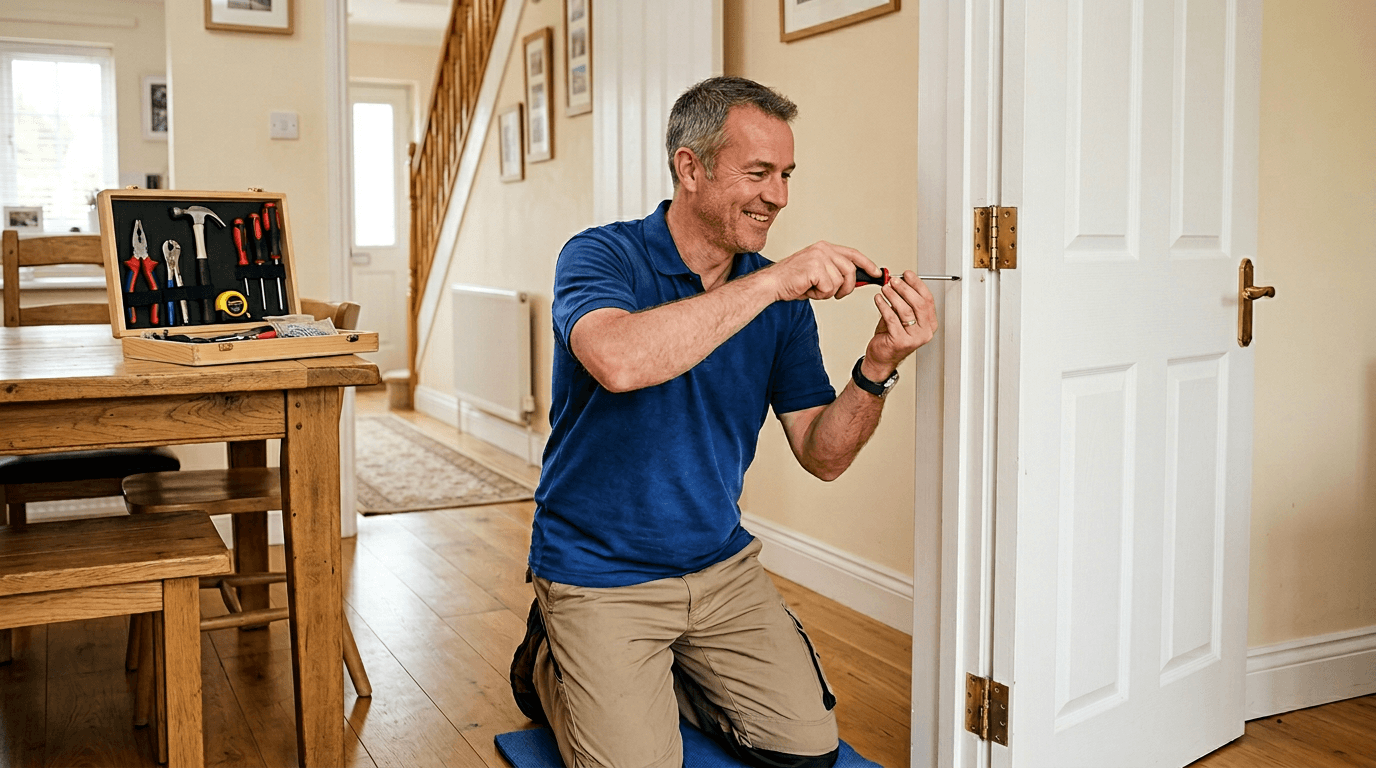
Find out which home jobs need a professional handyman. Learn when DIY is enough and when to call in an expert.
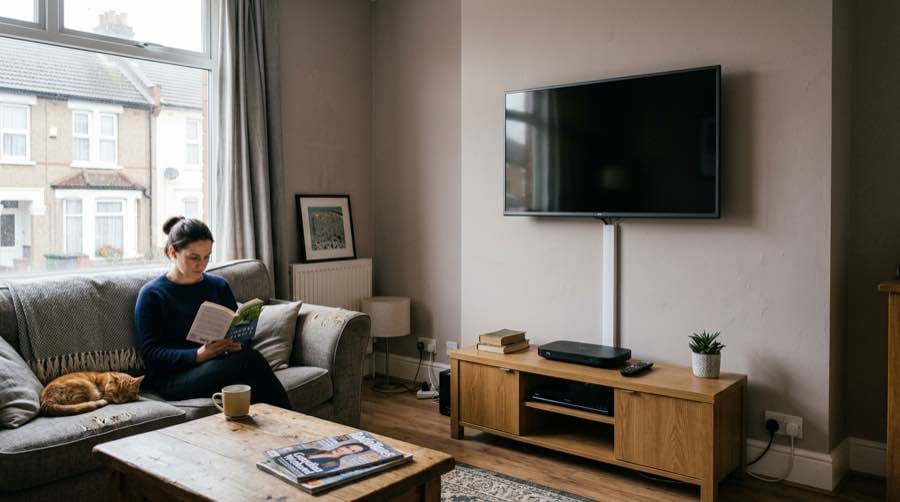
Check wall type, fixings, bracket ratings, and cables before TV mounting in the UK. A practical guide so your screen stays safe and the finish stays tidy.
Declutter room by zone with keep, donate, and bin sorting, clear storage tips, and habits that keep UK homes tidier with less stress.
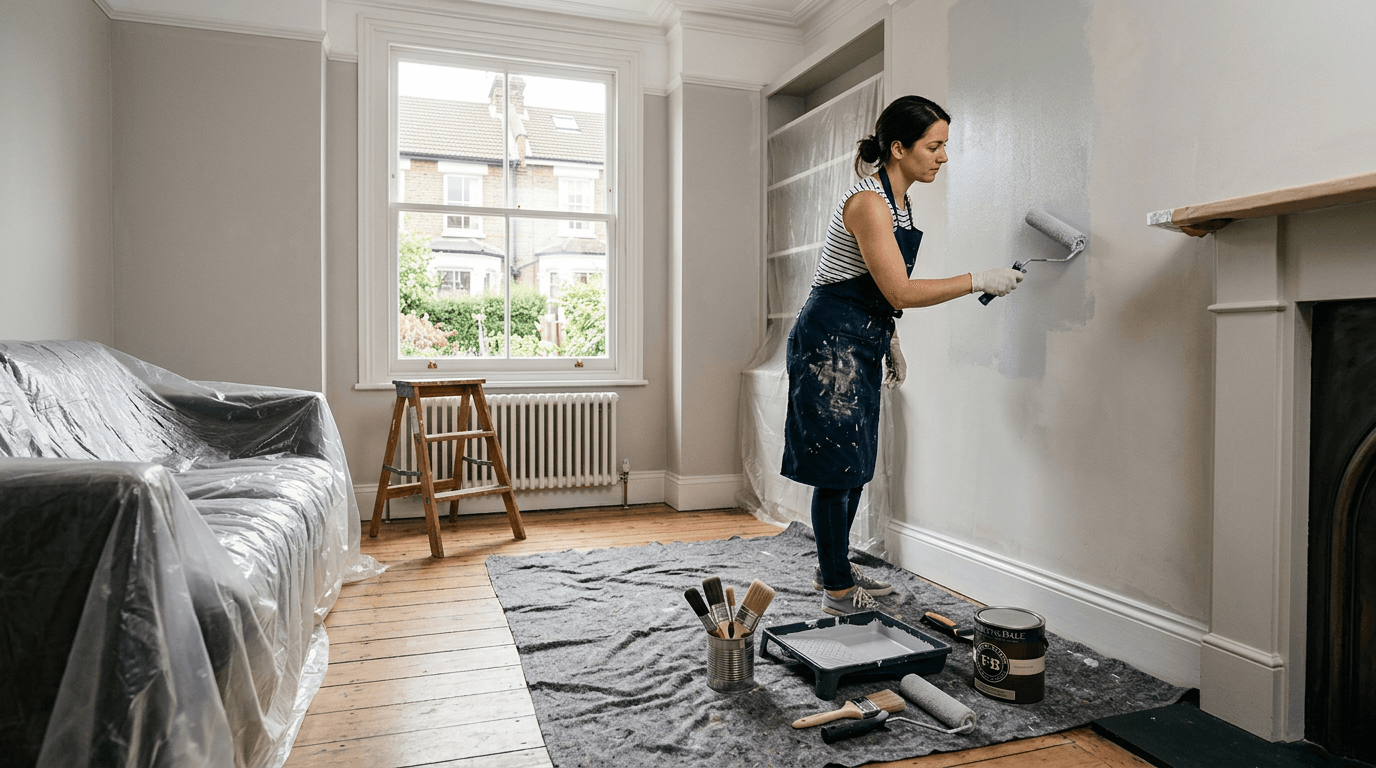
Practical advice for planning and managing a home renovation. Tips to keep your project on track and stress-free.
Latest in Handyman
View all in this category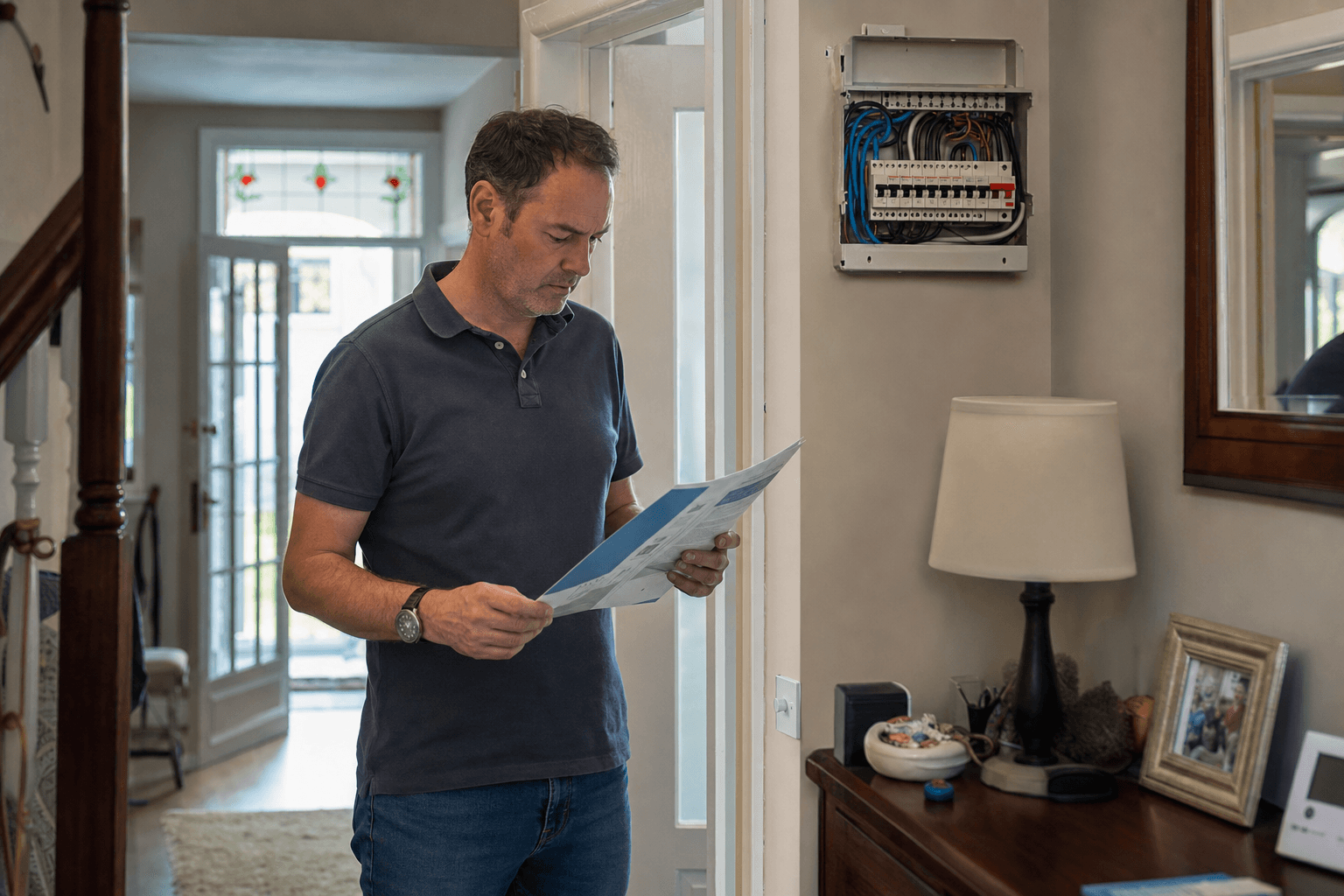
Part P notifiable electrical work in 2026: a room-by-room list of what you can legally DIY in a UK home and what needs an NICEIC electrician.
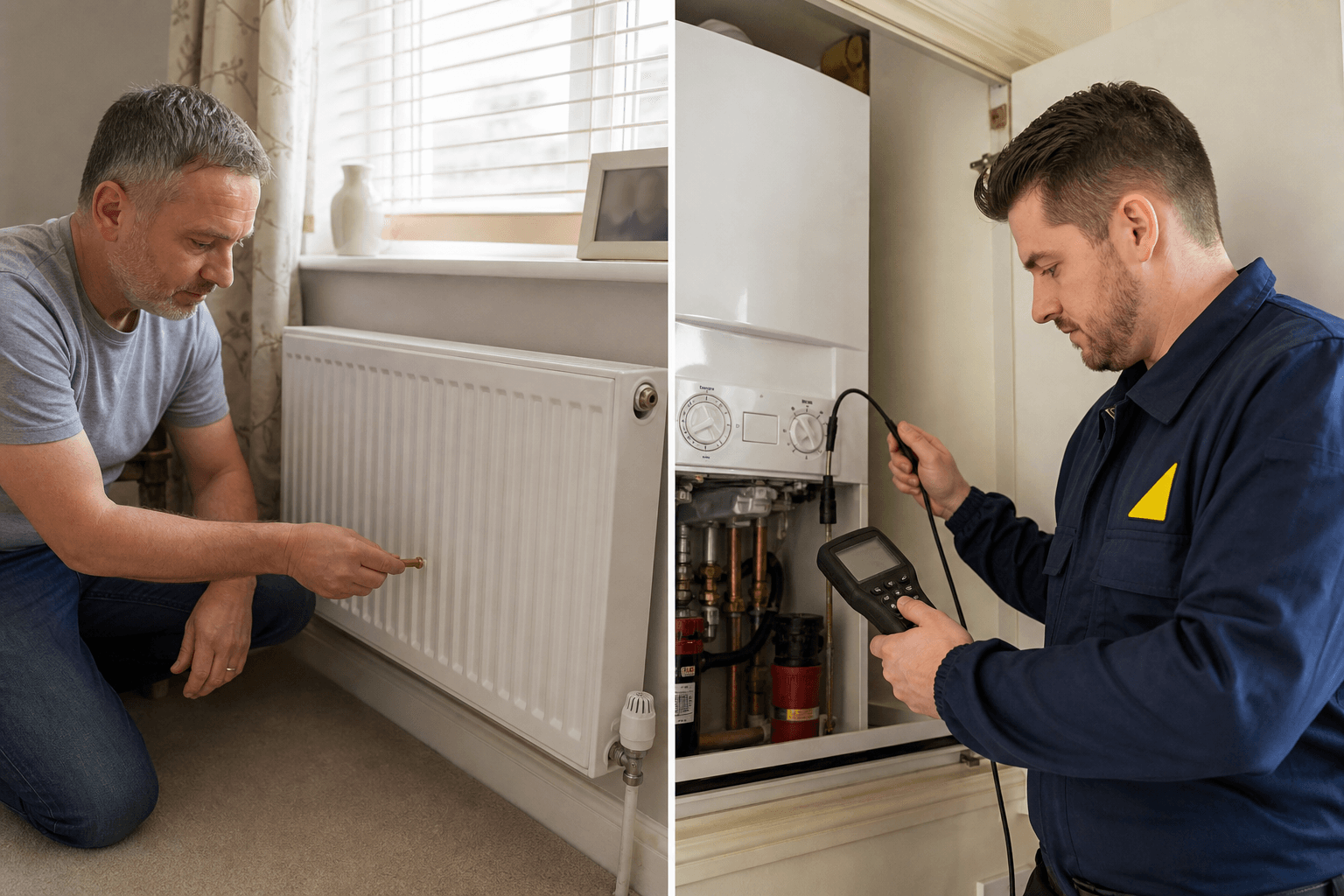
DIY gas work is a criminal offence in the UK. What's legal (bleeding, repressurising), what isn't, and when to call a Gas Safe engineer.
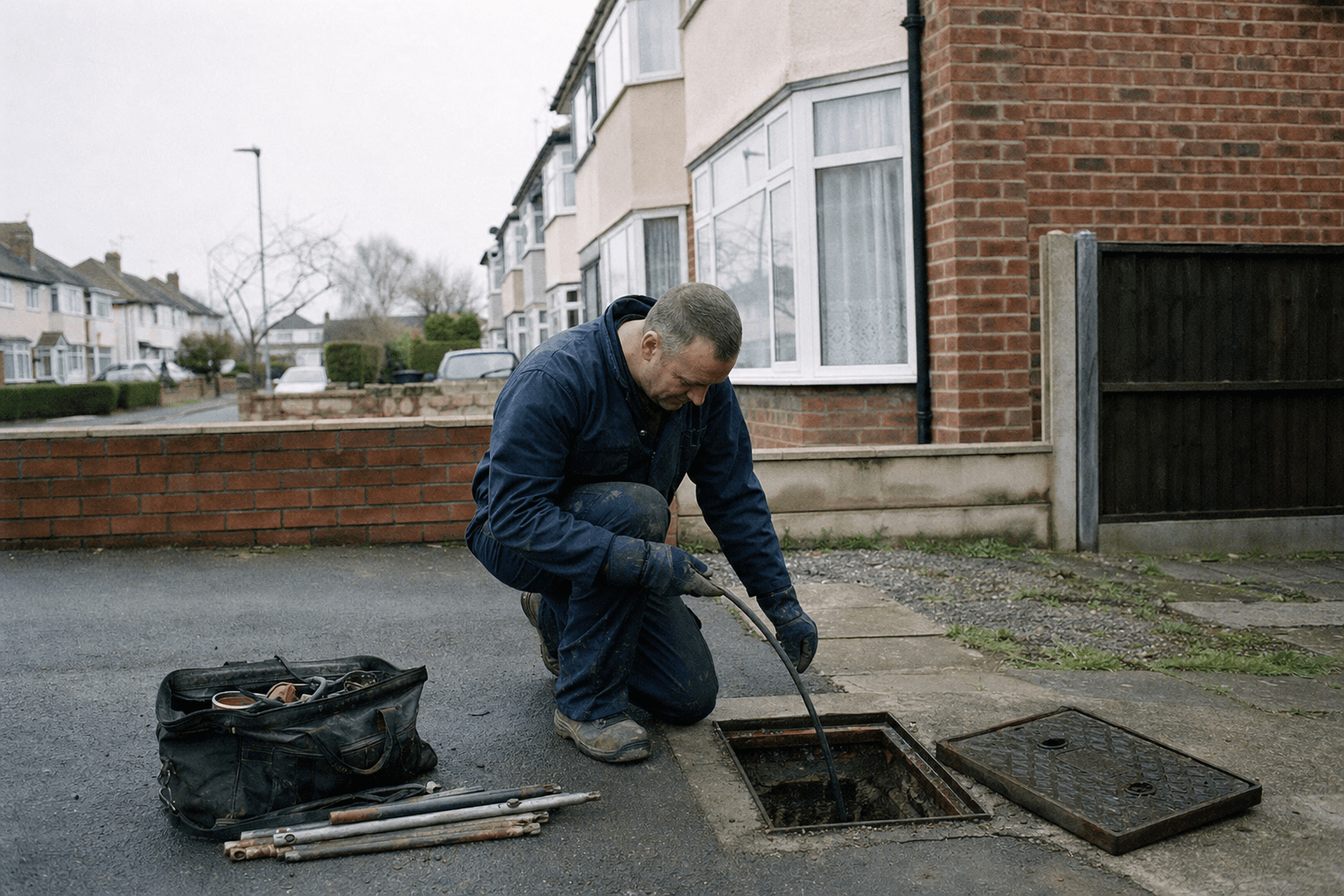
Hire a UK plumber for a blocked drain: 13 questions, who owns outside drains, and how to report a blockage to your water company. Get a fair quote.
Related services
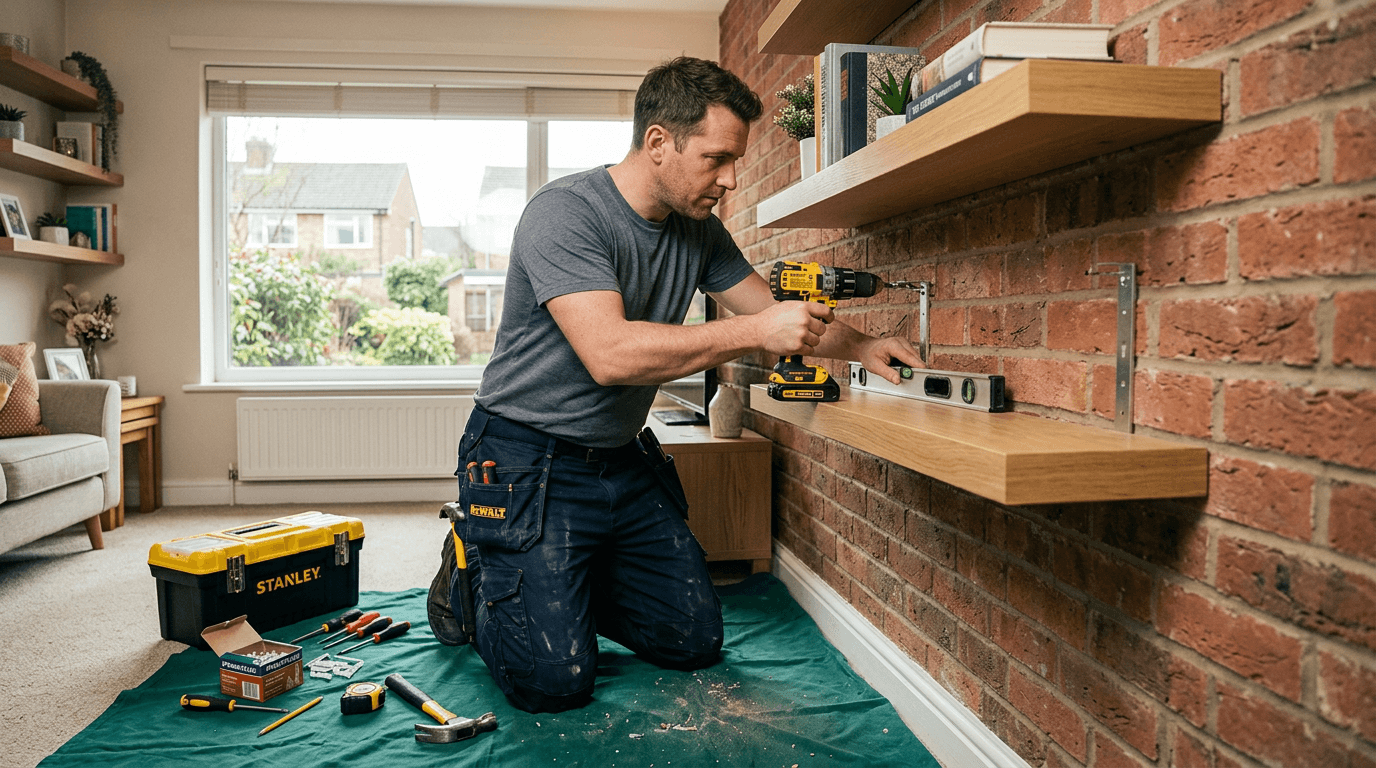
Shelving and wall fixings across the UK: shelves, mirrors, blinds and hooks fitted level on plasterboard, stud or brick. Professional installers, clear quotes. Message us with photos.
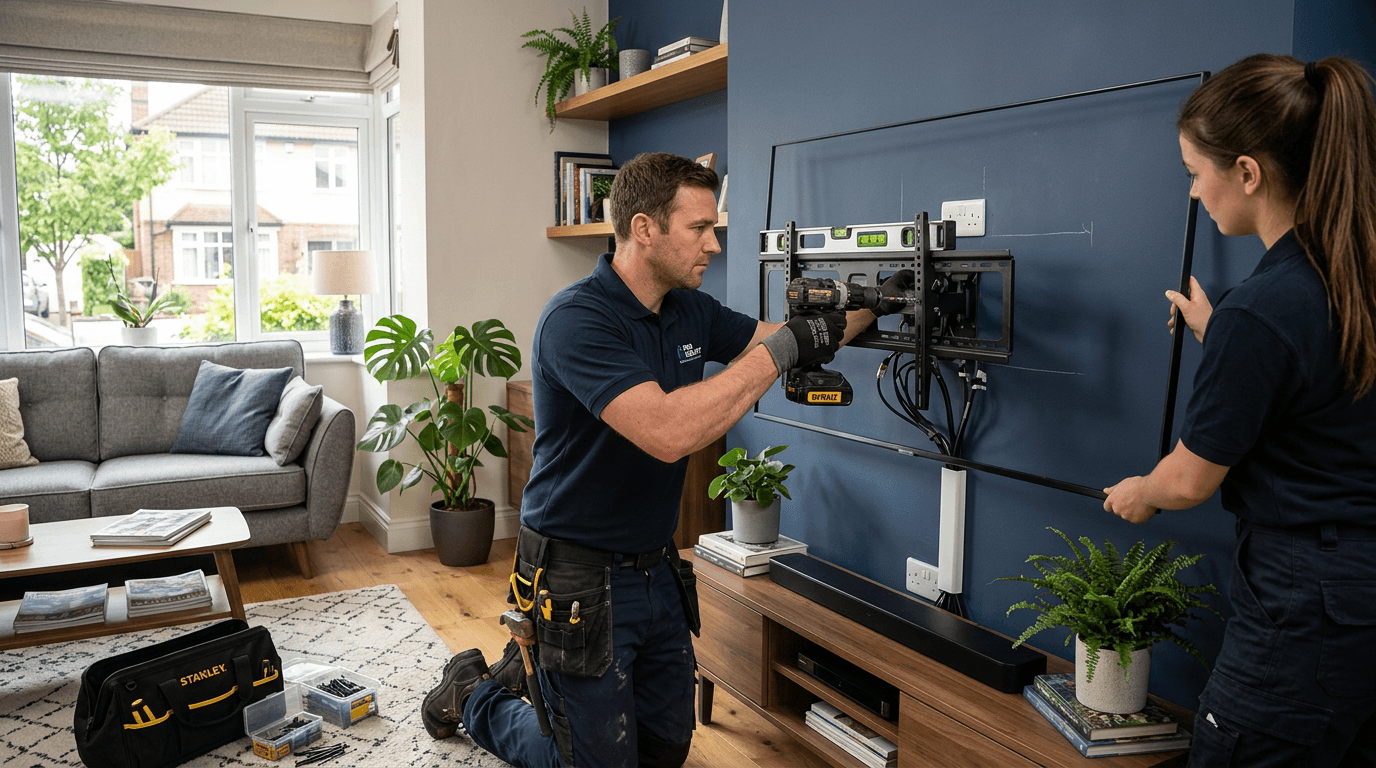
Wall mounting for flat-screen TVs across the UK: secure fixings for plasterboard, stud and masonry, tidy cable routing and the right viewing height. Vetted installers, clear quotes. Message us with your TV size and wall type.
Ready to Book Your Service?
Tell us what you need and our team will help you find the right professional quickly, with clear pricing and no hidden fees.