
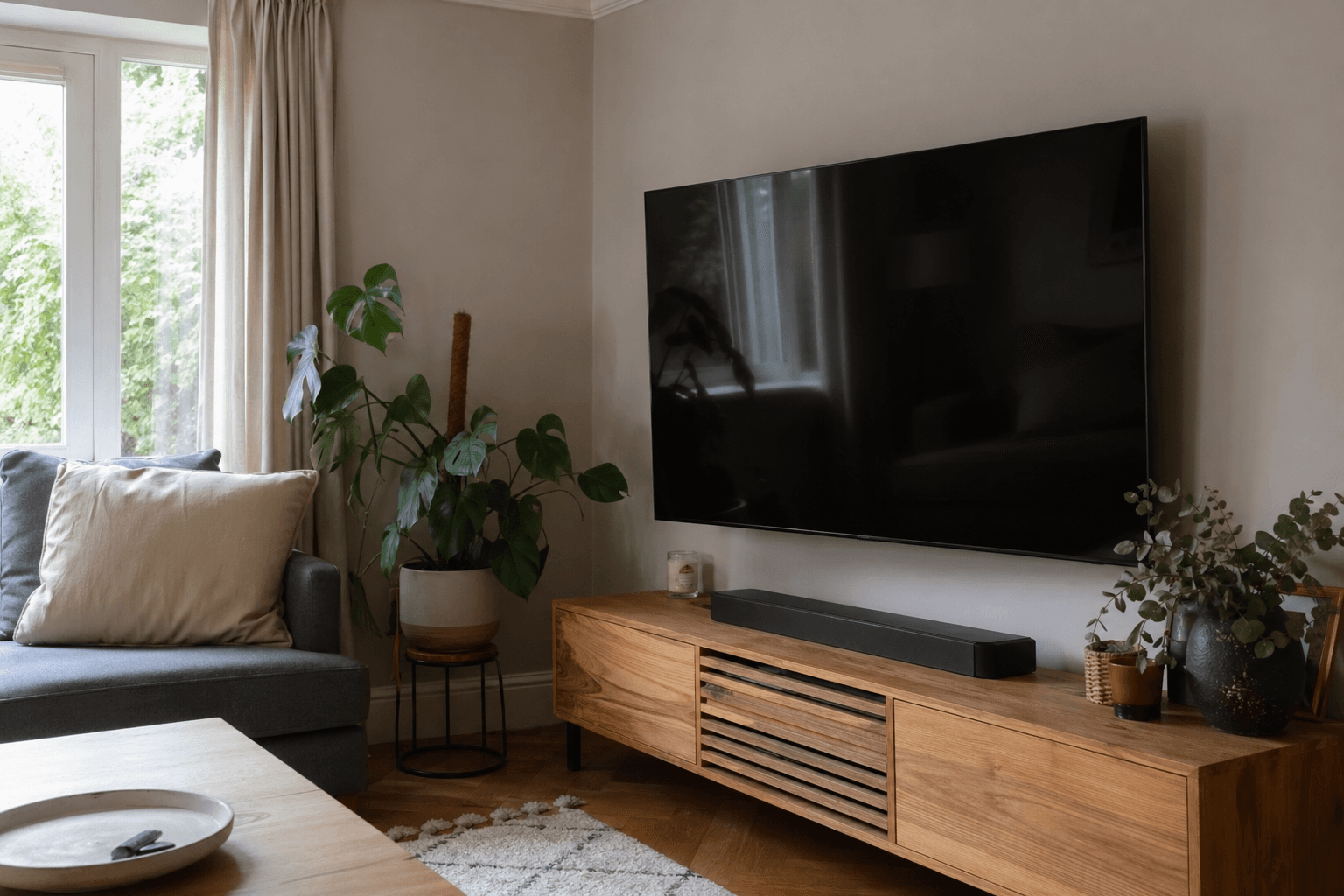
Wall mount your TV or keep it on a stand? A practical UK guide
Weigh up sound, viewing comfort, safety, and cable neatness before you drill. Here is a calm UK-focused guide, plus when to book professional TV mounting.
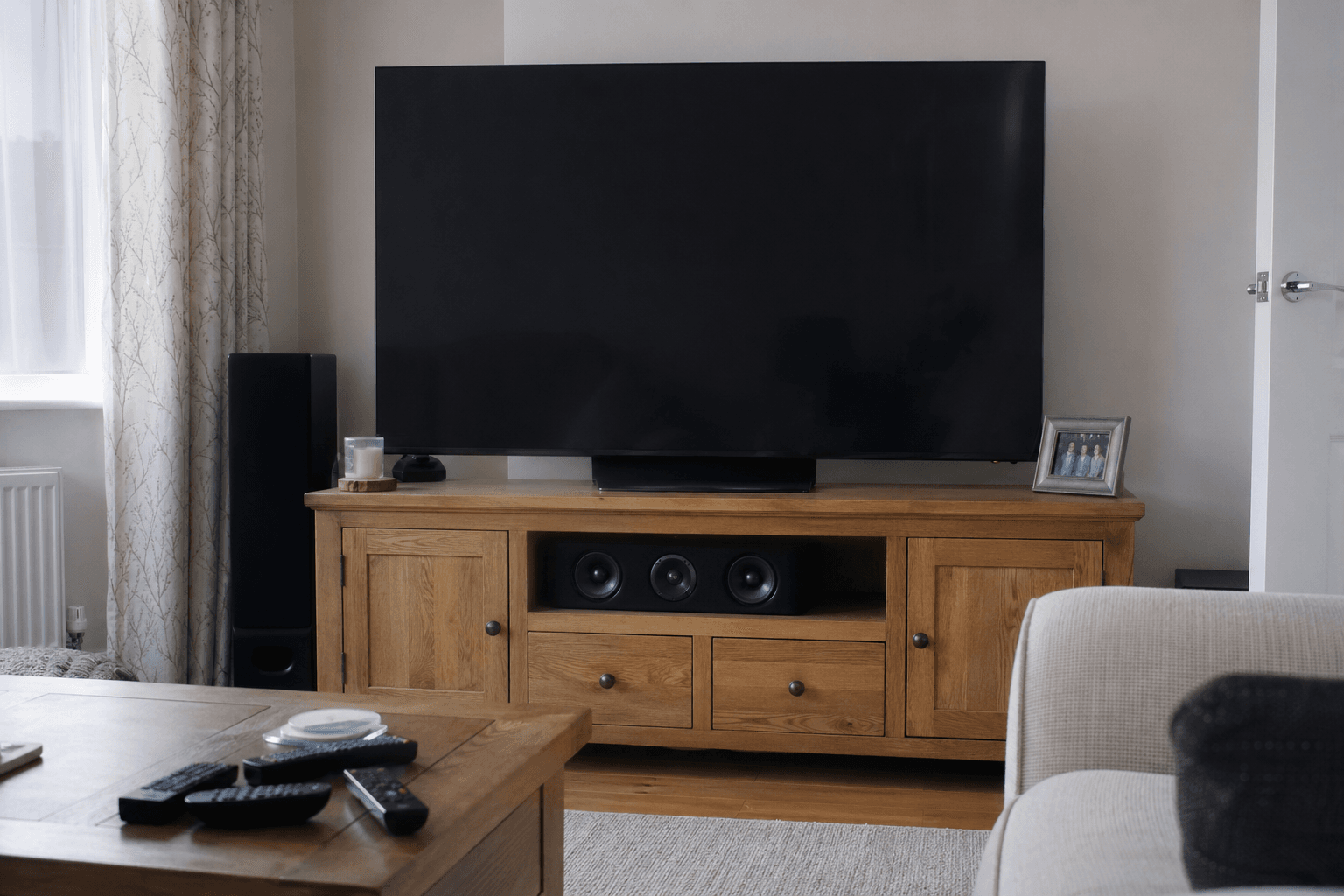
Wall mounting a TV or keeping it on a stand: what UK homeowners usually weigh up
If you have spent any time reading home cinema threads, you will know the question splits rooms faster than a bad film ending. One person says wall mounting is the only grown-up choice. The next says your viewing height will be ruined forever. In real homes, the answer is rarely that binary. Most people are juggling comfort, sound, safety, cable neatness, budget, and whether they actually want holes in the plaster.
This guide walks through the practical trade-offs in plain language, without pretending there is a single correct rule for every lounge. Where it helps, we point you towards professional TV mounting on Taskino when the job needs solid fixings, tidy cable routes, and a second pair of hands for a heavy screen.
Why the argument keeps coming back
Large flat-screen televisions changed furniture habits. Older cabinets were not always deep enough for modern sound systems, game consoles, and receivers. Centre speakers often end up in a shelf under the screen because it is the only place they fit. That placement can sound boxy or cause buzzing when bass hits the wood. Moving the speaker up means lifting the screen, which then collides with advice about eye line and neck strain.
Wall mounting can solve the geometry: screen up a little, speaker on top of the unit, cleaner sight lines across the top of the furniture. The downside is you may raise the picture more than you like, especially if you sit close or your sofa is low. Keeping the TV on its stand preserves a familiar height, but you may be stuck with acoustic compromises or a busier look at the back of the unit.
Budget also shapes the timeline. Online threads sometimes assume everyone can swap furniture, buy a new low-profile rack, or chase every cable inside the wall next weekend. In practice, many UK households stage the work: stabilise the sound first, live with the layout for a few weeks, then decide whether the cosmetic upgrade of a flush mount is worth the spend. That slower approach often prevents the classic regret of drilling before you have really listened to the room.
Renters should add another column to the decision table. Landlords vary on permission for brackets and trunking. Even when mounting is allowed, you may need to make good at the end of the tenancy. A stand-based setup stays portable when you move, which matters if you change flats often or your next place has a different wall material.
Need help with TV Mounting?
Tell us about your job and we will match you with the right professional for TV Mounting.
Sound, shelves, and that awkward centre channel
Speakers need air space. When a driver fires into a tight cavity, reflections and resonance can muddy dialogue. If you hear distortion or vibration that tracks loud scenes, the cabinet is a prime suspect before you blame the electronics. Practical mitigations people try include isolation pads under the speaker, pulling the unit slightly forward on the shelf, improving ventilation around the amplifier, and checking nothing is rattling in the furniture itself.
Moving the centre channel out of the cabinet often sounds clearer, but it forces a layout puzzle. If the screen must move up to clear the speaker, measure twice. Some households shorten furniture legs, swap to a lower stand, or test a temporary riser with scrap wood before committing. If you are not confident altering furniture or running cables neatly, booking a handyman or a TV mounting specialist can save expensive mistakes.
Think about airflow as well as audio. Amplifiers and games consoles tucked in closed bays run hotter than people expect. If you move shelves around to free the centre channel, you might finally give the AV equipment enough headroom. That change alone can reduce fan noise and shutdowns in summer. It is a quieter win than debating millimetres of screen height, but it matters for reliability.
Empty shelf space after a reshuffle does not have to look odd. Baskets for remotes, upright media storage, or a slim drawer for cables can keep the unit feeling purposeful. The goal is to avoid a dusty void that collects clutter. If you prefer a minimalist line, a simple panel or fabric insert can hide the bay without trapping heat around electronics.
Viewing height: rules of thumb without the drama
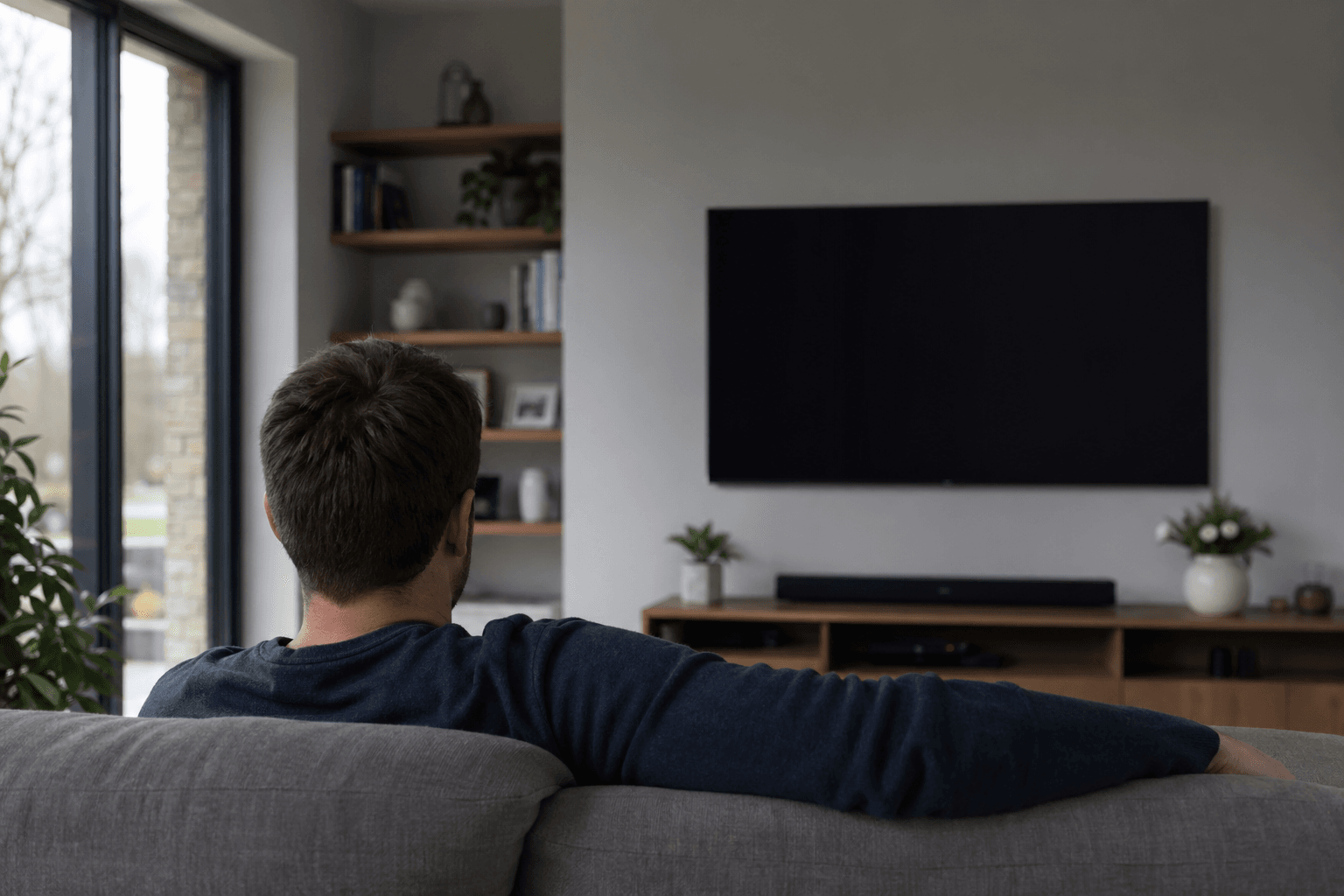
You will see fierce debates about the perfect vertical angle. In everyday use, most viewers tolerate a modest shift if the distance to the screen is sensible. A small change in screen height at three metres feels different from the same change at two metres. If you are unsure, sit where you normally watch and note where your eyes fall on the picture. If dialogue scenes feel fine and you are not craning upward for long stretches, you are usually in a workable range.
If children or pets are part of the picture, stability can matter as much as cinema ideals. A properly anchored wall mount removes tip risk from a tall stand. Safety straps on furniture are another option if you stay on a stand. Neither replaces adult supervision, but they reduce avoidable accidents in busy homes.
Glare is another variable people forget until winter sun sits lower. Tilting mounts can help slightly, but the main levers are curtain choice, lamp placement, and how matte the screen coating is. If your only motivation to mount is style, run a week of daytime viewing tests before you assume the wall fixes brightness issues.
Gaming adds a personal twist. Competitive players sometimes prefer the screen a touch closer and lower. Family film nights might favour a slightly higher line so people on the ends of the sofa still see the picture. Households rarely have one perfect height for every use, which is why compromise is normal rather than failure.
Explore our Shelving and Wall Fixings service
See what is included, typical timings, and what to prepare before you book.
Cables, cosmetics, and how much disruption you want
A wall-mounted set with cables chased into the wall or hidden in a slim trunking run often looks calmer than a stand with visible leads. That look has a cost: more planning, possibly more patching and decorating, and sometimes a qualified electrician if you add a new socket behind the screen. If you rent, landlord permission and reinstatement rules apply. If you own, think about how long you will keep that wall arrangement before you cut channels.
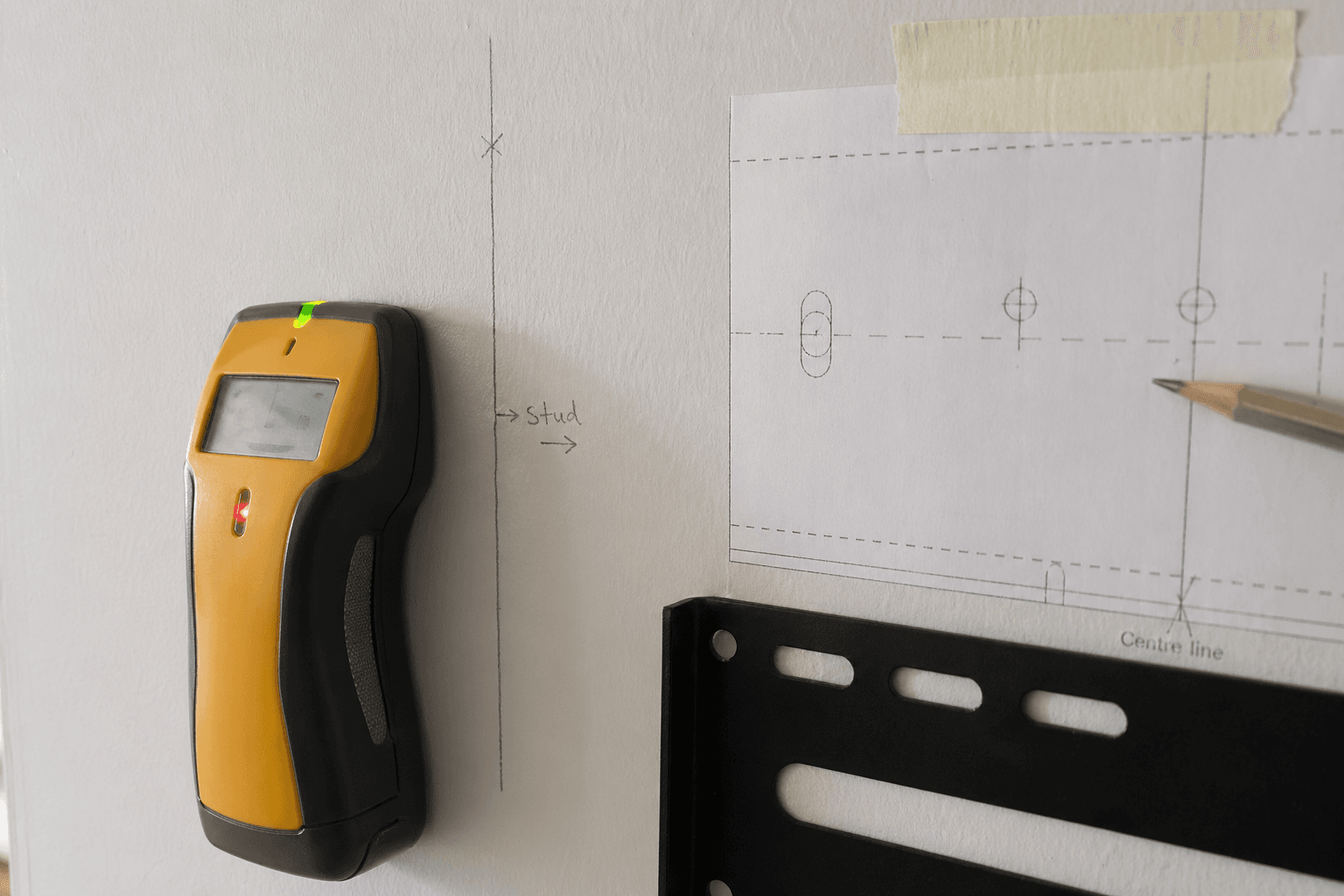
For many UK homes, surface trunking painted to match the wall is a sensible middle path. It keeps the job reversible and still tidies the mess. A professional installer can advise on what your wall type will take, from dot-and-dab plasterboard to solid brick, and choose fixings that match the weight of the bracket and television.
Insurance and warranty paperwork sometimes ask how a television was installed. Keeping photos of the bracket label, fixings used, and completed work is sensible whether you DIY or hire. If a heavy screen ever shifts, those details speed up honest conversations with manufacturers or insurers. It is dull admin, but it pairs well with a tidy lounge.
Full-motion arms look flexible on paper. They are heavier, need very solid anchoring, and can sag over time if underrated for the screen. If you mainly watch from one sofa, a fixed or tilt mount is simpler and often looks cleaner. Save the long arm for rooms where you truly swing the TV towards a dining area or kitchen pass-through.
When professional TV mounting is worth it
DIY mounting can be fine on straightforward walls with the right stud or masonry fixings and a helper for the lift. It is less fine when the wall is hollow in unexpected places, when the bracket template does not line up with your stud spacing, or when the combined weight makes handling risky on stairs. Taskino TV mounting is aimed at people who want the job done with the correct anchors, level screen, and cable management discussed up front.
Related jobs sometimes travel together. If you are rethinking the whole wall, shelving and wall fixings services can help with floating shelves, bracket boards, or relocating lightweight units. Minor repairs can cover small plaster touch-ups after trunking or old bracket holes, so your lounge returns to looking intentional rather than patched in a hurry.
Timing the visit matters. If you are waiting on a sofa delivery or new carpet, schedule mounting after the heavy furniture path is clear. Installers appreciate a clean run without scrapes on fresh paint. If you are mid-decoration, agree who patches and paints after trunking routes so the finish matches the rest of the room.
Accessibility is worth mentioning. Some customers prefer a tilt down slightly because they watch from a recliner or a lower seat height. Communicate that preference when you book so the height mark on the wall reflects real life, not a generic template from the bracket box.
Ready to book Minor Repairs?
Send a quick enquiry — we typically respond the same working day.
A calm decision checklist
Start with problems, not aesthetics. Is the issue sound, stability, space for new kit, or simply taste? Test cheaply: temporarily raise the screen a few inches with a safe spacer arrangement, or move the speaker forward on pads, and watch a film you know well. If the annoyance disappears, you have learned what actually mattered.
If you plan to mount, gather the television weight, VESA pattern, and bracket type (fixed, tilt, full motion). Check the wall construction before you buy long bolts that assume brick when you have board on studs. If anything feels uncertain, stop and get a professional opinion. A failed mount is far more expensive than a booked visit.
If you prefer the stand, own that choice. Plenty of tidy lounges keep the screen on furniture. Add cable ties, label HDMI leads, leave amplifier breathing room, and revisit speaker placement when you next change kit. Small layout improvements often beat a rushed wall project.
Closing thought
The best setup is the one you will live with comfortably: clear dialogue, a stable television, and cables you can live with visually. Whether you wall mount or stay on a stand, treat measurements and wall type as facts, not opinions. When the facts say you need help, Taskino can connect you with TV mounting professionals and related handyman services across the UK so the finish matches the effort you already put into your home.
Frequently asked questions: Wall mount your TV or keep it on a stand? A practical UK guide
Short answers to common questions about this topic.
Our team will answer all your questions. we ensure a quick response.
Contact UsRelated posts
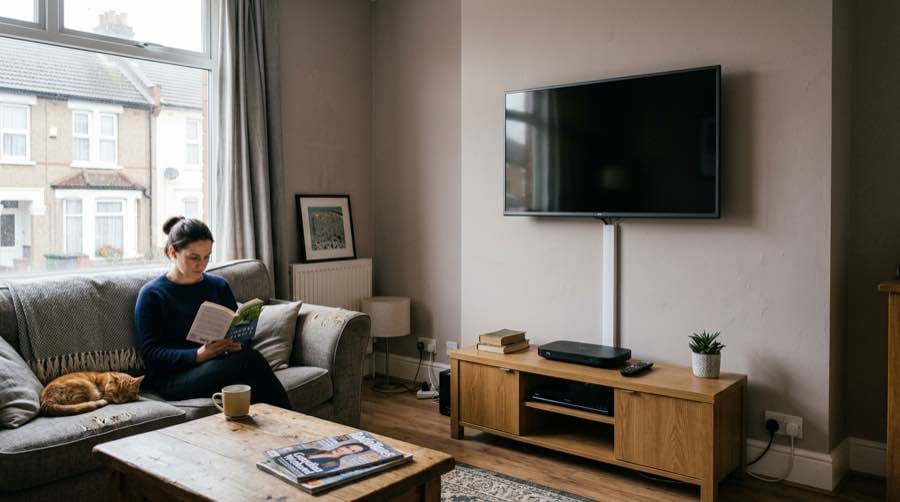
Check wall type, fixings, bracket ratings, and cables before TV mounting in the UK. A practical guide so your screen stays safe and the finish stays tidy.
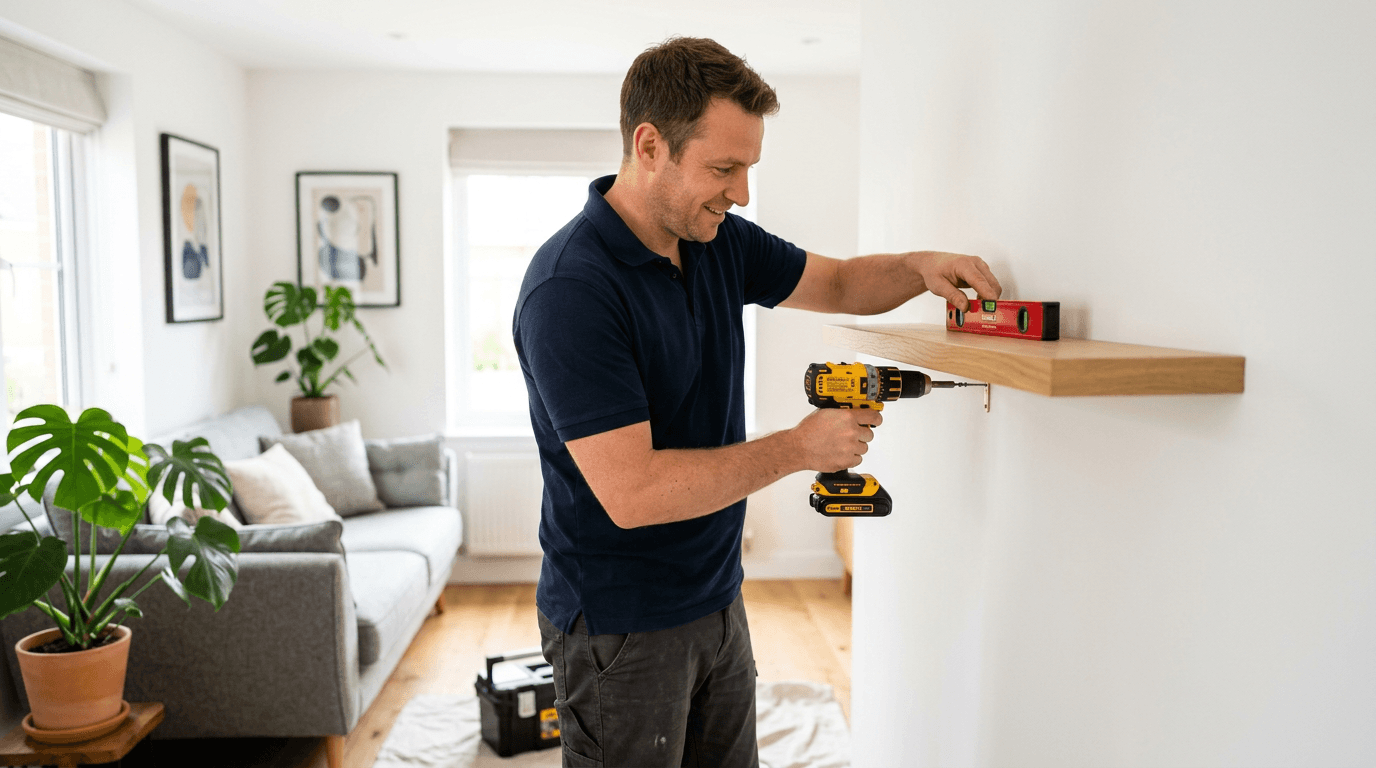
Practical tips for mounting pictures, shelves and notice boards safely. Learn how to fix items to walls without damage or danger.

Find out which home jobs need a professional handyman. Learn when DIY is enough and when to call in an expert.
Latest in Handyman
View all in this category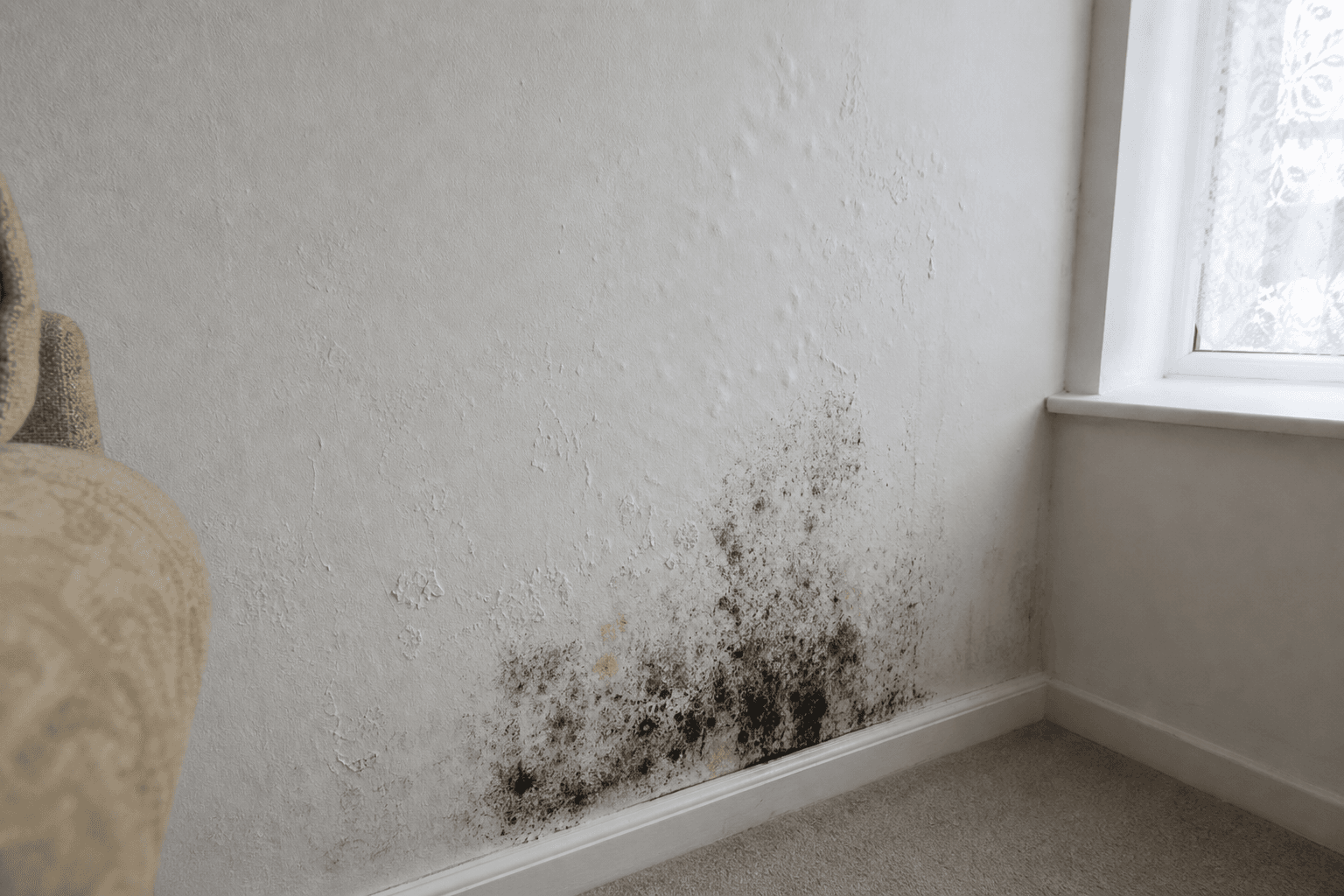
The 10 mistakes that turn a £20 mould fix into a £1,500 replaster bill. UK homeowner guide for 2026, with PCA-aligned advice.
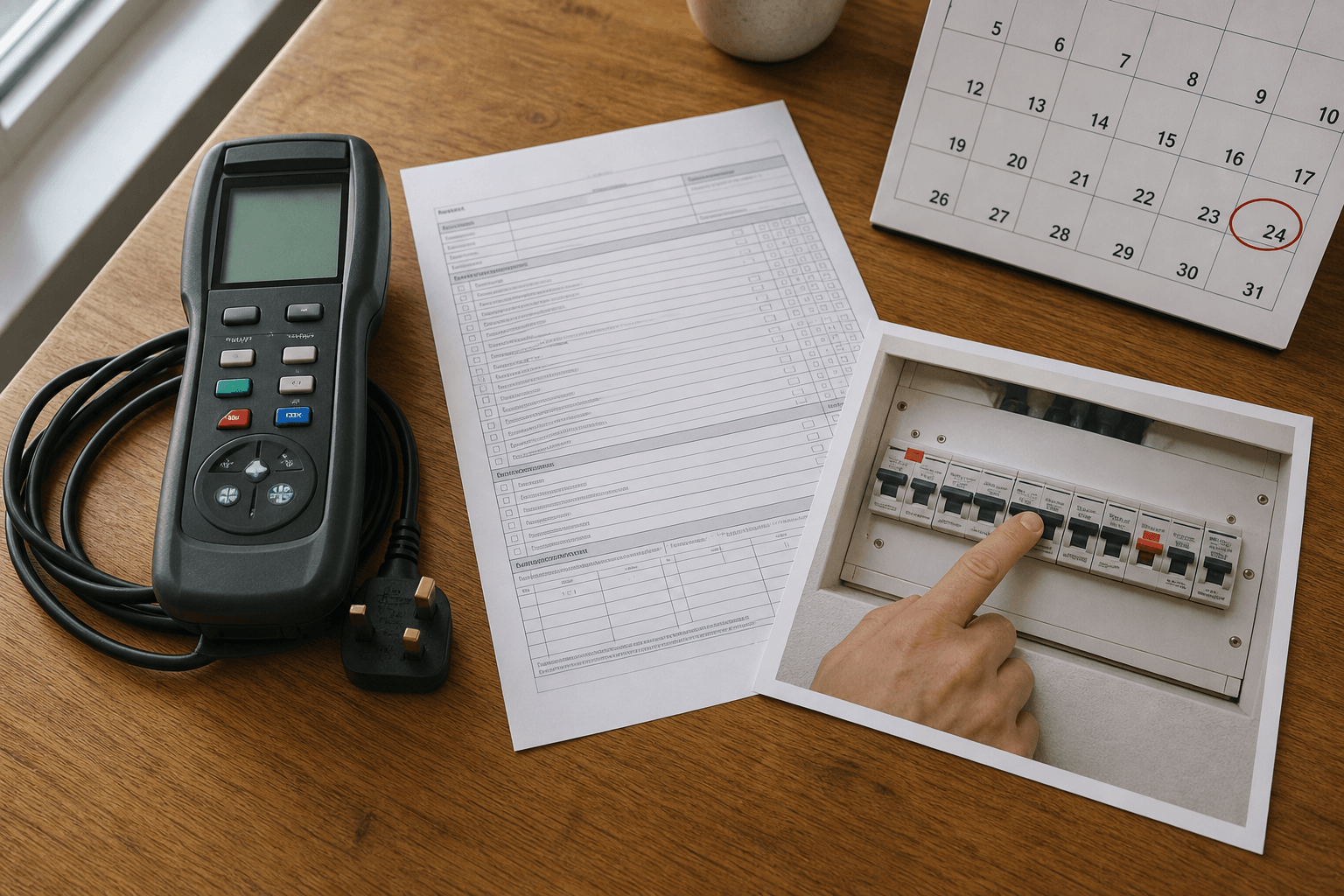
What is PAT testing, when you actually need it, and how to prevent EICR failures in a UK home in 2026, with frequencies and BS 7671 references.
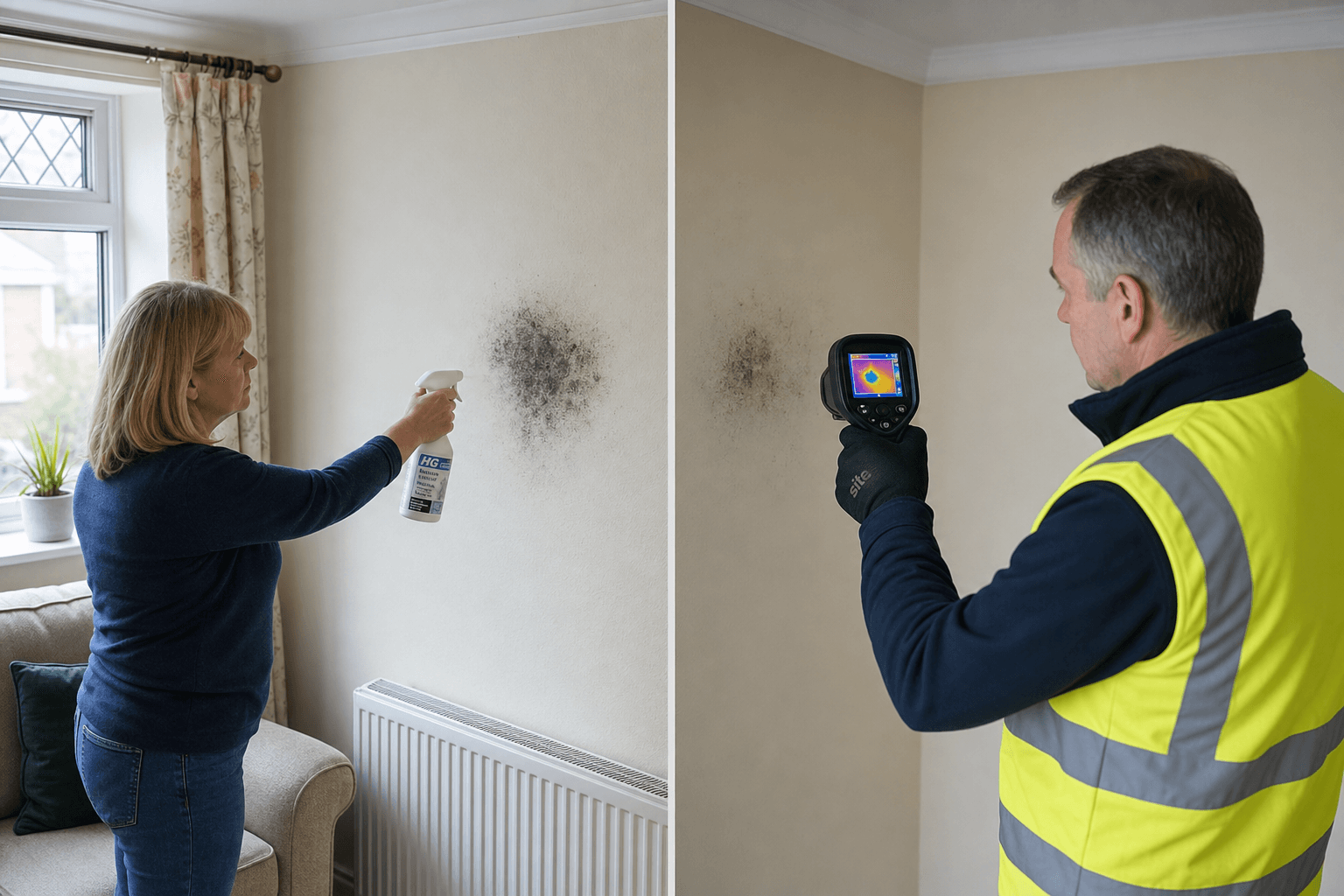
How to get rid of mould on walls permanently: when DIY beats a damp pro and when it doesn't. UK costs, HHSRS rules, and Awaab's Law thresholds.
Related services
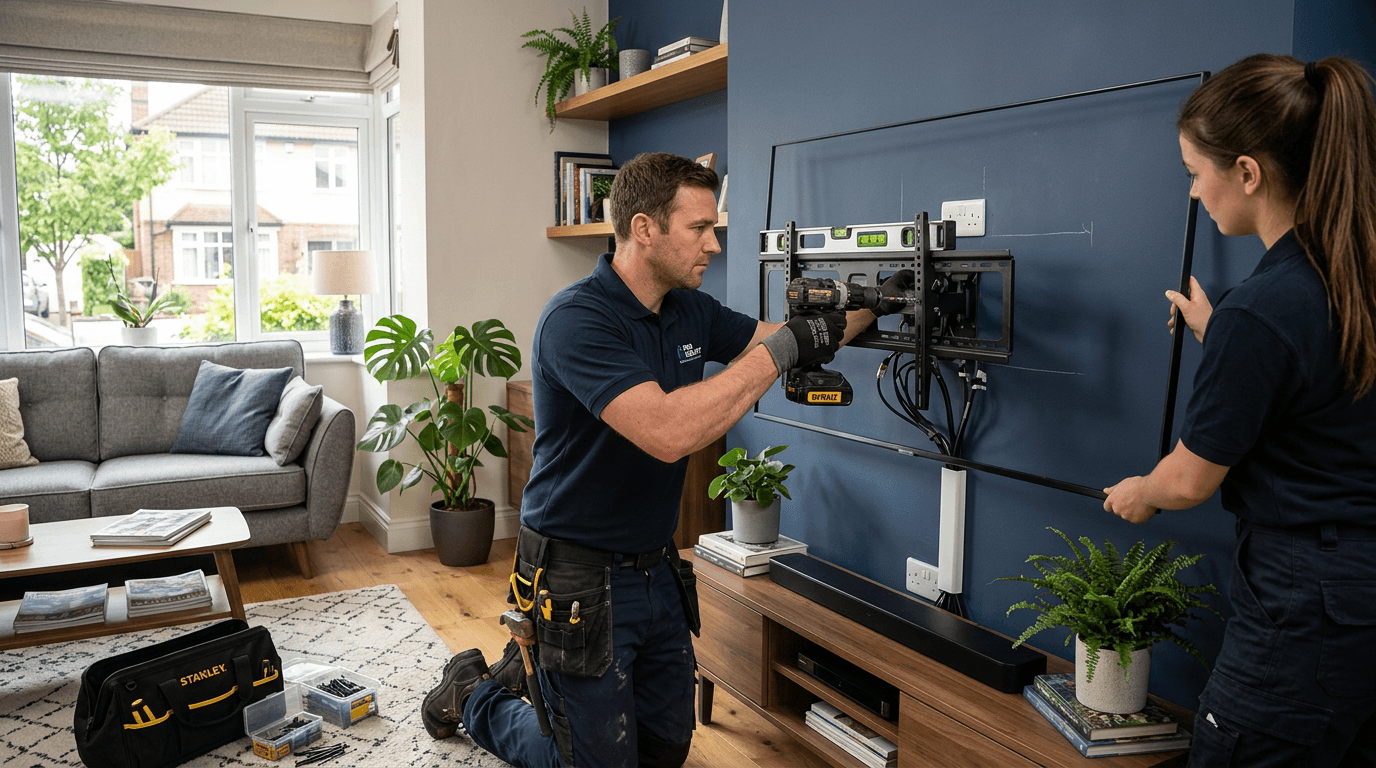
Wall mounting for flat-screen TVs across the UK: secure fixings for plasterboard, stud and masonry, tidy cable routing and the right viewing height. Vetted installers, clear quotes. Message us with your TV size and wall type.
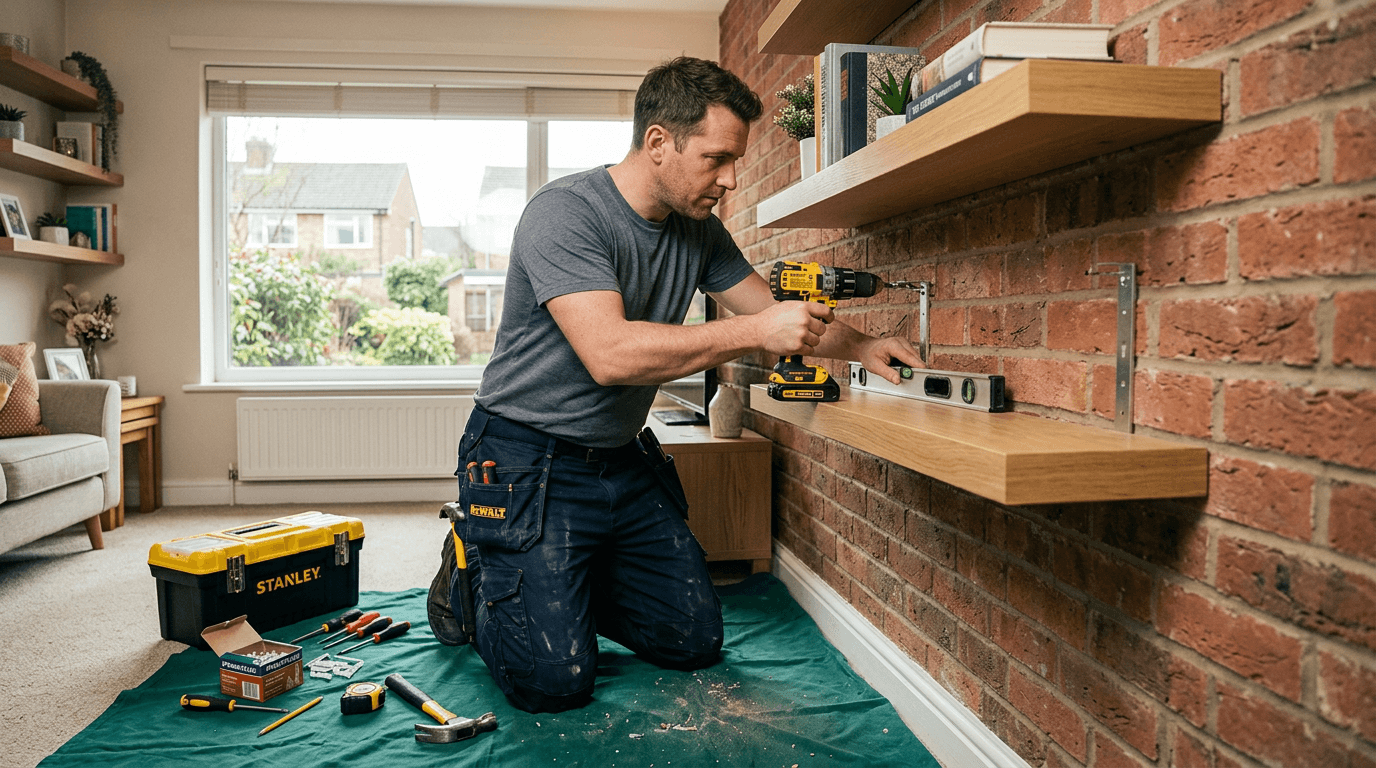
Shelving and wall fixings across the UK: shelves, mirrors, blinds and hooks fitted level on plasterboard, stud or brick. Professional installers, clear quotes. Message us with photos.

Minor repairs arranged through Taskino: taps, doors, plaster patches, loose fittings and more. Vetted handymen, clear quotes, fully equipped visits, and a tidy finish.
Ready to Book Your Service?
Tell us what you need and our team will help you find the right professional quickly, with clear pricing and no hidden fees.