

First-Year Home Ownership: Why the Stress and the Joy Can Coexist
The first months after buying often swing between pride and pressure. Here is a calm, UK-focused guide to money worries, repairs, outdoor upkeep, and when to book trusted help.
If the first year feels like a rollercoaster, you are not dramatic
Plenty of guides talk about surveys, solicitors, and insurance in tidy lists. What hits you after the keys land in your hand is quieter and more persistent: a low hum of responsibility. You notice it when you check your bank app more often, when you walk past a damp patch and wonder if it is new, and when you realise there is no letting agent on speed dial for a blocked sink. That mix of pride and pressure is common across the UK, whether you bought a flat, a terrace, or something with a garden that suddenly owns your weekends.
This article is not here to tell you that owning is always better than renting, or that you should enjoy every minute. It is a practical, human look at what tends to spike stress in year one, what tends to soften it, and how to get help without feeling like you have failed at adulting. If you are already tired, you are still doing the job.
Online forums are full of people swapping extremes: either home ownership is a dream, or it is a trap. The truth for many families sits in the middle. You might love having your own front door and still hate a Sunday spent chasing a leak. You might feel grateful every morning and still flinch when the boiler fires up. Holding both feelings at once is not inconsistency. It is honesty, and it is a healthier place to plan from than pure panic or pure denial.
Need help with Minor Repairs?
Tell us about your job and we will match you with the right professional for Minor Repairs.
The money mind noise, and a calmer way to answer it
One of the biggest shocks after moving is not the mortgage payment itself, which is usually predictable, but the way your brain starts forecasting disasters. A funny noise from the boiler becomes a headline. A crack near a door frame becomes a saga. That vigilance is your mind trying to protect you, but it is exhausting if it never gets a day off.
A steadier approach is to separate what you know from what you are guessing. Keep a simple list: what is scheduled (mortgage, insurance, council tax), what is seasonal (gutter checks before heavy rain, garden growth in spring), and what is truly unknown. For the unknown bucket, many UK households find peace in a plain rhythm: set aside something each month for home upkeep so a surprise feels annoying rather than catastrophic. You do not need a spreadsheet that could win an award. You need a habit that stops the panic spiral on a Tuesday night.
If money feels tight every month, treat that as information, not shame. It can mean your budget needs a refresh after moving costs, or that energy and food bills shifted faster than you expected. It can also mean you are carrying a property that needs more ongoing work than you planned. In all of those cases, small steps beat big shame: trim non-essentials where you can, delay cosmetic projects that can wait, and get quotes for anything that affects safety sooner rather than later.
It also helps to remember that renting rarely removes financial stress, it just moves it. Rent can rise, deposits can be disputed, and you still live with wear and tear, just on someone else’s timetable. Ownership shifts the balance toward stability in some areas and volatility in others. Naming that trade-off out loud, with a partner or a friend who will not judge you, can make the next month feel less lonely.
When the house picks the worst week to break
Murphy is alive and well in British homes. The washing machine waits until you have a full basket. The shower seal fails the week guests are due. The fence panel wobbles after a windy night. The emotional part is not the repair, it is the feeling that you are always behind.
A useful rule is to triage like a nurse, not like a perfectionist. Safety first: gas smells, exposed electrics, major leaks, insecure doors, anything that could hurt someone or cause rapid damage. Next comes dryness and warmth, because damp and cold create bigger bills and bigger problems. Then comes convenience, like a squeaky hinge or a scuffed wall. That order helps you spend your energy where it matters.
DIY can be brilliant when you enjoy it and when the stakes are low. It stops being brilliant when you are tired, unsure, or working above your skill level on something that could hurt you or void cover. There is no trophy for struggling alone. Booking a trusted tradesperson for the jobs that need a ticketed skill is often the cheapest route in the long run, because mistakes are expensive to undo.
Explore our Lawn Mowing service
See what is included, typical timings, and what to prepare before you book.
The jobs nobody screenshots for Instagram
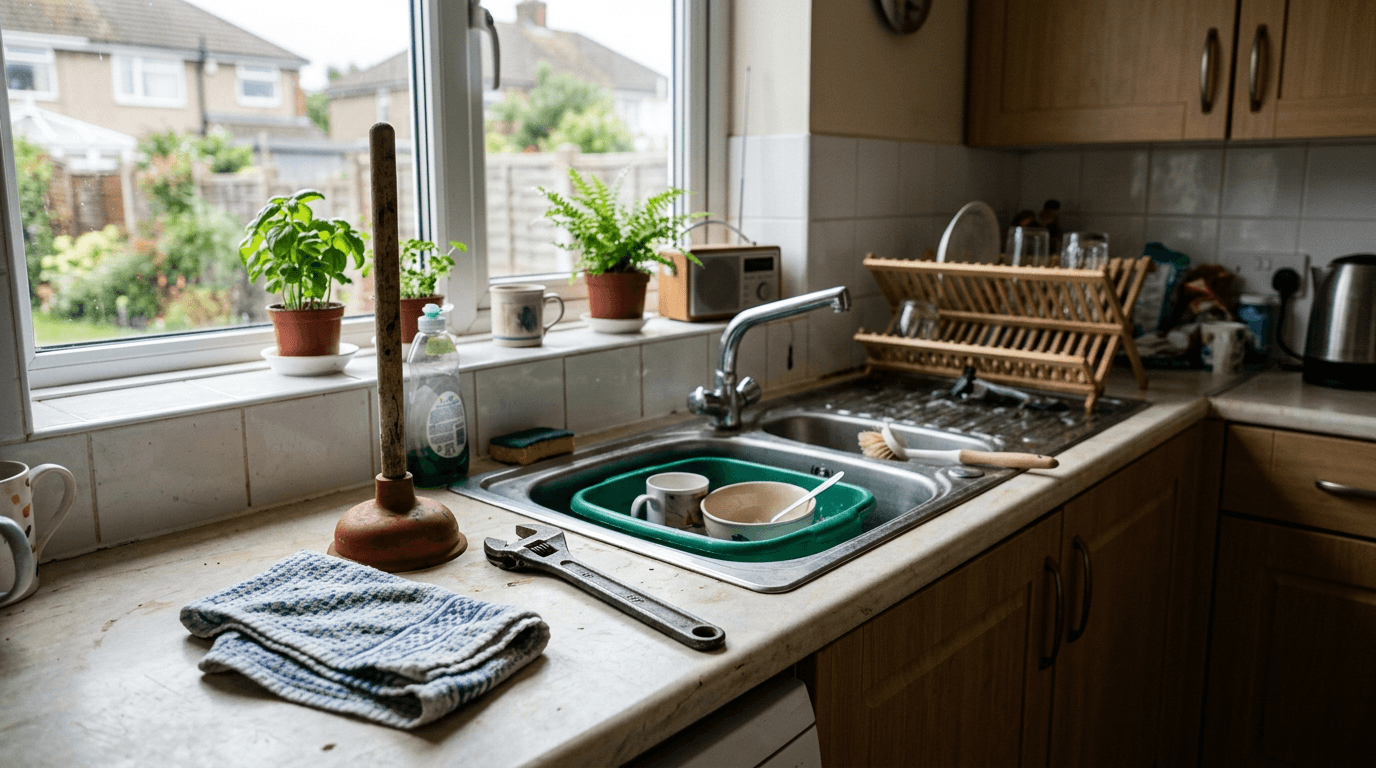
Social media loves a dramatic before-and-after. Real first-year life is smaller: slow drains, loose toilet seats, silicone that has gone grey, a radiator that never quite balances, a kitchen cupboard that will not stay shut. These jobs are not glamorous, but they are the ones that make a house feel cared for day to day.
If you are new to tools, start with the boring wins. Learn where your stopcock is. Keep a basic torch near the meter cupboard. Know how to reset your consumer unit safely if a trip switch pops. Buy a simple plunger and keep it where you will actually reach for it. Those micro habits reduce panic because they give you a first move when something goes wrong.
When a job needs more than an hour of YouTube and a confident hand, it is reasonable to call for help. Minor repairs, plumbing basics, and careful finishing work are exactly the sort of tasks people book through local marketplaces when they want a clear outcome without taking annual leave to learn a trade from scratch.
Outside work without the guilt trip
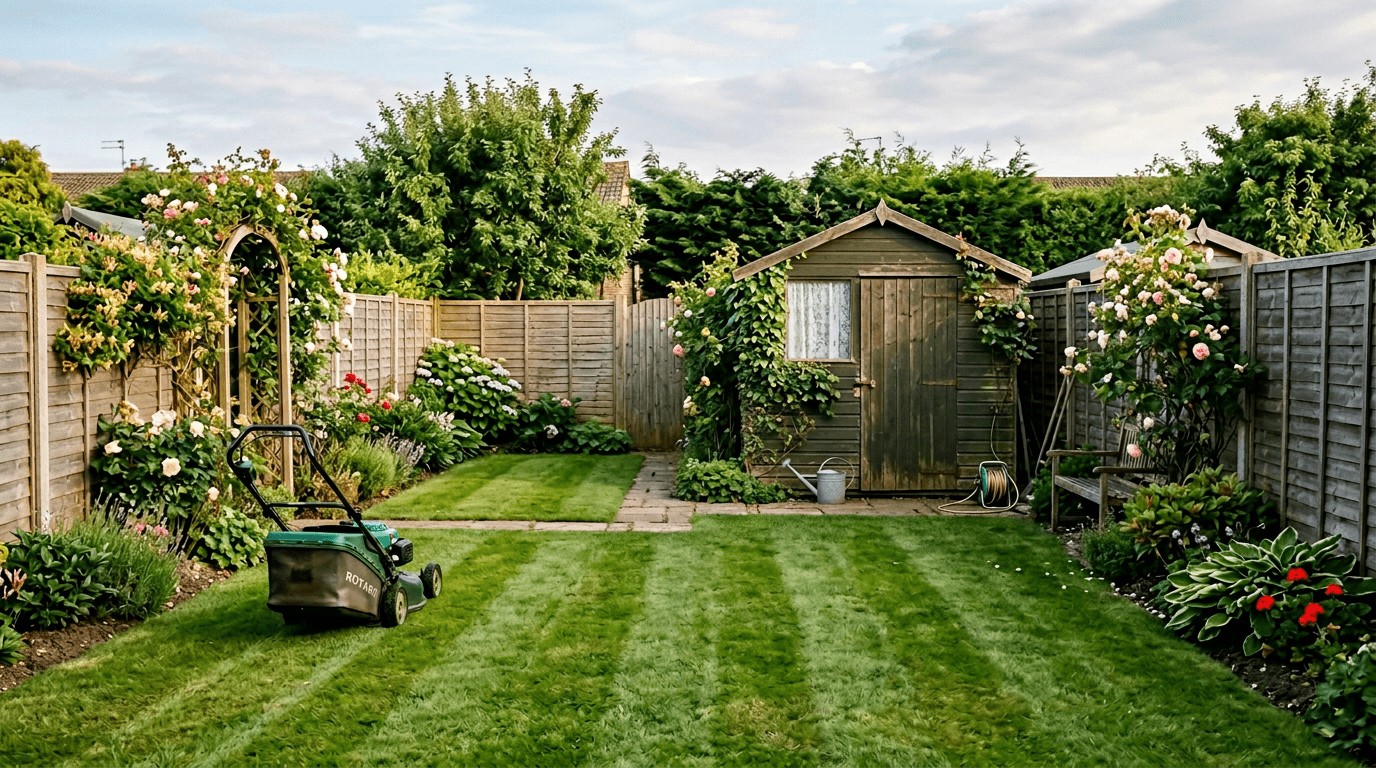
If you have outdoor space, you have probably already met the mental load of grass, weeds, bins, and paths. Some people find mowing therapeutic. Others would rather do almost anything else, and then feel guilty about paying someone. Both reactions are normal.
What helps is to treat the garden like any other household system: decide what “good enough” looks like for your household, then match effort to that standard. Maybe you keep the front neat for posties and neighbours, and let the back be a little wilder for pollinators. Maybe you share tasks across the household on a rota. Maybe you book seasonal help when life is busy, without treating it like a moral failure.
Regular mowing, hedge trimming, and simple clearance jobs are the kind of work local professionals do every week. If your time is better spent resting, parenting, or earning, swapping a few hours of your weekend for a booked visit can be a sensible trade, especially in the first year when you are still unpacking mentally as well as physically.
Ready to book Plumbing?
Send a quick enquiry — we typically respond the same working day.
When “home” matters more than square footage
Bricks and mortgage payments are only part of the story. Many UK buyers say the shift that makes ownership feel worthwhile is emotional: fewer negotiations with a landlord about pets, pictures on walls without worry, and a sense that your routines belong to you. For families, that can show up in small ways. Children often settle faster when they know where their things live, when noise rules are yours to manage, and when their safe corner stays safe.
If someone in your household is autistic or otherwise sensitive to environment, ownership can also mean you can adapt lighting, sound, storage, and outdoor space with fewer compromises. That does not mean every problem disappears, but it can mean fewer surprises from neighbouring flats, and more control over sensory load. Small upgrades, like better blackout options, clearer storage, or a calmer paint colour, are sometimes the most meaningful “renovations” you can do.
You do not need a show home to give that feeling. A lived-in place with clean surfaces, working basics, and a bit of outdoor air often beats a glossy set that nobody is allowed to touch. Deep cleaning after a move, or a one-off refresh before winter, can reset the mood of a space without a full refurb.

How Taskino can sit in the background while you live your life
Taskino exists for the ordinary week when you want a clear job done by someone who does it often. That might be minor repairs after you have identified the issue, plumbing help when you are out of your depth, lawn mowing when your schedule is packed, or a deep clean when you want the house to feel new again after dust from boxes and foot traffic.
The point is not to outsource your whole life. The point is to choose your battles. If booking help protects your sleep, your relationship, or your focus at work, it is a valid tool in year one, year five, or year twenty. You still own the home. You are still allowed to enjoy it.
Learn more about Minor Repairs
Browse how we deliver Minor Repairs and the questions homeowners ask most often.
A grounded finish line for year one
If you are waiting for the moment when you feel completely on top of everything, you might wait a long time. Most long-term homeowners describe a softer milestone: the week when a problem appears and your first thought is “I know what to do next,” rather than “I regret everything.” That confidence comes from experience, a bit of saved money for upkeep, and a short list of people you trust.
Until then, treat yourself like someone doing a hard job well enough. Celebrate the boring wins. Fix the drip before it stains. Open the windows on a dry day. Book the help that buys you peace. The house is a project, but it is also meant to be a home, and you are allowed to enjoy the parts that already feel good while you slowly tame the rest.
Related posts
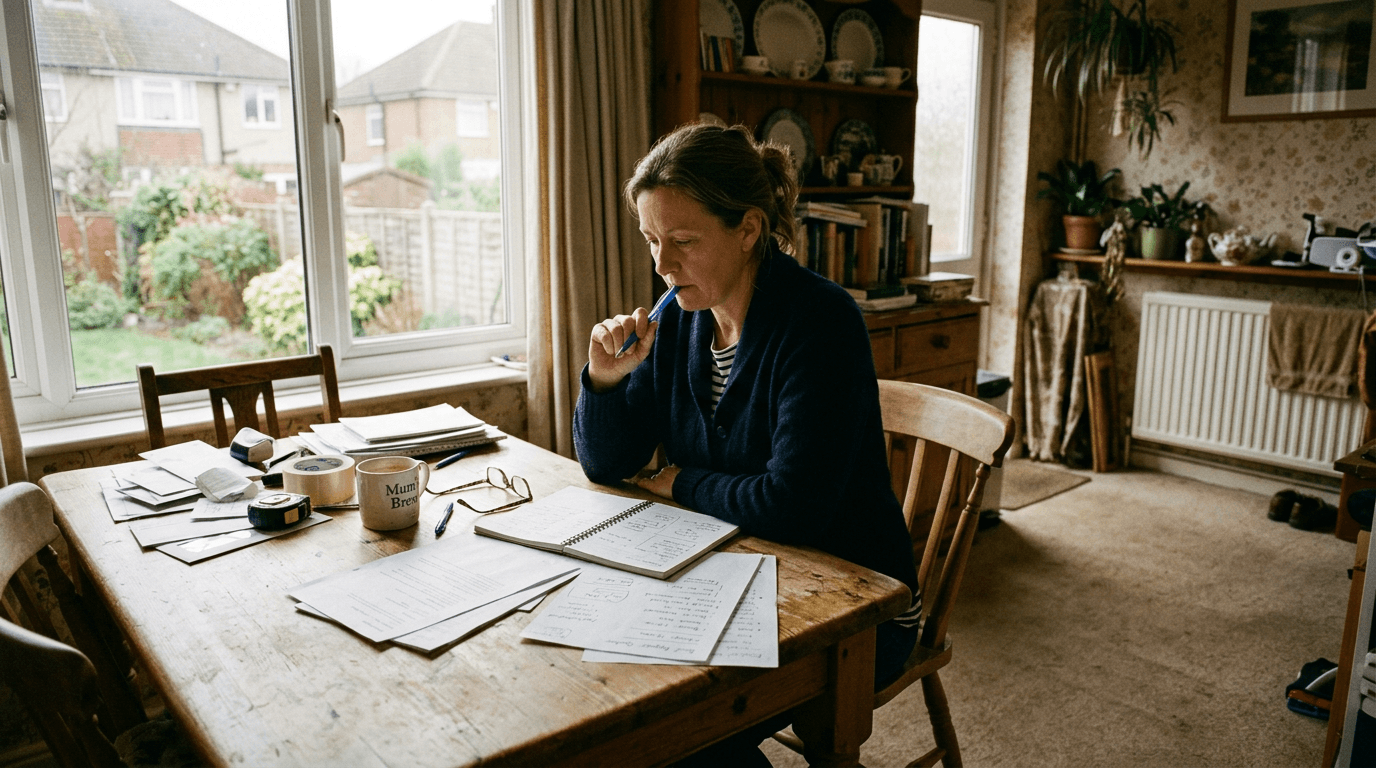
Compare quotes, lock in a written scope, and stay involved without guesswork. Practical UK advice for your first year in an older home, plus how Taskino organises local help.

Practical new homeowner tips for the UK: stop taps, ladders, alarms, locks, moving boxes, maintenance budgets, and when to book local help.
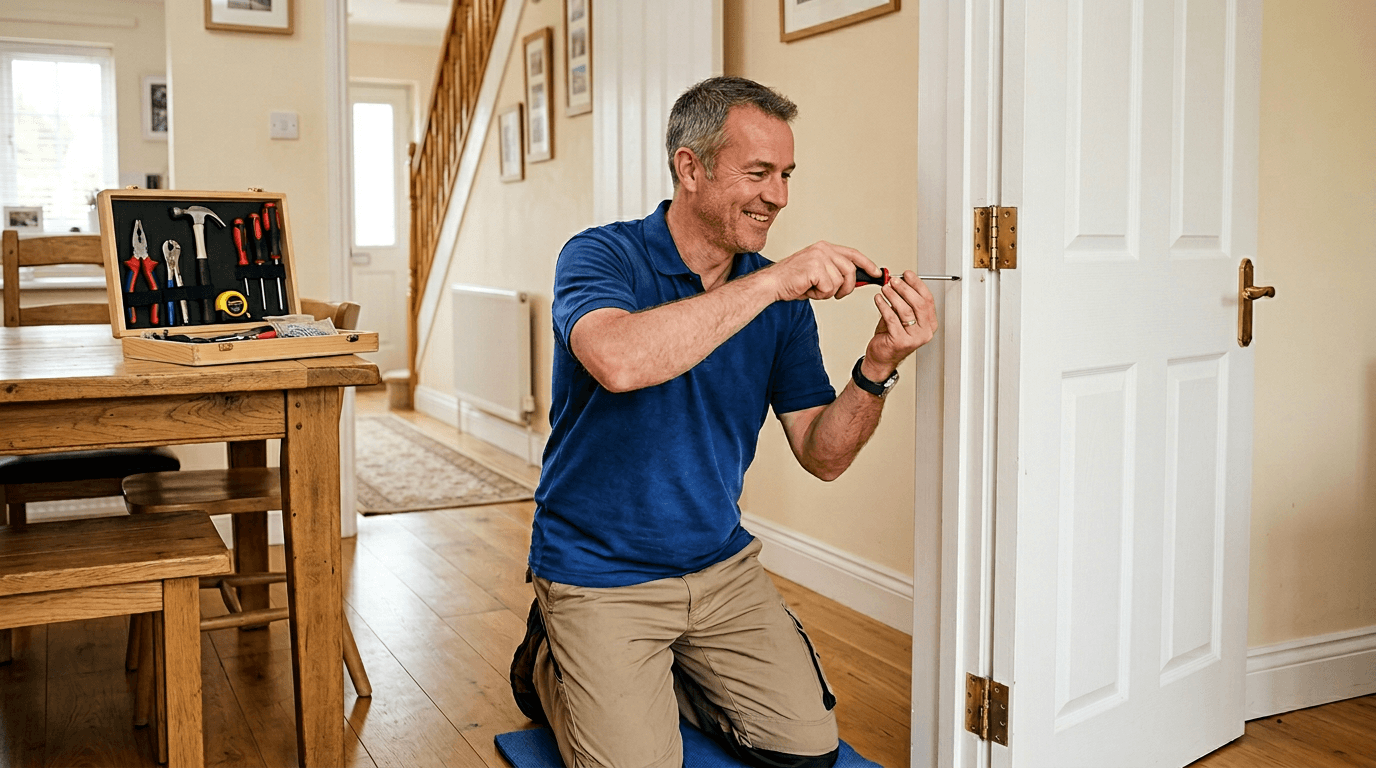
Find out which home jobs need a professional handyman. Learn when DIY is enough and when to call in an expert.

Practical advice for planning and managing a home renovation. Tips to keep your project on track and stress-free.
Latest in Handyman
View all in this category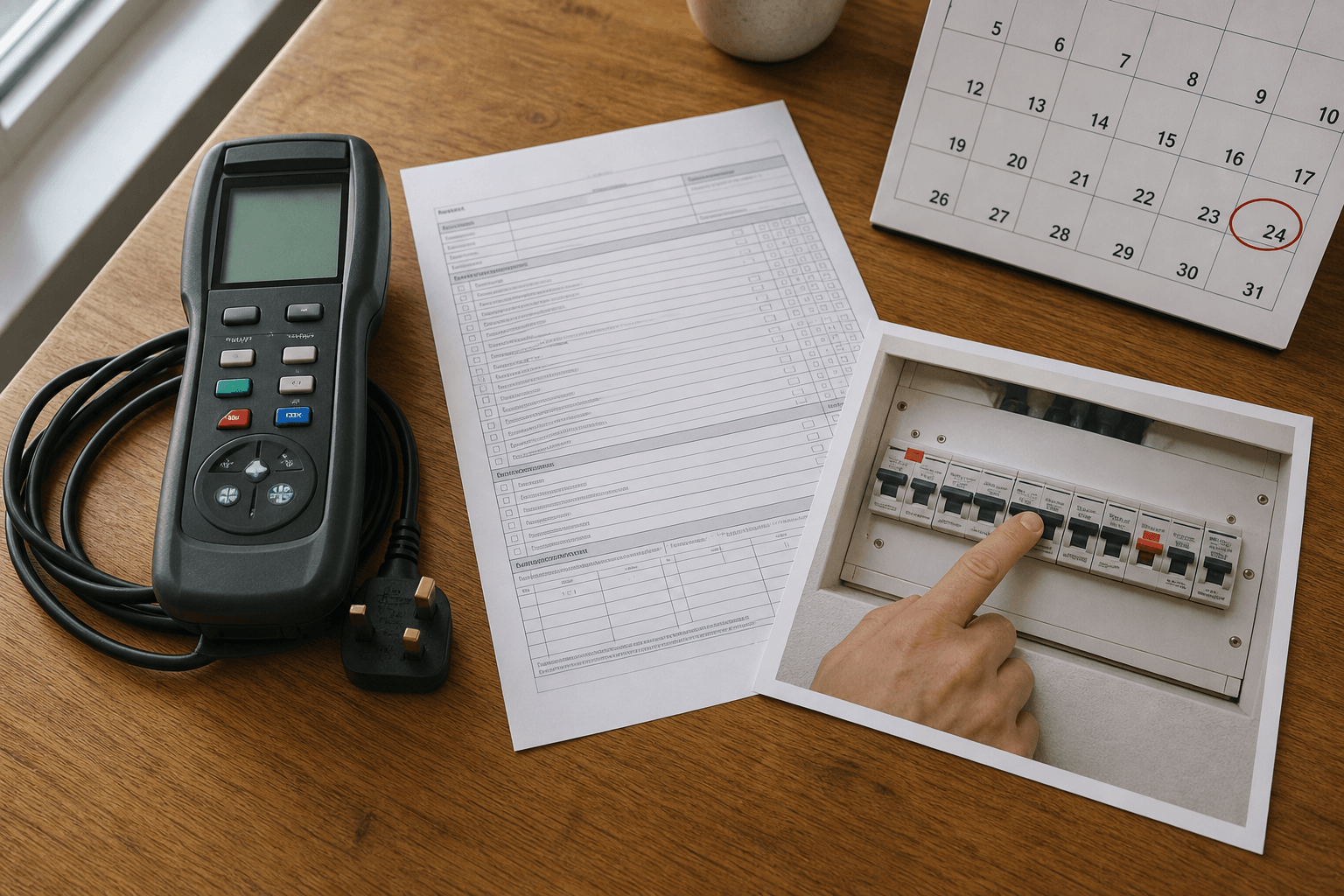
What is PAT testing, when you actually need it, and how to prevent EICR failures in a UK home in 2026, with frequencies and BS 7671 references.
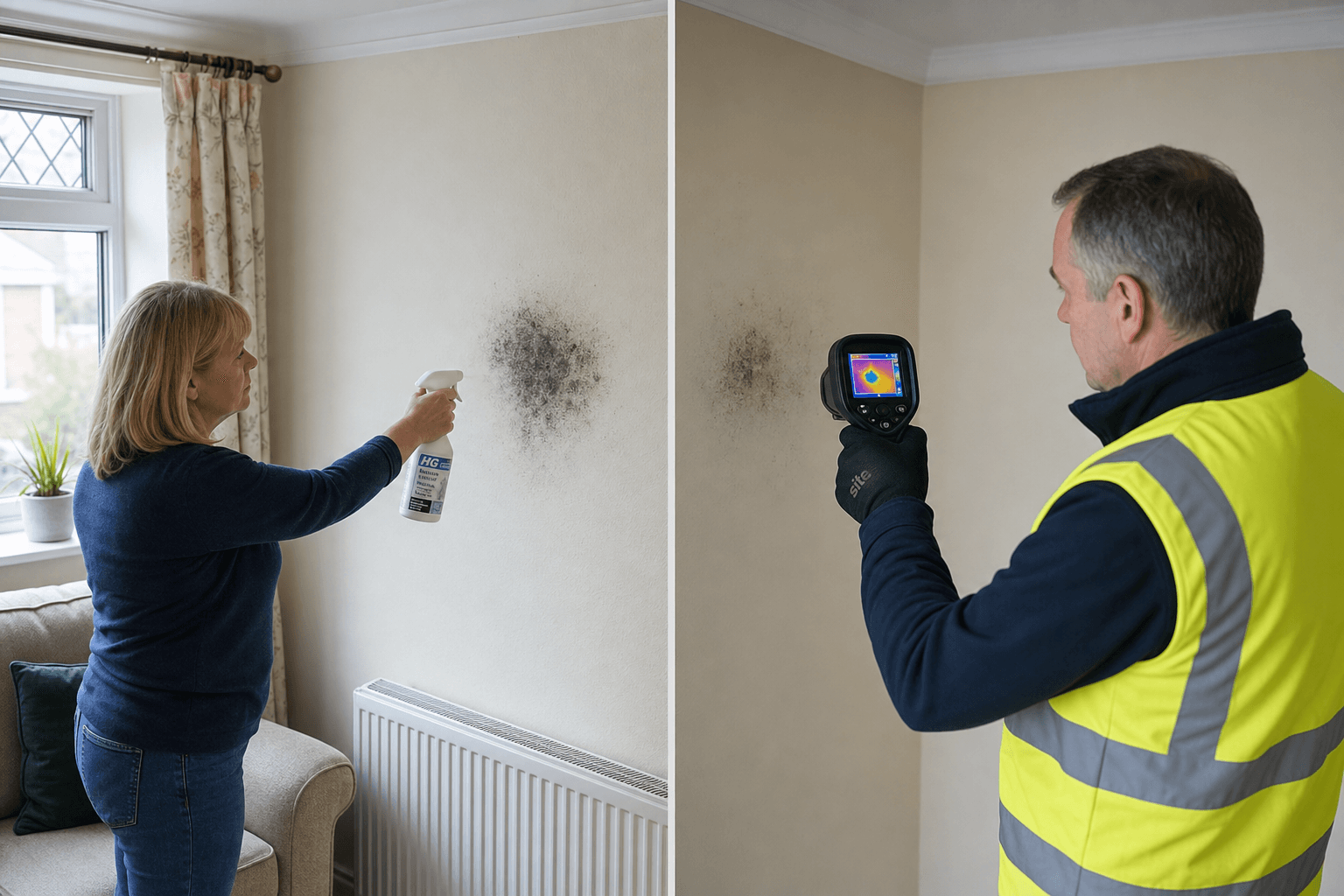
How to get rid of mould on walls permanently: when DIY beats a damp pro and when it doesn't. UK costs, HHSRS rules, and Awaab's Law thresholds.

Bleed a radiator safely in 8 steps. UK tools (£3 radiator key), when to STOP and call a Gas Safe engineer, plus how to balance afterwards.
Latest in Outdoor Services
View all in this category
UK 2026 comparison: block paving, resin driveway, tarmac, concrete and gravel: cost, lifespan, SUDS compliance and which suits your home best.

Sow a UK lawn from seed: best months (Apr-May, Sep), prep, seed rate, watering schedule, troubleshooting and when to lay turf instead.

Prevent weeds, moss and stains on UK block paving in 2026. Seasonal maintenance calendar, kit list, pressure-wash settings and what to leave to a pro.
Related services
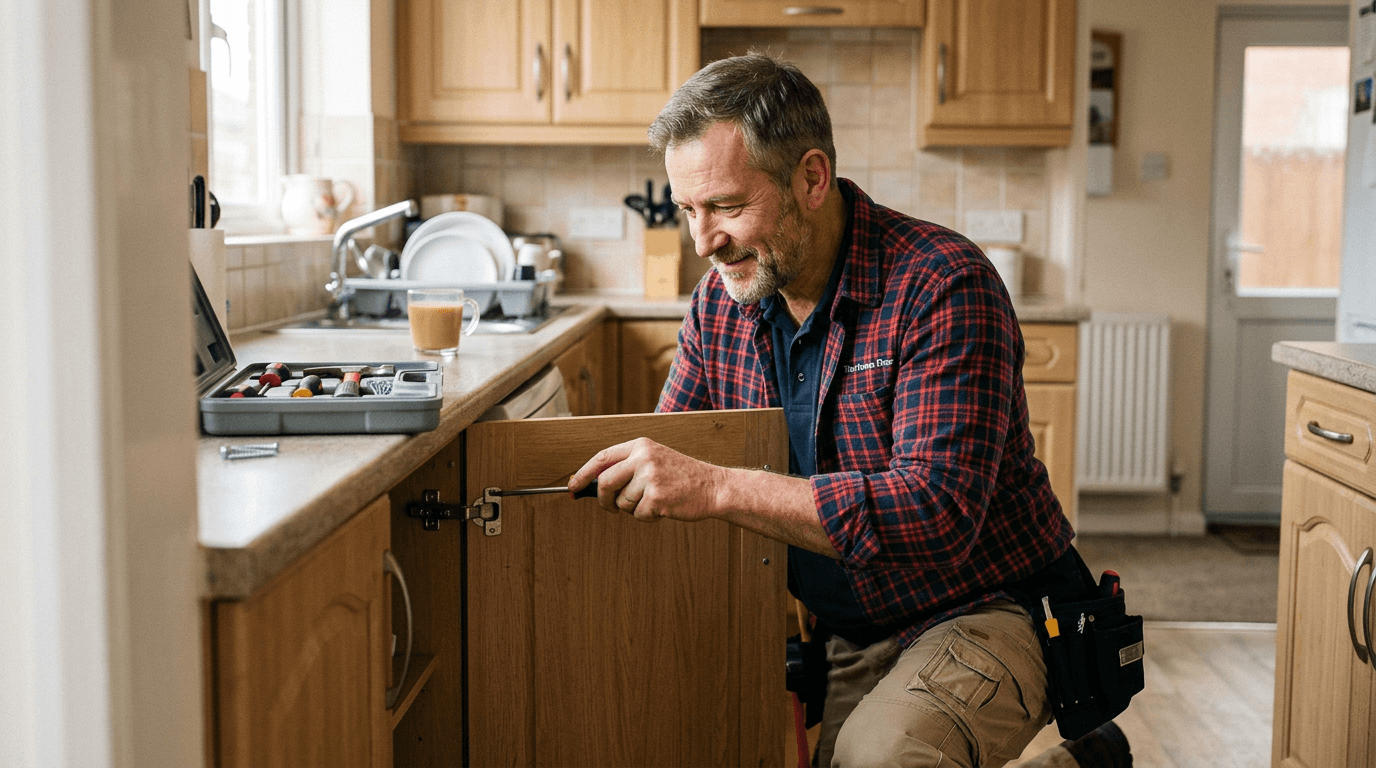
Minor repairs arranged through Taskino: taps, doors, plaster patches, loose fittings and more. Vetted handymen, clear quotes, fully equipped visits, and a tidy finish.

Neat lawns without the mower hassle. Taskino arranges professional lawn mowing with insured gardeners who arrive fully equipped, give clear quotes and leave edges trimmed and clippings tidied when agreed.
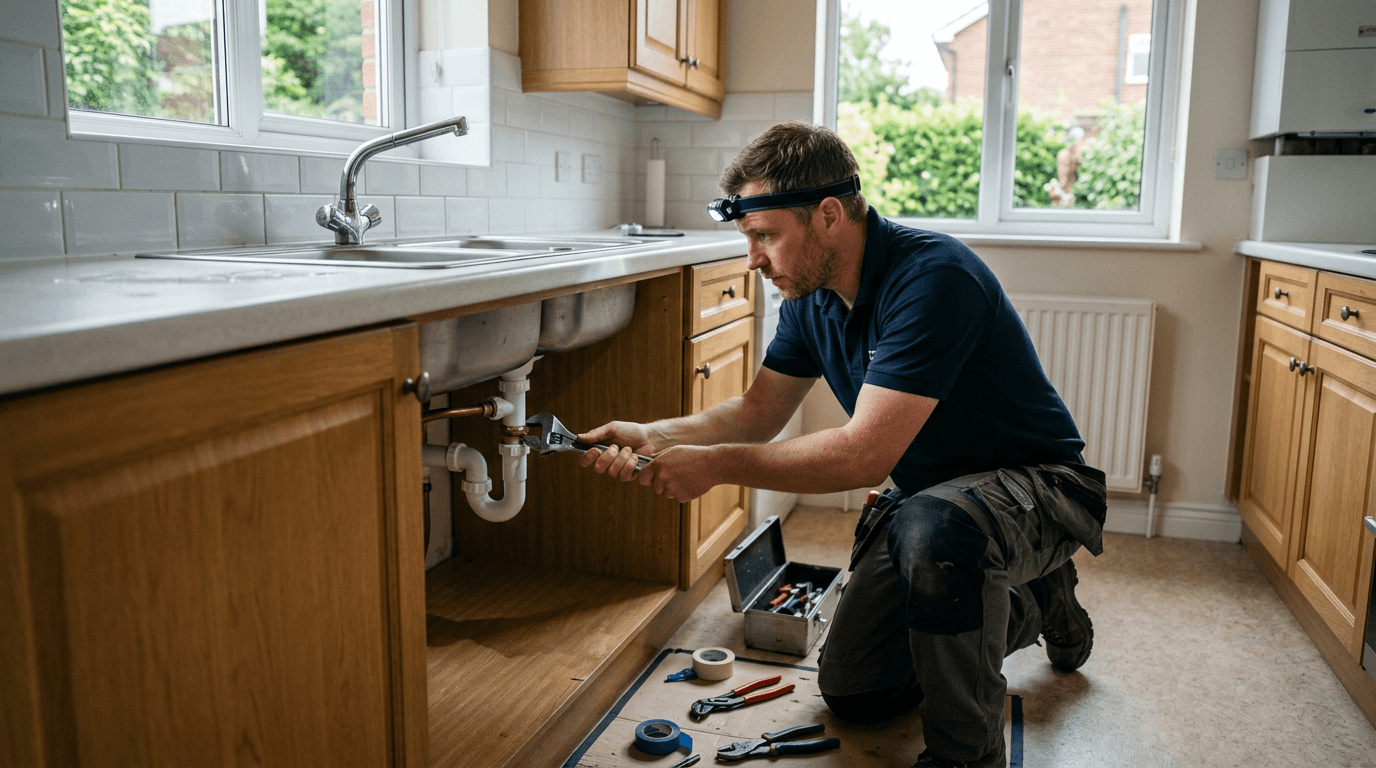
Reliable plumbing services for repairs, installations and emergencies. Taskino connects you with insured local plumbers who deliver clear quotes, fast response times and quality workmanship.
Ready to Book Your Service?
Tell us what you need and our team will help you find the right professional quickly, with clear pricing and no hidden fees.