
When a Small Home Problem Feels Huge: Staying Calm About UK Repairs
A dripping tap or a wobbly handle can trigger outsized worry. Here is a calmer way to think about UK home repairs, DIY limits, and when to book help.
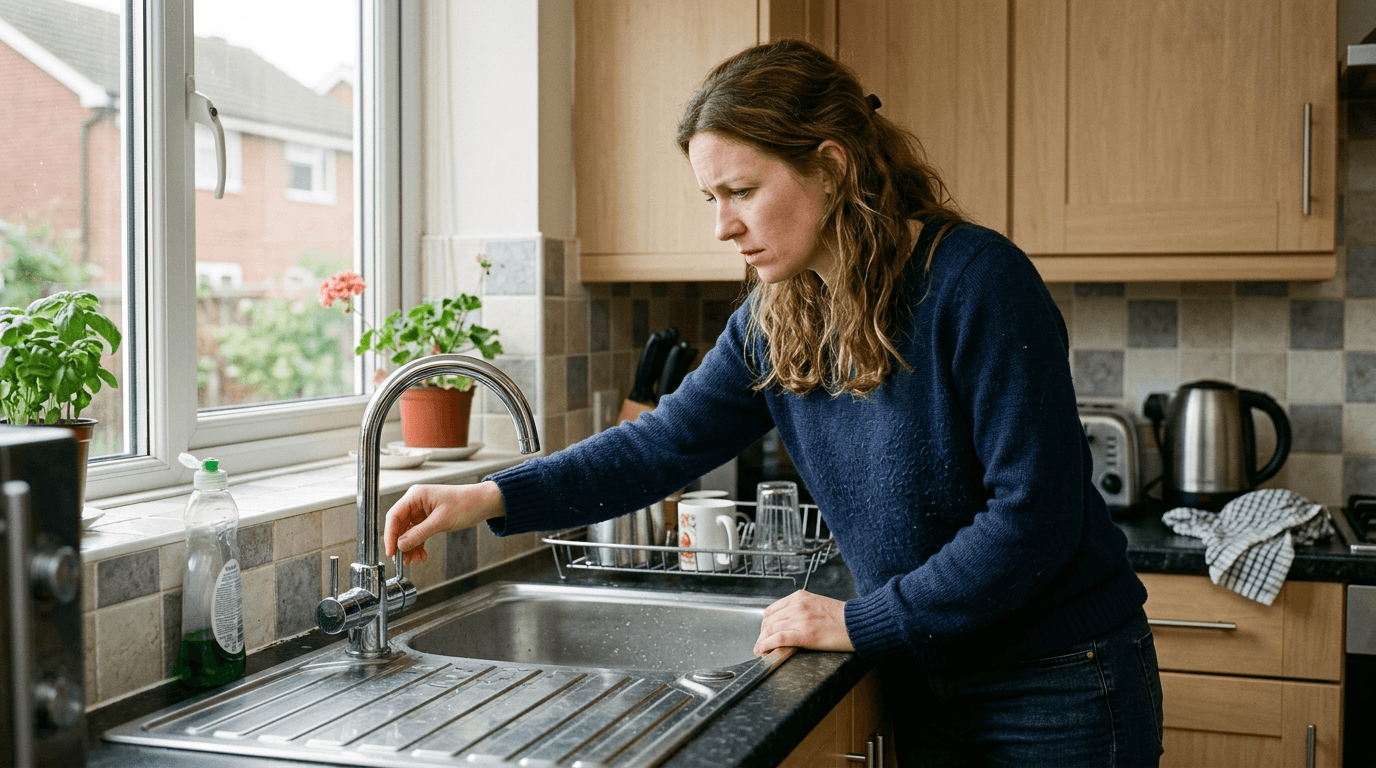
If you have ever owned a home, you have probably lived this moment. Something small changes. A tap runs a little unevenly. A cupboard door sits slightly off. A floorboard creaks in a new place. Your brain does not file it under "minor annoyance". It opens a much louder folder labelled "what if this is expensive".
That reaction is common, and it is not because you are dramatic. A house is a bundle of systems you cannot fully see. The visible symptom is rarely the whole story, and most people have a memory of a repair that grew arms and legs. The good news is that you can bring the temperature down with a calmer process: observe, separate signal from noise, learn what you can safely try, and know when to book someone who does this every day.
Why a small symptom can feel like a big threat
Homes hide their plumbing, electrics, structure, and drainage behind plaster and units. When something at the surface feels odd, your mind fills the gap with worst-case stories because the gap is literally walled in. Social media and dinner-table chat do not help: everyone has a saga about damp, leaks, roofs, boilers, or mysterious smells.
It helps to name what is happening. Often you are not afraid of the tap. You are afraid of uncertainty, disruption, time off work, and the simple stress of choosing the right person. Once you separate "I dislike not knowing" from "this is definitely a disaster", you can act more clearly.
Need help with Plumbing?
Tell us about your job and we will match you with the right professional for Plumbing.
The two stories: nuisance versus early warning
Many everyday issues are genuinely small. A dribble at the spout, a loose handle, or a rattling pipe clip can be annoying while still being a straightforward fix for someone with the right experience. Other issues are early warnings: moisture you cannot explain, a warm patch on a wall, repeated tripping of a circuit, or water pressure that changes across the whole house.
You do not need to diagnose everything on day one. You need a short list of red flags that deserve urgency. Persistent moisture, the smell of gas, visible sparks, sudden major loss of water pressure, or anything that affects safety should go straight to a qualified professional. For everything else, you can usually move in sensible steps rather than spiralling.
DIY confidence: what many UK homeowners learn the hard way
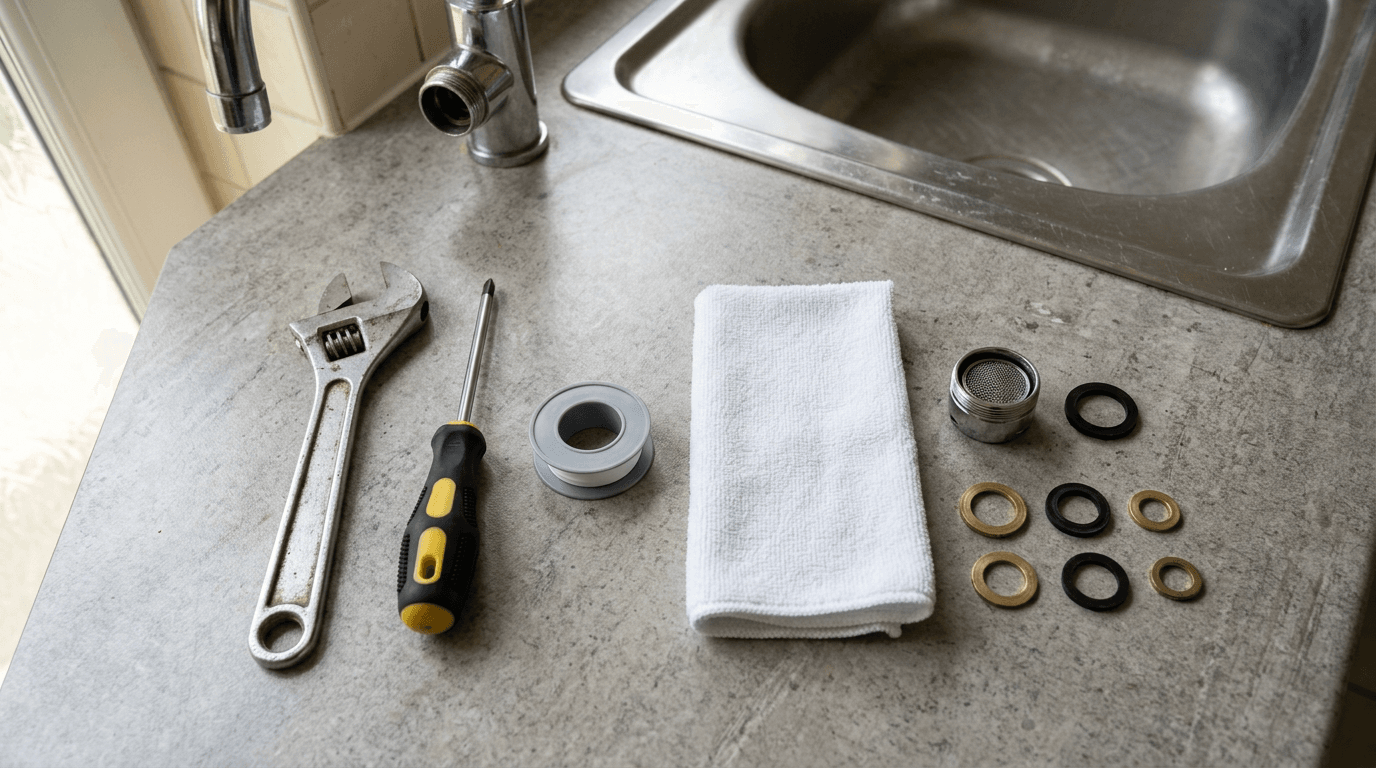
Plenty of people discover they are more capable than they thought. Clear tutorials, careful preparation, and the right basic tools can cover a surprising range of household jobs. That can be empowering, and it can also save you from paying for simple work you would happily do yourself on a quiet Saturday.
The healthy version of DIY is curious but cautious. Start with jobs that are reversible, well documented, and unlikely to affect safety if you make a mistake. Keep a tidy workspace, turn off water at the stop tap when you are working on fixtures, and take photos at each step so you can reassemble things correctly.
Where DIY should usually stop
Most homeowners draw a line at gas work, major electrical alterations, structural changes, and anything that needs a specialist certificate for insurance or resale. If you are unsure whether a wall is load-bearing, treat it as structural until a professional confirms otherwise. The goal is not to prove you are tough. The goal is to keep the house safe and insurable.

Explore our Minor Repairs service
See what is included, typical timings, and what to prepare before you book.
When booking a professional is the calmest option
Calling in a tradesperson is not a failure. It is risk management. A good professional brings pattern recognition: they have seen your symptom dozens of times, they know which tests rule things in or out, and they can often spot a bad shortcut left by a previous owner.
If you are time-poor, if the job needs specialist tools, or if you simply want peace of mind, hiring help can be cheaper than learning through expensive trial and error. The trick is to hire well: clear description of the issue, photos if useful, and agreement on what success looks like before work starts.

How to compare quotes without drowning in jargon
When the job is non-urgent, comparing more than one quote is one of the simplest ways to reduce anxiety. You are not looking for the cheapest number on principle. You are looking for a scope that matches, a timeline that feels realistic, and a communicator who answers your questions plainly.
Ask what is included, what might change if they open something up, and how they will protect finishes while working. If two quotes diverge wildly, ask both sides why. Sometimes the gap is access, materials, or a different assumption about the root cause.
It also helps to write a short brief before you speak to anyone. Three lines is enough: what you noticed, when it started, and what you have already tried. That sounds trivial, but it keeps the conversation anchored. It reduces the chance that you forget an important detail in the moment, and it helps the other person understand whether they should be thinking about a quick adjustment or a wider investigation.
If you are new to hiring trades, remember that good communication is a two-way street. You do not need to pretend you know terminology you do not. You do need to be honest about access, pets, parking, and time windows. Those practical details often matter more than technical buzzwords, because they determine whether a job can be completed cleanly in one visit or whether it becomes a stop-start saga.
Ready to book Plumbing?
Send a quick enquiry — we typically respond the same working day.
Common worries, plain answers
Does every odd noise or drip mean something serious
Not usually. Houses make sounds as materials expand and contract, and water pressure can vary slightly depending on demand in the neighbourhood. What matters is change: something new, something getting worse, or something paired with other signs like staining, a persistent smell, or a sudden behaviour shift across multiple taps. If the change is slow and stable, you still have room to plan. If it is fast or paired with safety concerns, treat it as urgent.
Is it silly to call someone for a small job
No. Professionals are not judging your life by whether the job is "worthy". They are deciding whether they can help, whether they have capacity, and whether the work fits their skills. Many small jobs are still fiddly, and fiddly work can waste your weekend if you do not enjoy it. Booking help for something minor can be a rational trade: you buy back time and avoid scratching finishes or stripping threads because you rushed.
Why does my brain jump to the worst outcome at night
Because tired brains are worse at uncertainty. Night-time scrolling turns mild curiosity into catastrophe planning. A simple rule is to write the symptom down, take a photo if it helps, and decide the next step in daylight. If you still feel uneasy after a calm review, that is useful information: it might mean you need a second opinion, or it might mean you want someone experienced to close the loop so you can stop guessing.
How do I avoid feeling ripped off
Start with clarity, not suspicion. Ask for scope in writing where possible, ask what happens if the issue is different once they start, and keep a record of messages. Most disputes come from mismatched expectations, not cartoon villains. If something feels off, pause and ask another tradesperson for a second opinion before you agree to a major change of plan. A short pause is often cheaper than undoing rushed work.
What if I cannot tell whether it is plumbing, electrics, or something else
That is normal. Start with what you can observe without opening walls: where the symptom shows up, whether it tracks with weather, whether it correlates with appliance use, and whether it affects one room or many. If you book through a marketplace, choose the category that matches the most obvious risk first. Water issues usually sit with plumbing. Sparking, burning smells, or repeated tripping needs an electrician. If two systems seem involved, say so upfront so the right person arrives, or so you can be guided to a second visit if needed.
How Taskino fits into a calmer repair journey
If you want to move from late-night searching to a straightforward booking path, Taskino is built to help UK customers find local help for home jobs. You can explore services such as plumbing for water-related issues, minor repairs for smaller fixes around the house, and handyman-style jobs where you need a capable all-rounder.
The point is not to rush you into a decision. The point is to replace vague dread with a simple next step: describe the problem, choose a service that matches it, and connect with someone who can either fix it or tell you clearly what needs to happen next.
Learn more about Minor Repairs
Browse how we deliver Minor Repairs and the questions homeowners ask most often.
Practical habits that shrink homeowner panic
A few boring habits make future you much calmer. Know where your stop tap is and check it turns. Keep a short home checklist seasonally: gutters, obvious cracks, seals around baths and showers, and any rooms that smell different than usual. Keep photos of serial numbers and model stickers for taps, boilers, and white goods so you can share accurate details when you book help.
If you live with someone else, agree a simple rule: safety issues get action the same day, everything else gets a note with the date and a photo. That tiny bit of structure stops the loop of "I thought you were going to sort it".
Another habit that pays off is keeping a simple "home log" in your notes app. Date, room, symptom, what you did, and who you spoke to. Over a year, patterns become obvious: recurring issues, seasonal quirks, and jobs you keep postponing because they feel intimidating. When you eventually book help, that log is gold because it reduces guesswork and helps a tradesperson trust that you are describing reality accurately.
Finally, accept that perfection is not the goal. A lived-in home will always have a to-do list. The aim is to keep the list honest: what is cosmetic, what is maintenance, and what is genuinely urgent. That distinction is what stops every small oddity from feeling like an emergency.
What changes after your first few repairs
The first time you deal with a household issue, everything feels high stakes. The fifth time, you recognise familiar shapes in the problem. You learn which symptoms are usually benign, which questions to ask, and which preparations make visits smoother. Experience does not mean you suddenly want to replumb a bathroom solo. It means you stop treating every unknown as a personal exam you must pass.
That confidence also helps you advocate for yourself calmly. You can ask for options, ask what happens if you defer work, and ask what monitoring looks like if something is borderline. Calm questions tend to get clearer answers than panicked ones, because they signal you are trying to understand rather than accuse.
If you are a new homeowner, give yourself permission to learn gradually. Pick one small skill you want this quarter: locating stop taps, resetting a trip switch safely, or sealing around a bath with the right product. Small wins stack. They also reduce the background hum of anxiety, because your brain starts to associate home issues with a toolkit of responses rather than with pure dread.
Thinking about Plumbing?
Share your postcode and job details for a no-obligation quote.
Renting versus owning: different stresses, same human brain
Renters often carry a different stress: waiting on a landlord, chasing updates, or living with a drip that never quite gets priority. Owners carry the stress of paying directly and coordinating work. Neither version is morally better. Both benefit from the same skills: clear reporting, evidence in photos, and knowing when to escalate politely but firmly.
Closing the loop: from fear to a plan you can trust
The meme version of homeownership is a tap that behaves oddly while your imagination invoices you for the entire building. The real version is usually slower and more ordinary. Some problems are small. Some deserve urgency. Most benefit from a steady approach: observe, rule out safety issues, learn within your limits, and book trustworthy help when the job is bigger than your time or skill.
If you are in that middle zone where you are not sure what you are looking at, start with the basics: stop tap location, obvious leaks, and whether the issue is isolated or whole-house. Then pick the path that matches your comfort level. Taskino is here when you want that path to be booking a local professional without the runaround.
Related posts

Compare quotes, lock in a written scope, and stay involved without guesswork. Practical UK advice for your first year in an older home, plus how Taskino organises local help.

Practical new homeowner tips for the UK: stop taps, ladders, alarms, locks, moving boxes, maintenance budgets, and when to book local help.
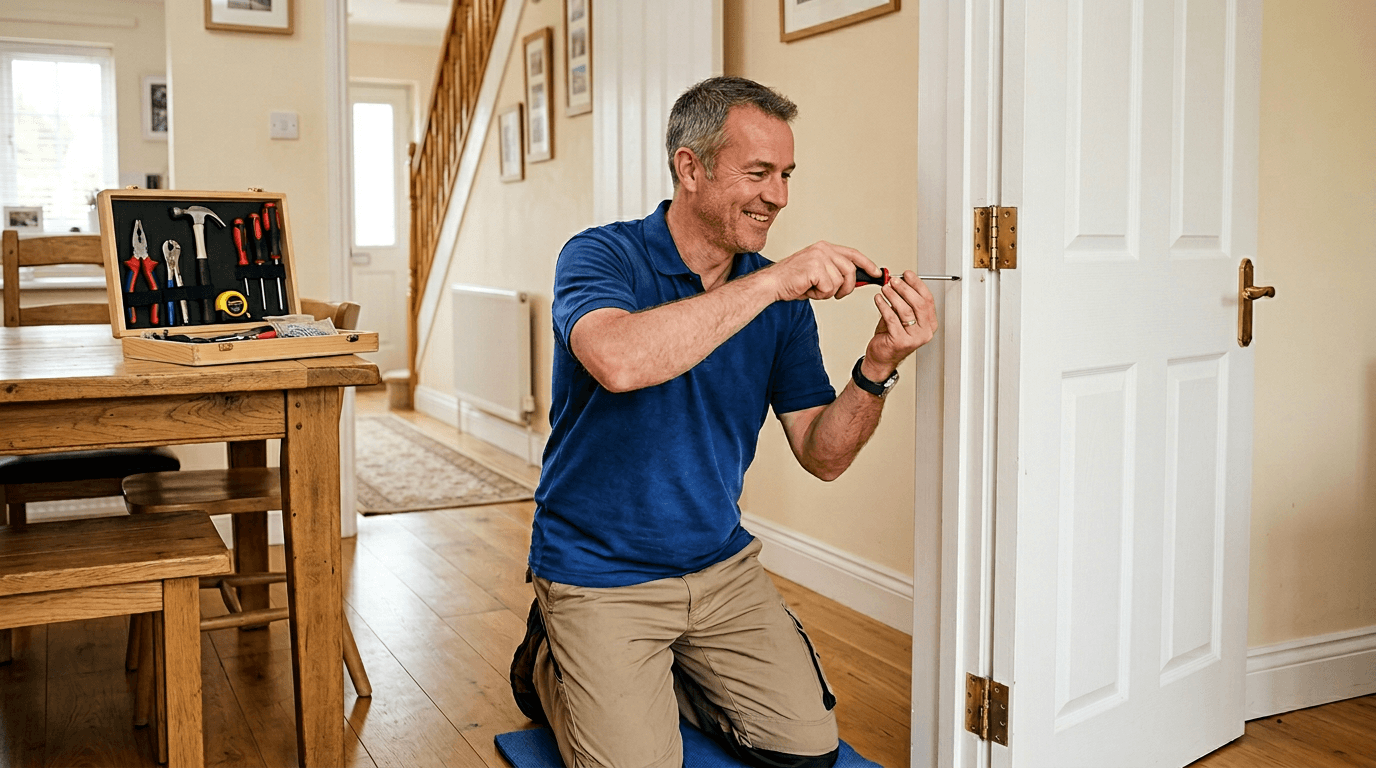
Find out which home jobs need a professional handyman. Learn when DIY is enough and when to call in an expert.

Practical advice for planning and managing a home renovation. Tips to keep your project on track and stress-free.
Latest in Handyman
View all in this category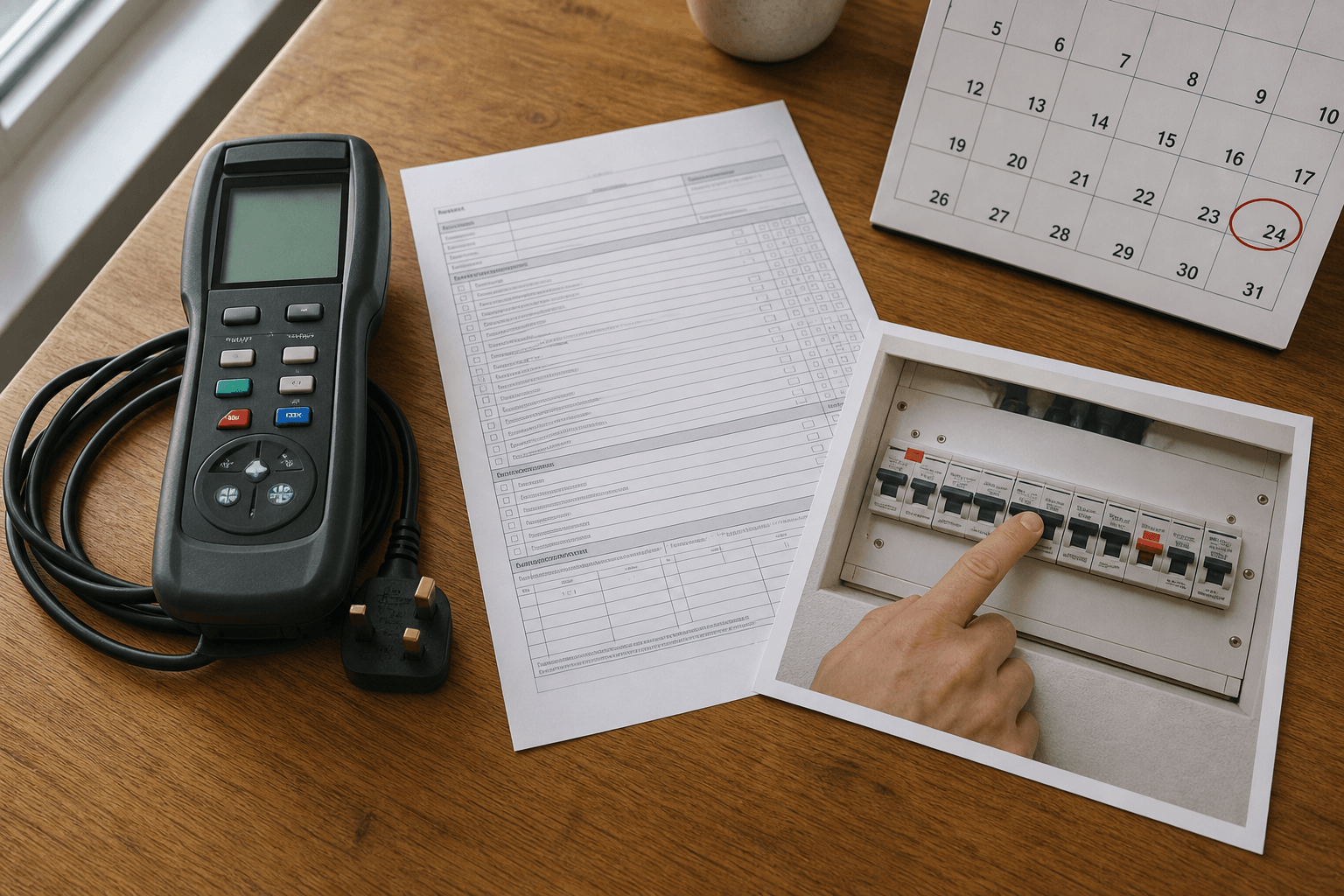
What is PAT testing, when you actually need it, and how to prevent EICR failures in a UK home in 2026, with frequencies and BS 7671 references.
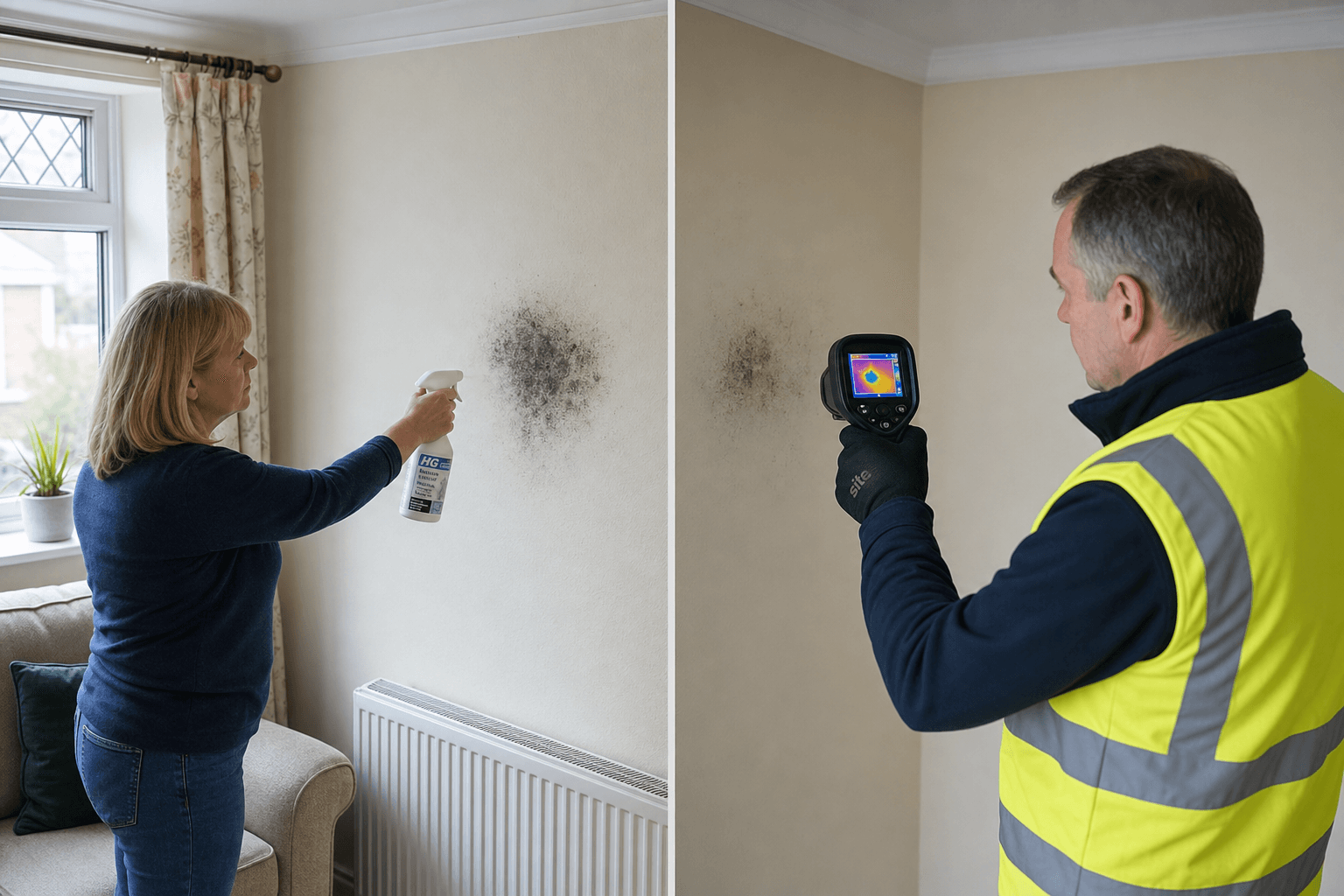
How to get rid of mould on walls permanently: when DIY beats a damp pro and when it doesn't. UK costs, HHSRS rules, and Awaab's Law thresholds.
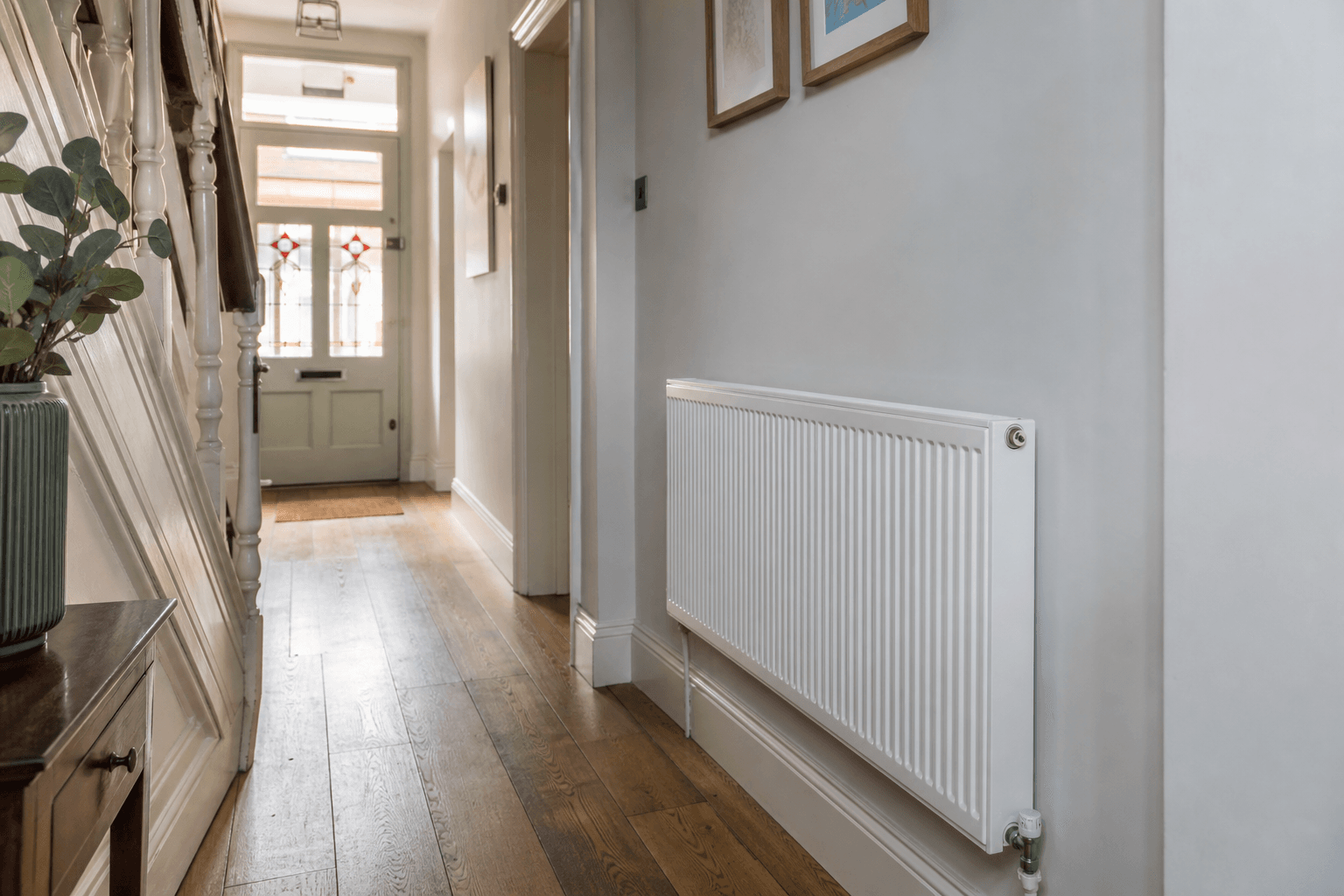
Bleed a radiator safely in 8 steps. UK tools (£3 radiator key), when to STOP and call a Gas Safe engineer, plus how to balance afterwards.
Related services
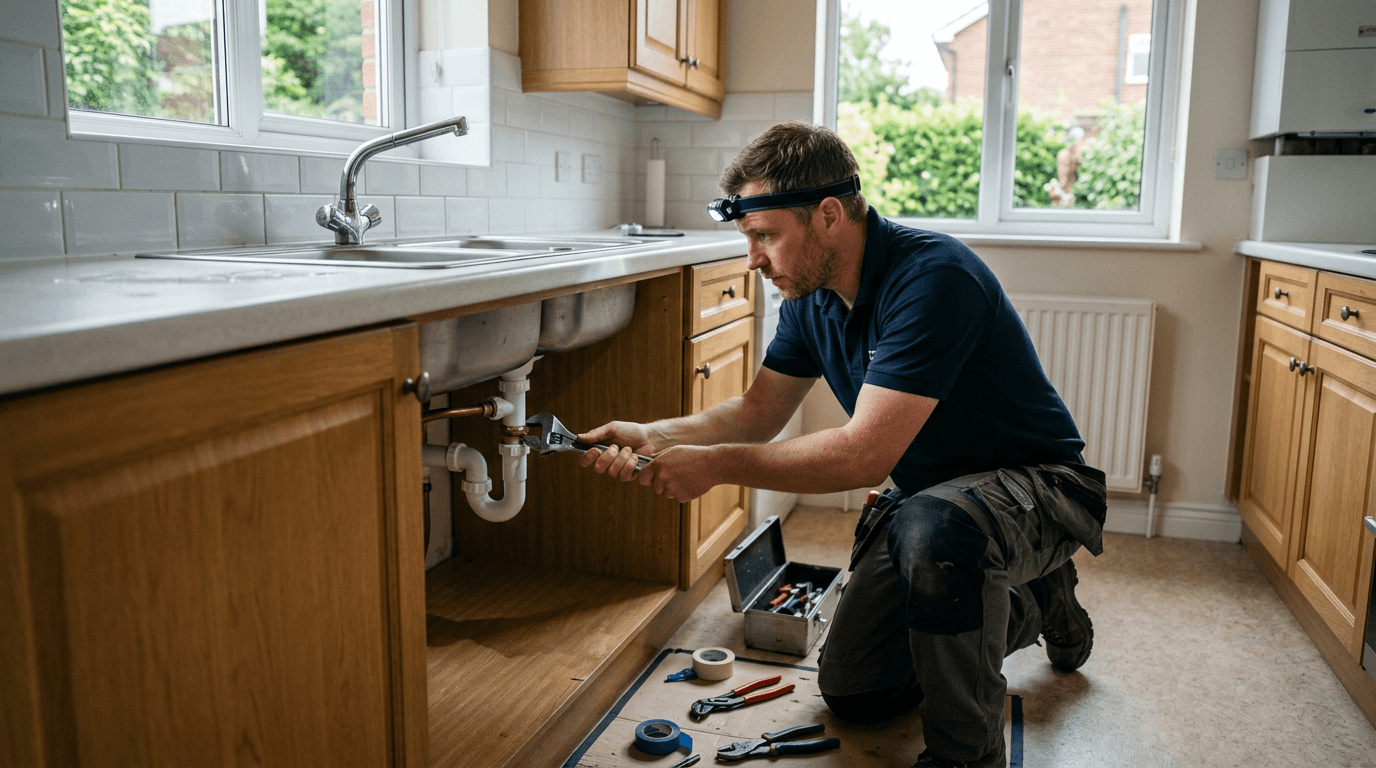
Reliable plumbing services for repairs, installations and emergencies. Taskino connects you with insured local plumbers who deliver clear quotes, fast response times and quality workmanship.

Minor repairs arranged through Taskino: taps, doors, plaster patches, loose fittings and more. Vetted handymen, clear quotes, fully equipped visits, and a tidy finish.
Ready to Book Your Service?
Tell us what you need and our team will help you find the right professional quickly, with clear pricing and no hidden fees.