
Is wall mounting a TV worth it long term? A calm UK homeowner guide
Wall mounting splits opinion online, but the long-term answer depends on height, wall structure and how you use the room. Here is a practical UK-focused guide to help you decide.
Why UK homeowners keep asking if wall mounting is worth it long term
If you have just upgraded to a larger flat-screen TV, you have probably stared at the box and wondered whether the next sensible step is a wall bracket or a sturdy stand. Online discussions swing wildly between "clean and safe" and "too high and awkward", which is not very helpful when you are trying to plan a room you will live with for years. The honest answer is that wall mounting can be an excellent long-term choice when it solves a real problem: space, stability, sound layout or cable neatness. It is a poor long-term choice when it is done for looks alone and the screen ends up uncomfortably high for everyday viewing.
This guide pulls together the recurring themes people raise after living with both setups, without turning it into a style contest. The focus is practical: ergonomics, safety, flexibility when you redecorate, and when it makes sense to book a professional TV mounting service instead of guessing with fixings you cannot see behind plasterboard.
You will not find a single verdict that suits every UK living room, because ceiling heights, window positions and sofa depth all change where your eyes naturally rest. What you can find is a checklist: confirm the wall, confirm the bracket weight rating, confirm the viewing triangle, then decide. When those three line up, most households report that wall mounting still feels like the right call years later.
Need help with TV Mounting?
Tell us about your job and we will match you with the right professional for TV Mounting.
What tends to stay true after the first few months
Most households notice the same benefits once a large set is properly mounted. The footprint on top of a media unit disappears, which makes a small UK lounge feel less crowded. Cables can be routed into trunking or chased channels so the wall looks calmer, which matters if the TV is the first thing you see from the hallway. A correctly specified bracket, fixed into solid structure rather than crumbly plaster alone, also removes the slow anxiety of a top-heavy screen on narrow feet, especially if children, pets or busy traffic pass close to the unit.
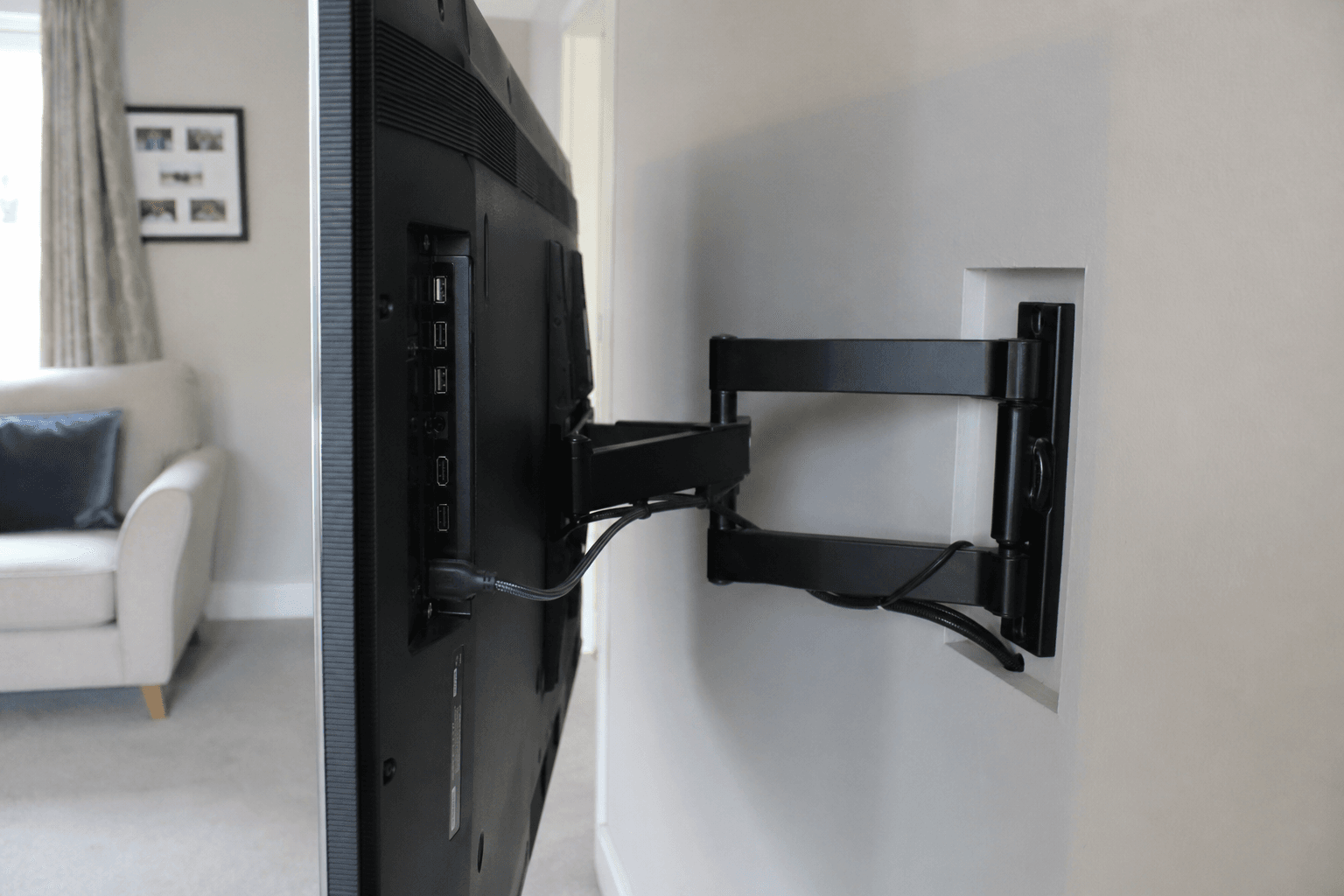
Articulating brackets add another long-term win that a stand cannot match. Being able to pull the screen forward and angle it slightly makes it easier to reach HDMI ports, adjust bias lighting or plug in a new streaming device without dragging the whole TV forward. In open-plan spaces, a swivel mount can reduce glare from patio doors at different times of day. Those conveniences sound small until you have lived with them for a year.
Heat and ventilation rarely come up in glossy photos, yet they matter for long-term reliability. Modern panels are slim, but they still need airflow. A mount that holds the TV a few centimetres off the wall can be kinder than trapping the set flat against a warm soundbar shelf. If your console is enclosed, pairing a wall mount with an open or ventilated unit underneath avoids the slow cook of electronics in a tight cavity.
The "too high" problem and how to avoid it
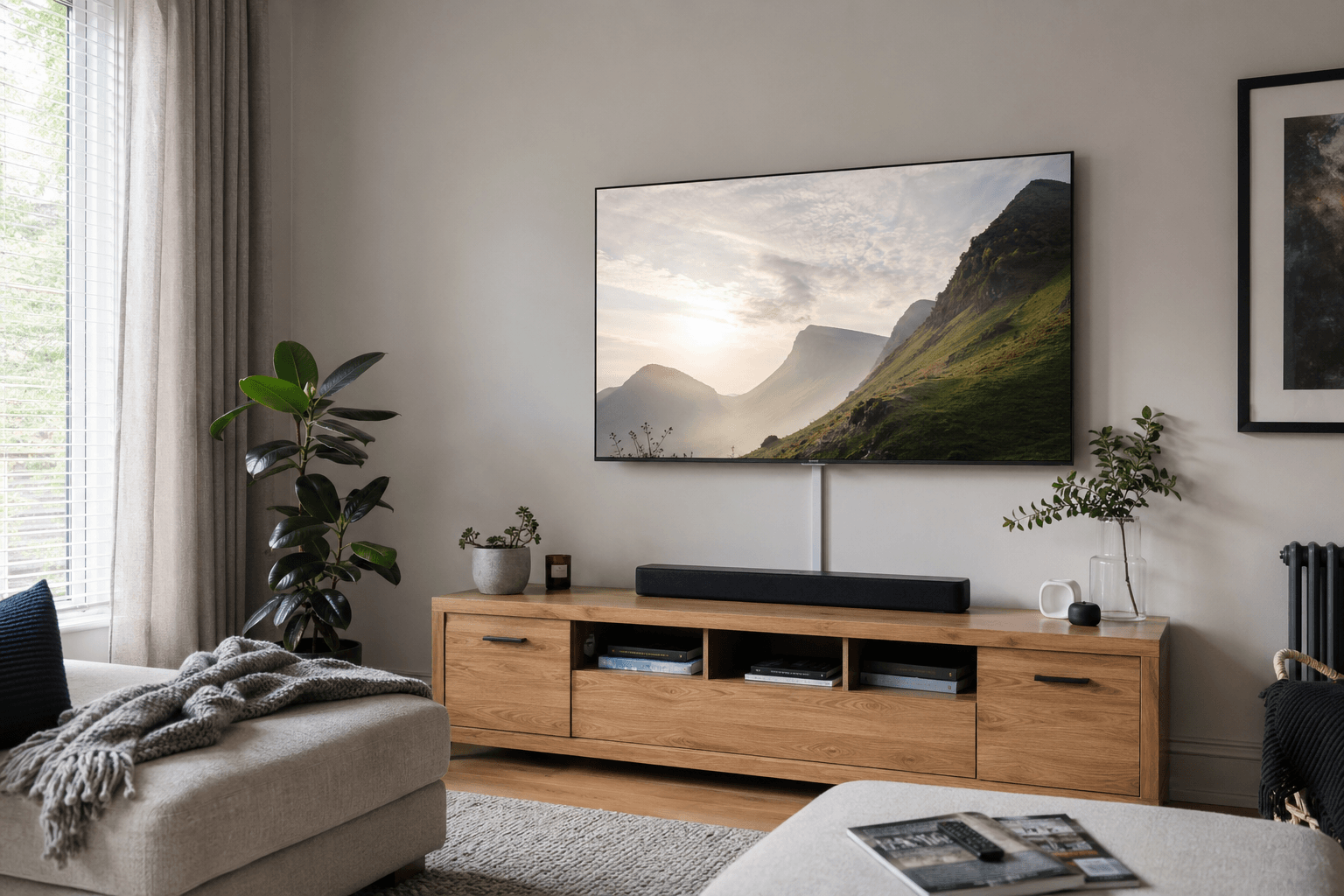
The most common regret is not the bracket itself but the height. When the screen floats above a tall sideboard, houseplants, soundbars and ornaments, the centre of the picture often drifts above seated eye level. That is fine for a standing kitchen TV, but uncomfortable for film nights on the sofa. Long term, a few degrees of neck tilt adds up to fatigue, and it is hard to un-see once a visitor politely mentions it.
If you want wall mounting to stay comfortable for years, start from your seated viewing position, not from the furniture you already own. Measure eye height on the sofa, then aim to keep the middle third of the screen near that line. Sometimes that means choosing a lower cabinet, recessing the bracket, or using a mount with vertical travel rather than pushing the TV up to clear clutter. A lower cabinet swap is often cheaper than repeated neck strain or another mounting job later.
Renters sometimes assume a bracket is impossible. In practice many tenancies allow holes that can be made good at checkout, but you should always follow your agreement and get written permission where needed. If drilling is off the table, a heavy-duty floor stand with a centre column can mimic some benefits of mounting while keeping height adjustable.
Explore our Shelving and Wall Fixings service
See what is included, typical timings, and what to prepare before you book.
Soundbars, centre speakers and furniture loads
Home cinema enthusiasts often mount the TV because a full-width centre speaker would otherwise block the lower bezel. A soundbar can create a similar puzzle: if it is deep, it may need to sit forward of the screen or on a shelf below, which changes how much vertical space you need. Wall mounting lifts the panel so the soundbar can sit on the unit without crowding the picture, but only if you plan the stack carefully.
Weight ratings matter more than people expect. A glass-topped console might look premium yet be rated for modest static loads. Add a dense soundbar, a gaming console and a drawer of controllers, and you can approach limits faster than with the TV alone. In those threads, owners often say mounting was less about aesthetics and more about not overloading furniture that was never designed as a structural plinth for seventy-odd kilograms of kit.
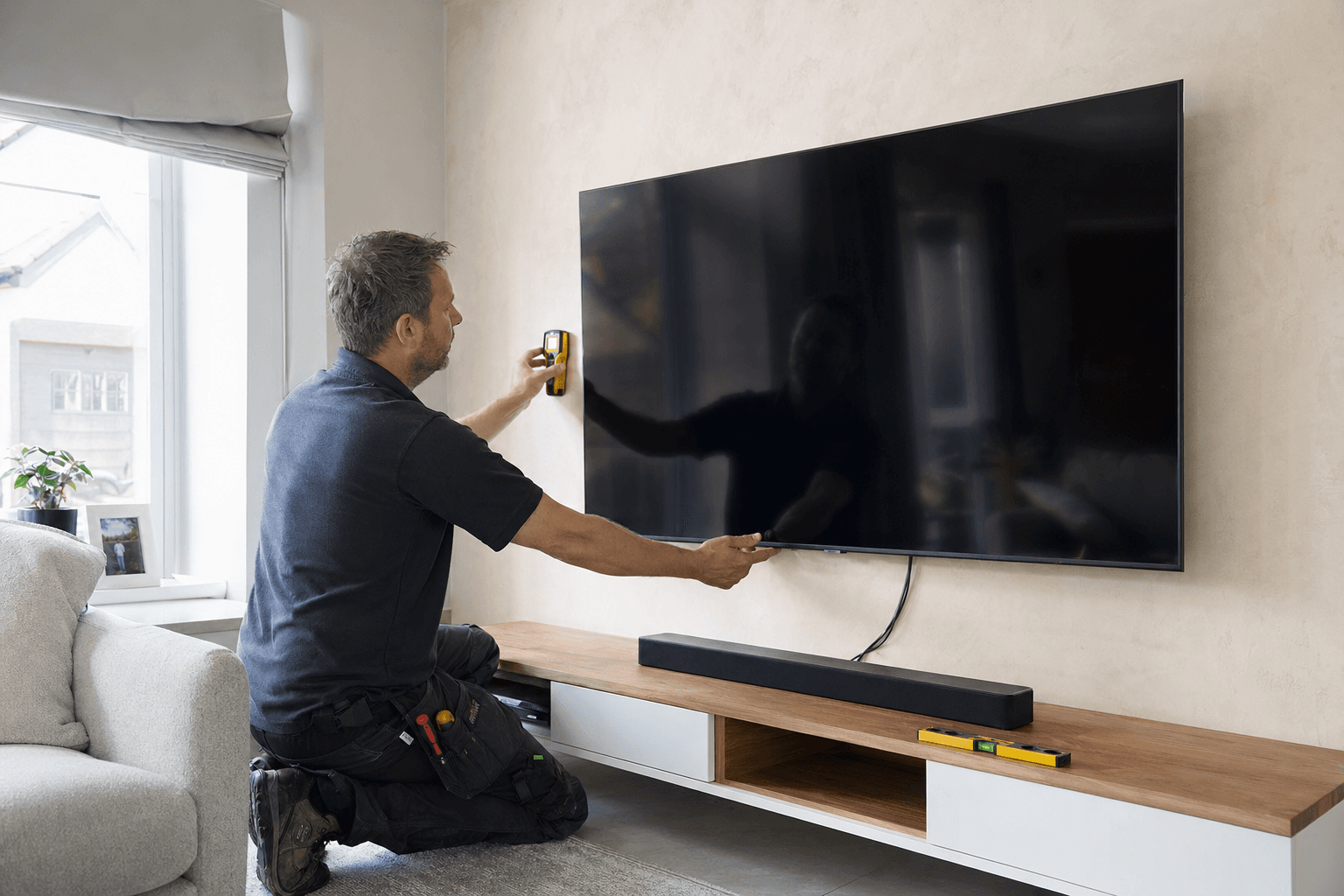
If you are unsure whether your wall is solid brick, stud partition or dot-and-dab plasterboard, treat it as a specialist decision. The wrong fixings in the wrong substrate loosen over time. That is where Taskino TV mounting professionals earn their fee: correct bracket choice, correct anchors, and a finish you are happy to live with.
Cable length is another long-term annoyance people forget until HDMI standards change again. Leaving a service loop in the wall or in a slim trunk, within what your electrician confirms is safe and compliant, saves you from buying ultra-short leads that barely reach after the next upgrade. Think of tidy cables as part of the mount project, not an afterthought.
Safety, tipping and peace of mind
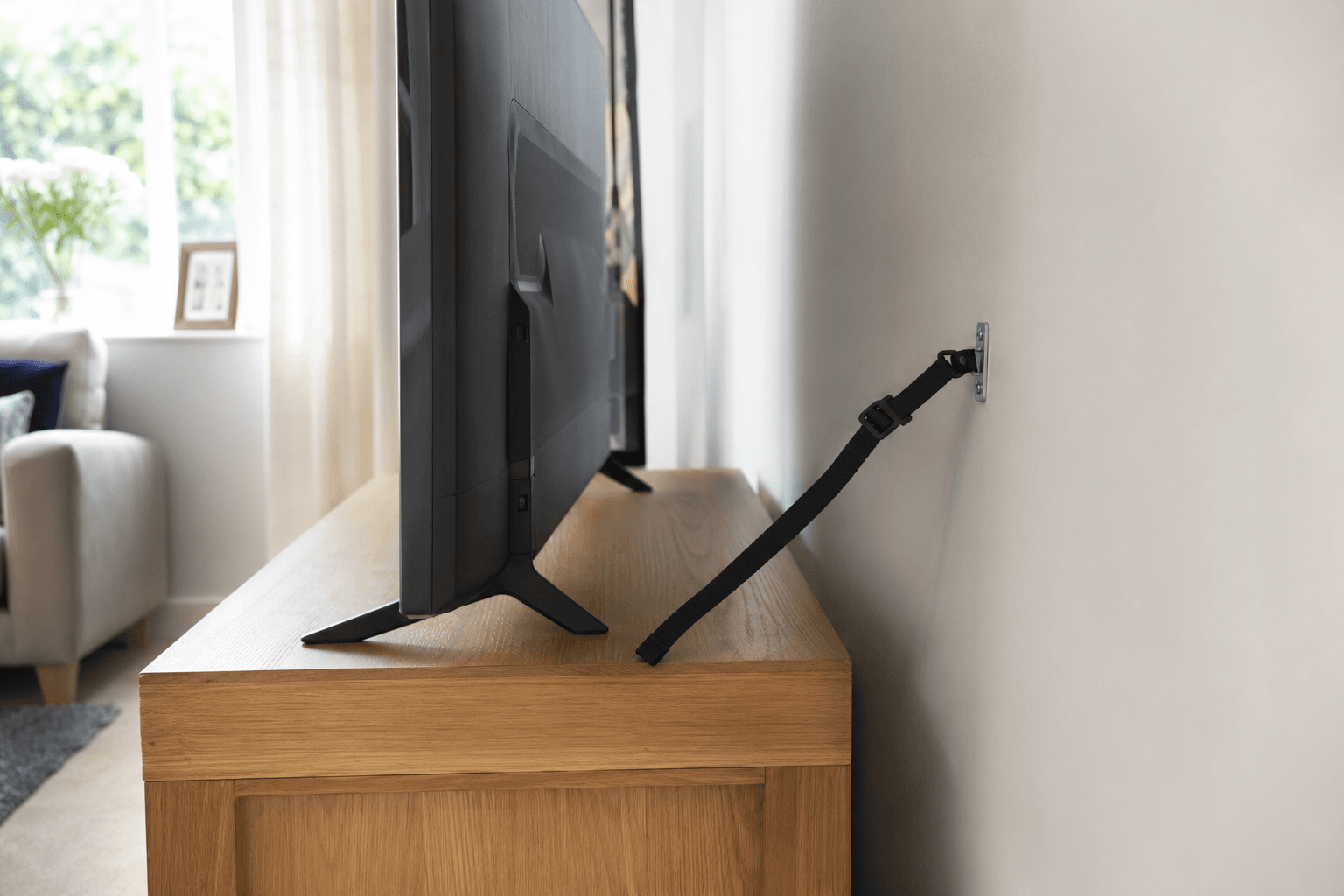
Large screens are lighter than old CRT sets but still awkward and fragile. A bump from a vacuum cleaner, an excited dog, or someone carrying a box can tip a stand-mounted TV if the feet are narrow. Anti-tip straps to the wall are a sensible middle ground when you prefer a stand but want child-safe behaviour similar to mounting.
Wall mounting is not magic: a bad install is worse than a good stand. Stud spacing, cable entry zones, and metal backplates on some panels all affect where you can drill safely. If you are not confident interpreting bracket templates, booking a vetted installer protects both the TV and the wall.
Ready to book Minor Repairs?
Send a quick enquiry — we typically respond the same working day.
Long-term flexibility: moving, decorating and screen size changes
One downside people mention years later is redecoration. When you repaint or paper, the TV has to come off, patchwork may be needed, and very large brackets leave more holes than a small tilt mount. That is a fair trade for many households, but if you rearrange furniture every season, a stand or a low-profile trolley can be simpler.
Screen size upgrades are another long-term angle. A mount with a wide VESA pattern range, or one that can shift vertically a little, gives you more room to swap a 55-inch for a 65-inch later without moving the whole arrangement. With a stand-only setup, each new TV height can sit differently on the same cabinet, which may force furniture changes anyway.
When a stand remains the better long-term fit
Stands still win when viewing positions vary a lot. If half the household watches from armchairs that sit much lower than the sofa, a stand on a wide base can sometimes be shimmed or swapped more cheaply than relocating a wall plate. Stands are also simpler in short lets, in rooms where the TV might move between walls, or when you want zero fixings in the building fabric.
If your only goal is to "float" the TV for appearance but you still need a tall cabinet underneath for storage, ask whether you are gaining real space or just lifting the picture into a less comfortable zone. Sometimes the better long-term fix is a lower unit and a stand, not a high mount.
Learn more about TV Mounting
Browse how we deliver TV Mounting and the questions homeowners ask most often.
Getting professional help on Taskino
Wall mounting is worth it long term when the bracket matches the wall, the height matches your seating, and the cable plan is tidy enough that you will not dread plugging anything in. If any of those steps feel uncertain, posting a job for TV mounting through Taskino connects you with experienced UK professionals who bring the right tools and fixings for your substrate. You get clear quotes, less risk to the panel, and a finish you can trust for everyday use.
Related help is available for adjacent jobs such as minor repairs after cable routing, shelving if you are building a wider media wall, or flat-pack installation when you are replacing the unit under the screen. Choosing the right bundle of tasks up front often saves a second visit later.
Bottom line
Treat wall mounting as a long-term upgrade when it improves safety, clears useful space, or unlocks a better sound layout at a comfortable height. Treat it cautiously when it is mainly decorative, when the wall structure is unknown, or when the screen would sit higher than you would happily watch every evening. Plan once, measure twice, and use expert help whenever fixings or cable access are in doubt.
Frequently asked questions: Is wall mounting a TV worth it long term? A calm UK homeowner guide
Short answers to common questions about this topic.
Our team will answer all your questions. we ensure a quick response.
Contact UsRelated posts
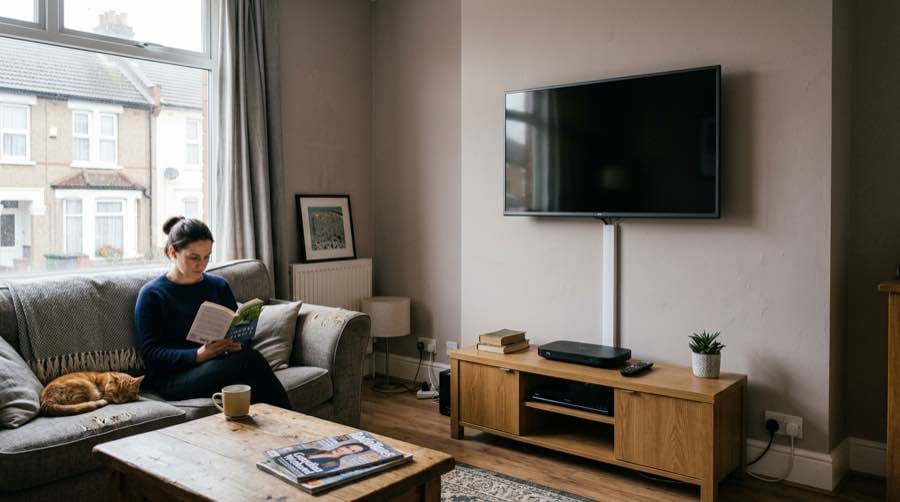
Check wall type, fixings, bracket ratings, and cables before TV mounting in the UK. A practical guide so your screen stays safe and the finish stays tidy.
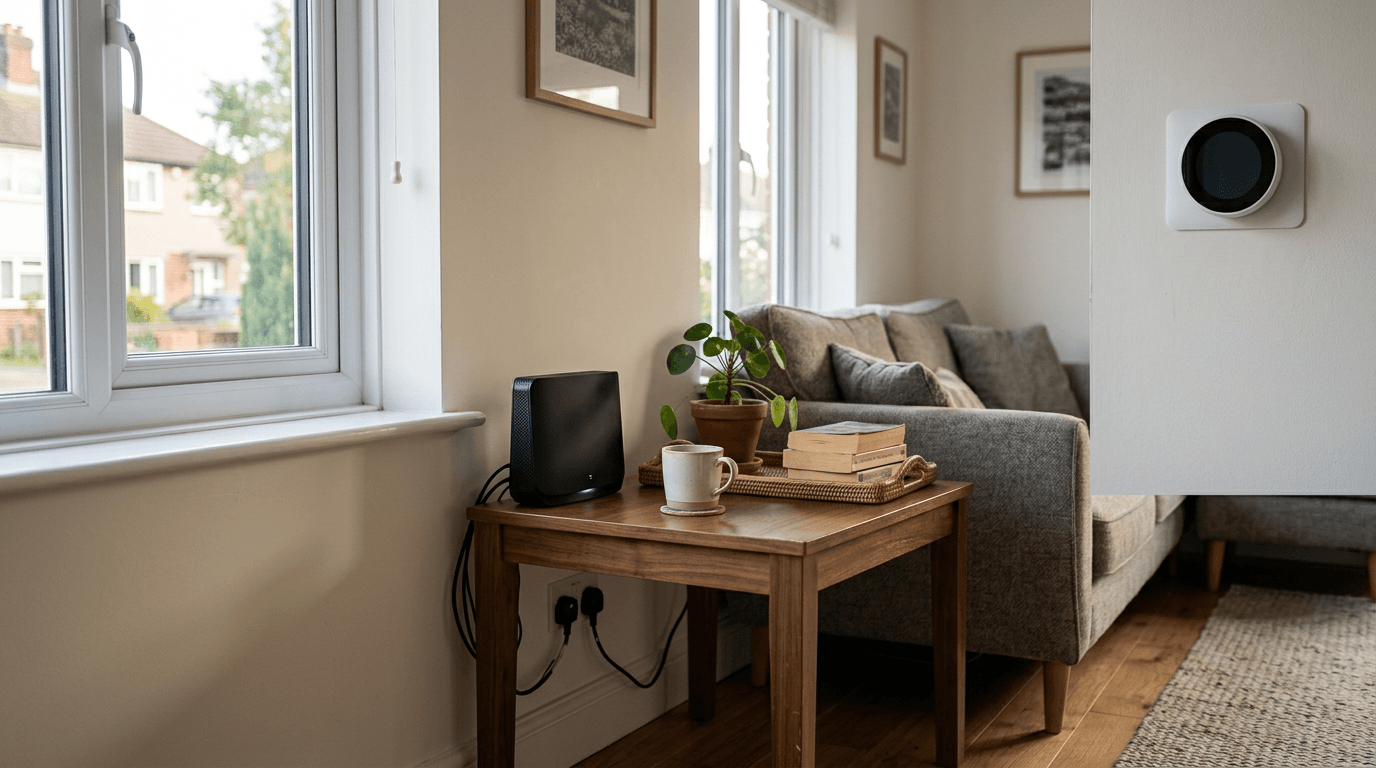
Practical UK guide to smart home planning: one ecosystem, better lighting choices, resilient locks, leak awareness, and when to book electricians and plumbers.

Practical new homeowner tips for the UK: stop taps, ladders, alarms, locks, moving boxes, maintenance budgets, and when to book local help.
Latest in Handyman
View all in this category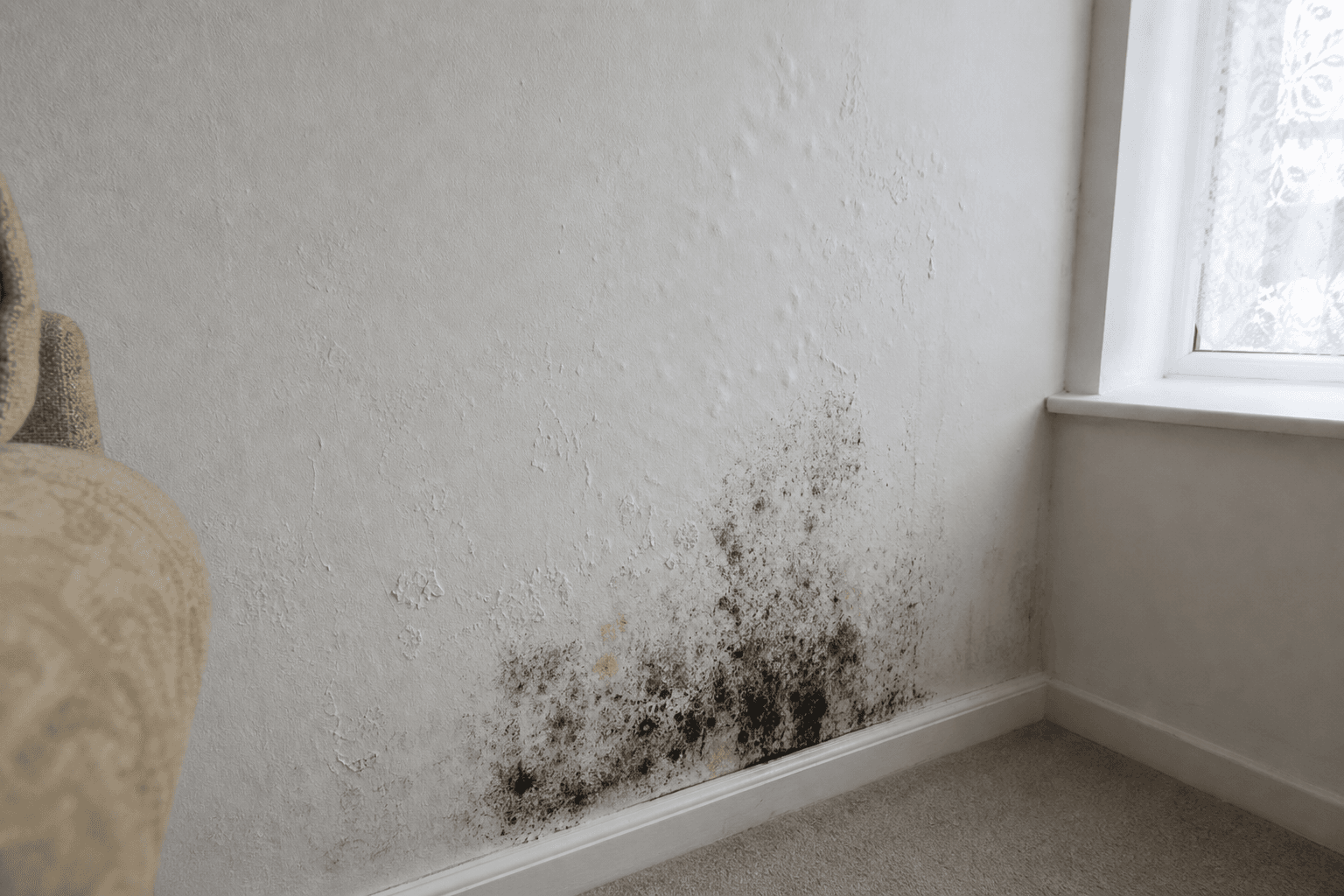
The 10 mistakes that turn a £20 mould fix into a £1,500 replaster bill. UK homeowner guide for 2026, with PCA-aligned advice.
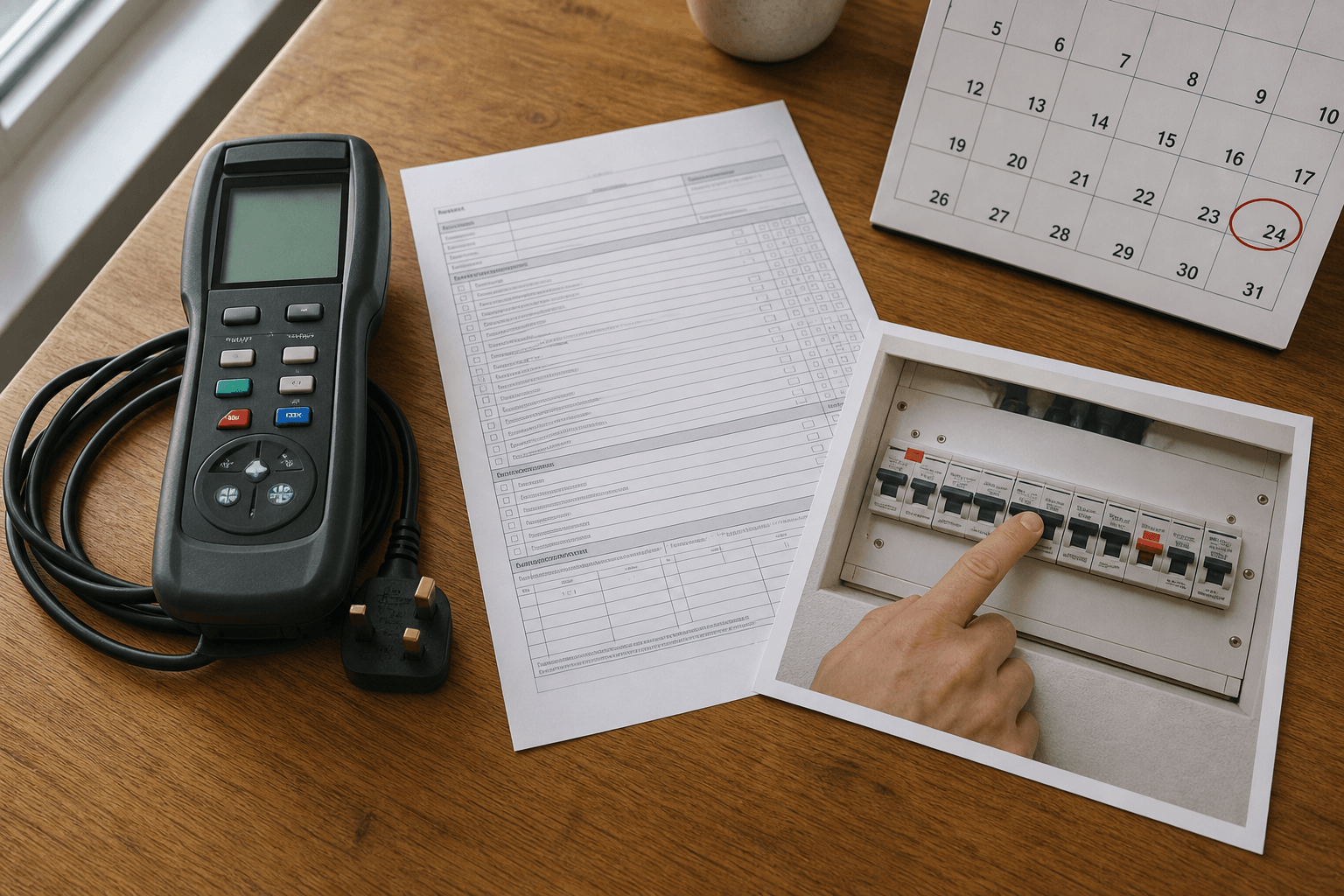
What is PAT testing, when you actually need it, and how to prevent EICR failures in a UK home in 2026, with frequencies and BS 7671 references.
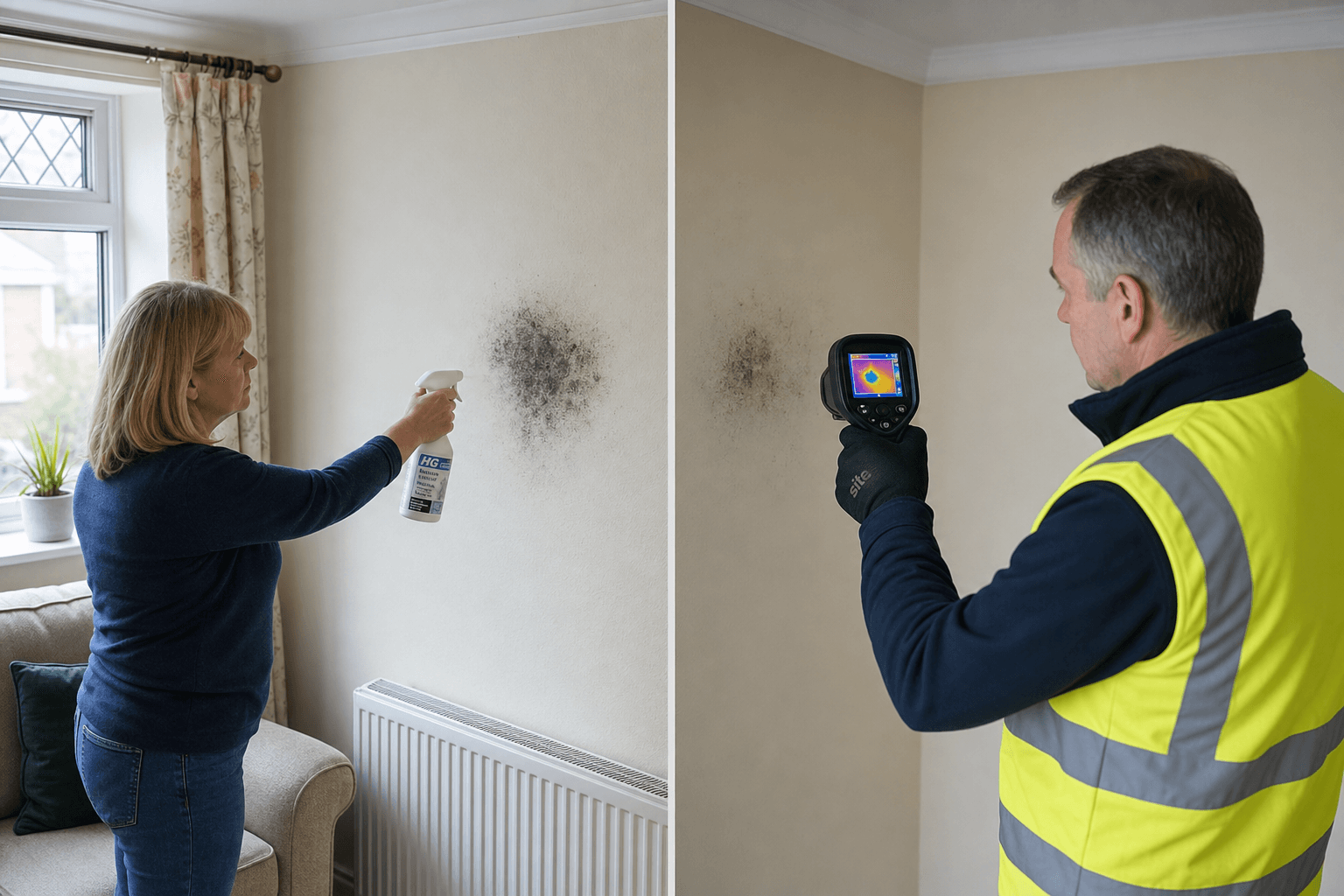
How to get rid of mould on walls permanently: when DIY beats a damp pro and when it doesn't. UK costs, HHSRS rules, and Awaab's Law thresholds.
Related services
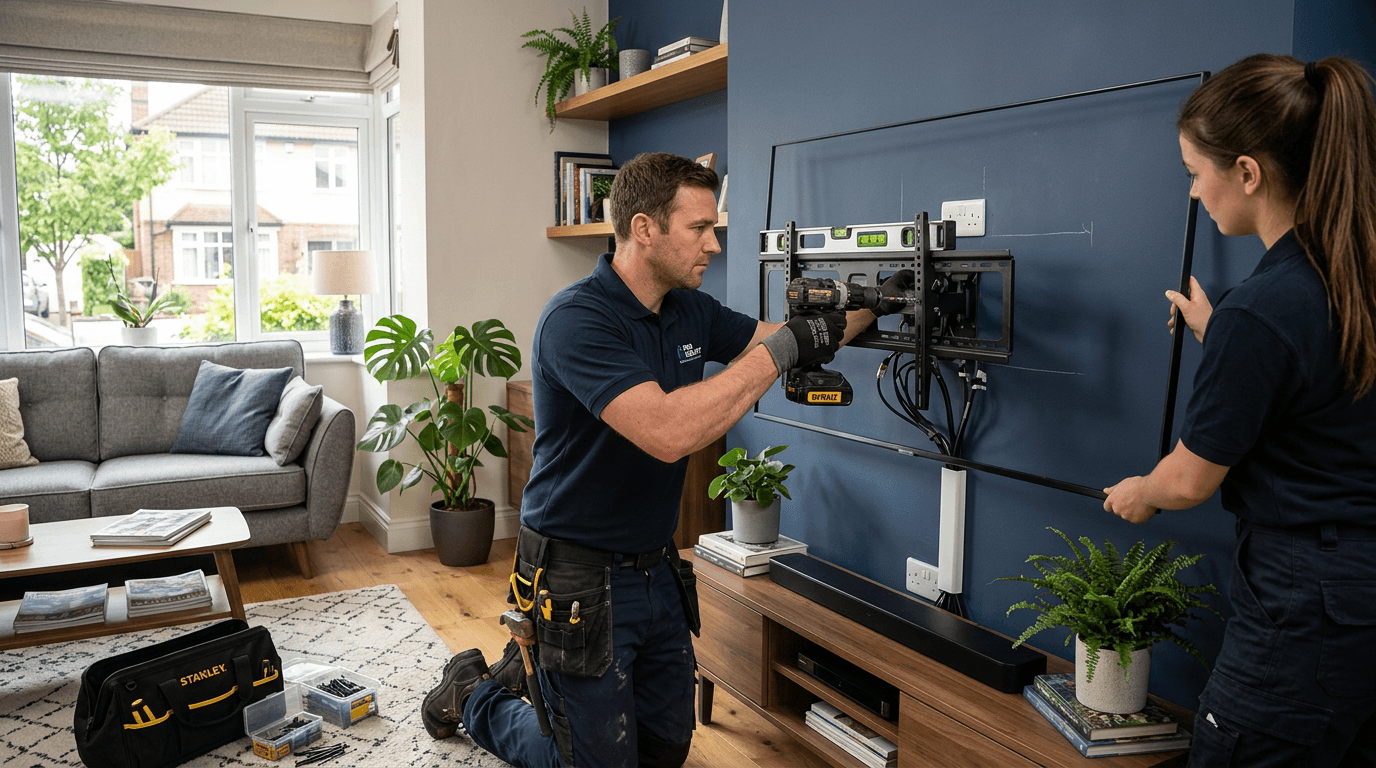
Wall mounting for flat-screen TVs across the UK: secure fixings for plasterboard, stud and masonry, tidy cable routing and the right viewing height. Vetted installers, clear quotes. Message us with your TV size and wall type.
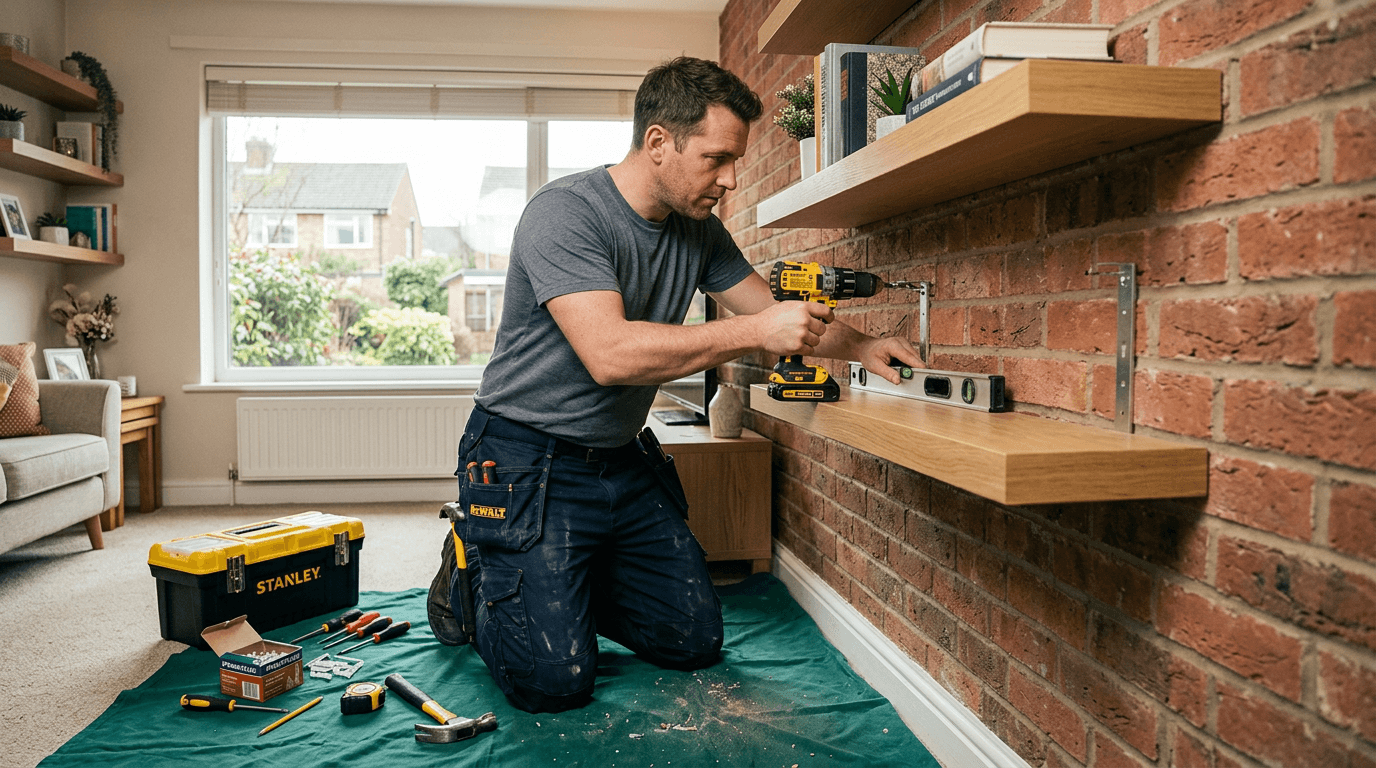
Shelving and wall fixings across the UK: shelves, mirrors, blinds and hooks fitted level on plasterboard, stud or brick. Professional installers, clear quotes. Message us with photos.
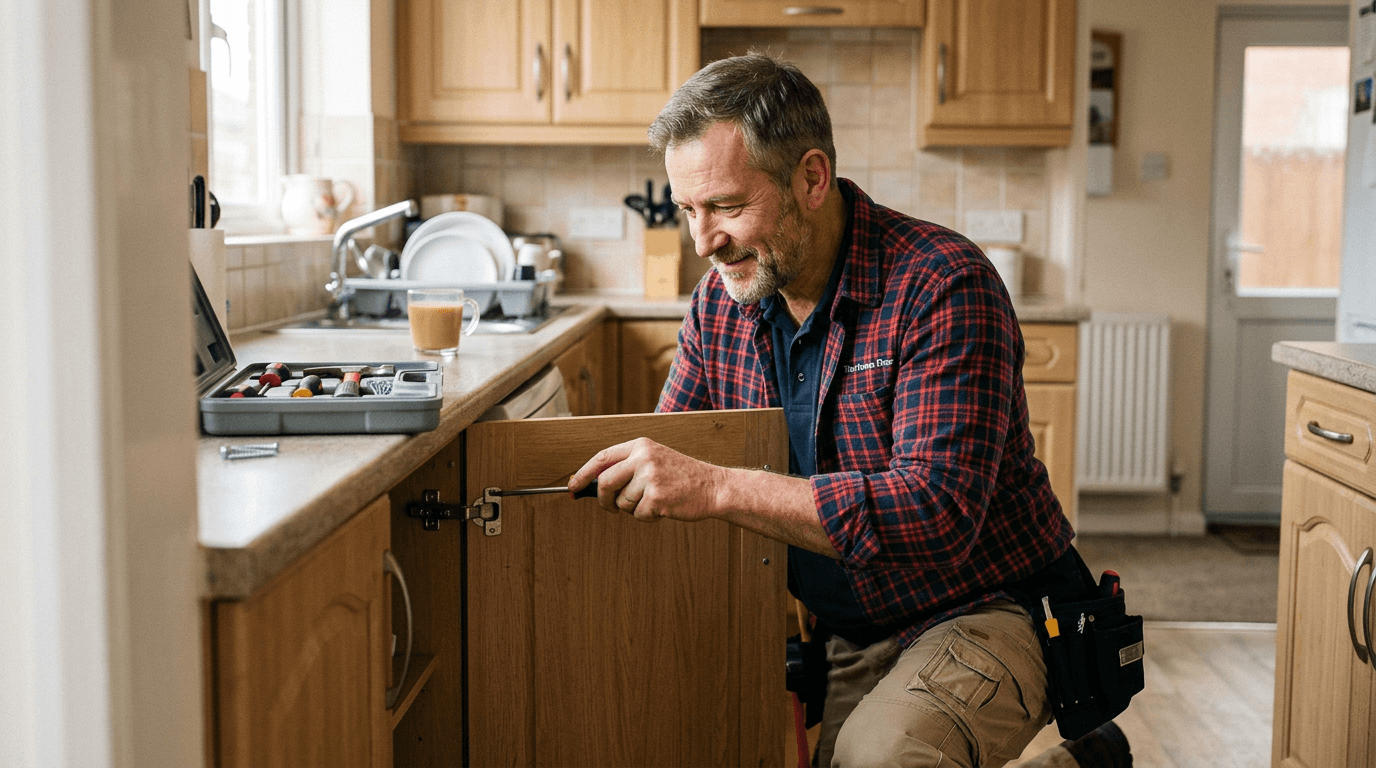
Minor repairs arranged through Taskino: taps, doors, plaster patches, loose fittings and more. Vetted handymen, clear quotes, fully equipped visits, and a tidy finish.
Ready to Book Your Service?
Tell us what you need and our team will help you find the right professional quickly, with clear pricing and no hidden fees.