
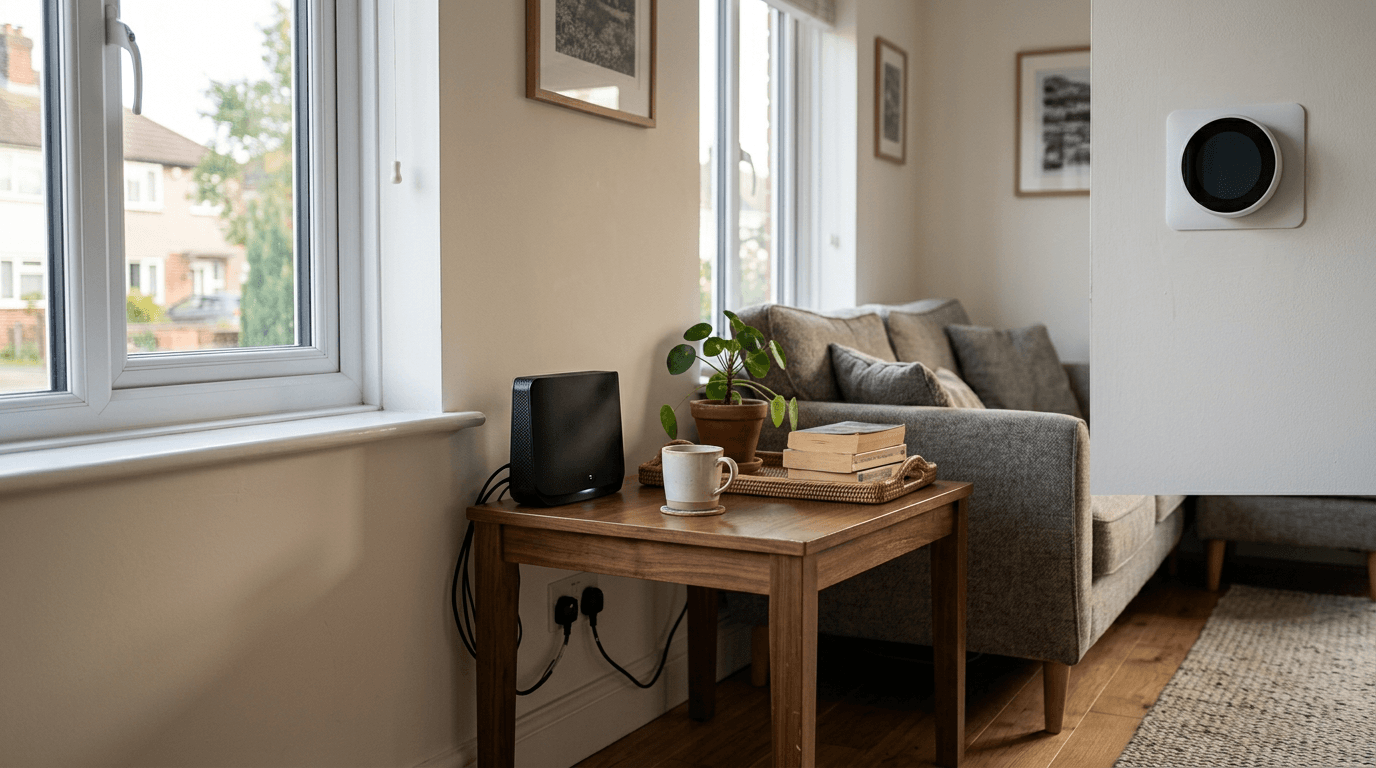
Smart home upgrades many UK homeowners regret (and calmer alternatives)
Honest lessons from rushed smart home projects: ecosystem sprawl, lighting pitfalls, lock headaches, and why stable Wi-Fi and written notes matter as much as gadgets.
Smart home lessons that sound boring until you live with them
If you have been scrolling lists of the next clever gadget to buy, this article is the opposite energy. It is about the smart home mistakes that show up after the novelty wears off: extra apps, flaky routines, and the quiet stress of things that almost work. The ideas below come from common homeowner experiences shared online, rewritten here in plain UK English so you can plan upgrades without turning your house into a second job.
None of this is a product review. It is practical framing: pick boring reliability over bragging rights, think about guests and family members who will not read manuals, and keep safety-related kit usable when the broadband wobbles. When the work crosses into wiring, water, or door alignment, it is also a reminder that a booked professional is often cheaper than repeated call-outs after a DIY guess.
Need help with Electrical jobs?
Tell us about your job and we will match you with the right professional for Electrical jobs.
One ecosystem beats gadget sprawl
The fastest way to dislike your own home is to chase five-star reviews for every device in isolation. You can end up with several companion apps, more than one hub, and automations that fail for reasons you cannot see. A calmer approach is to choose a single backbone you will actually maintain, then buy hardware that fits that plan.
That does not mean you must buy everything from one manufacturer. It does mean you decide upfront how commands will flow, how guests will control lights, and what happens when your phone is flat. If you cannot explain your setup in two minutes, it is probably too fragmented for a busy household.
People often compare notes about open-source home automation platforms that unify different radio protocols. Even if you never go that far, the lesson still applies: one integration layer beats juggling silos. You want a mental model where most actions have one obvious path, not a treasure hunt across vendor dashboards.
Voice control is optional; removing friction is not
Many people assume the point of a smart home is talking to a speaker. In daily life the wins are often quieter: path lighting after dark, one-tap scenes that shut a whole room down, alerts that only fire when something truly needs attention. Optimise for fewer taps and fewer surprises, not for impressing visitors.
Notifications are another trap. If every sensor pings you, you will start ignoring everything. Be ruthless about which events deserve a phone buzz, which should log silently, and which should only matter when you are away. A smart home that cries wolf trains you to tune it out, which defeats the point.
Explore our Plumbing service
See what is included, typical timings, and what to prepare before you book.
Lighting: why smart bulbs can annoy you
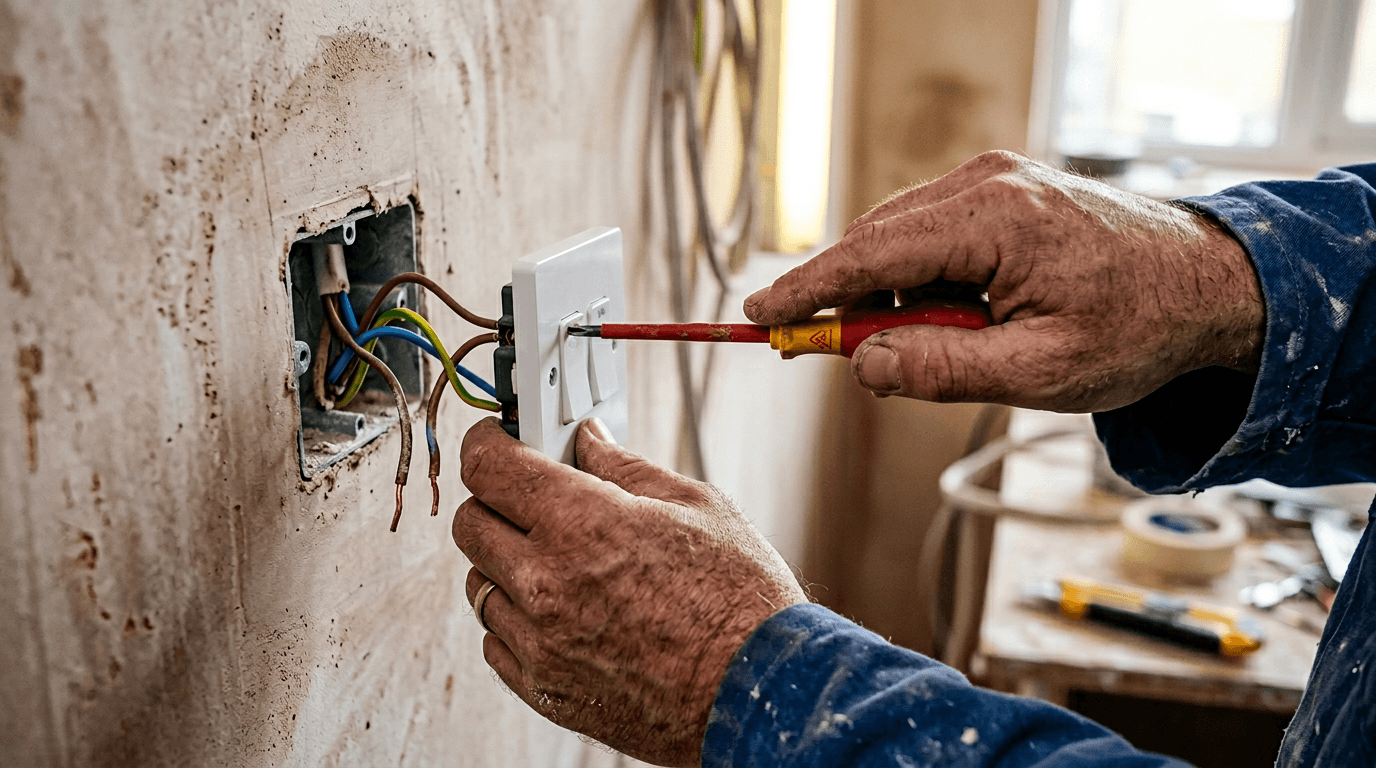
Connected bulbs can feel magical until someone flips a wall switch out of habit. If power is cut, bulbs stop being smart, scenes break, and you are troubleshooting at bedtime. In many UK homes the more invisible fix is a properly installed smart switch or dimmer that keeps wall controls intuitive for everyone.
Older wiring can be limiting. Some switch back boxes do not include a neutral conductor, which narrows your product choices. That is another reason to involve a professional rather than forcing a workaround you cannot test safely. Getting lighting right is less about the glamour of colour scenes and more about predictable behaviour when children, guests, or tired adults use the walls.
If you already love colour-changing bulbs, plan how wall controls will behave. Some households use switch locks, others prefer wiring setups that keep bulbs powered while switches send commands. Those details matter because lighting is the feature people touch most often. If you are unsure what your wiring allows, book electrical jobs through Taskino so a qualified electrician can advise safely.
Locks, doors, and the tolerance you never think about
Budget smart locks can drain batteries quickly, and motors can struggle when a door swells in damp weather or shifts slightly in its frame. A lock that works nine times out of ten is stressful because you remember the tenth. Fix alignment and strike plate issues first, or choose hardware known for forgiving tolerances.
If a door sticks seasonally, treat that as a building maintenance problem rather than a software bug. For ongoing lock and latch trouble, door and lock repairs are a sensible route before you spend again on electronics.
Ready to book Door and Lock Repairs?
Send a quick enquiry — we typically respond the same working day.
Keep safety-related devices usable without the cloud
Garage door controllers, cameras, door locks, and automatic water shut-off kit sit in a different category from novelty lighting. If the only path is through someone else's server, you inherit outages, policy changes, and account friction. Prefer options that still offer sensible local control, or at least a physical fallback you can operate when the app will not load.
This is not fear-mongering. It is basic resilience. The day your internet drops is often the day you are in a hurry. You still want to get in, secure up, and check the garage without a lecture in networking.
A calmer order if you are starting from scratch
If you are sequencing spend, a stable home network usually comes first. Spotty Wi-Fi makes every wireless device look bad, even when the hardware is fine. After that, tackle the areas you use every day: main living spaces, hallways, and the routes you walk at night.
Mesh kits help some floor plans and hurt others. If you can run a cable to a second access point in a dead zone, that is often more dependable than stacking wireless hops. Think about where video calls happen, where kids stream, and where sensors sit at the edge of coverage. A morning of cable routing can save months of mystery dropouts.
Smart switches in busy rooms tend to feel more natural than bulbs behind old switches. A compatible thermostat can be worthwhile if your heating system supports it and you like schedules. Early water awareness also pays off: leak sensors under sinks, by the washing machine, and near the cylinder or combi area can catch small problems before they spread.
Smart plugs can be a neat middle ground for lamps and appliances where you do not want to touch wall wiring yet. Just remember they are still another device to name, update, and account for when you rearrange furniture. Keep plugs for flexible corners, not as a permanent substitute for safe fixed wiring where you use lights daily.
Cameras often come last in a sensible list, not because security is unimportant, but because they create ongoing work: placement debates, storage choices, notification tuning, and sometimes subscriptions. Get the basics reliable first, then add monitoring where it genuinely solves a problem you have today.
Learn more about Electrical jobs
Browse how we deliver Electrical jobs and the questions homeowners ask most often.
Write it down like you are handing the house to future you
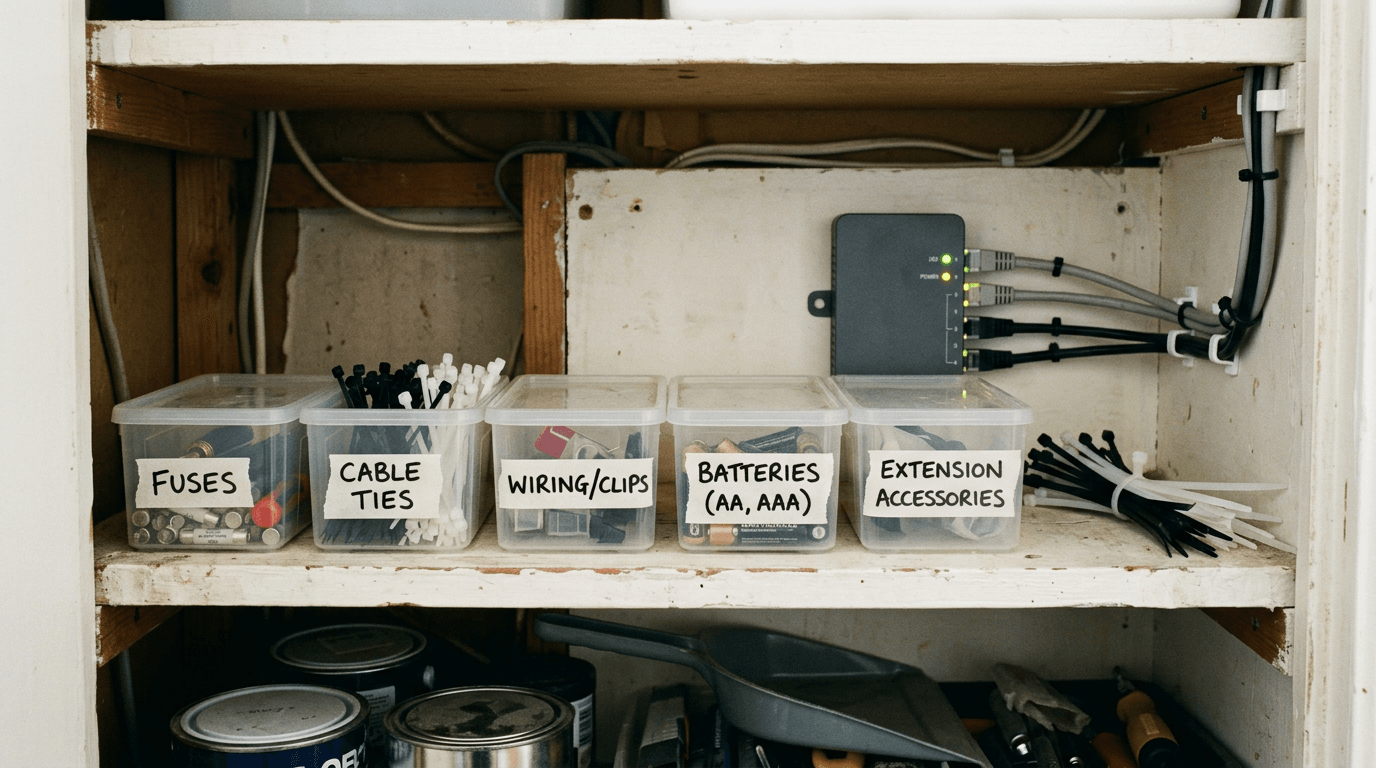
Treat documentation as part of the project. Label hubs and bridges, keep access codes in one secure place, and note which breaker feeds which lighting circuit. When you are tired on a winter evening, you will not remember which cupboard hides which power brick. A simple paper list in the utility folder beats clever automation you cannot recall.
Some households create a dedicated email inbox for the property so registrations and receipts stay together. That can make handovers easier if you move, because you are not untangling personal accounts from house accounts at the worst possible time. It also makes password resets less painful when a device quietly forces a login refresh.
Leaks, laundry, and the places water hides
Water damage is expensive and slow to repair. Small sensors in sensible locations do not replace insurance or maintenance, but they can shorten the window between a drip and a discovery. If you add sensors, also look at practical plumbing checks: washing machine hoses, isolation valves you can actually reach, and any history of slow leaks under the kitchen sink.
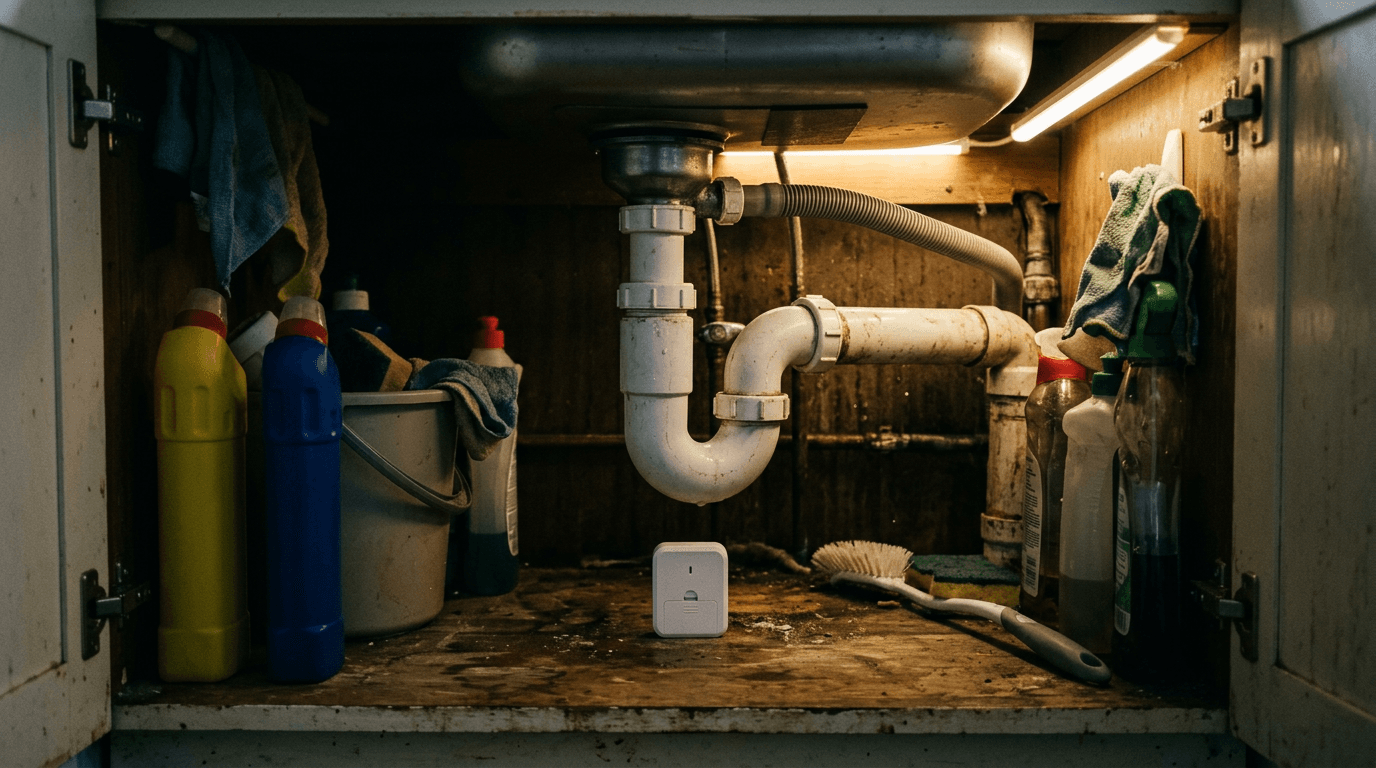
If you spot corrosion, persistent damp smells, or pressure oddities, book plumbing help early. Sensors complement good plumbing; they do not replace it.
Thinking about Plumbing?
Share your postcode and job details for a no-obligation quote.
When to bring in UK trades through Taskino
Smart home enthusiasm often bumps into real building constraints: no neutral at a switch location, awkward two-way circuits, stiff doors, or pipework that is tight against a cabinet. That is where vetted trades help you spend once rather than twice.
Use electrical jobs for switch upgrades, testing, and anything beyond swapping like-for-like accessories. Use plumbing for leak investigations, valve work, and reassurance after moisture alerts. Use door and lock repairs when alignment is marginal. For smaller odd jobs and mounting, minor repairs can keep progress moving without overbooking a specialist for ten-minute tasks.
If you are renovating, bring network and sensor thinking in early. Chasing a cable later is more disruptive than planning a conduit or draw string during plastering work. The same goes for outdoor lighting routes and any future camera positions: future you will not enjoy drilling neat holes through freshly decorated hallways because Wi-Fi was an afterthought.
Closing takeaway
The goal is a home that quietly supports you, not a house that demands constant babysitting. Pick a coherent plan, prefer wall controls people understand, treat locks and water as physical systems first, and keep notes boring enough that anyone in the family could follow them. Smart can still be simple if you optimise for fewer failure modes and fewer apps shouting for attention.
Related posts

Practical new homeowner tips for the UK: stop taps, ladders, alarms, locks, moving boxes, maintenance budgets, and when to book local help.
Declutter room by zone with keep, donate, and bin sorting, clear storage tips, and habits that keep UK homes tidier with less stress.
Check wall type, fixings, bracket ratings, and cables before TV mounting in the UK. A practical guide so your screen stays safe and the finish stays tidy.
Find out which home jobs need a professional handyman. Learn when DIY is enough and when to call in an expert.
Latest in Handyman
View all in this category
What is PAT testing, when you actually need it, and how to prevent EICR failures in a UK home in 2026, with frequencies and BS 7671 references.
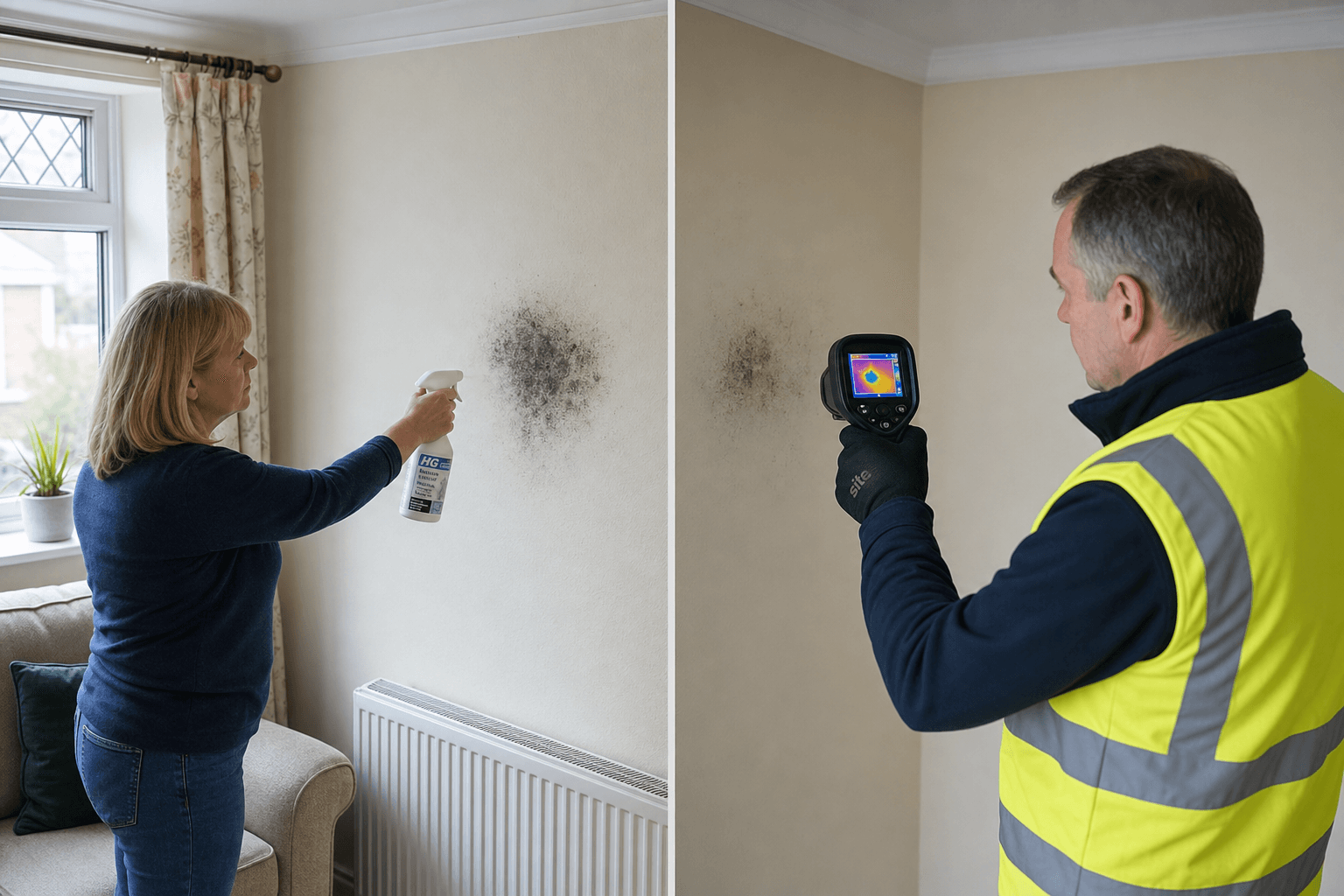
How to get rid of mould on walls permanently: when DIY beats a damp pro and when it doesn't. UK costs, HHSRS rules, and Awaab's Law thresholds.
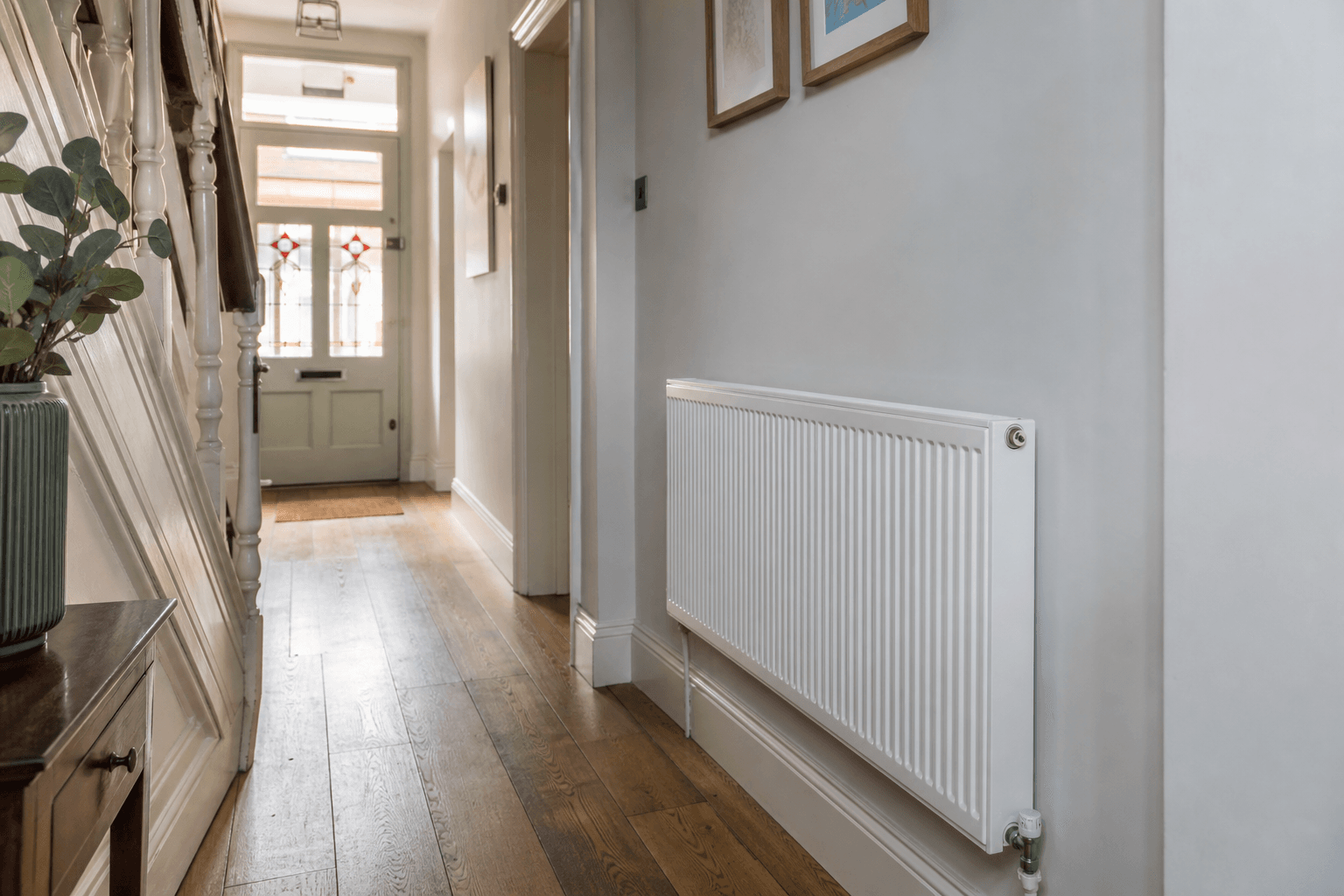
Bleed a radiator safely in 8 steps. UK tools (£3 radiator key), when to STOP and call a Gas Safe engineer, plus how to balance afterwards.
Related services
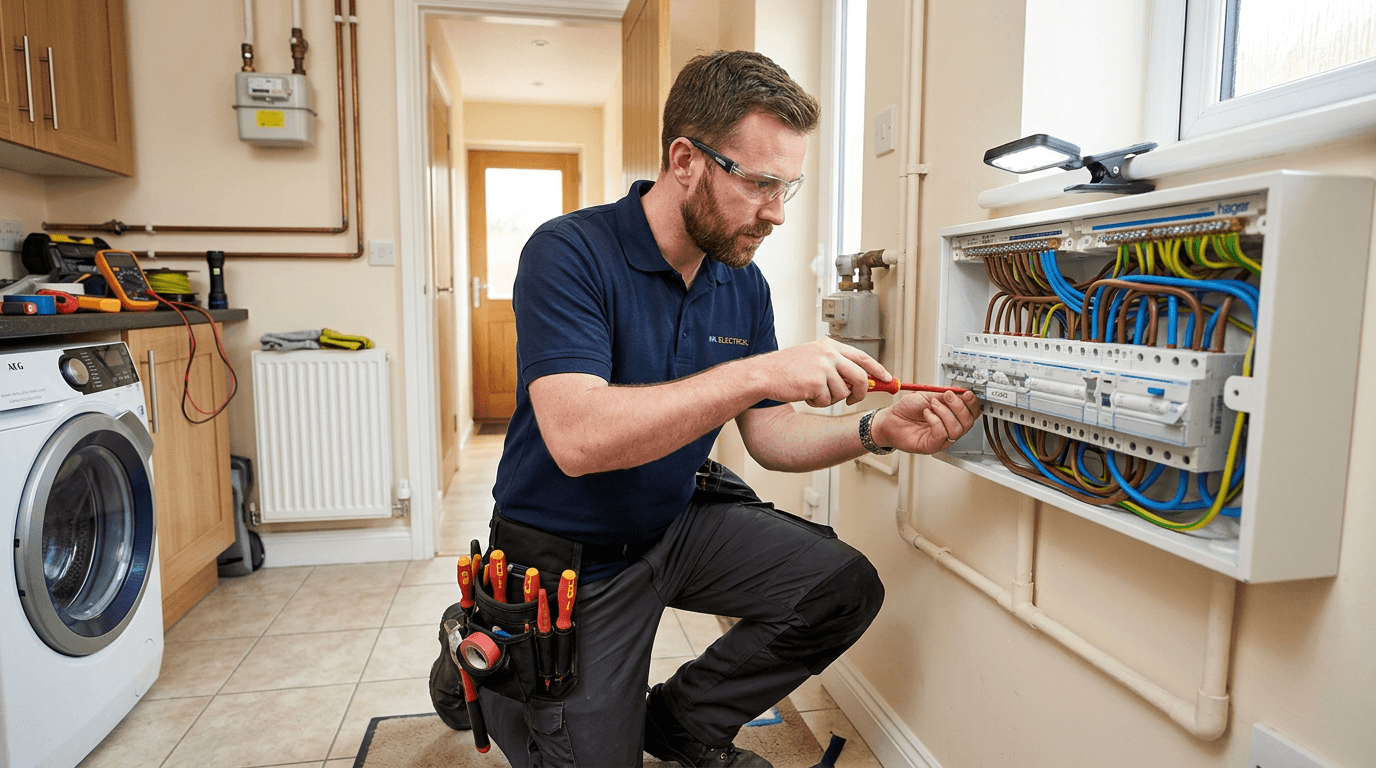
Book electrical jobs with Taskino to find qualified, insured electricians across the UK for safe repairs, installations and testing with clear quotes.
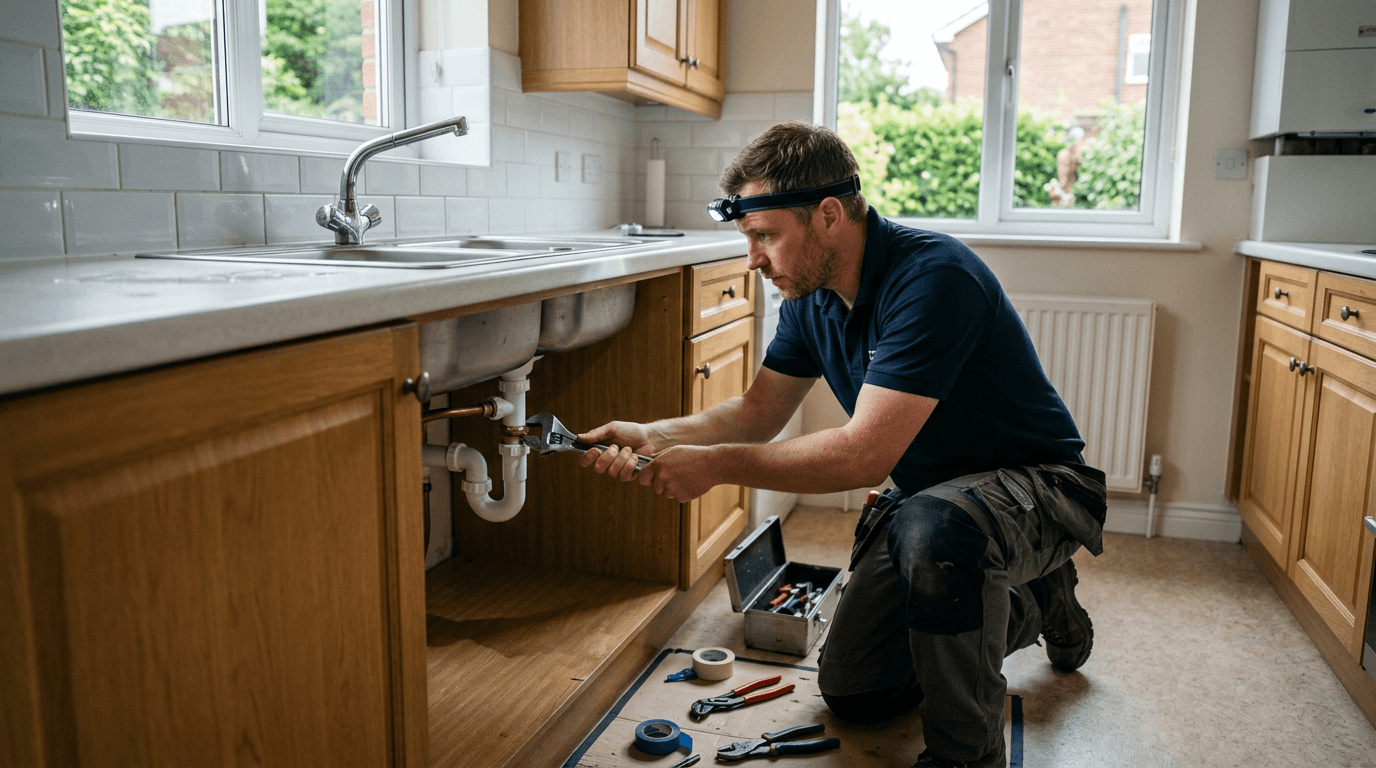
Reliable plumbing services for repairs, installations and emergencies. Taskino connects you with insured local plumbers who deliver clear quotes, fast response times and quality workmanship.
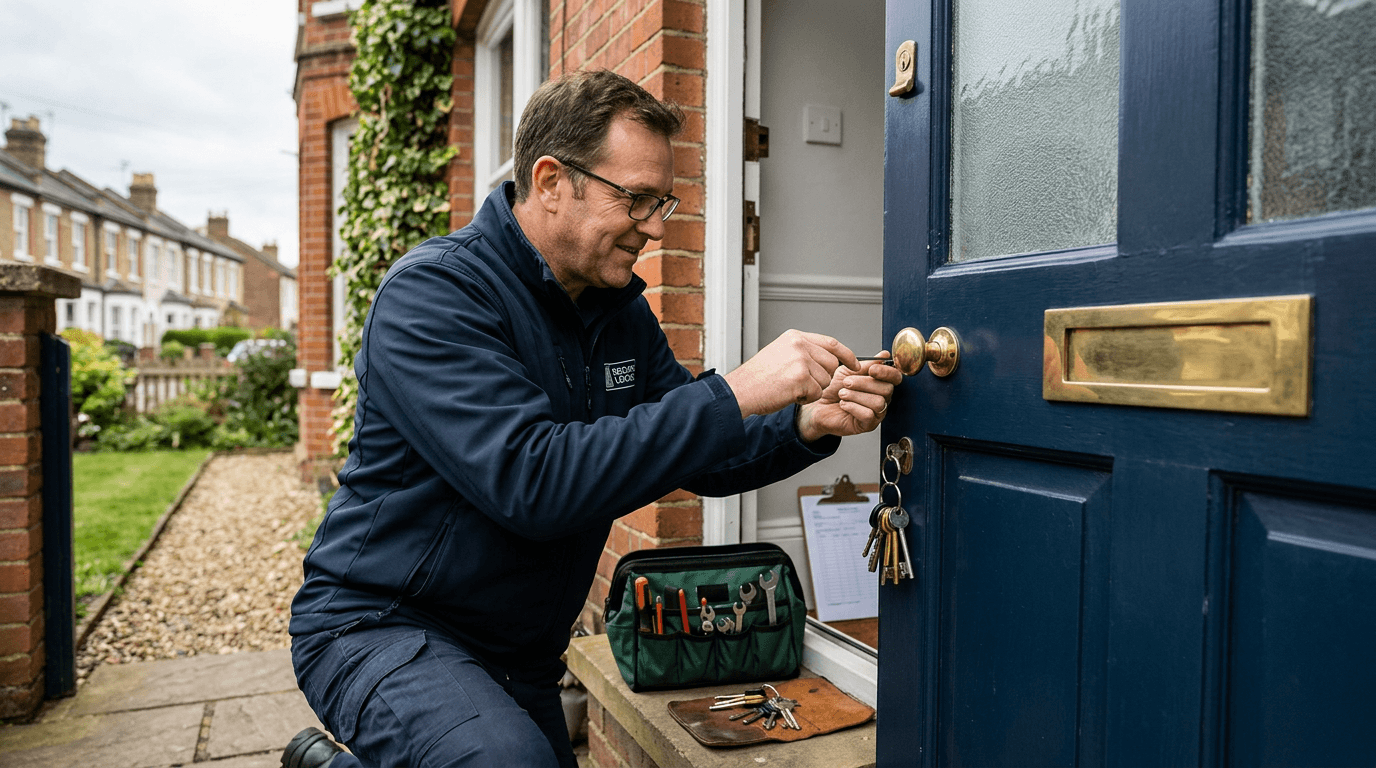
Professional door and lock repairs across the UK. We fix sticking doors, adjust latches and multipoint gear, change cylinders and handles, with clear quotes and insured handymen who arrive fully equipped.
Ready to Book Your Service?
Tell us what you need and our team will help you find the right professional quickly, with clear pricing and no hidden fees.