
Bathroom Ceiling Mould vs Wall and Grout Mould: Which Is Right for Your UK Home? [2026]
How to remove mould from ceiling vs walls vs grout: differences, kit, and when each calls for a damp surveyor. UK 2026 guide.
If you're asking how to remove mould from ceiling versus the wall versus the grout, the short answer is: it's three different problems with three different first moves. Ceiling mould is almost always a ventilation failure. Wall mould is usually thermal or a hidden leak. Grout mould is a sealant-life issue.
TL;DR
- Ceiling mould is usually a ventilation problem (Part-F extractor under-spec); wall mould is usually a cold-bridge or hidden leak; grout mould is silicone or grout sealant degradation.
- Ceiling fix: extractor upgrade £150–£350 (Checkatrade 2025) + Zinsser Perma-White at about £40 (B&Q).
- Wall fix: PCA-registered damp survey £200–£500, remediation £200–£1,500 (MyBuilder 2025).
- Grout fix: £8 anti-mould silicone (Polycell, B&Q) plus 90 minutes of patient work.
The short answer
All three are the same family of fungi, but the building behaviour behind each is completely different. Ceiling mould is overwhelmingly steam-rich air that can't escape fast enough to clear Approved Document Part F's 15 L/s intermittent extract target (gov.uk, 2026). Wall mould points to a thermal bridge or hidden moisture. Grout mould is a sealant-life issue, with bathroom silicone rated at just 3–5 years (BASA, 2024).
Fixing the wrong cause is the most common UK DIY mistake we see. A fresh grout line doesn't fix a missing extractor. A new extractor doesn't fix a slow shower-tray leak running behind the bath. If you're researching how to remove mould, start with diagnosis, not product choice. The three problems demand different first moves, different trades, and very different budgets.
Diagnose first, buy second. Picking up a £15 moisture meter before a £40 tin of paint saves most homeowners their first costly mistake.
Need help with Electrical jobs?
Tell us about your job and we will match you with the right professional for Electrical jobs.
What is bathroom ceiling mould?
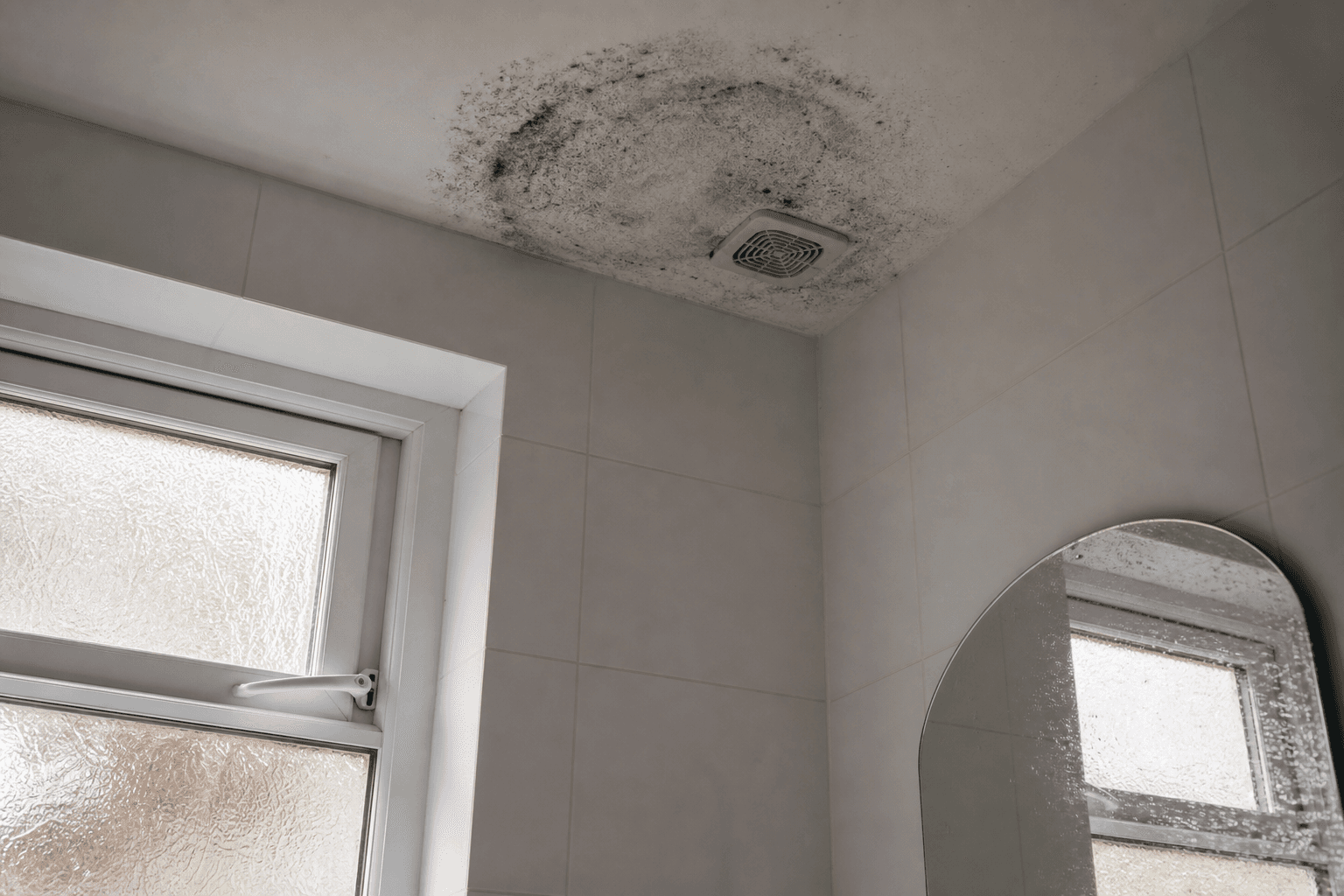
Bathroom ceiling mould is the speckled black, grey, or green growth that forms on painted plaster directly above the shower or bath. The cause is warm steam-saturated air condensing on the coldest surface in the room, typically the ceiling under an uninsulated loft void. Aspergillus and Cladosporium dominate, with Stachybotrys (true black mould) appearing only with sustained dampness.
You usually spot it first as a faint halo around the downlight or in the corners furthest from the extractor. Because spores fall straight down into the breathing zone, ceiling mould carries a higher exposure risk than wall mould. The Approved Document Part F target for bathroom extract is 15 L/s intermittent or 8 L/s continuous (gov.uk, 2026), and most ceiling cases trace back to an under-spec or clogged fan failing that threshold.
What is wall and grout mould?
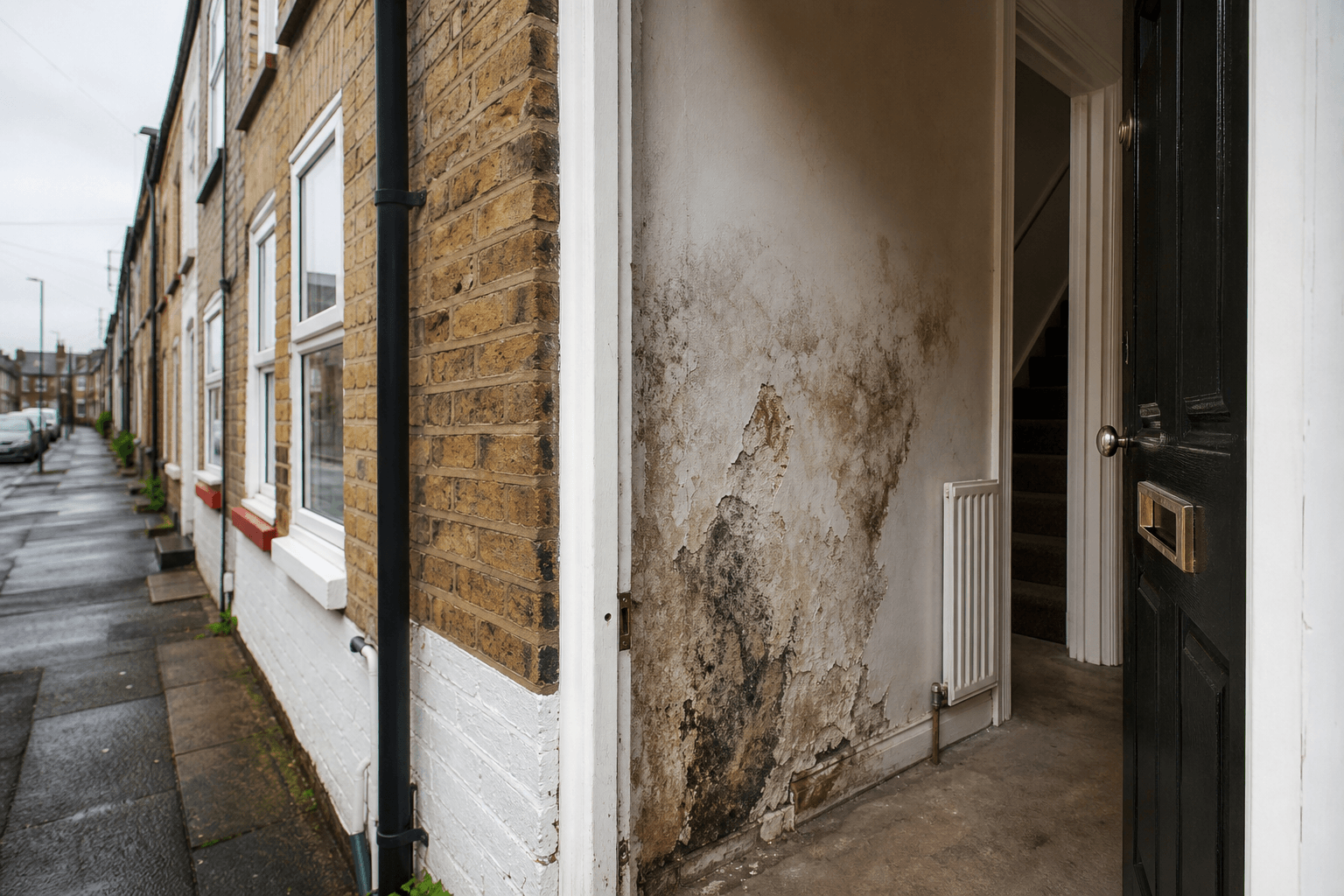
Wall mould forms on vertical painted plaster, often behind wardrobes or on north-facing external walls. The cause is usually cold-bridge condensation or hidden moisture from a slow leak, rising damp, or penetrating damp. Grout mould is fungal blackening of tile-grout joints and silicone beads at the tile-bath or tile-tray interface.
Grout mould has three drivers: grout porosity, silicone aging (typical UK bathroom silicone life is 3–5 years per BASA, 2024), and standing water sitting in the joint. The point of separating wall from grout is simple. Wall mould demands a PCA-registered survey because the cause is structural. Grout mould demands a £8 tube of Polycell anti-mould silicone from B&Q and ninety minutes of patient work.
Explore our Silicone and Sealing Work service
See what is included, typical timings, and what to prepare before you book.
Side-by-side comparison
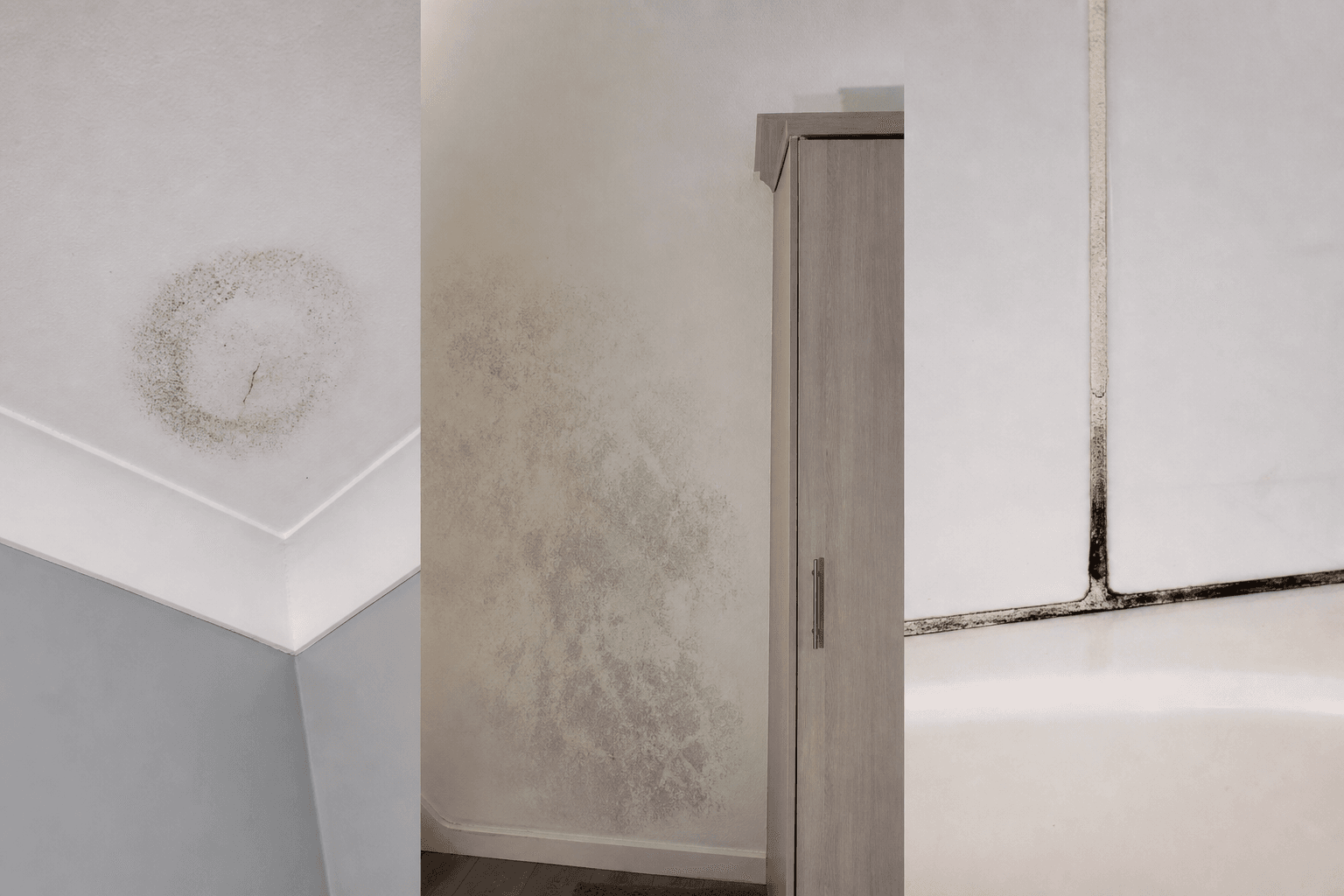
The table below answers the core question of how to remove mould from ceiling versus walls versus grout in one view. Costs are based on Checkatrade 2025 and MyBuilder 2025 supply-and-fit averages for England and Wales.
| Factor | Bathroom ceiling mould | Wall mould | Grout / silicone mould |
|---|---|---|---|
| Most common cause | Under-spec Part-F extractor | Cold-bridge or hidden leak | Sealant age plus standing water |
| Up-front cost (DIY) | £40–£60 | £20–£40 | £8–£20 |
| Up-front cost (Pro) | £200–£500 (extractor + paint) | £400–£3,000 (survey + remediation) | £80–£180 (strip and reseal) |
| Lifespan of fix | 8–10 years if Part-F + paint | 5–10 years if cause fixed | 3–5 years (silicone life) |
| Appearance after | Bright white, even finish | Even finish if replastered | Crisp white bead, no shadow |
| Maintenance | Annual extractor service | Annual moisture check | Annual silicone inspection |
| Repair cost cycle | Low | Medium-high if misdiagnosed | Low |
| Resale impact | Negligible if treated | Material if not surveyed | Negligible |
| Best for fast wins | DIY a single ring of mould | Not DIY, survey first | DIY weekend |
| Avoid if | No safe ladder access | You're a tenant (landlord's duty) | Not applicable |
Cost comparison over 10 years
Looking past the first invoice changes the picture. Over a decade, the cheapest problem to live with is grout mould; the most expensive (if misdiagnosed) is wall mould. The numbers below assume one correct diagnosis at year zero and standard UK trade rates from Checkatrade and MyBuilder 2025.
- Ceiling mould route: £200 (Part-F extractor install by a NICEIC or NAPIT electrician) + £40 (Zinsser Perma-White 2.5L at B&Q) + £150 (servicing over ten years) = about £390.
- Wall mould route: £400 (CSRT damp survey through the PCA member directory) + £600 (single-room remediation) + £200 (annual moisture checks) = about £1,200.
- Grout mould route: £8 anti-mould silicone (Polycell at B&Q) × 3 reseals + £20 grout topper (HG or Mapei) = about £44.
Winner depends on which problem you actually have. The misdiagnosis trap is the dangerous bit. A DIY ceiling-style paint job on a wall mould problem can flip the bill to £3,000 in eventual replaster (MyBuilder 2025 range for full single-room remediation).
Misdiagnosis trap. Painting Zinsser over wall mould seals the symptom for six months. The cause (often a slow flexi-tail leak) keeps wetting the timber behind the plaster. By the time it bleeds through again, you're paying for replaster, not paint.
Ready to book Plumbing?
Send a quick enquiry — we typically respond the same working day.
When ceiling mould is the right diagnosis
Ceiling mould is the right diagnosis when the pattern matches three signals at once: location, temperature, and airflow. About 62% of UK "bathroom mould" queries trace to this pattern (Checkatrade search trends, 2025), so it's the most common case and the easiest DIY win when correctly identified.
Scenario 1, black speckles in a ring around the bathroom light
The ceiling is cold to the touch directly after a shower, and the mould forms a halo within 30cm of the downlight or in corners furthest from the extractor grille. This is condensation, not a leak. The Part-F fix is to upgrade to a 15 L/s extractor (Vent-Axia or Manrose from Screwfix) and repaint with mould-resistant Zinsser Perma-White at about £40 a tin (B&Q).
Scenario 2, first-floor flat with no loft insulation
In a 1960s first-floor maisonette in Croydon, the ceiling sits directly under a cold flat-roof void. Surface temperature drops below dew point during every shower. Insulation upgrade and Part-F extractor together fix it. Without insulation, paint alone fails within two years.
Scenario 3, extractor visibly clogged
If a smoke pen drifts upward slowly instead of being pulled into the grille, your fan is failing the 15 L/s test. A NAPIT-registered electrician can swap the unit under Part-P for £150–£350 supply-and-fit (Checkatrade 2025).
When wall mould is the right diagnosis
Wall mould is the right diagnosis when the pattern is on a vertical surface, not above the shower, and a moisture meter reads damp on the substrate. About 24% of UK bathroom mould queries fall into this category (Checkatrade 2025), and it carries the highest cost-of-error of the three.
Scenario 1, mould on the room behind the bathroom
Mould forming on the lower third of the wall in the room next door (often the bedroom that shares a wall with the bath) is a leak signature, not condensation. Lift the bath panel. If you see wet timber, you need a plumber for a blocked drain check or flexi-tail inspection, not a painter. For step-by-step how to remove mould from walls, the cause must be fixed first.
Scenario 2, north-facing bedroom external wall behind a wardrobe
A north-facing external wall in a Victorian terraced house with a wardrobe pushed flush against it has zero airflow. Cold-bridge condensation forms behind the furniture. The fix is a cavity-fill assessment, not paint. Find a damp surveyor near me through the PCA member directory.
Scenario 3, tide line at skirting
A horizontal stain at skirting height with salts on the surface is the classic rising damp signature. CSRT-qualified surveyors (£200–£500 per PCA 2025) confirm this with a deep-wall probe before any remedial work begins.
Learn more about Electrical jobs
Browse how we deliver Electrical jobs and the questions homeowners ask most often.
When grout mould is the right diagnosis
Grout mould is the right diagnosis when blackening is confined to tile joints or silicone beads, with no patch on the painted ceiling or wall. About 14% of UK bathroom mould queries fall here (Checkatrade 2025). It's the cheapest fix and the most satisfying weekend job in the bathroom.
Scenario 1, black blackening at the tile-bath corner only
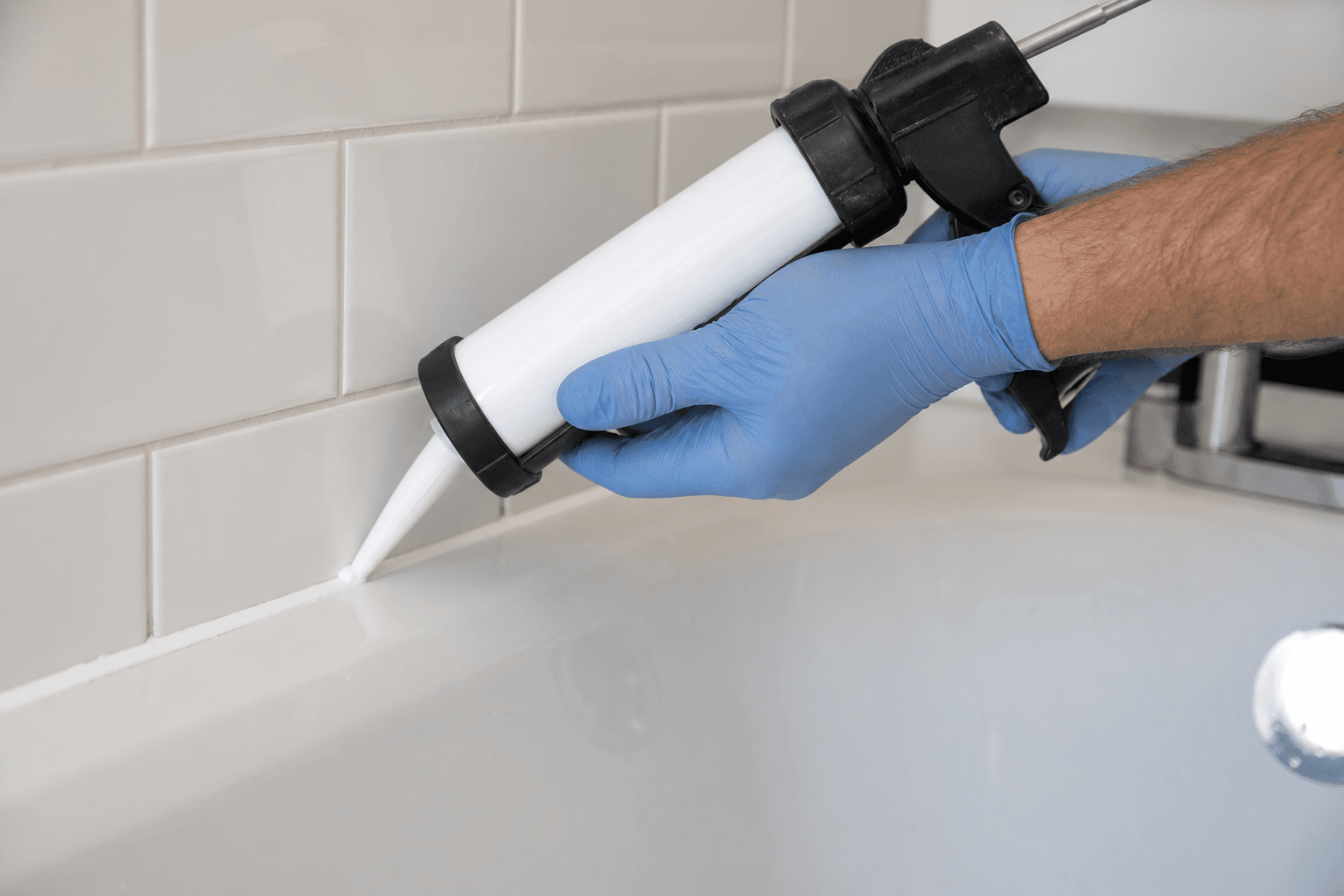
A clean ceiling, clean walls, and a dark line where the tile meets the bath means the silicone has aged past its 3–5 year life (BASA, 2024). Strip with a sealant remover, clean with HG mould spray, and reseal with Polycell anti-mould silicone (£8 at B&Q).
Scenario 2, grout 5+ years old, never sealed
Unsealed cement grout absorbs water. BS 5385 (BSI tile fixing standard) recommends sealed grout in wet zones. A penetrating grout sealer at about £15 from Screwfix or Wickes restores the water-repellent layer.
Scenario 3, silicone bead darkened only at the wettest end of the bath
This is a localised silicone fatigue issue. Strip just that section, dry the substrate with a hairdryer, then rebead. Twenty minutes if you've done it before.
When neither is right (the third option you didn't consider)
About 1 in 20 cases we hear about turn out to be none of the above. The "ceiling" mould in a ground-floor flat is sometimes water bleeding through from the flat above. Speak to the upstairs neighbour first. The "wall" mould near the bath is sometimes a slow leak from a flexi-tail under the bath panel.
A homeowner in Reading paid for two coats of Zinsser and a new Manrose extractor before realising the patch was getting worse, not better. The cause: a hairline crack on the shower mixer body, dripping behind the wall. A £85 plumber visit found it in fifteen minutes with a torch and a kitchen towel.
Lift the bath panel. It takes thirty seconds and tells you more than any product on the shelf at Wickes.
Thinking about Silicone and Sealing Work?
Share your postcode and job details for a no-obligation quote.
What UK homeowners actually pick
Checkatrade 2025 search trends suggest 62% of "bathroom mould" queries point to ceiling-pattern mould (under-spec extractor symptoms), 24% to wall mould (cold-bridge or leak), and 14% to grout mould. That's a useful proxy for what people are actually facing, but it doesn't match what they end up paying to fix.
The decision homeowners most often get wrong is painting over wall mould thinking it's a ceiling issue. They follow a guide on how to remove mould from bathroom ceiling, apply Zinsser to a wall, and bury the cause. Twelve months later they're paying £1,000+ for replaster. The painting kit isn't the problem. The diagnosis is.
For social-housing tenants, Awaab's Law (in force 27 October 2025, gov.uk) requires landlords to investigate and remedy damp and mould hazards within strict timescales regardless of which surface the mould sits on. If you're renting, the right first move is a written request to your landlord, not a tin of paint.
The decision flowchart
Run through this in order. Stop at the first "yes".
- Is the mould on the ceiling only, in a ring around the light? → Ceiling diagnosis. Check Part-F extract rate.
- Is it on a wall behind a piece of furniture or on a north-facing external wall? → Wall diagnosis. Book a PCA-registered survey.
- Is it confined to tile joints or silicone? → Grout diagnosis. £8 of Polycell and a Saturday.
- Is the wall under a window or beside a bath tile splash? → Could be wall or grout. Use a moisture meter to confirm.
- Are two diagnoses present? → Treat both. Ceiling mould often causes wall mould when ignored long enough.
A £15 moisture meter from Screwfix or Toolstation, combined with a torch and ten minutes of looking, settles most of these in one sitting. The kit list is short:
- Moisture meter, pin-type (Screwfix or Toolstation, £15–£35)
- LED inspection torch (Toolstation, £8–£20)
- Smoke pen for extractor flow test (Amazon UK, £10)
- Disposable nitrile gloves and FFP3 mask (B&Q, £6)
Check scope and pricing for Plumbing
Compare options, add-ons, and what affects the final price before you commit.
How Taskino helps you specify what you actually want
Three problems, three different first moves. The good news is that a £15 moisture meter and a decent torch tell you most of what you need. The bad news is the most common DIY mistake is paying to fix the wrong one. Taskino lists damp specialists and Part-P electricians by postcode, so the right trade reads the right symptom, and you don't pay twice. Pick the diagnosis first, then the trade.
Sources
- gov.uk, Approved Document F (Ventilation), 2026 edition
- gov.uk, Awaab's Law (in force 27 October 2025)
- Checkatrade, Bathroom Extractor Fan Cost Guide, 2025
- MyBuilder, Mould Removal Cost Guide, 2025
- PCA (Property Care Association), Member Directory and Survey Pricing, 2025
- BASA (British Adhesives & Sealants Association), Silicone Sealant Life Expectancy, 2024
- BSI, BS 5385 Tile Fixing Standard
- NICEIC and NAPIT, Part-P Electrical Registers, 2025
- B&Q, Wickes, Screwfix, Toolstation, Amazon UK, product pricing checked May 2026
Frequently asked questions: Bathroom Ceiling Mould vs Wall and Grout Mould: Which Is Right for Your UK Home? [2026]
Short answers to common questions about this topic.
Our team will answer all your questions. we ensure a quick response.
Contact UsRelated posts
Remove mould safely, fix the cause (condensation, rising or penetrating damp), and learn what Awaab's Law means for UK homes in 2026.
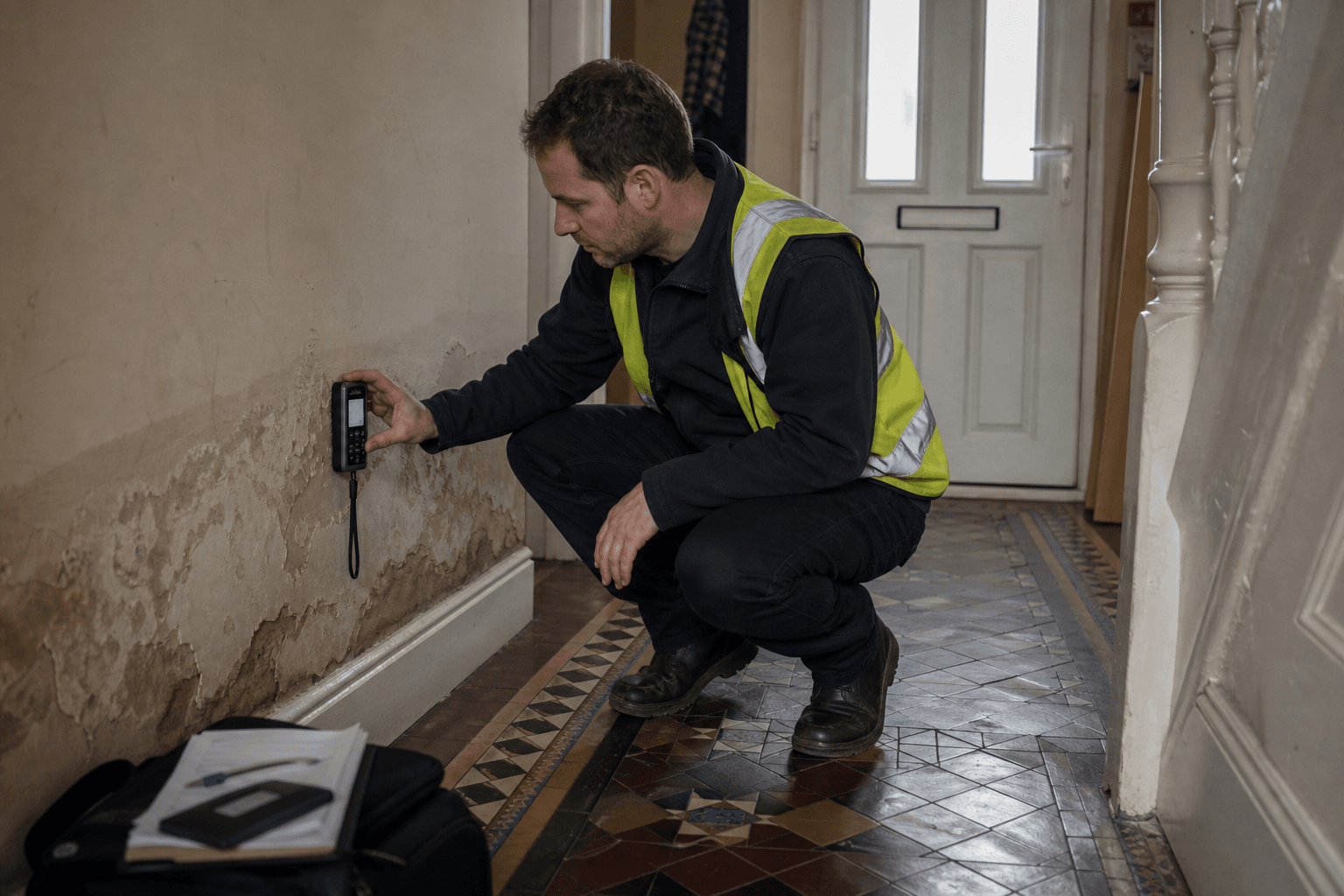
Finding a damp surveyor near me: 12 questions to ask, PCA credentials to verify, and red flags that mean walk away. UK 2026 hiring guide.
Latest in Handyman
View all in this category
Part P notifiable electrical work in 2026: a room-by-room list of what you can legally DIY in a UK home and what needs an NICEIC electrician.
DIY gas work is a criminal offence in the UK. What's legal (bleeding, repressurising), what isn't, and when to call a Gas Safe engineer.
Hire a UK plumber for a blocked drain: 13 questions, who owns outside drains, and how to report a blockage to your water company. Get a fair quote.
Related services

Book electrical jobs with Taskino to find qualified, insured electricians across the UK for safe repairs, installations and testing with clear quotes.
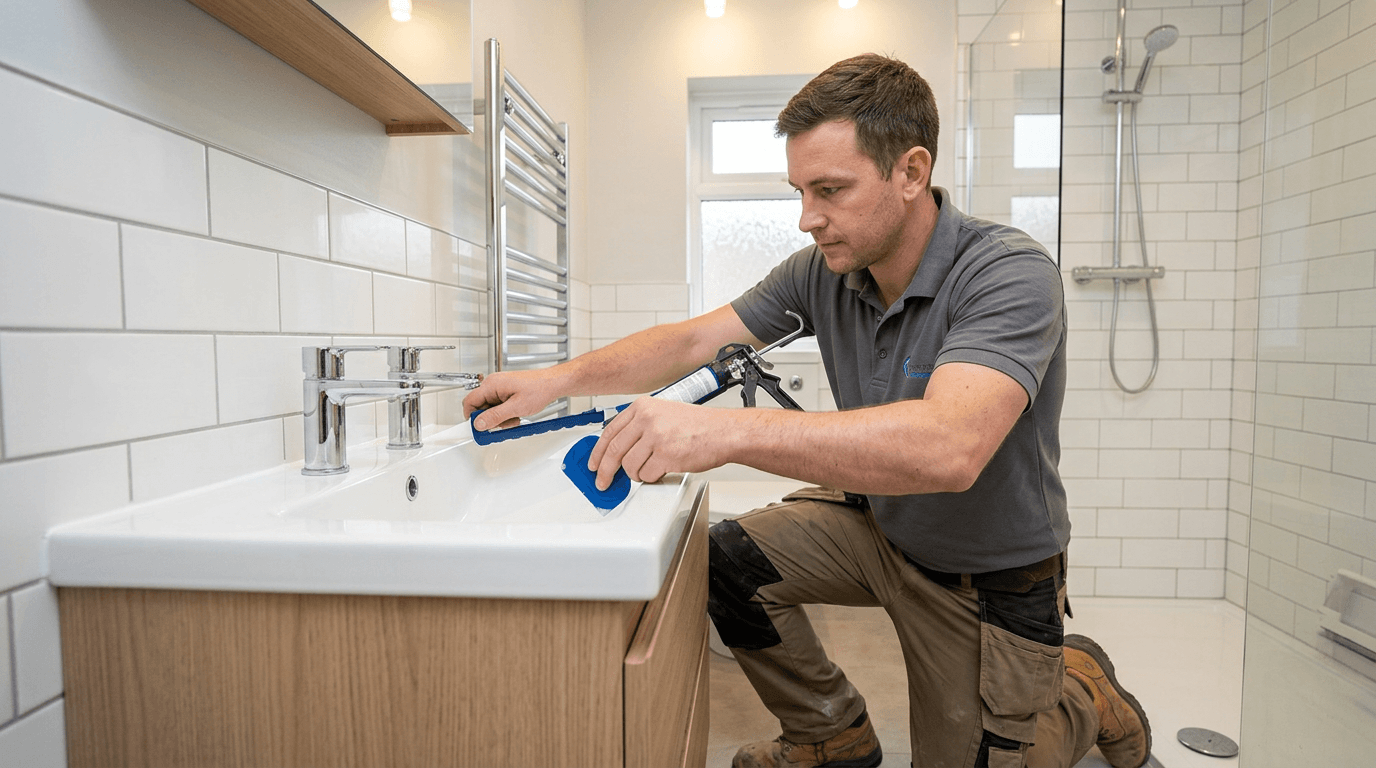
Neat, watertight silicone and sealing work for bathrooms, kitchens and windows across the UK. We strip failed joints, use the right sealant for each surface, and finish to a high standard. Contact us for a clear quote.

Reliable plumbing services for repairs, installations and emergencies. Taskino connects you with insured local plumbers who deliver clear quotes, fast response times and quality workmanship.
Ready to Book Your Service?
Tell us what you need and our team will help you find the right professional quickly, with clear pricing and no hidden fees.