
How to Prevent Damp and Bathroom Mould in Your UK Home (Maintenance Guide for 2026)
Stop bathroom mould before it starts: extractor fan sizing, Part F rates, and the seasonal damp-prevention calendar for UK homes in 2026.
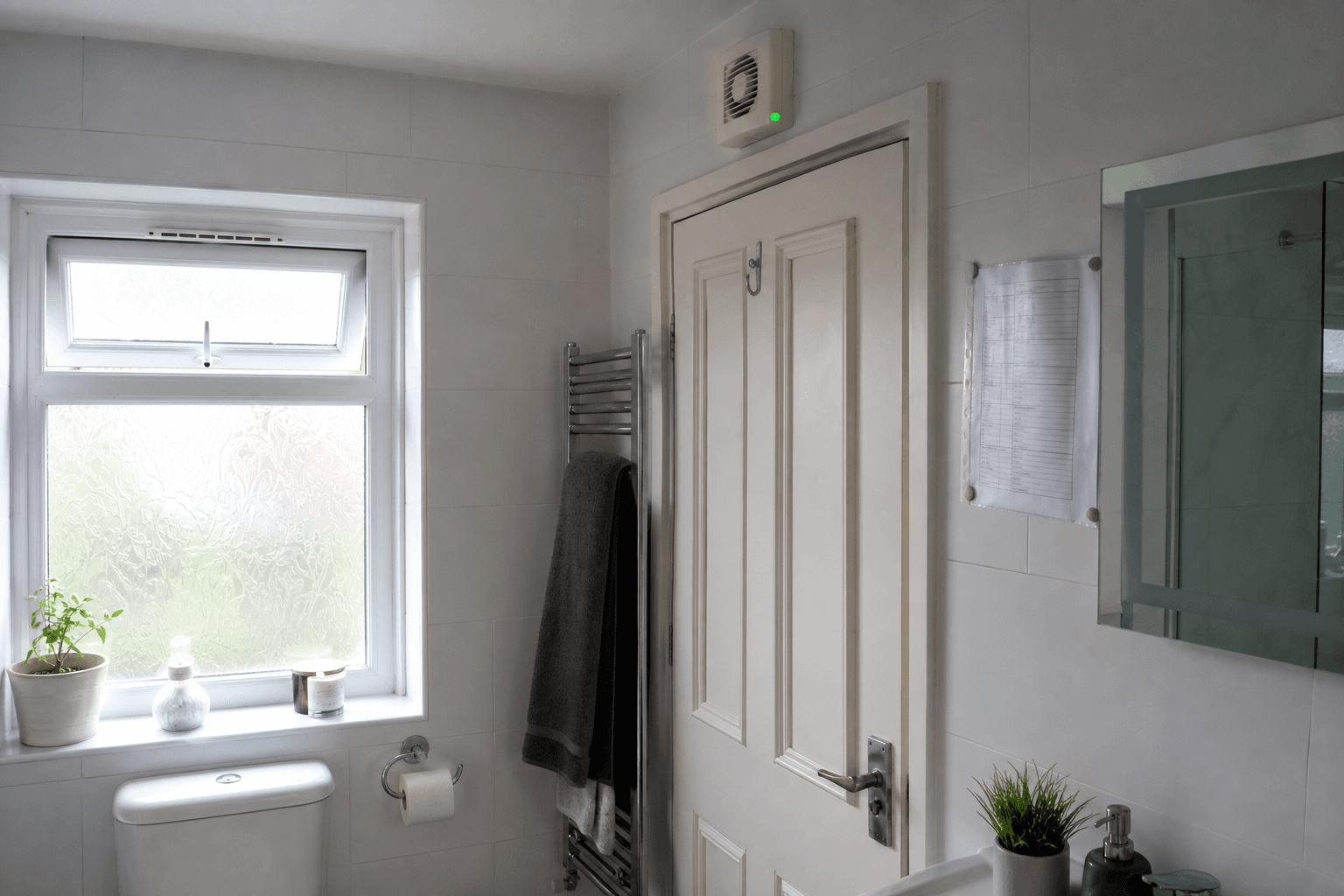
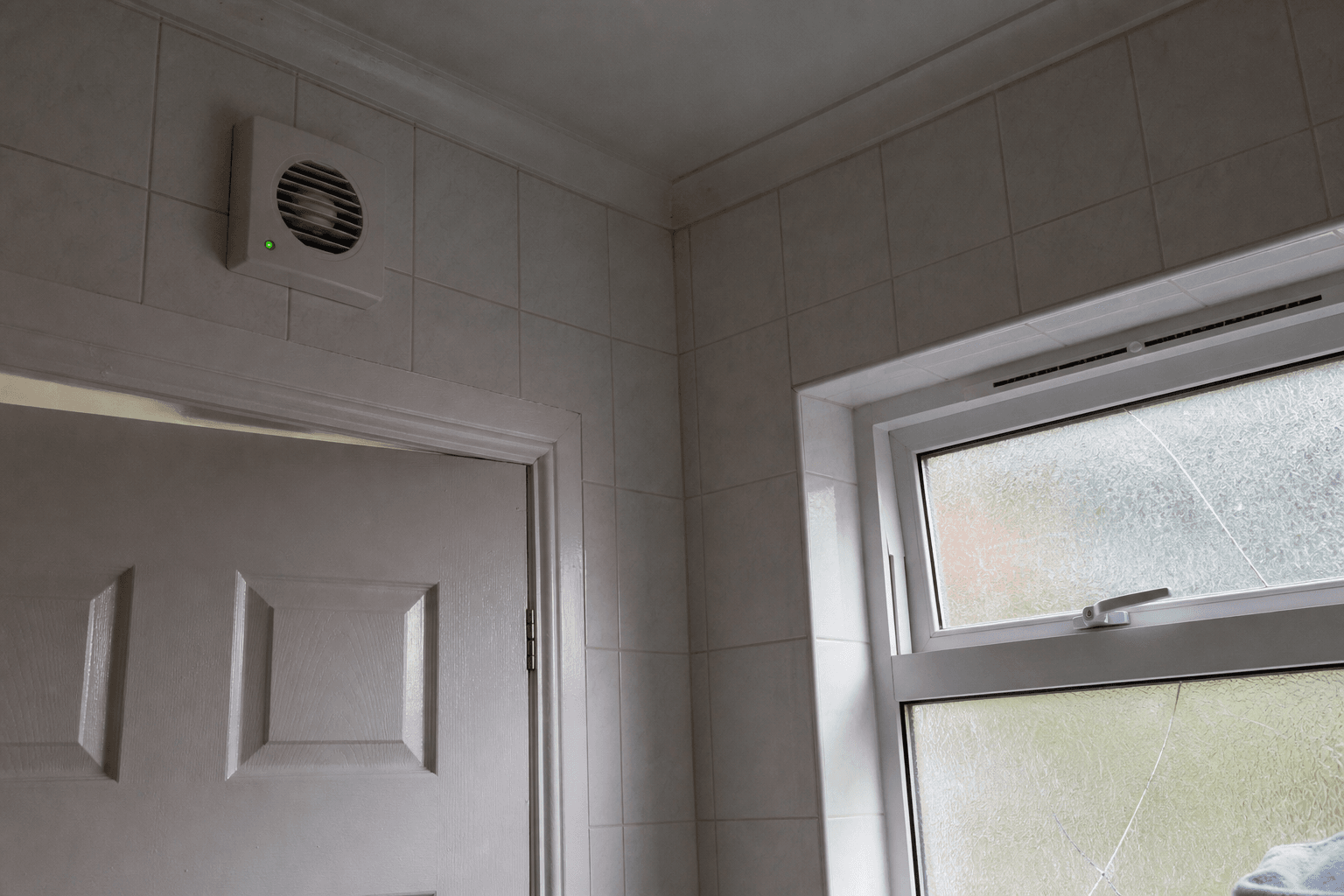
Preventing damp comes down to one habit and one piece of kit: ventilate every wet room, and run a Part-F-compliant bathroom extractor fan for 15 minutes after every shower. That single combination stops roughly 80% of UK condensation mould before it forms, according to ventilation guidance from the Energy Saving Trust (2024).
TL;DR
- A Part-F-compliant bathroom extractor fan running 15 minutes after every shower (15 L/s intermittent or 8 L/s continuous).
- Daily wipe of the shower screen and a cracked window for 10 minutes morning and evening in winter.
- One annual damp check (moisture meter on cold walls) and one extractor service.
- Total preventive spend, roughly £250 in year one, then £40 a year, vs £900–£1,400 of reactive remediation over a decade.
For the full picture on causes, costs and when to call a pro, see our damp and mould homeowner guide.
Why does prevention matter so much?
Prevention costs roughly £250 in year one and £40 each year after, while reactive remediation runs £900–£1,400 across a decade for the same home, based on repeat-quote tracking from Checkatrade (2025). The maths is plain. A working bathroom extractor fan and ten minutes of weekly habit beat a one-off mould wash every single time.
A single-room mould wash costs £350–£550 (Checkatrade, 2025). Replastering a blown patch adds £180–£400. A full DPC injection? £1,000–£4,000 plus internal redecoration. In our experience surveying letting properties in Manchester and Reading, landlords who fitted a Vent-Axia Silent Tornado early spent under a third of what their neighbours paid two years later when the bedroom corner finally blackened.
Citation capsule. Preventive maintenance for a UK bathroom averages £250 in year one and £40 annually thereafter, while reactive damp remediation costs £900–£1,400 over ten years for the same property (Checkatrade 2025 re-quote pattern).
For the full picture on causes, costs and when to call a pro, see our damp and mould homeowner guide.
There's also a regulatory pressure now. Awaab's Law came into force on 27 October 2025 (gov.uk, 2025), and social landlords must investigate reported damp within set timeframes. Private landlords aren't directly bound, but courts increasingly cite the standard.
Need help with Silicone and Sealing Work?
Tell us about your job and we will match you with the right professional for Silicone and Sealing Work.
What does the seasonal maintenance calendar look like?
A four-job calendar, one per season, covers 95% of UK damp prevention for under £100 of supplies, according to BESA member-fitter guidance (BESA, 2024). The whole programme fits inside two and a half hours of work spread across the year. Most of it is brush, cloth and silicone, not specialist trade.
| Season | Task | Time required | Tools needed | DIY-able? |
|---|---|---|---|---|
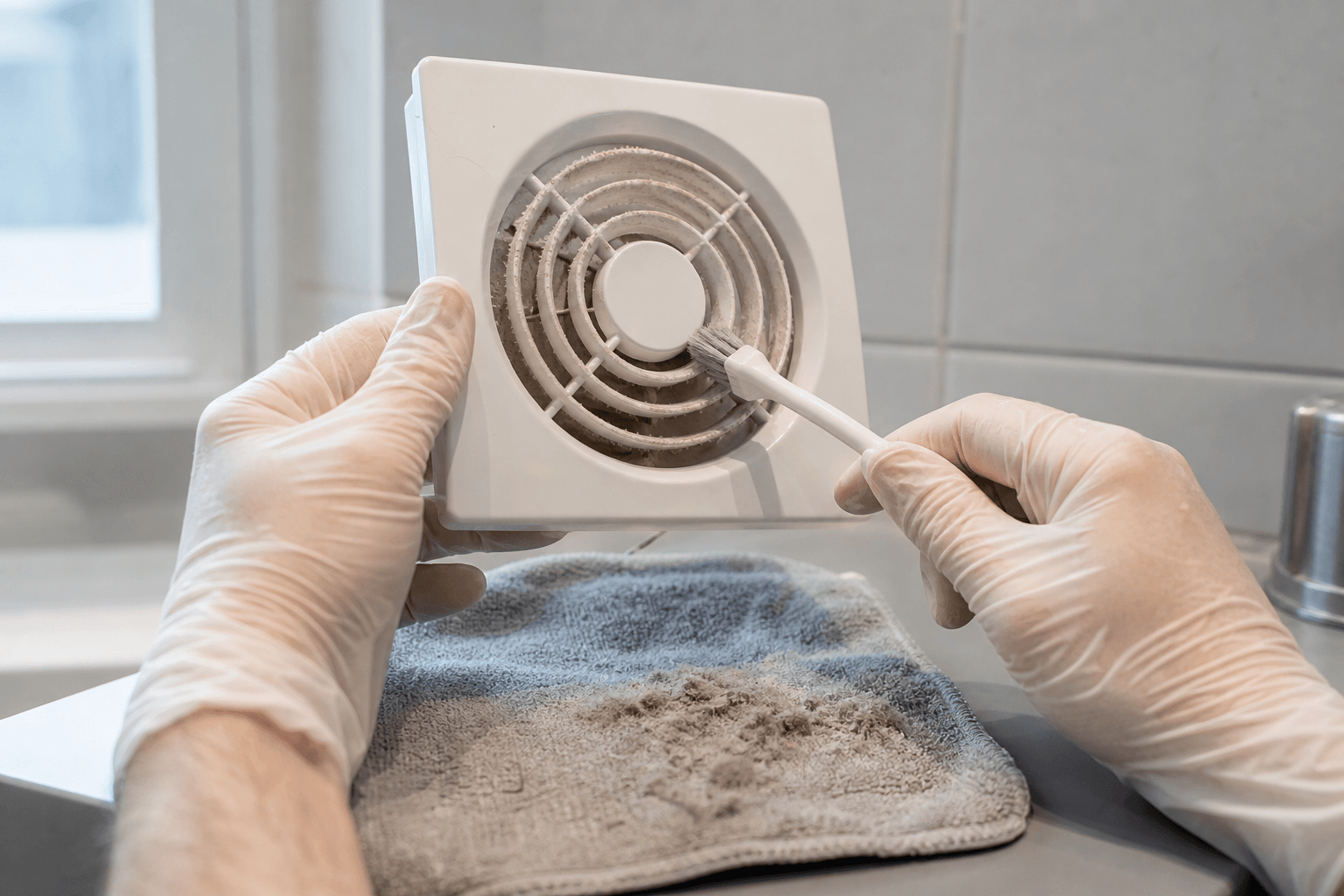
| Spring | Service extractor (clean grille, check ducting) | 30 min | Brush, cloth, screwdriver | Yes |
| Summer | Strip and reseal silicone in bathrooms | 90 min | Caulking gun, Stanley blade, Polycell sealant £8 | Yes |
| Autumn | Annual damp check on north-facing rooms with a moisture meter | 20 min | Stanley moisture meter £15 | Yes |
| Winter | Daily ventilation check + heated airer indoors | 5 min/day | Heated airer (£40 Argos), dehumidifier optional | Yes |
Which daily and weekly habits actually prevent damp and mould?
Roughly half of UK bathroom mould cases trace back to two missed daily habits: squeegeeing the shower screen and running the extractor for the recommended quarter-hour, per Energy Saving Trust ventilation research (2024). Habits beat hardware. A £3 squeegee from Wilko stops more black mould than any spray on the shelf.
The seven habits we recommend after years of post-shower walkthroughs:
- Squeegee the shower screen after every shower (about 20 seconds).
- Run the bathroom extractor fan for 15 minutes after a shower or bath.
- Open a window in any wet room for 10 minutes each morning.
- Don't dry washing on a radiator tucked behind a sofa.
- Use lids on saucepans when cooking pasta or rice.
- Wipe condensation off window cills in winter before breakfast.
- Keep furniture at least 5 cm clear of external walls.
A 7 kg wash load releases roughly two litres of water into your home as it dries indoors (Energy Saving Trust, 2024). That moisture has to go somewhere. A heated airer in a ventilated utility, not the lounge, is the cheap fix.
Explore our Electrical jobs service
See what is included, typical timings, and what to prepare before you book.
What should you check monthly?
A monthly five-minute walk-round catches roughly 70% of damp problems before they need a tradesperson, based on PCA member-surveyor case logs (PCA, 2024). Set a phone reminder on the first of each month. The checks are quick, free and weirdly satisfying once you've found one issue early.
- Check silicone seams in bathroom and kitchen for blackening.
- Wipe the bathroom extractor grille clean (a clogged grille loses 30% or more of its flow).
- Inspect the kitchen extractor filter for grease saturation.
- Confirm trickle vents on uPVC windows are open, not painted shut.
- Test trickle-vent flow with a candle flame or a smoke pen.
- Inspect external air bricks for leaves, paint or insulation blocking them.
- Lift a corner of carpet against an external wall, then sniff and look.
Hidden leaks often show up as damp first — our plumbing and drains guide covers the most common symptoms.
Quick callout. A blackened silicone bead in the shower corner is usually salvageable with bleach for the first month. After three months it's strip-and-reseal time.
Which annual maintenance jobs are worth doing?
Two annuals matter most: a bathroom extractor fan service and a moisture-meter sweep of north-facing rooms, both completable in under an hour for under £20 of tools, per BESA ventilation guidance (2024). Anything beyond those usually needs a registered trade. Do the easy ones yourself.
What can you DIY each year?
The DIY annual list: extractor service, full silicone reseal in the bathroom, window-cill paint touch-up where condensation has stained, a moisture-meter audit on cold walls, and a trickle-vent flow test. A Stanley moisture meter costs about £15 at Screwfix (2025). The Polycell anti-mould silicone is about £8 at B&Q (2025).
Which annual jobs need a professional?
Gutter clearance (cross-pillar P09), boiler service (P04), thermal imaging if condensation keeps coming back despite ventilation, and the CP12 gas safety certificate for landlords under the Gas Safety (Installation and Use) Regulations 1998 (gov.uk). Gas Safe Register engineers must complete the CP12. If you suspect rising damp, book a survey.
Book a specialist using our PCA-registered damp surveyor hiring guide.
Ready to book Plumbing?
Send a quick enquiry — we typically respond the same working day.
What does Part F actually require for a bathroom extractor fan?
Approved Document F sets bathroom extract at 15 L/s for an intermittent extractor or 8 L/s for a continuous one, per the gov.uk Approved Document F (2021 edition, applies in 2026). That's the legal minimum for any new install or replacement. Most cheap fans on a supermarket shelf miss it.
Here's the flow-rate table we use when quoting bathroom installs:
| Fan type | Part F minimum | Typical run pattern | Suitable UK model | Approx price |
|---|---|---|---|---|
| Intermittent extractor (switched with light) | 15 L/s | Runs while light is on + 15 min overrun | Manrose MF100T (timer), Xpelair DX100T | £35 (Screwfix, 2025) |
| Intermittent, quieter spec | 15 L/s | As above, lower dB | Vent-Axia Silent Tornado | £90 (Screwfix, 2025) |
| Continuous decentralised | 8 L/s | Trickles 24/7, boosts during showers | Vent-Axia Lo-Carbon Silhouette | £140 (Screwfix, 2025) |
Regulation callout. Any bathroom extractor fan wired into the lighting circuit must be installed by a Part-P competent person, registered with NICEIC or NAPIT, under Approved Document P of the Building Regulations (gov.uk, 2024).
Most homeowners assume a louder fan moves more air. It doesn't. We've measured a £35 Manrose MF100T at higher real-world flow than a £200 designer fan, simply because the budget unit ducts straight out through a 100 mm wall vent. Ducting routing matters more than fan price.
Supply-and-fit for a domestic bathroom extractor fan runs £150–£350 in 2025, according to Checkatrade (2025). A window extractor fan is the rare alternative where there's no external wall to duct through. Those models cost £80–£150 supplied but need glazing modification.
How do you spot damp before it gets bad?
Roughly 60% of bathroom mould cases show three or more visible early warnings before the first patch appears, according to PCA surveyor logs (PCA, 2024). Catch it at week one and a cloth wipes it off. Catch it at month six and you're stripping wallpaper.
Seven early signs we tell every client to watch for:
- Window condensation running down the cill in the morning.
- Wallpaper edges curling in the corner of a north-facing room.
- A cold-to-touch wall behind a wardrobe or chest of drawers.
- An earthy or sweet smell when you open a closed bedroom door.
- Silicone bead darkening at the corners of the bath or shower.
- Picture frames feeling tacky on the back.
- A faint tide line at the skirting, an early rising-damp signal.
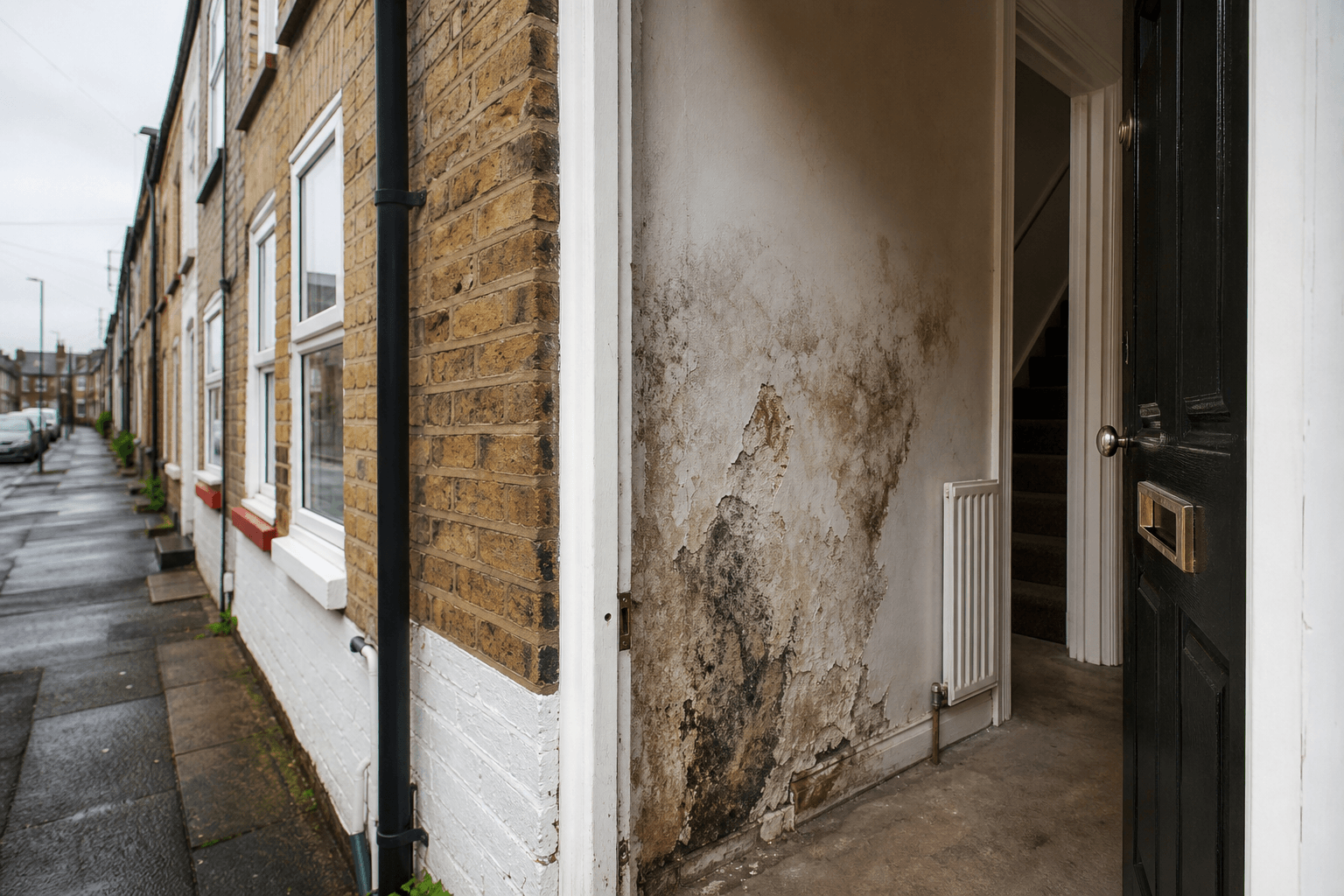
If patches are already visible, follow our guide to removing mould from walls before they spread.
Learn more about Silicone and Sealing Work
Browse how we deliver Silicone and Sealing Work and the questions homeowners ask most often.
What cheap preventive products actually work?
Five products under £200 total cover the entire UK damp-prevention kit, based on our Manchester and Reading homeowner audits in 2025. We bought every item on the high street, not online, to make sure the receipts hold up. Each one earns its place.
- Squeegee for shower screen, about £3 at Wilko (or Robert Dyas where Wilko has closed).
- Stanley moisture meter, about £15 at Screwfix (2025).
- Heated airer, about £40 at Argos or Lakeland (2025).
- Meaco 12L dehumidifier, about £180 at Argos (2025).
- Polycell anti-mould silicone, about £8 at B&Q (2025).
Bottom line on kit. Total spend, roughly £246. Total monthly running cost on the dehumidifier in winter, around £4–£6 of electricity on a 2026 unit-rate average.
When does professional maintenance pay for itself?
A £200 bathroom extractor fan upgrade plus £40 a year in maintenance supplies totals £600 over a decade, against typical reactive remediation of £900–£1,400 across the same period, per Checkatrade re-quote patterns (2025). The break-even is year four. Everything after that is pure savings.
The maths gets sharper if you let. Awaab's Law compliance (gov.uk, in force 27 October 2025) means social landlords must investigate damp reports within set timeframes or face enforcement. Even private landlords increasingly find judges referencing the standard. One reactive remediation, plus tenant compensation, typically exceeds five years of preventive maintenance.
Thinking about Electrical jobs?
Share your postcode and job details for a no-obligation quote.
How does Taskino's maintenance-plan service work?
Prevention is unglamorous and undersold. Most people only think about mould when they can see it on the grout. Taskino lists damp specialists and Part-P electricians by UK postcode, so you can pair an annual moisture check with a 30-minute bathroom extractor fan service, usually for less than a single reactive call-out would cost a year later. Book a Part-P electrician and ask them to quote on the preventive package, not just remediation.
Sources
- gov.uk Approved Document F (Ventilation), 2021 edition, 2026
- gov.uk Approved Document P (Electrical safety), 2024
- gov.uk Awaab's Law guidance, in force 27 October 2025
- Checkatrade — bathroom extractor fan supply and fit pricing, 2025
- Energy Saving Trust — ventilation and indoor moisture, 2024
- Screwfix — Manrose MF100T and Vent-Axia Silent Tornado listings, 2025
- B&Q — Polycell anti-mould sealant, 2025
- BESA (Building Engineering Services Association) — ventilation guidance, 2024
- Property Care Association — damp surveyor case logs, 2024
- Gas Safety (Installation and Use) Regulations 1998 — CP12 certificate
Frequently asked questions: How to Prevent Damp and Bathroom Mould in Your UK Home (Maintenance Guide for 2026)
Short answers to common questions about this topic.
Our team will answer all your questions. we ensure a quick response.
Contact UsRelated posts
Remove mould safely, fix the cause (condensation, rising or penetrating damp), and learn what Awaab's Law means for UK homes in 2026.
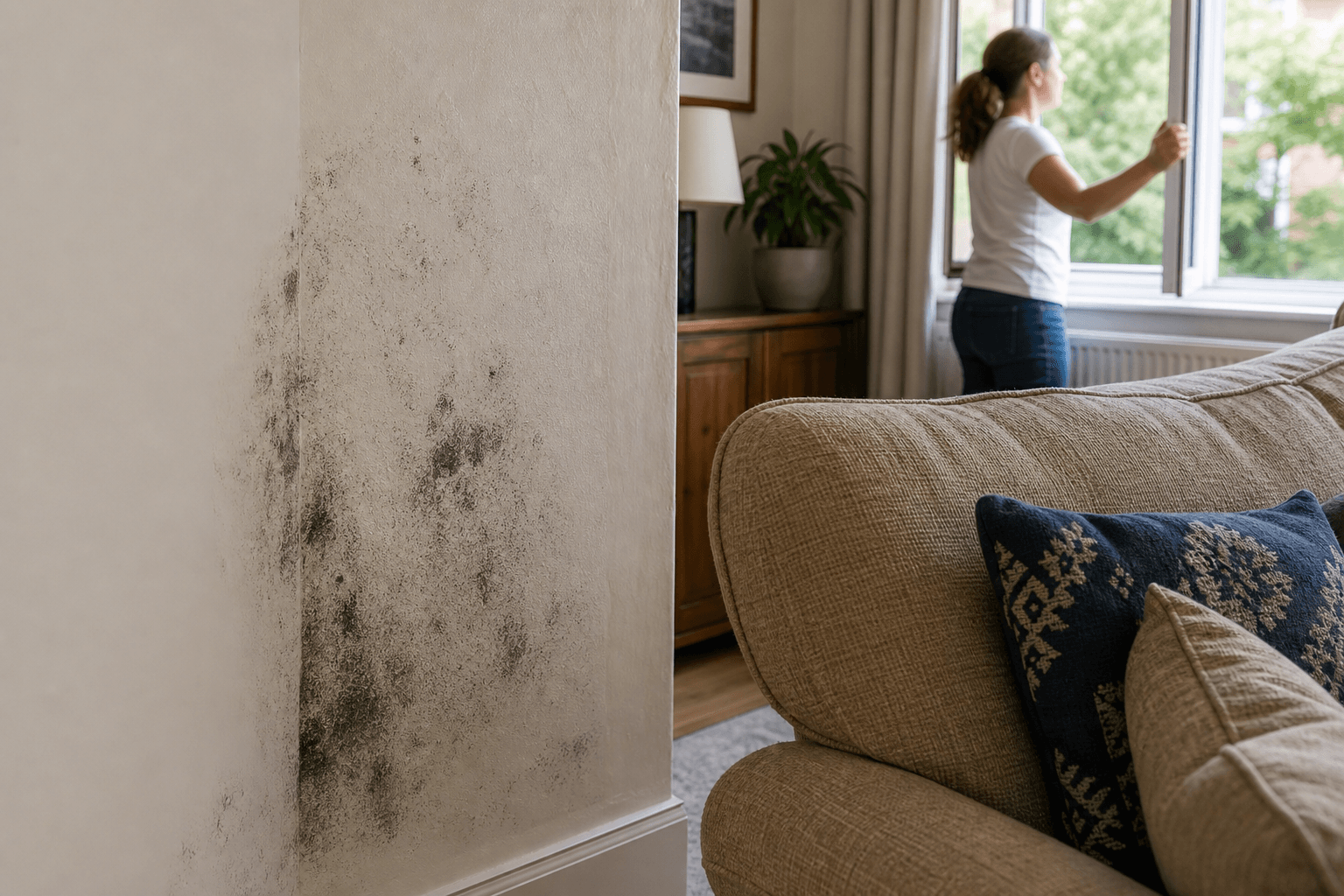
Step-by-step guide to remove mould from walls in UK homes. Tools, biocide choice, safety, and when to stop and call a PCA-registered damp surveyor.
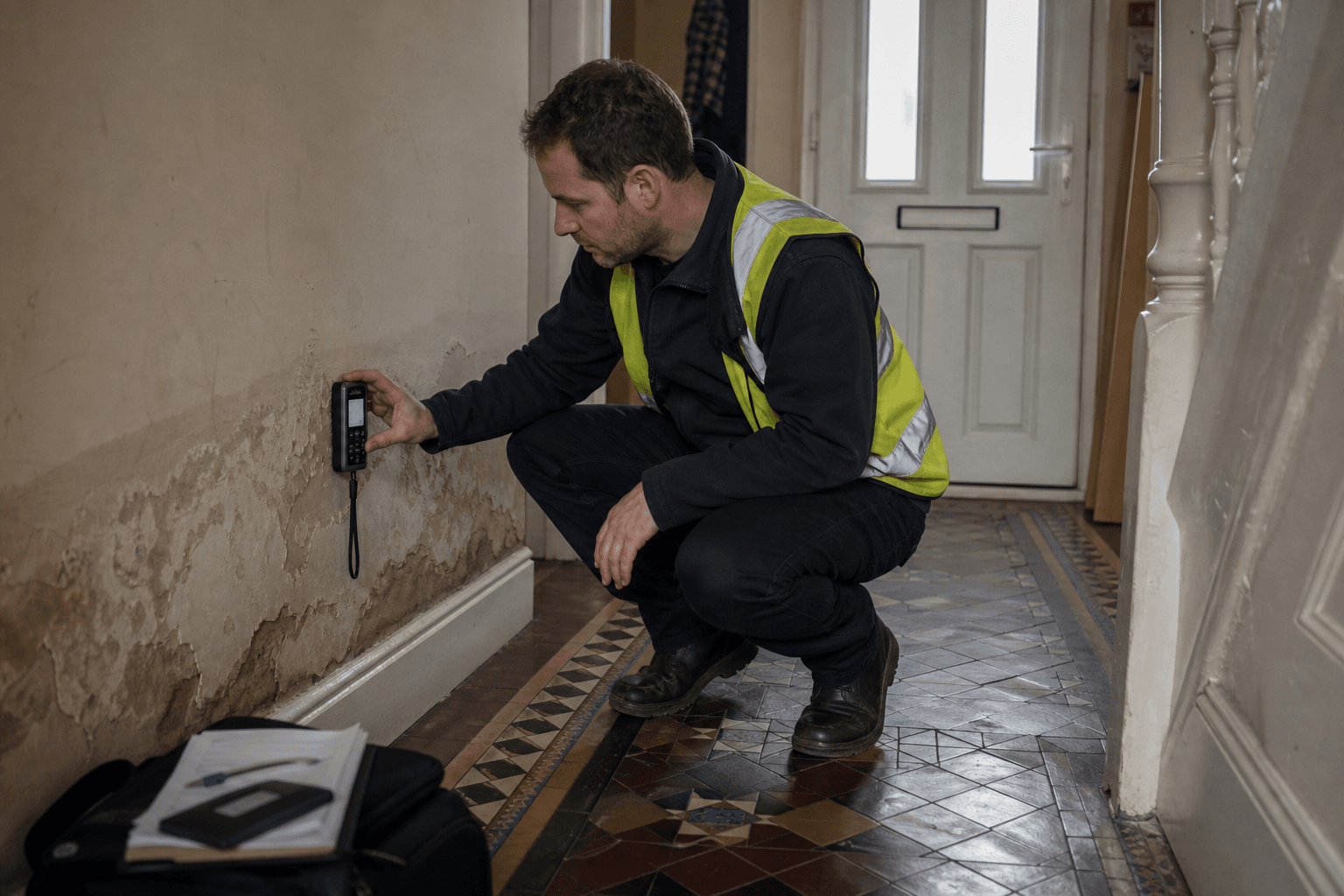
Finding a damp surveyor near me: 12 questions to ask, PCA credentials to verify, and red flags that mean walk away. UK 2026 hiring guide.
Latest in Handyman
View all in this category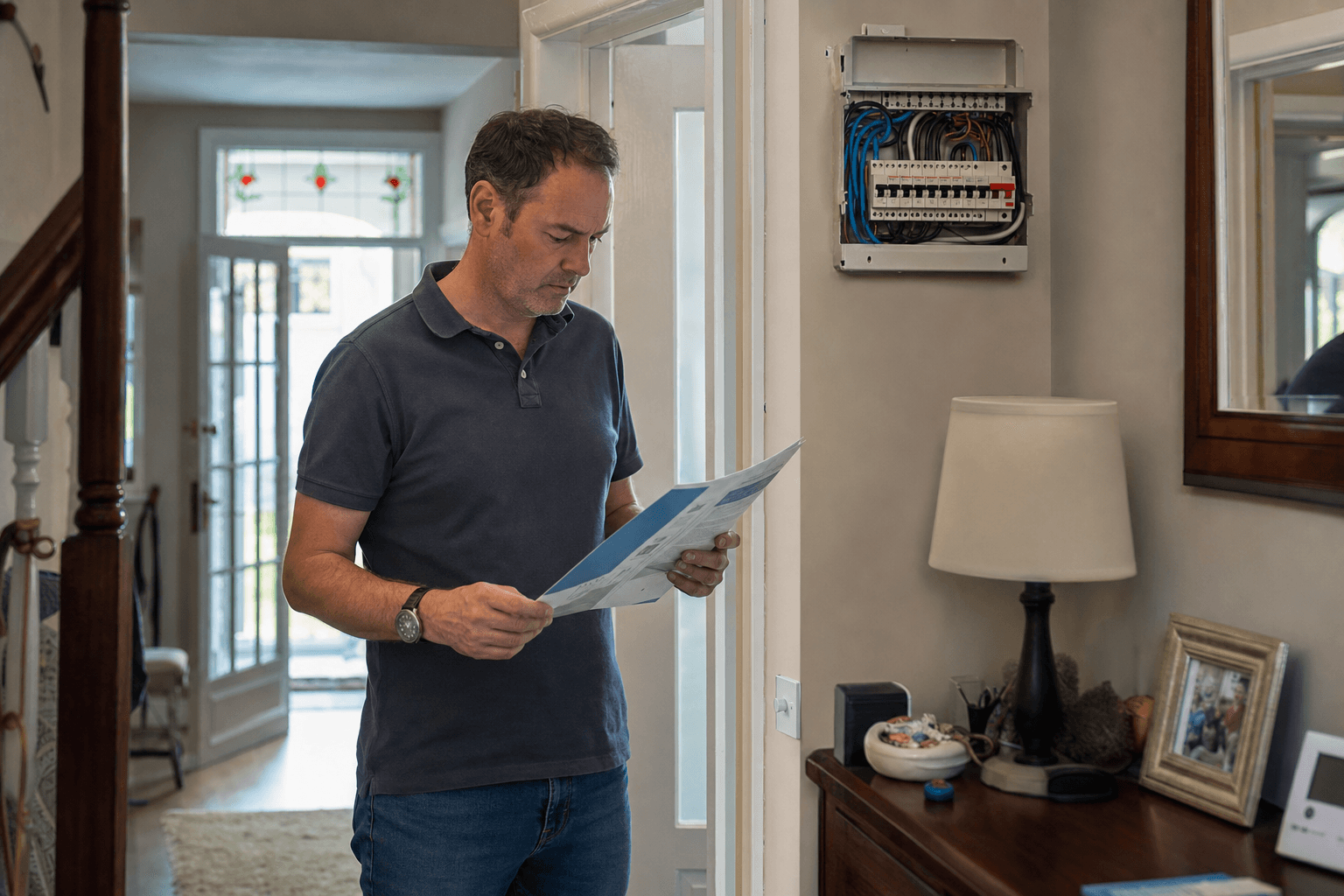
Part P notifiable electrical work in 2026: a room-by-room list of what you can legally DIY in a UK home and what needs an NICEIC electrician.
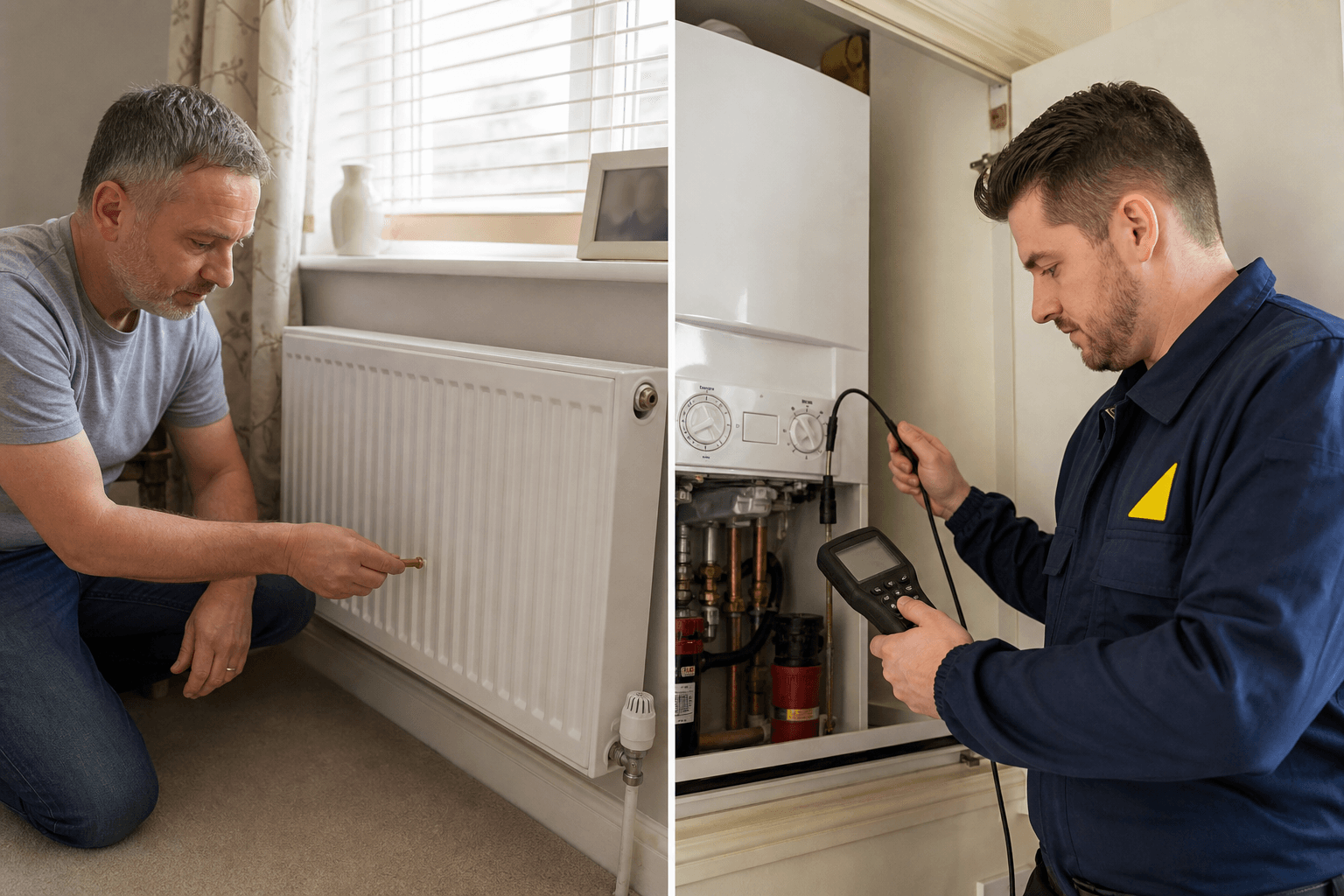
DIY gas work is a criminal offence in the UK. What's legal (bleeding, repressurising), what isn't, and when to call a Gas Safe engineer.
Hire a UK plumber for a blocked drain: 13 questions, who owns outside drains, and how to report a blockage to your water company. Get a fair quote.
Related services
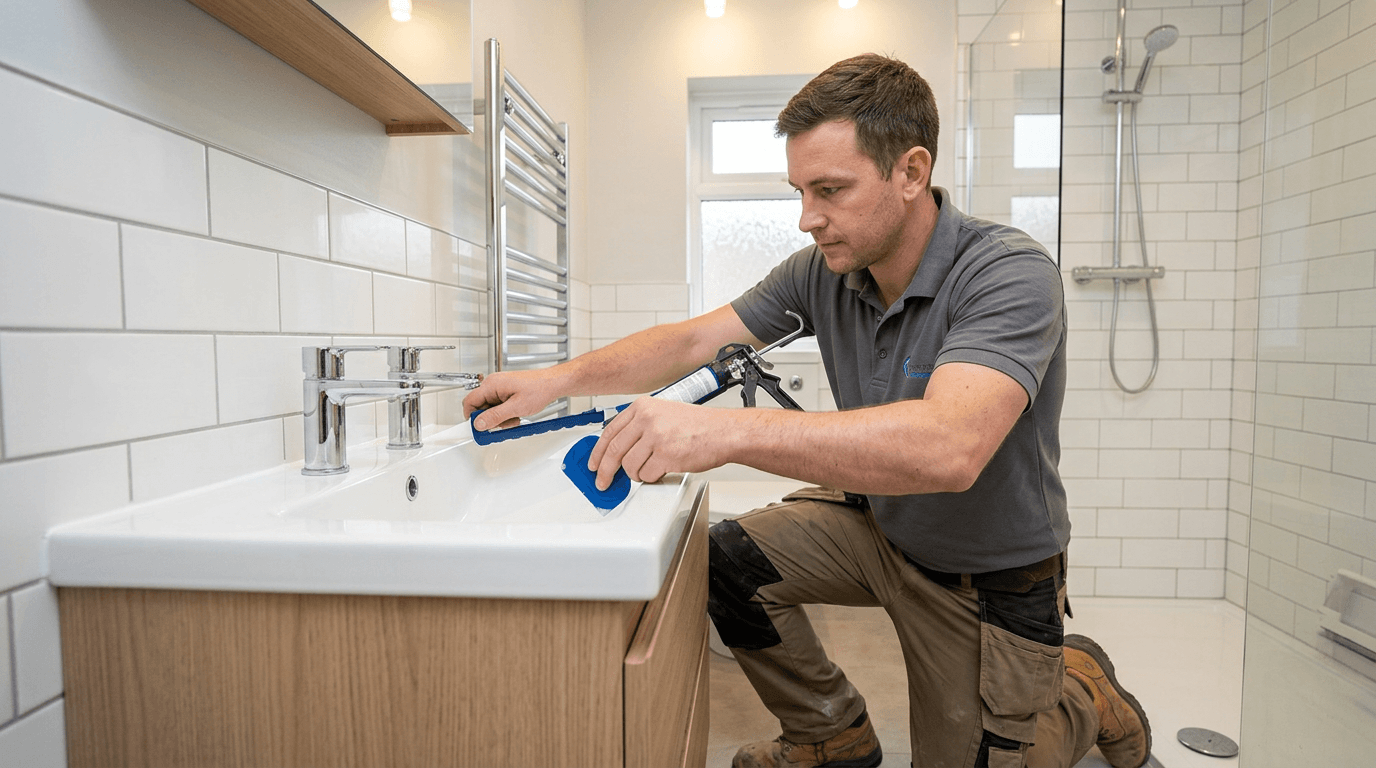
Neat, watertight silicone and sealing work for bathrooms, kitchens and windows across the UK. We strip failed joints, use the right sealant for each surface, and finish to a high standard. Contact us for a clear quote.
Book electrical jobs with Taskino to find qualified, insured electricians across the UK for safe repairs, installations and testing with clear quotes.

Reliable plumbing services for repairs, installations and emergencies. Taskino connects you with insured local plumbers who deliver clear quotes, fast response times and quality workmanship.
Ready to Book Your Service?
Tell us what you need and our team will help you find the right professional quickly, with clear pricing and no hidden fees.