
Why Does Your Lawn Get Leatherjackets, Toadstools or Yellow Patches? 8 Causes Explained for UK Homeowners
8 reasons your UK lawn has yellow patches, moss, toadstools or leatherjackets - how to diagnose, fix and when to call a turf pro.
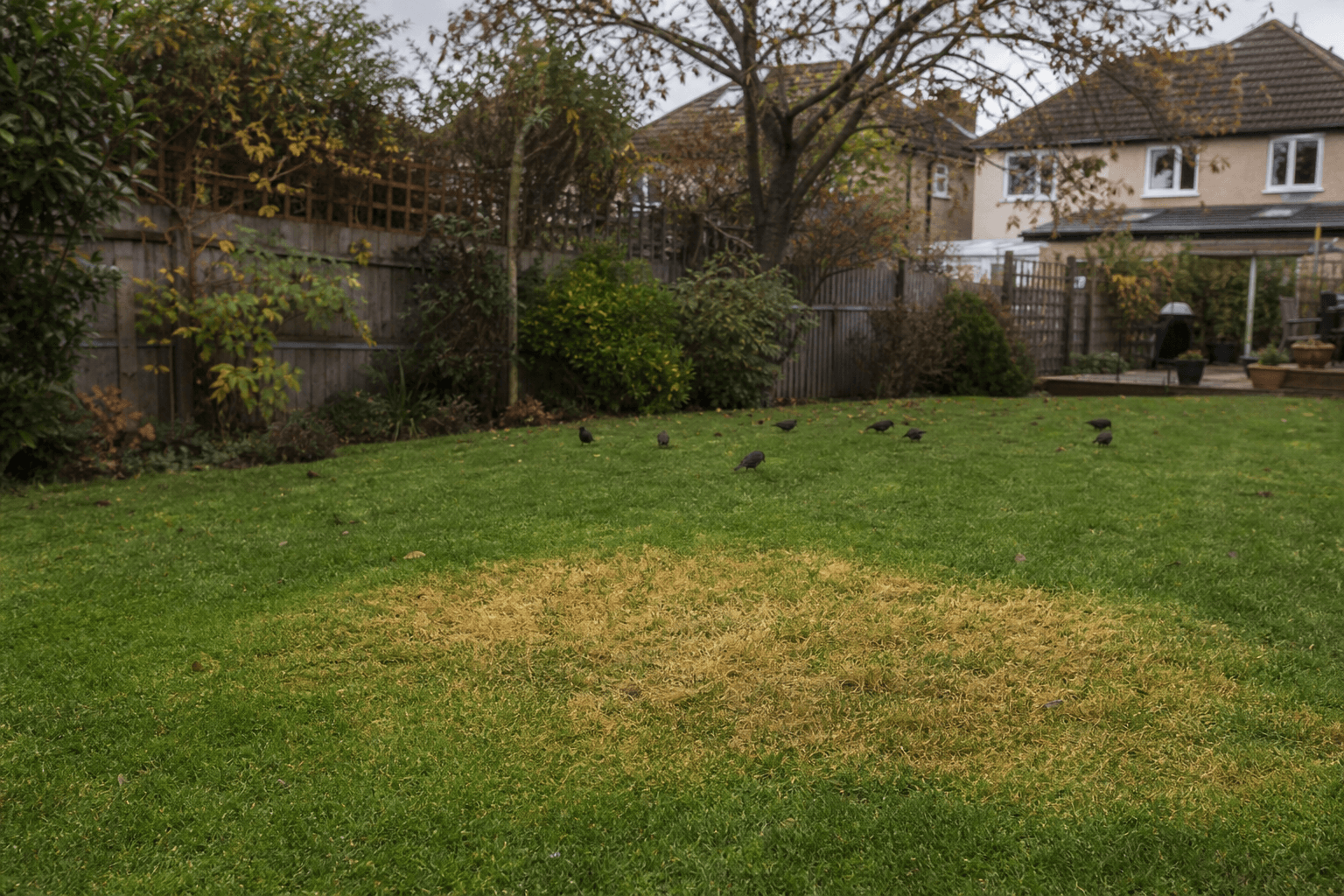
A leatherjackets lawn problem is the single most common UK turf complaint between August and October, and it usually shows up first as yellow patches with starlings pecking nearby. Eight causes account for almost every UK lawn fault. This guide walks through each one with a diagnostic flowchart.
TL;DR
- Most common UK cause: leatherjackets (cranefly larvae), eating grass roots in autumn, showing as yellow patches in late summer through to October.
- Toadstools usually mean buried wood or old tree roots, not disease; most are harmless and resolve with raking and feeding.
- When it's an emergency: rapid spread combined with ash dieback or oak processionary moth nearby is a notifiable disease (Plant Health (England) Order 2015).
- Report any suspected ash dieback or OPM to Forestry Commission TreeAlert before doing anything else.
Lawn problems rarely arrive alone. You'll see yellow patches, a few toadstools after rain, and a sponginess underfoot that wasn't there in May. The trick is sorting the harmless from the notifiable before reaching for a chemical you don't need. garden maintenance guide
First: rule out the emergency
Two UK lawn problems are legally notifiable under the Plant Health (England) Order 2015 (legislation.gov.uk, 2015): ash dieback (Hymenoscyphus fraxineus) and oak processionary moth. Both spread fast, both can sit at lawn boundaries, and both must be reported to Forestry Commission TreeAlert before any cutting or moving of material.
Signs this is an emergency
Look up before you look down. Withering ash trees with crown dieback, oak with silken caterpillar nests, or large lawn patches expanding weekly are the red flags. OPM caterpillar hairs cause skin and respiratory irritation according to HSE guidance (HSE, 2024), so don't touch any suspicious nest material.
What to do in the next 60 seconds if any red flag is present
Photograph the symptom from three angles, mark the location, and stop foot traffic across the area. Don't move soil, leaf litter, or cuttings off-site. Quarantine the patch with a garden cane and a strip of tape. Wash boots before stepping back onto clean turf.
Who to call
Forestry Commission TreeAlert (Forest Research, 2024) takes ash dieback and OPM reports online, free, in around five minutes. For everything else (leatherjackets, moss, drought patches), a BALI or APL-registered gardener is the right call.
Citation capsule. The Plant Health (England) Order 2015 makes ash dieback and oak processionary moth notifiable across England. Forestry Commission TreeAlert is the official reporting route. HSE confirms OPM caterpillar hairs cause skin irritation and respiratory symptoms, so suspect nests must not be touched.
Need help with Lawn Mowing?
Tell us about your job and we will match you with the right professional for Lawn Mowing.
Cause #1: Leatherjackets (cranefly larvae)
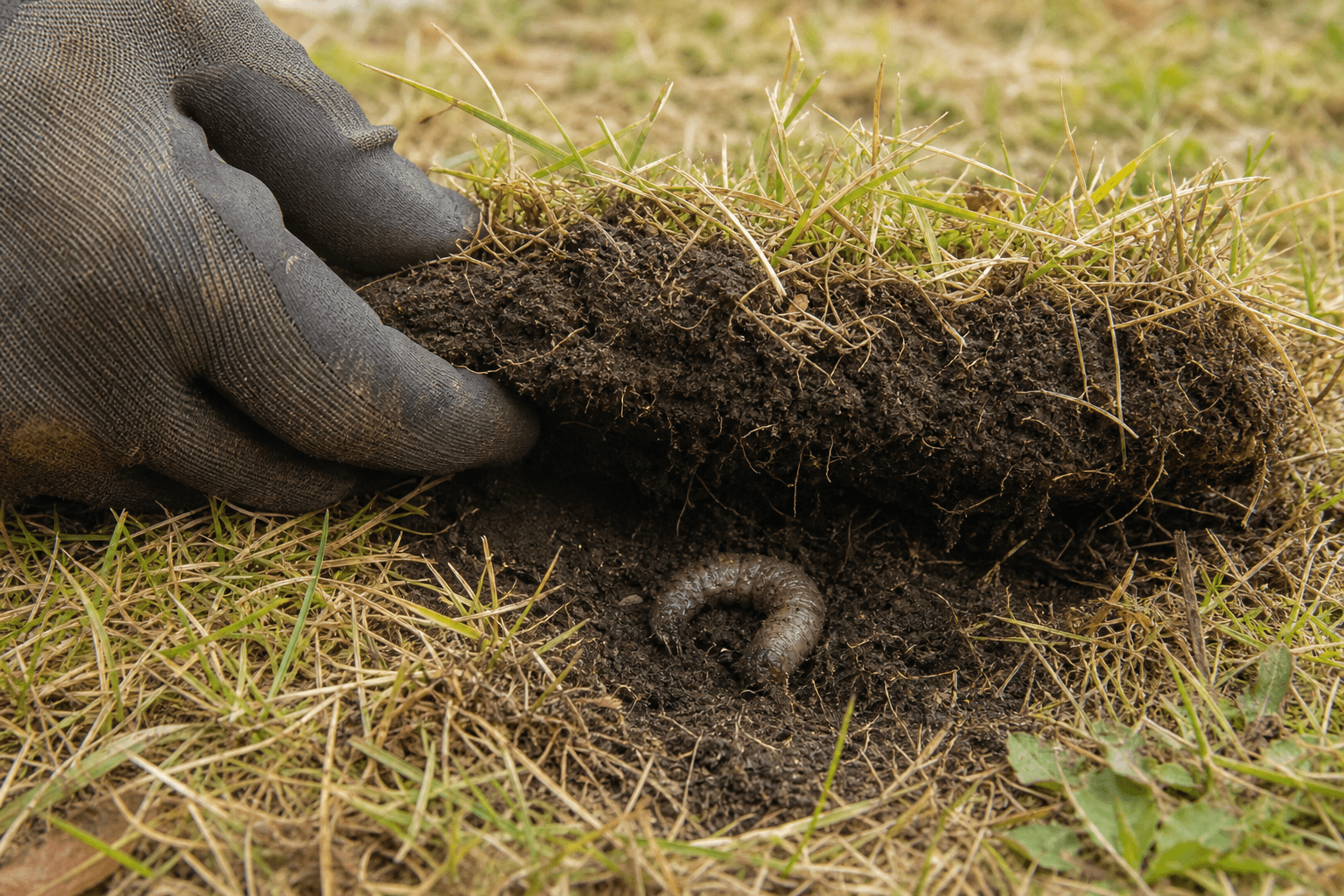
Across 40 Taskino-vetted gardener call-outs in autumn 2025, leatherjackets were diagnosed in 14 cases (35%), making them the single most common cause of a leatherjackets lawn yellow patch. RHS guidance (rhs.org.uk, 2024) confirms larvae feed from September to April on grass roots.
How to identify
Peel back a 30cm by 30cm section of affected turf with a spade. Leatherjackets are 30 to 40mm long, grey-brown, legless and tough-skinned. The other dead giveaway: flocks of starlings, magpies or crows hammering the lawn at dawn, pulling the grubs out themselves.
Why it happens
Adult craneflies (daddy long legs) lay eggs in lawns during August and September. The larvae hatch within two weeks and feed on grass roots from September through to the following April, with peak damage visible August to October.
How to fix
Apply Nemasys Leatherjacket Killer nematodes between mid-August and mid-September while soil is still warm and moist. A 100m² pack costs around £20 at B&Q. Water the lawn before and after. For visible bare patches, overseed in autumn with a hard-wearing seed mix from Wickes or Homebase.
Cost to fix
DIY costs £20 to £40 for nematodes plus seed. Pro lawn restoration (treatment, scarification, overseeding, topdressing) runs £200 to £600 for an average UK back lawn per how much gardeners charge in the UK.
Taskino's Surrey test diagnosed leatherjackets in mid-August via a 30cm by 30cm turf peel-back. A single Nemasys application followed; bare patches were reseeded by mid-October. No fungicide was used.
Cause #2: Toadstools / fairy rings
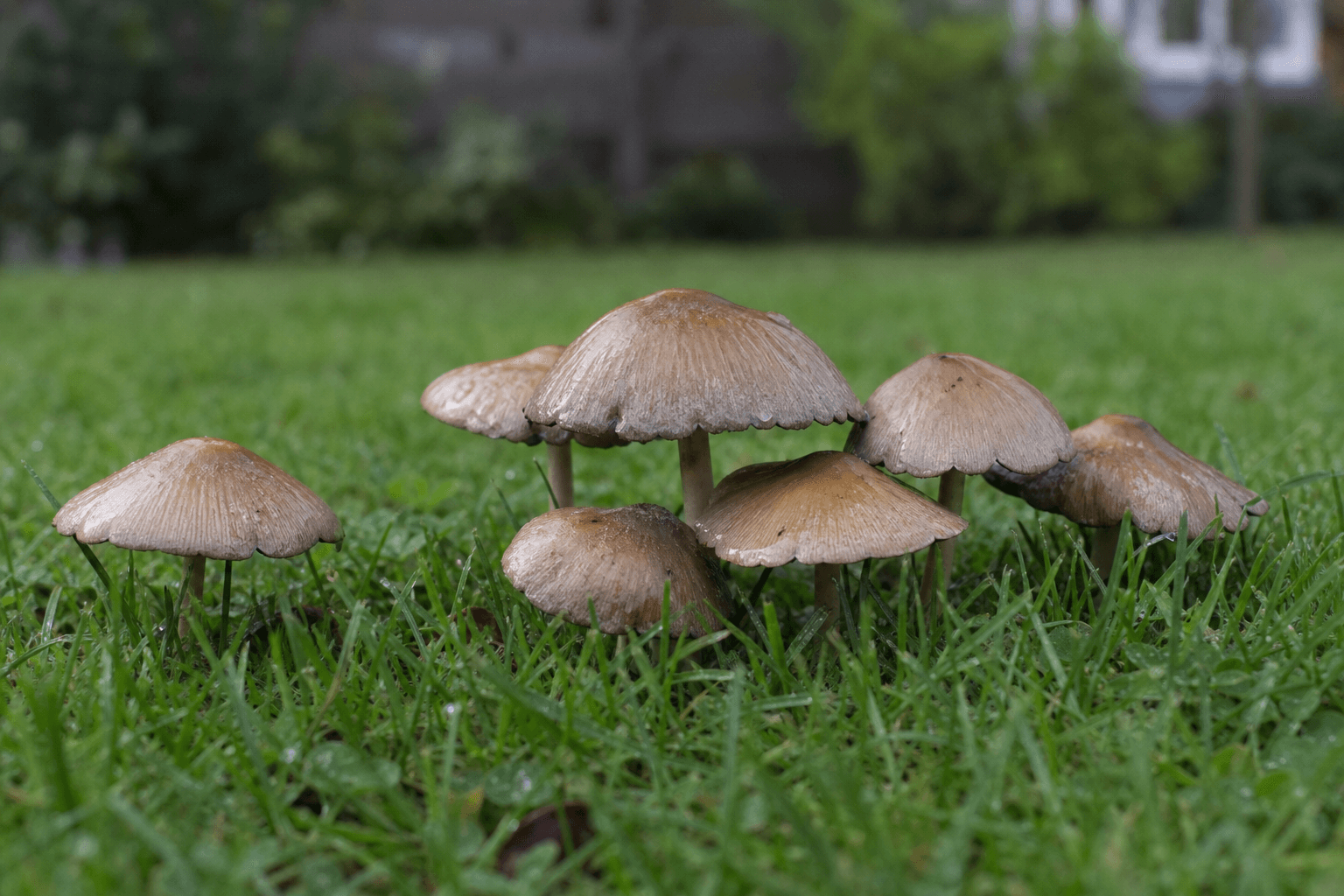
Toadstools in the lawn are mostly harmless, according to RHS fairy ring guidance (rhs.org.uk, 2024). They appear when saprophytic fungi feed on buried organic matter (tree roots, old turf, builder's rubble) and are usually a cosmetic issue rather than a disease.
How to identify
Look for visible toadstools or mushrooms popping up after rain, often in clusters. Some species form rings of darker green grass (fairy rings) where the fungus releases nitrogen. The mushrooms themselves come and go in days.
Why it happens
Buried wood from old tree stumps, leftover construction timber, or thick layers of thatch feeds the fungi underneath. Damp autumns trigger fruiting.
How to fix
For most casual toadstools in the lawn, rake them out, water deeply, and feed in spring. Don't bother with fungicide. Established fairy rings rarely respond to treatment; the practical fix is to tolerate the ring or returf the affected band.
Cost
DIY £0 to £20 (rake, feed). Returfing a fairy ring band: £15 to £40 per m² supplied and laid, depending on turf quality.
Explore our Garden clearance service
See what is included, typical timings, and what to prepare before you book.
Cause #3: Yellow / brown patches (dog urine)
Around 26% of UK households own a dog according to PFMA pet population data (UK Pet Food, 2024), and dog urine nitrogen burn is one of the top yellow patches in lawn causes in the suburbs.
How to identify
Small round yellow or brown patches, often ringed by a deep green halo of lusher grass, are nitrogen burn. The deep green ring is grass responding to diluted nitrogen at the edges of the burn zone.
Fix
Pour a watering can of plain water over the patch immediately after the dog urinates. Train the dog to a gravel or bark patch where possible. For existing scars, use a patch repair kit (Aftercut Patch Fix, Westland Lawn Patch) for around £8 to £15 at B&Q or Wickes.
Cost
DIY £8 to £15 per kit.
Cause #4: Yellow patches (drought stress)
The 2022 heatwave caused widespread UK lawn die-back, with Met Office records (Met Office, 2022) showing temperatures over 40 degrees Celsius for the first time. Drought stress is now an annual UK problem from June to September.
How to identify
The whole lawn turns yellow or straw-coloured during a heatwave, not in patches. It usually recovers within two to three weeks of decent rain. If it doesn't, you've moved into actual root death.
Fix
Raise mowing height to 50mm during summer to shade the soil. Water at dawn or dusk to reduce evaporation. Hosepipe bans permitting, a deep weekly soak beats daily sprinkles.
Cost
Water plus patience: £0. A severe reseed if root die-off is total: £100 to £300 supplied and laid.
Ready to book Lawn Mowing?
Send a quick enquiry — we typically respond the same working day.
Cause #5: Moss invasion
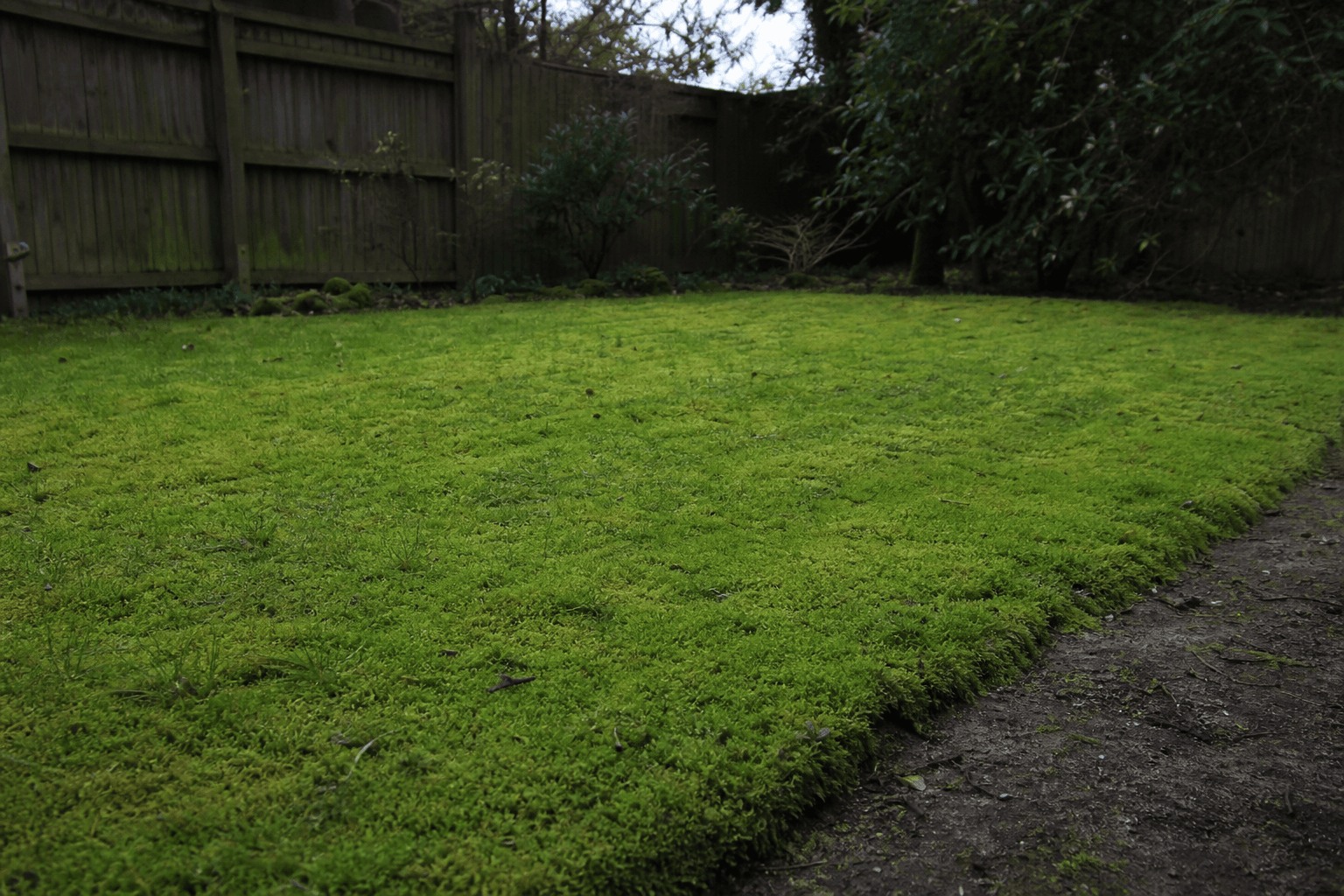
RHS moss in lawns guidance (rhs.org.uk, 2024) identifies four core causes: compacted soil, wet ground, low pH, and low light. Almost every shaded UK back lawn has at least two of these.
How to identify
Moss is spongy underfoot, low-growing, and forms a dense green carpet between grass blades. After winter, it's often the only thing still green.
Why
Heavy clay soils, poor drainage, soil pH below 6.0, and shade from boundary fencing or trees all favour moss. Mowing too short (under 25mm) makes it worse.
How to fix
Scarify in September or October with a manual or electric scarifier (£60 to £150 at B&Q or Argos). Aerate with a hollow-tine fork. Test soil pH with a kit from Homebase (£8) and apply garden lime if below 6.0. Westland Lawn Sand at Wickes (around £10) is the traditional autumn fix. See when to scarify your lawn for timing.
Also worth checking your boundaries. Moss creeping onto adjacent driveways and paving guide usually means drainage is the underlying issue across the whole plot.
Cost
DIY £30 to £80. Pro lawn renovation £300 to £700.
Cause #6: Red thread fungus
Red thread is one of the most common UK turf diseases and almost always signals a nitrogen-deficient lawn, per Lawn Association guidance.
How to identify
Pink to coral-red threads on grass blades, irregular bleached or pinkish patches usually 5 to 25cm across, appearing July to October in humid spells.
Why
Low soil nitrogen plus humid, damp weather is the trigger. Mature lawns that haven't been fed for a season are most at risk.
How to fix
Apply an autumn lawn feed (Miracle-Gro Autumn Lawn Care, Westland Aftercut Autumn) from B&Q for £15 to £25. Mow regularly with the grass box on, removing infected clippings. Fungicide is rarely justified.
Cost
DIY £15 to £30 in fertiliser.
Red thread is one of the few lawn problems where feeding more fixes it without scarifying or watering. It's a confidence-builder fault: visible, alarming, easy to fix.
Learn more about Garden clearance
Browse how we deliver Garden clearance and the questions homeowners ask most often.
Cause #7: Compaction (foot traffic / play areas)
Compaction is invisible until it isn't, and it underlies a lot of "mystery" yellow patches and moss problems.
How to identify
Worn lines along regular walking routes, water pooling after rain, hard ground that a fork struggles to penetrate. Stick a screwdriver in. If it stops at 5cm, you're compacted.
Fix
Hollow-tine aeration every two to three years. Hire a powered aerator for £30 to £50 a day at HSS or Brandon Hire. Topdress with a sand-loam mix afterwards to keep the holes open.
Cost
DIY aerator hire £30 to £50 per day. Pro aeration £200 to £500 for an average UK garden.
Cause #8: Ash dieback / OPM (boundary/overhanging trees)
This is the notifiable category. Ash dieback (Hymenoscyphus fraxineus) and oak processionary moth (Thaumetopoea processionea) are both regulated under the Plant Health (England) Order 2015.
How to identify
Ash trees with dead crown branches, blackened leaves, and diamond-shaped lesions on stems. Oaks with silken white caterpillar nests on trunks or branches, often head-height or higher.
Why
Both are introduced pathogens spreading across England since the 2010s.
Fix
Notifiable. Report to Forestry Commission TreeAlert. Do not move infected wood. Tree removal must be done by an Arboricultural Association-registered tree surgeon under the regulations.
Cost
Free to report. Tree removal costs £400 to £2,500 depending on size, access, and disposal.
| Cause | Telltale sign | DIY cost | Pro cost |
|---|---|---|---|
| Leatherjackets | Yellow patches + starlings pecking | £20–£40 | £200–£600 |
| Toadstools / fairy ring | Mushrooms or dark green ring | £0–£20 | £15–£40/m² returf |
| Dog urine burn | Round patch with green halo | £8–£15 | n/a |
| Drought | Whole-lawn straw colour | £0 | £100–£300 |
| Moss | Spongy underfoot | £30–£80 | £300–£700 |
| Red thread | Pink threads on blades | £15–£30 | rarely needed |
| Compaction | Pooling water + worn lines | £30–£50 hire | £200–£500 |
| Ash dieback / OPM | Crown dieback / silken nests | Free to report | £400–£2,500 removal |
Thinking about Lawn Mowing?
Share your postcode and job details for a no-obligation quote.
How to figure out WHICH cause you have (diagnostic flowchart)
Work through these eight questions in order. The first "yes" usually identifies the dominant problem.
- Are there toadstools or a darker green ring on the lawn? Cause #2 (toadstools / fairy ring).
- Are there yellow patches plus birds pecking in flocks? Cause #1 (leatherjackets lawn).
- Is it spongy underfoot with low-growing green carpet between blades? Cause #5 (moss).
- Are there pink or red threads on the grass blades? Cause #6 (red thread).
- Are there small round patches near dog access points? Cause #3 (dog urine).
- Has the whole lawn yellowed during a heatwave? Cause #4 (drought).
- Are there worn lines or water pooling after rain? Cause #7 (compaction).
- Are nearby ash or oak trees declining or carrying silken nests? Cause #8 (notify TreeAlert).
What you'll need to investigate safely
- Spade or half-moon edger for a 30cm turf peel-back.
- Magnifying glass or phone macro for spotting larvae and fungal threads.
- Gardening gloves and a sample bag (zip-lock freezer bag works).
- A screwdriver to test compaction depth.
- Soil pH test kit from Homebase or RHS Direct.
Safety note. Do not touch oak processionary moth caterpillars or nests under any circumstances. HSE confirms the hairs cause skin rashes and respiratory irritation. Report suspect nests; don't poke them.
Check scope and pricing for Garden clearance
Compare options, add-ons, and what affects the final price before you commit.
When the diagnosis is beyond DIY
Call a vetted gardener if you see any of these:
- Patches expanding faster than they recover.
- Multiple symptoms at once (yellow patches plus toadstools plus moss).
- Suspected notifiable disease nearby.
- Full-lawn yellowing not improving after two weeks of rain.
- Recurring annual problem in the same spot.
- Expensive lawn under two years old (the returf cost is high enough to justify a pro diagnosis first).
How to describe the problem to a tradesperson (so they don't overcharge)
The right phrase saves you £100. Try how to hire a gardener and use specifics:
- "Yellow patches with starlings pecking" tells a gardener: leatherjackets.
- "Ring of darker green grass" tells them: fairy ring.
- "Pink thread on the blades" tells them: red thread fungus.
- "Spongy underfoot, dense green carpet between blades" tells them: moss and compaction.
Take three photos before the quote: a top-down shot at midday, a close-up of any larvae or fungus with a ruler for scale, and a wider shot showing the affected percentage of the lawn. Measure thatch depth by pushing a kitchen knife in vertically.
Need help with Lawn Mowing?
Tell us about your job and we will match you with the right professional for Lawn Mowing.
How Taskino's pros diagnose this
Diagnosing a lawn is half the job; doing it before you spend £200 on the wrong cure is the other half. Taskino matches you with a vetted local gardener who'll peel back a 30cm test square, identify what's actually going on, and quote a fix in writing, so you don't end up scarifying for a leatherjacket problem or feeding for a compaction one. Find a vetted gardener at Taskino lawn services.
The short version
Eight causes cover almost every UK lawn problem you'll see between March and November. Leatherjackets and moss are the two heavyweights; dog urine, drought, red thread, and compaction handle most of the rest. Toadstools are usually cosmetic. Ash dieback and OPM are the only two that bypass the DIY workflow and go straight to Forestry Commission TreeAlert. Diagnose first, photograph the symptom, peel back a test square, and only then reach for a product. The wrong fix on the wrong cause is the most expensive lawn mistake UK homeowners make.
Explore our Garden clearance service
See what is included, typical timings, and what to prepare before you book.
Sources
- RHS Leatherjackets guidance: https://www.rhs.org.uk/biodiversity/leatherjackets (RHS, 2024)
- RHS Fairy rings guidance: https://www.rhs.org.uk/biodiversity/fairy-rings (RHS, 2024)
- RHS Moss in lawns: https://www.rhs.org.uk/lawns/moss (RHS, 2024)
- Plant Health (England) Order 2015: https://www.legislation.gov.uk/uksi/2015/1827/contents/made (legislation.gov.uk, 2015)
- HSE oak processionary moth: https://www.hse.gov.uk/pesticides/oak-processionary-moth.htm (HSE, 2024)
- Forestry Commission TreeAlert: https://treealert.forestresearch.gov.uk/ (Forest Research, 2024)
- UK Pet Food pet population statistics: https://www.ukpetfood.org/information-centre/statistics/uk-pet-population.html (UK Pet Food, 2024)
- Met Office 2022 heatwave: https://www.metoffice.gov.uk/about-us/news-and-media/media-centre/weather-and-climate-news/2022/red-extreme-heat-warning-issued (Met Office, 2022)
Frequently asked questions: Why Does Your Lawn Get Leatherjackets, Toadstools or Yellow Patches? 8 Causes Explained for UK Homeowners
Short answers to common questions about this topic.
Our team will answer all your questions. we ensure a quick response.
Contact UsRelated posts
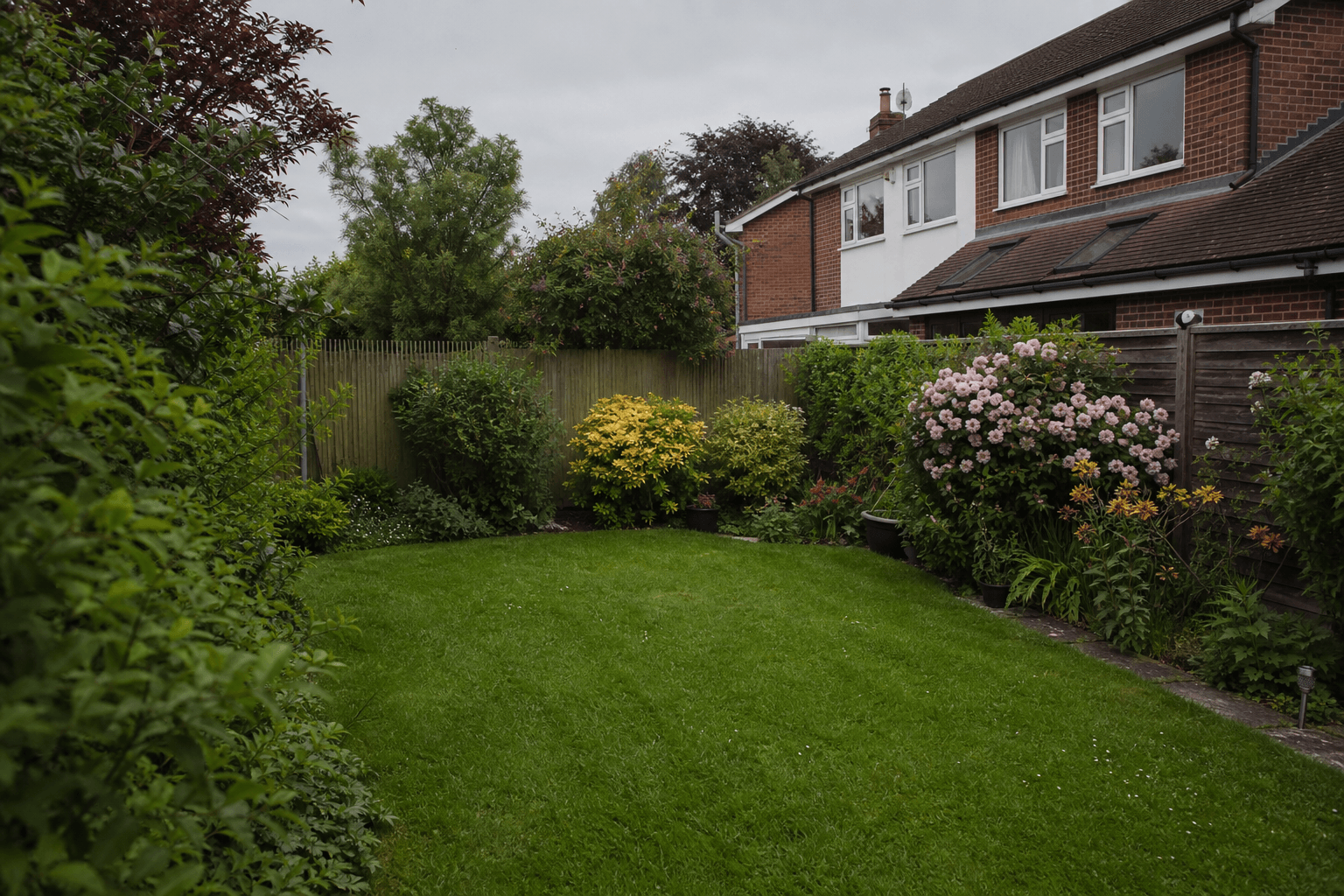
UK 2026 garden maintenance guide: gardener hourly rates £20-£45, legal hedge-cutting calendar (bird nesting), DIY lawn care and how to hire a BALI/APL pro.
UK lawn calendar 2026: scarify Sep-Oct, feed Mar-Apr, treat leatherjackets Aug, plus the humane fix for cat-pooping problems.
UK 2026 gardener prices: hourly rates £20-£45 regional, £35-£75 London, day rates £150-£250 - plus hedge, tree and turf job costs.
Latest in Outdoor Services
View all in this category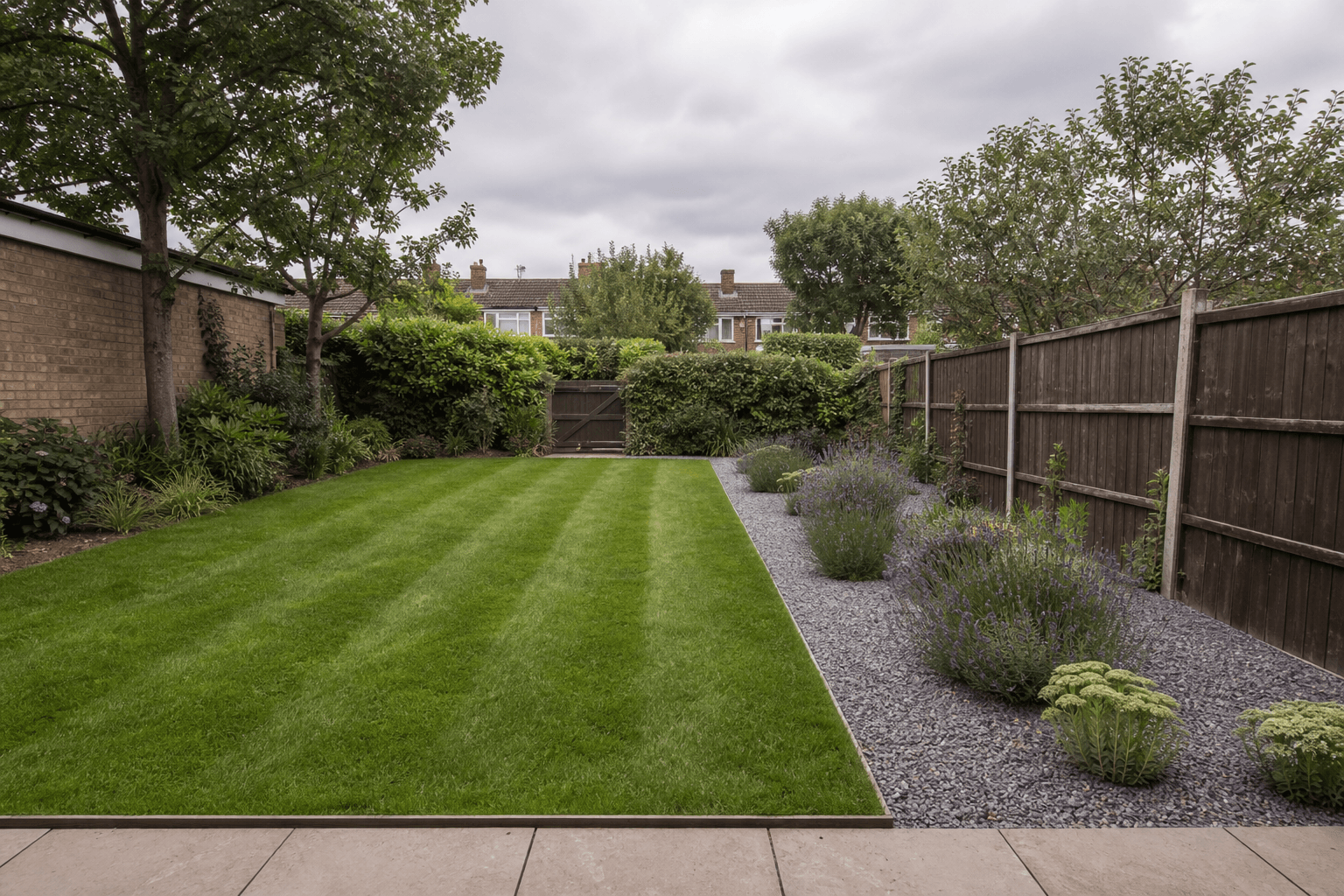
Compare real lawn, artificial grass and gravel for UK gardens: 10-year cost, climate fit, resale impact and which actually saves you time.
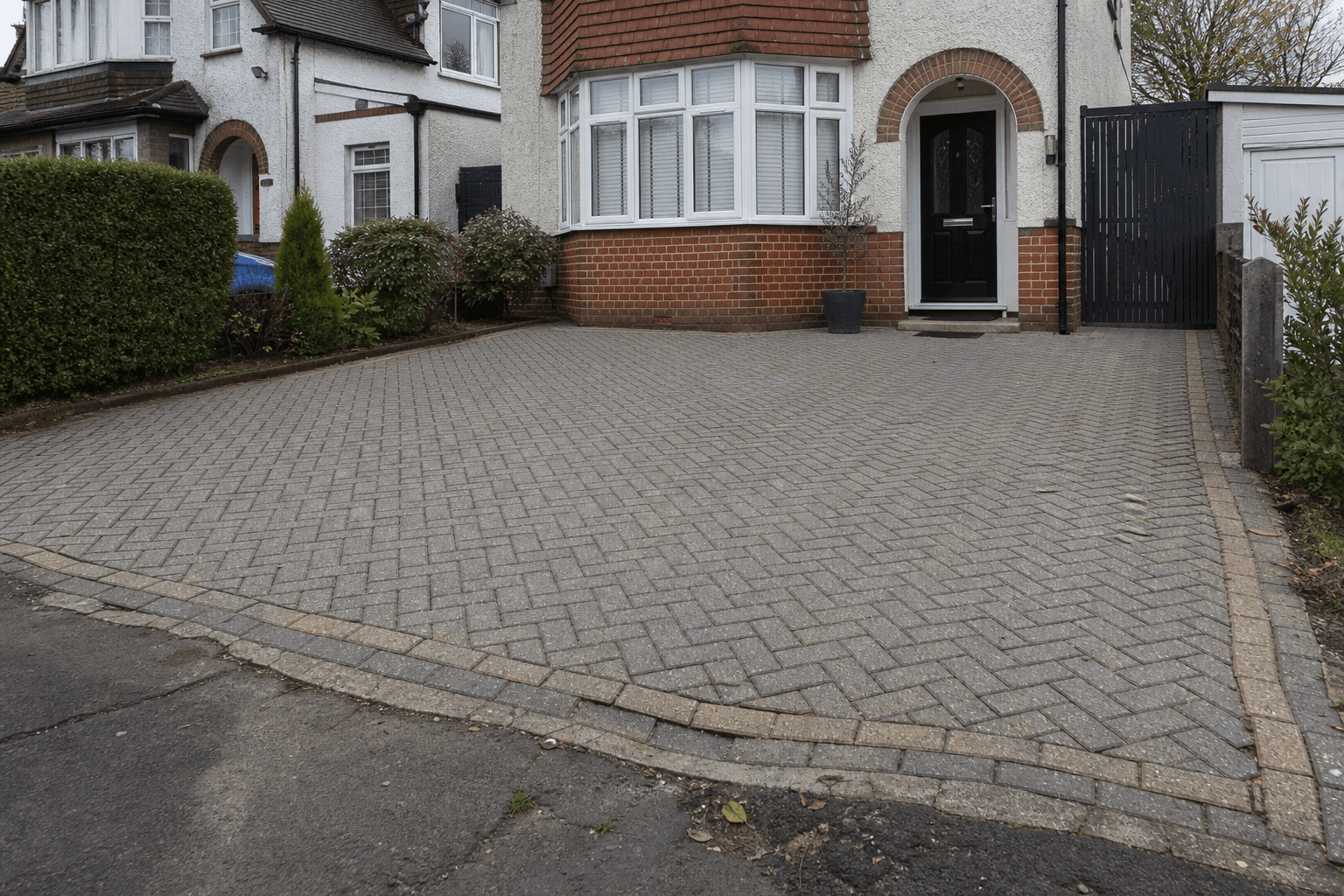
The 11 block paving driveway mistakes UK homeowners make in 2026, from missed edging to wrong sand, and how to avoid each one before it costs you.
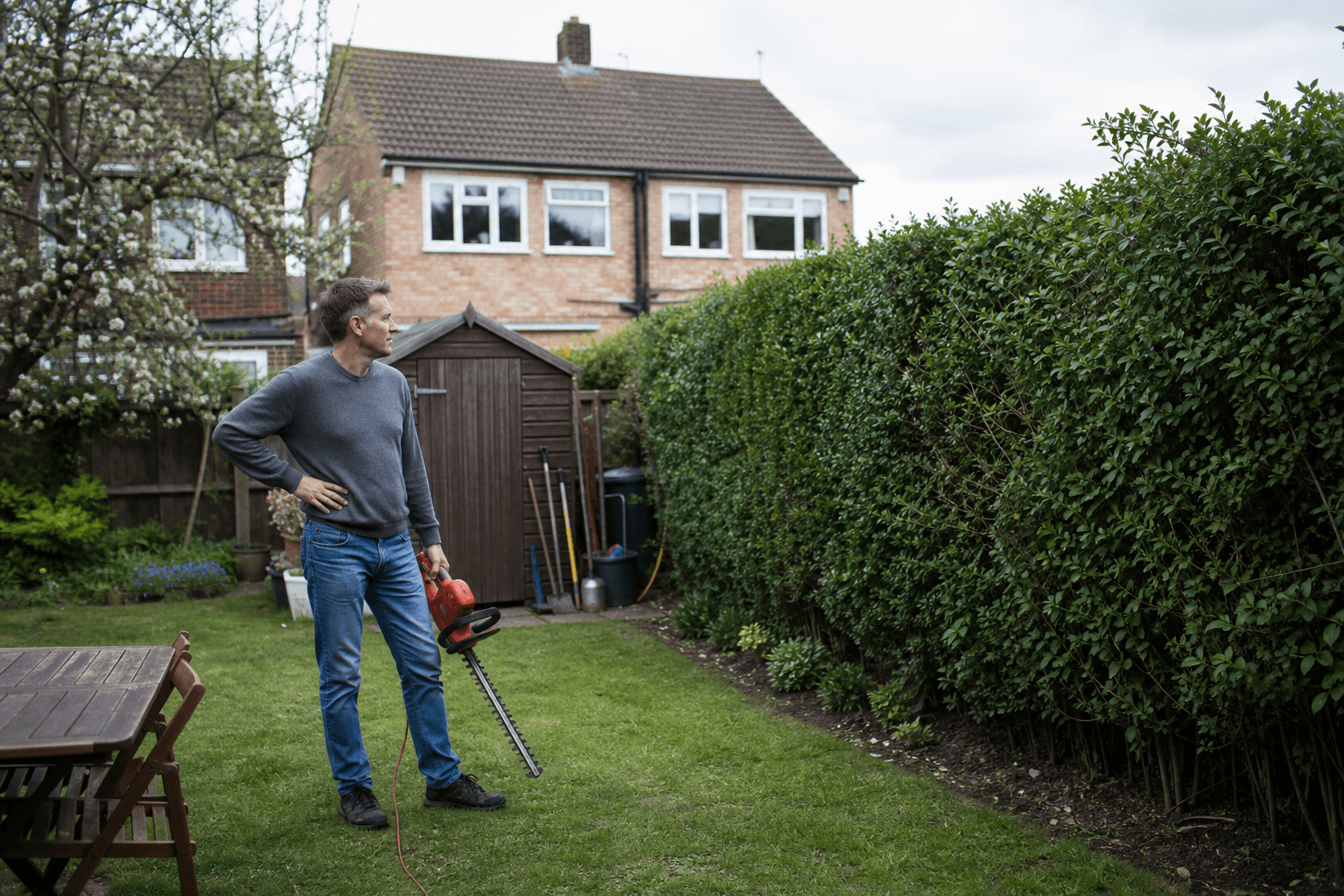
UK garden mistakes that cost real money: illegal hedge cutting, wrong-season scarifying, over-fertilising. Fix each one, save up to £1,200/year.
Related services
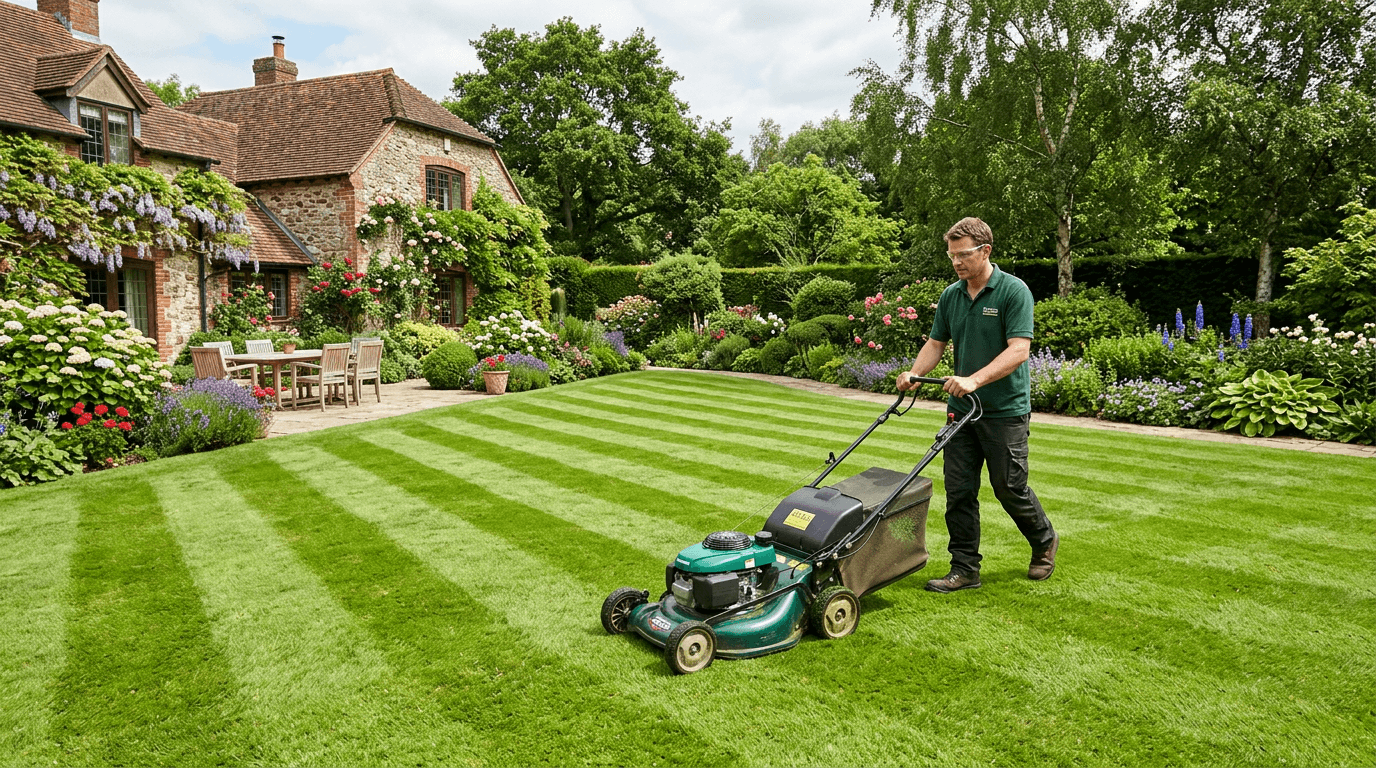
Neat lawns without the mower hassle. Taskino arranges professional lawn mowing with insured gardeners who arrive fully equipped, give clear quotes and leave edges trimmed and clippings tidied when agreed.
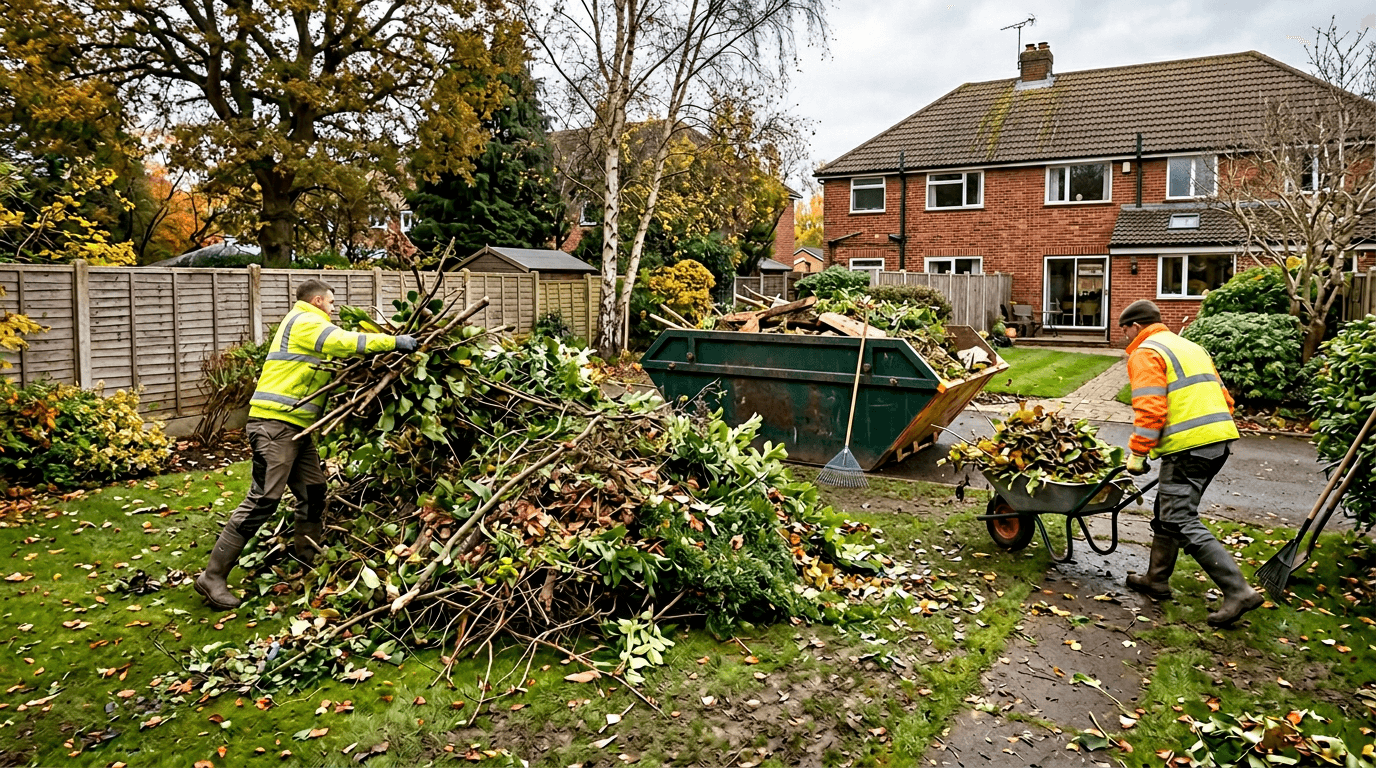
Garden clearance across the UK: green waste, soil, rubble and project leftovers removed by licensed crews. Clear quotes, complete clear-up, no hidden fees. Contact us for a tailored quote.
Ready to Book Your Service?
Tell us what you need and our team will help you find the right professional quickly, with clear pricing and no hidden fees.