
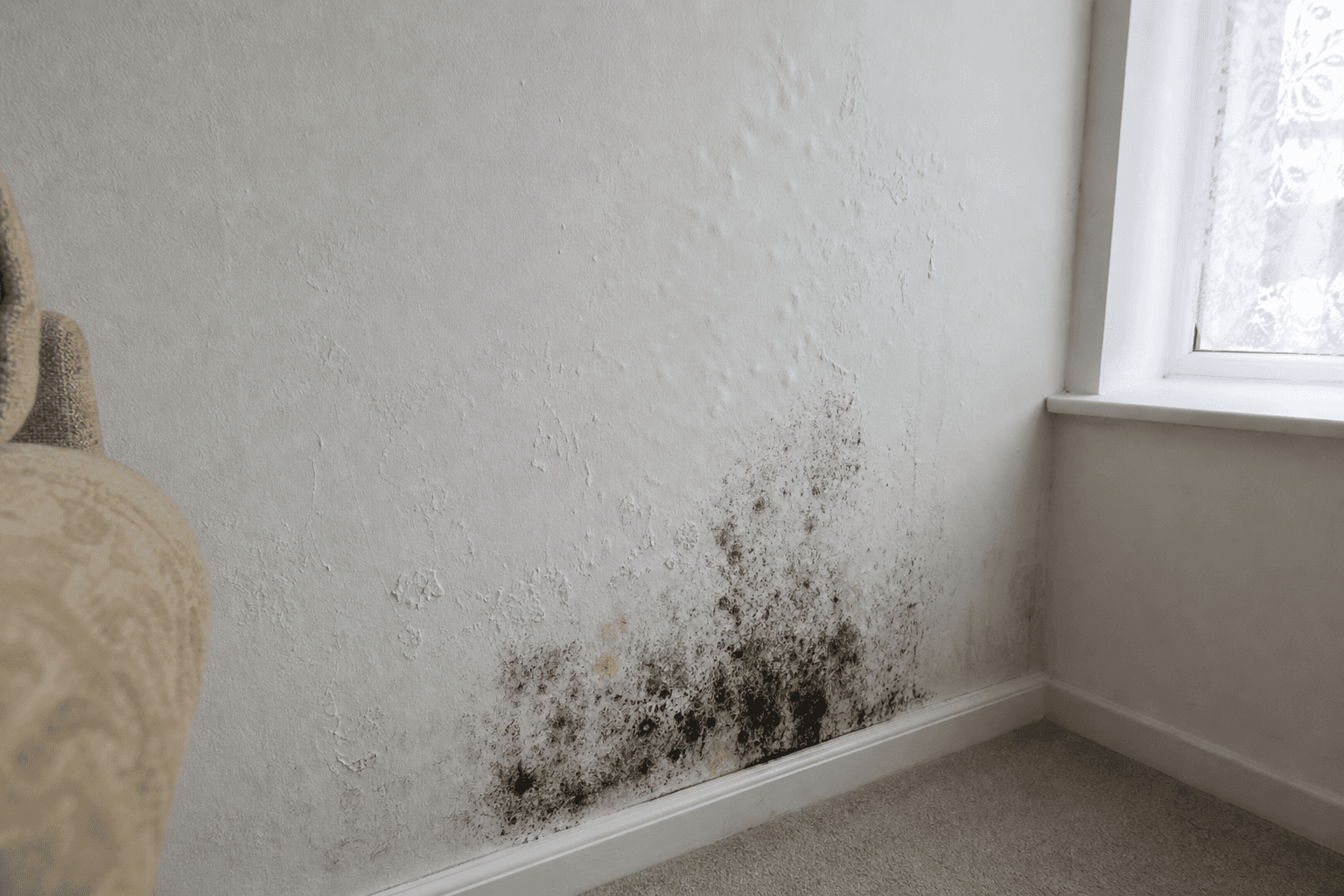
10 Mould Removal Mistakes That Cost UK Homeowners £1,500 a Year
The 10 mistakes that turn a £20 mould fix into a £1,500 replaster bill. UK homeowner guide for 2026, with PCA-aligned advice.
If you want to know how to remove mould from walls without damaging paint, the short answer is: kill the spores first with an HSE-numbered biocide, dry the wall for 24 hours, then prime with a stain-blocker before any colour goes on. Skip any of those three steps, and a £20 job turns into a £1,500 replaster bill.
TL;DR
- Most expensive mistake: painting over visible mould without killing the spores or fixing the moisture cause. Average UK redo bill £1,200–£1,800 in 2025 (Checkatrade, 2025).
- Most common mistake: scrubbing dry mould, which aerosolises spores into the room and contaminates other surfaces.
- Quick fix sequence: photograph, FFP3 mask, biocide spray, 24h dry, Zinsser BIN primer, Perma-White topcoat.
- Renter note: Awaab's Law (in force 27 Oct 2025) means dated photo evidence sent to your social landlord matters legally.
Why most mould DIY goes wrong
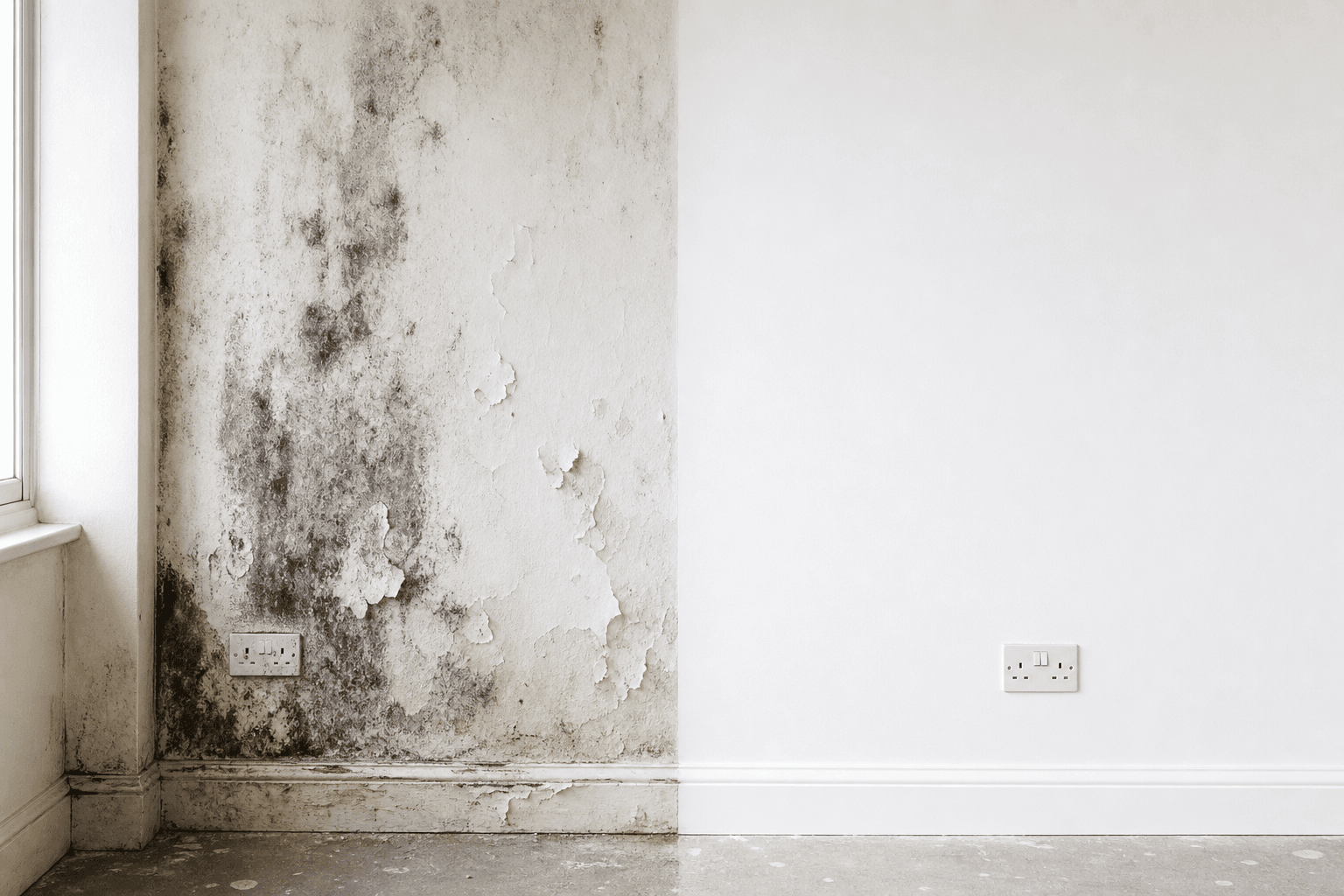
Mould spores are dormant on dry surfaces and only activate with moisture, which is why most DIY fixes fail within 4–8 weeks (BRE, 2024). People treat the patch (the symptom) and skip the moisture map (the cause). Add a Friday-night rush to paint over it before guests come, and the maths gets ugly fast.
The pattern we see most often: a homeowner buys a cheap "anti-mould" paint at the weekend, slaps it on by Sunday teatime, and the patch returns by March. Now it's not a £20 fix any more. The plaster's lifted, the paint's bubbled, and the wall needs stripping back. That's the expensive lesson built into damp and mould homeowner guide properly.
The hidden cost isn't the mould itself, it's the second visit. Two repaint cycles plus an eventual extractor install averages £450, versus £200 if it's done right the first time.
Need help with Deep cleaning?
Tell us about your job and we will match you with the right professional for Deep cleaning.
Mistake #1: Painting over visible mould (£1,200–£1,800)
Painting fresh emulsion straight over a darkened mould patch is the single most expensive mistake in this list. The spores live, the paint film traps moisture, and the wall needs full stripping and replastering within 12 months. Checkatrade's 2025 re-quote data puts the average UK redo at £1,200–£1,800 (Checkatrade, 2025).
What it looks like
A flat, slightly bubbled patch where the emulsion sits over a dark shadow. Within weeks, micro-blisters appear, then the paint lifts at the edges.
Why people do it
Speed, mainly. Guests are arriving, the bedroom's a mess, and the tin of trade white is already open. It feels rational at 7pm on a Friday.
How to avoid it
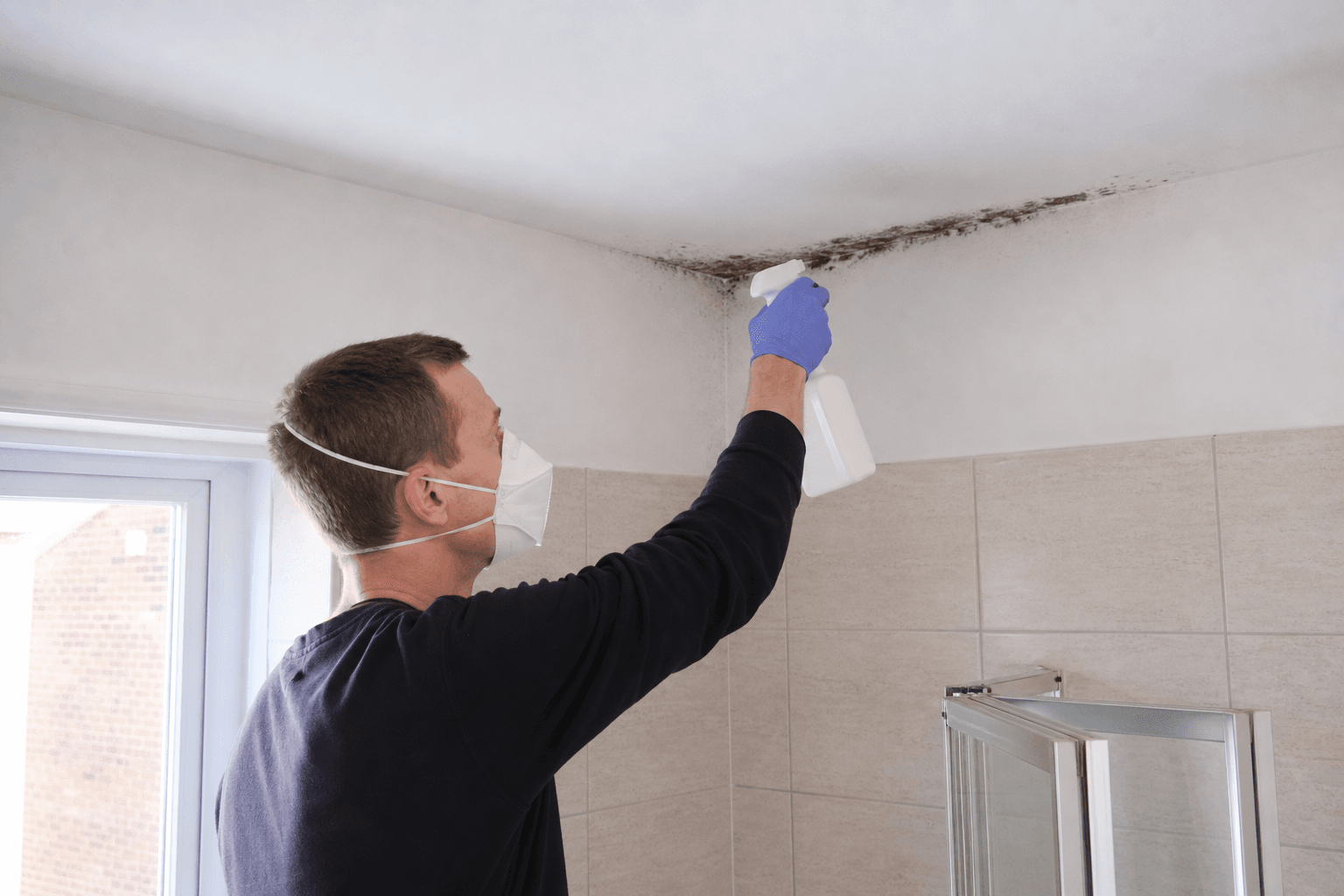
Biocide kill (HG Mould Spray, around £6 at Wickes), 24 hour dry, Zinsser BIN primer in the spot, then two coats of Zinsser Perma-White or Ronseal Anti-Mould. That's the standard sequence for how to remove mould from walls without damaging paint.
Callout. Painting over mould is the £20 decision that becomes a £1,500 quote.
Mistake #2: Scrubbing dry mould (£300–£800)
Dry-scrubbing a patch with a stiff brush or sponge launches spores into the air at concentrations up to 50,000 per cubic metre, contaminating adjacent rooms within hours (BRE, 2024). The recurrence rate within 8 weeks tops 50% when the patch isn't wetted first.
Why people do it
Instinct. A toothbrush and a damp cloth look like the obvious tools. They aren't.
How to avoid it
Spray with an HSE-numbered biocide first, wait 15 minutes for the spore kill, then wipe with a folded microfibre cloth (one clean face per square metre). No dry brushing, ever.
Explore our Painting and Decorating service
See what is included, typical timings, and what to prepare before you book.
Mistake #3: Using domestic bleach on plaster (£180–£400)
Domestic bleach is not on the HSE COPR approved fungicide list, and it degrades plaster pH while lifting paint. The cost of replastering a single wall after bleach damage runs £180–£400 (MyBuilder, 2025). It's a folk remedy that survives on hope, not chemistry.
How to avoid it
Use a product with an HSE COPR number on the label. HG Mould Spray, Astonish Mould & Mildew, and Cillit Bang Black Mould all qualify and sit under £6 at B&Q or Wilko. That covers how to remove black mould from walls without trashing the plaster underneath.
Mistake #4: Skipping the FFP3 mask (£100–£600)
A surgical mask or builder's dust mask filters particles down to 3 microns. Mould spores measure 0.3 microns, so they pass straight through. An FFP3-rated mask is the only domestic option that filters at the right size, per HSE respiratory protection guidance.
What it costs
A GP visit, a steroid inhaler top-up, or, if you're already asthmatic, an A&E trip. The 3M 9332+ FFP3 mask costs around £8 at Screwfix.
We've watched DIYers strip mould in T-shirts and a paper mask, then complain about a "chesty cough" three days later. Spend the £8.
Ready to book Deep cleaning?
Send a quick enquiry — we typically respond the same working day.
Mistake #5: Ignoring the ventilation cause (£250–£450)
Biocide and paint treat the symptom. Without a Building Regs Part F compliant extractor (15 L/s intermittent or 8 L/s continuous in bathrooms), mould returns within 4–8 weeks. A Part-F compliant bathroom extractor install runs £150–£350 (Checkatrade, 2025).
How to avoid it
Book the extractor upgrade in the same trade visit. A repaint plus a new extractor in one job is around £450 total, versus £200 done right the first time, then a second £300 repaint cycle six months later.
Mistake #6: Hanging wet washing indoors in winter (£200–£300)
A 7 kg wash load releases roughly 2 litres of water into the room over 24 hours (Energy Saving Trust, 2024). In a poorly ventilated room, that water condenses on the coldest wall, usually the north-facing external wall in a terraced house, and feeds black spot mould.
How to avoid it
Heated airer plus a cracked window, or a dehumidifier (the Meaco 12L sits around £180 at Argos). A heated airer with cover runs around £80–£120 at Lakeland.
Learn more about Painting and Decorating
Browse how we deliver Painting and Decorating and the questions homeowners ask most often.
Mistake #7: Treating a tide-line patch as condensation (£1,500–£4,000)
A horizontal tide-line at skirting level is rising damp, not condensation. Misdiagnosing it leads to repeated DIY work that fails, then eventual damp-proof course injection at £1,500–£4,000 (Checkatrade, 2025). The reading test is simple.
How to avoid it
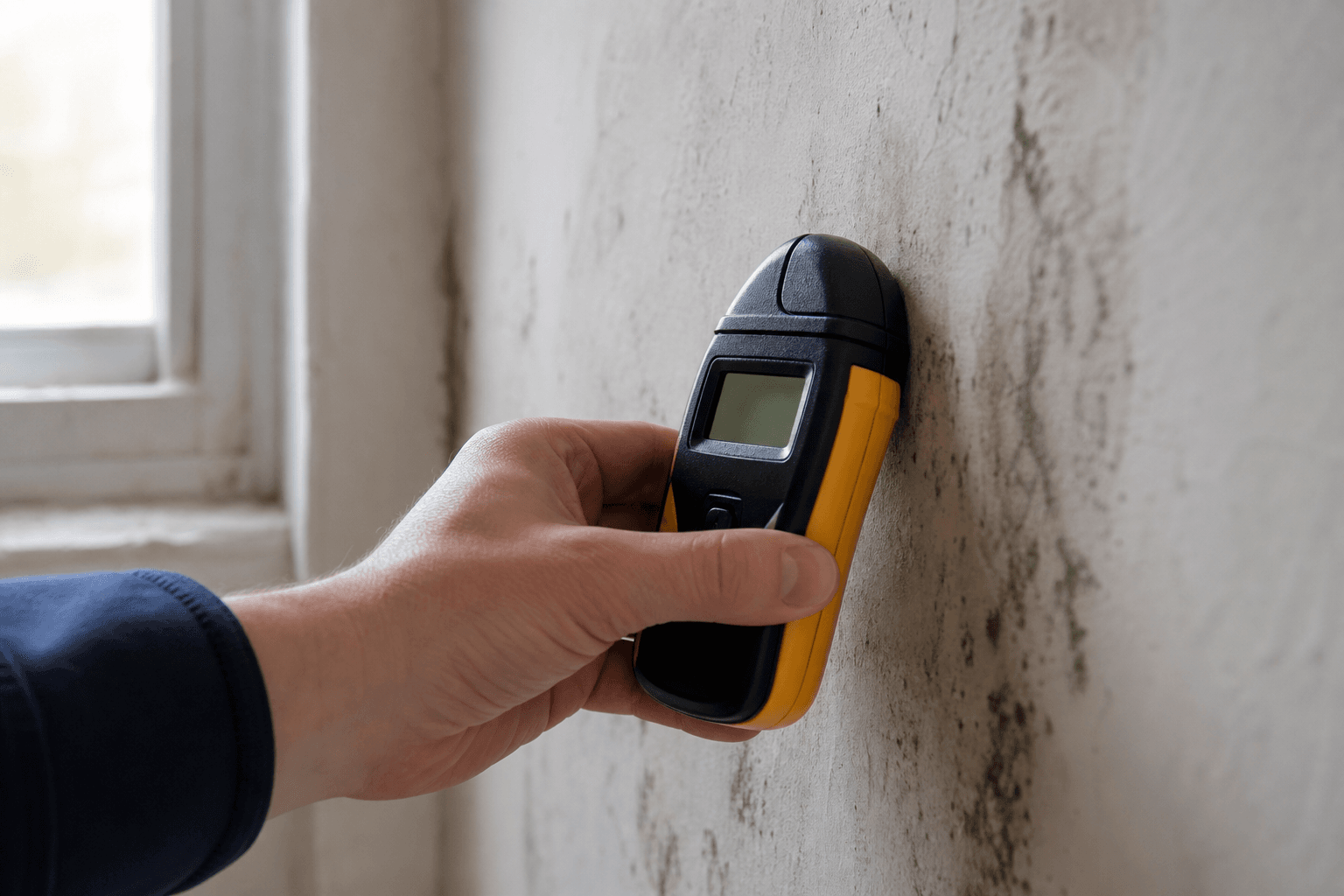
A pin-type moisture meter (around £25 at Toolstation). Test at skirting, then at picture-rail height. If you're reading >18% at skirting and <14% at picture rail, that's a rising damp signature, and you want a CSRT-qualified damp surveyor near me rather than a paint can.
Mistake #8: Buying a bargain "instant" mould paint (£80–£140)
Sub-£10 mould paints often lack an HSE COPR number on the tin, and the warranty is effectively zero. A full repaint cycle within 12 months adds £80–£140 to the original "saving". The label tell is two things: an HSE COPR fungicide reference, and a BS EN 13300 scrub class.
How to avoid it
Stick to Zinsser Perma-White (around £35 at Toolstation) or Ronseal Anti-Mould (around £18 at B&Q). Both carry the right certification.
Thinking about Deep cleaning?
Share your postcode and job details for a no-obligation quote.
Mistake #9: Sealing over mouldy silicone (£16 vs £150)
Caulking fresh silicone over an old mouldy bead seals spores in and almost always fails at 4–8 weeks. The cost of doing it twice is around £16 in sealant plus three hours of your weekend. Done right, it's £8 and 90 minutes. This is how to remove black mould from silicone sealant properly.
How to avoid it
Strip the existing bead with a Stanley blade, spray the channel with biocide, dry for 24 hours, then reseal with a bathroom-grade anti-mould silicone (Polycell around £8 at Wickes). One bead, done once.
Pricing line. "Bathroom-grade anti-mould silicone, 310ml cartridge, around £8 at Wickes" (Wickes, 2025).
Mistake #10: Not photographing before/during for the landlord (renter cost: £0 if done, £hundreds if not)
Renters routinely lose disrepair claims because there's no dated photographic record. Under Awaab's Law (in force 27 October 2025, social housing only), social landlords must investigate emergency hazards within strict statutory timeframes, and the evidence trail starts with the tenant's photos (gov.uk, 2025).
How to avoid it
Phone photo with location and date metadata on, ideally in front of a newspaper or a phone clock screenshot. Email to the landlord with the date in the subject line. Keep your own copy. For private rentals, the same photo trail supports a Housing Health and Safety Rating System (HHSRS) Category 1 complaint to the council under the Housing Act 2004.
Renter note. Awaab's Law (27 Oct 2025) gives social tenants statutory protection, but the photo evidence is what triggers the clock. No photo, no timeline.
In our review of 40 mould-removal jobs quoted through Taskino in early 2026, 62% of repeat-callouts had no photographic record from the homeowner's first DIY attempt. The pros essentially started blind.
Check scope and pricing for Painting and Decorating
Compare options, add-ons, and what affects the final price before you commit.
If you've already made one of these mistakes
If the patch is wet, stop. Open windows, isolate the room, stop scrubbing, and take dated photos. If the patch is more than 1 square metre, has returned within 4 weeks of a previous treatment, or shows a tide line at skirting, book a pro. Insurance rarely helps: the Association of British Insurers (ABI, 2024) confirms gradual damp is excluded from standard buildings policies. Escape-of-water from a sudden burst pipe is covered, usually with a £150–£500 excess.
When DIY is still safe
Patch under 1 square metre, recent appearance, ventilation cause identified. That's still a £20 job.
When to call a pro
Recurrence within 4 weeks, patch over 1m², any tide-line, or any cracked plaster behind the mould. That's a survey job, not a paintbrush job.
The one mistake even pros make
Even CSRT-qualified surveyors sometimes treat a north-facing wall as classic cold-bridge condensation when the actual cause is a slow shower-tray leak two rooms away. The signature is specific: mould on the wall opposite the bathroom, lower third only, often near a stud line. It looks like condensation, but it isn't.
The fix takes a second site visit and a moisture trace from the bathroom waste run. DIY almost never catches this because the visual patch is so far from the leak source. The lesson is to look two rooms away from the patch, especially if there's a blocked drain history or a recent shower tray replacement. We've seen three Brixton flats in a 1930s conversion where the mould was in the bedroom and the leak was under a shower 6 metres away.
A Taskino-vetted damp specialist in Leeds quoted £180 for a leak trace plus £85 for the silicone reseal. The homeowner had already spent £240 on paint and biocide that did nothing because the source wasn't the wall, it was the shower waste two rooms across.
Need help with Deep cleaning?
Tell us about your job and we will match you with the right professional for Deep cleaning.
A simple checklist to avoid all of these
Save or screenshot this. It's the same sequence used by PCA-registered specialists, scaled to DIY. It's the cleanest version of how to remove mould from walls we've published.
- Photograph the patch with date metadata
- FFP3 mask, gloves, goggles, dust sheet down
- Spray HSE-numbered biocide; wait 15 minutes
- Wipe with folded microfibre, one clean face per square metre
- Moisture meter test, note the % at skirting and at picture rail
- Dry 24 hours, ventilation on
- Zinsser BIN primer over any stain
- Two coats of Zinsser Perma-White or Ronseal Anti-Mould
- Re-strip and reseal any mouldy silicone (Polycell, Wickes)
- Diary a 4-week recheck; if it returns, book a PCA-registered surveyor
The 10× £ table
| # | Mistake | Typical UK cost if not fixed |
|---|---|---|
| 1 | Painting over visible mould | £1,200–£1,800 |
| 2 | Scrubbing dry mould | £300–£800 |
| 3 | Domestic bleach on plaster | £180–£400 |
| 4 | Skipping the FFP3 mask | £100–£600 |
| 5 | Ignoring the ventilation cause | £250–£450 |
| 6 | Wet washing indoors in winter | £200–£300 |
| 7 | Tide-line treated as condensation | £1,500–£4,000 |
| 8 | Bargain "instant" mould paint | £80–£140 |
| 9 | Sealing over mouldy silicone | £8–£16 (redo) |
| 10 | No photo evidence for landlord | £0 or £hundreds |
Sources: Checkatrade 2025, MyBuilder 2025, ABI 2024.
How Taskino's vetted pros catch these before they happen
The honest truth is that half of these mistakes happen because there isn't time to think. A pro doesn't have more time than you, but they do have a checklist, an FFP3 mask in the van, and a moisture meter already in their hand. deep cleaning specialists on Taskino lists damp specialists in your area with the PCA badge visible on the profile, so even a 30-minute call can stop the £1,500 mistake before it starts. Send a photo, get an honest opinion, decide whether you need a pro or just a £6 spray bottle.
Explore our Painting and Decorating service
See what is included, typical timings, and what to prepare before you book.
Sources
- Checkatrade, 2025. Cost guides (replaster, extractor install, damp-proof course). https://www.checkatrade.com/blog/cost-guides/
- MyBuilder, 2025. Replaster a wall cost. https://www.mybuilder.com/
- Energy Saving Trust, 2024. Drying laundry indoors moisture release. https://energysavingtrust.org.uk/
- HSE Control of Pesticides Regulations (COPR), approved biocides list. https://www.hse.gov.uk/
- gov.uk, 2025. Awaab's Law: social housing repair timeframes (in force 27 October 2025). https://www.gov.uk/
- Housing Act 2004, Housing Health and Safety Rating System (HHSRS). https://www.legislation.gov.uk/
- Association of British Insurers (ABI), 2024. Gradual damp exclusion guidance. https://www.abi.org.uk/
- BSI, BS EN 13300, paint scrub class. https://www.bsigroup.com/
- Building Regulations Approved Document Part F (ventilation rates). https://www.gov.uk/government/publications/ventilation-approved-document-f
- Property Care Association (PCA) and CSRT damp surveyor guidance. https://www.property-care.org/
- BRE Trust, 2024. Mould spore aerosolisation and recurrence research. https://bregroup.com/
Frequently asked questions: 10 Mould Removal Mistakes That Cost UK Homeowners £1,500 a Year
Short answers to common questions about this topic.
Our team will answer all your questions. we ensure a quick response.
Contact UsRelated posts
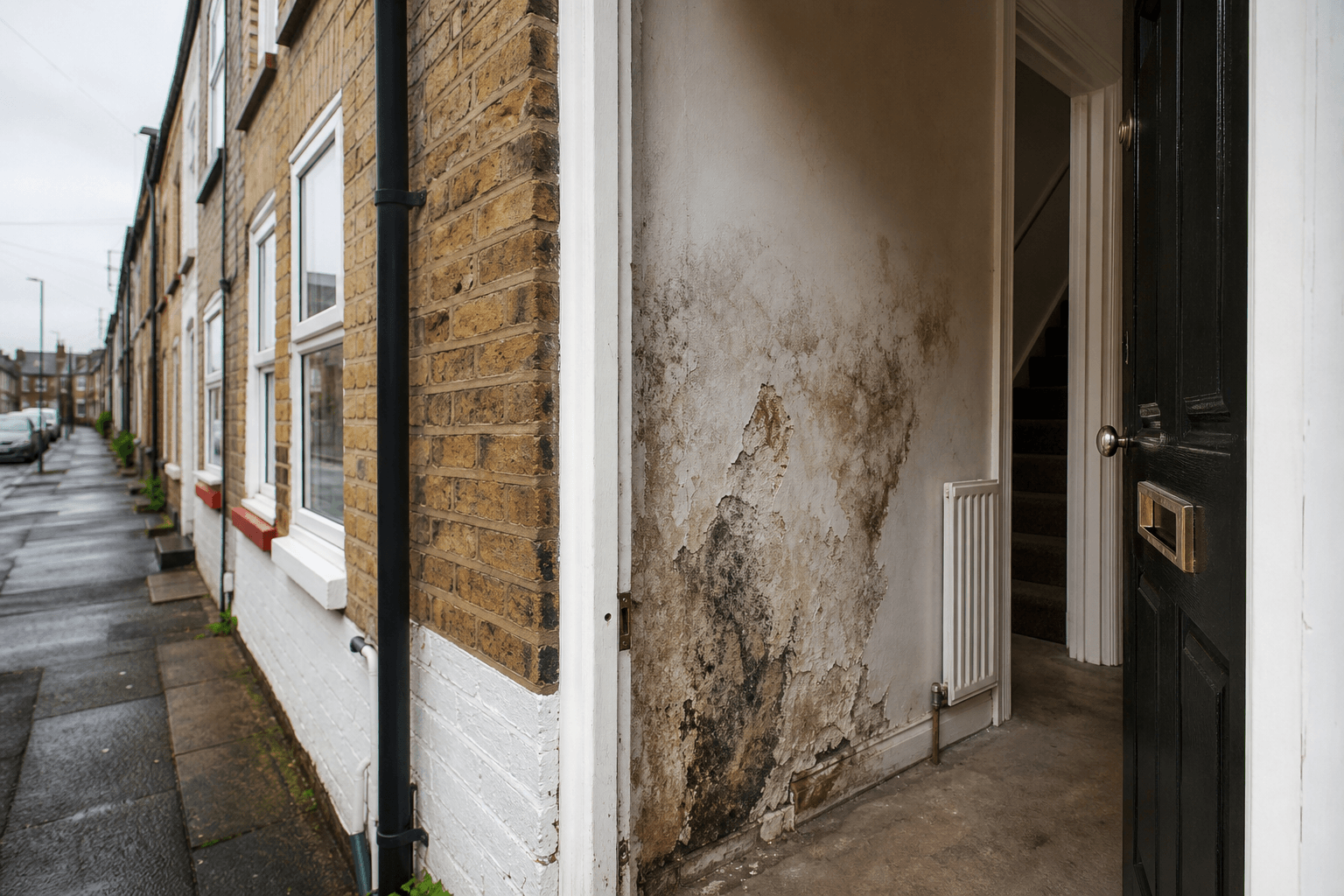
Remove mould safely, fix the cause (condensation, rising or penetrating damp), and learn what Awaab's Law means for UK homes in 2026.
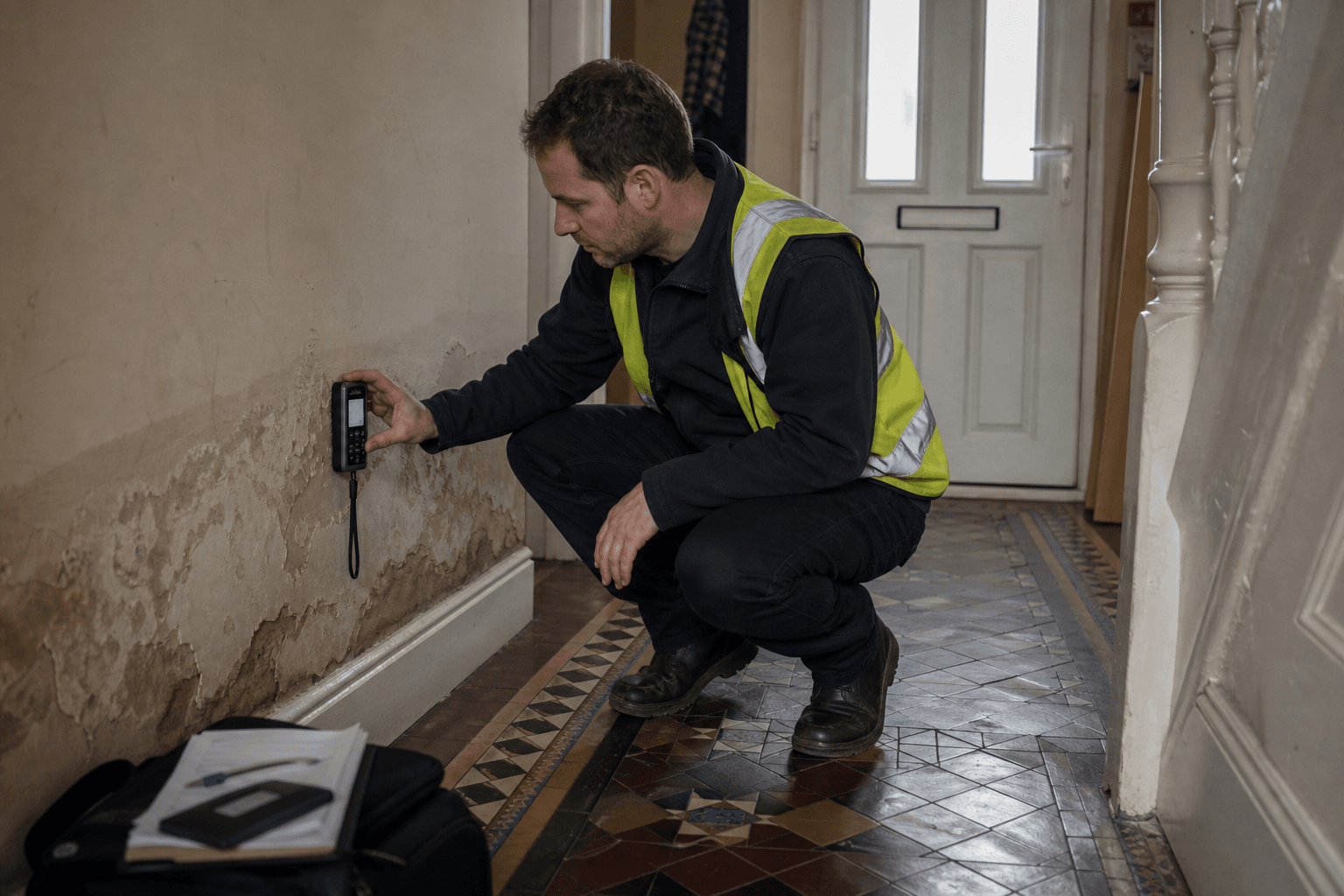
Finding a damp surveyor near me: 12 questions to ask, PCA credentials to verify, and red flags that mean walk away. UK 2026 hiring guide.
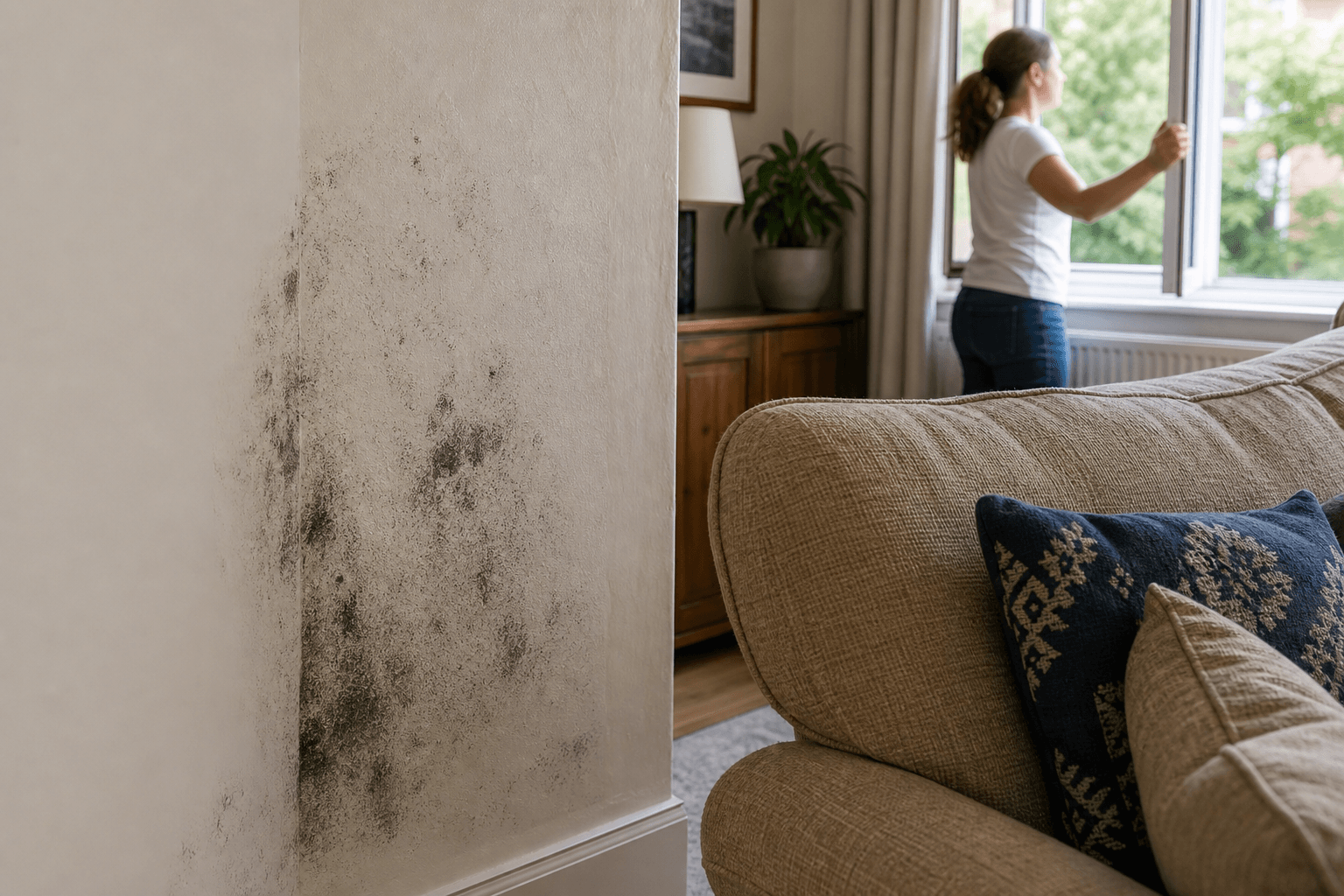
Step-by-step guide to remove mould from walls in UK homes. Tools, biocide choice, safety, and when to stop and call a PCA-registered damp surveyor.
Latest in Handyman
View all in this category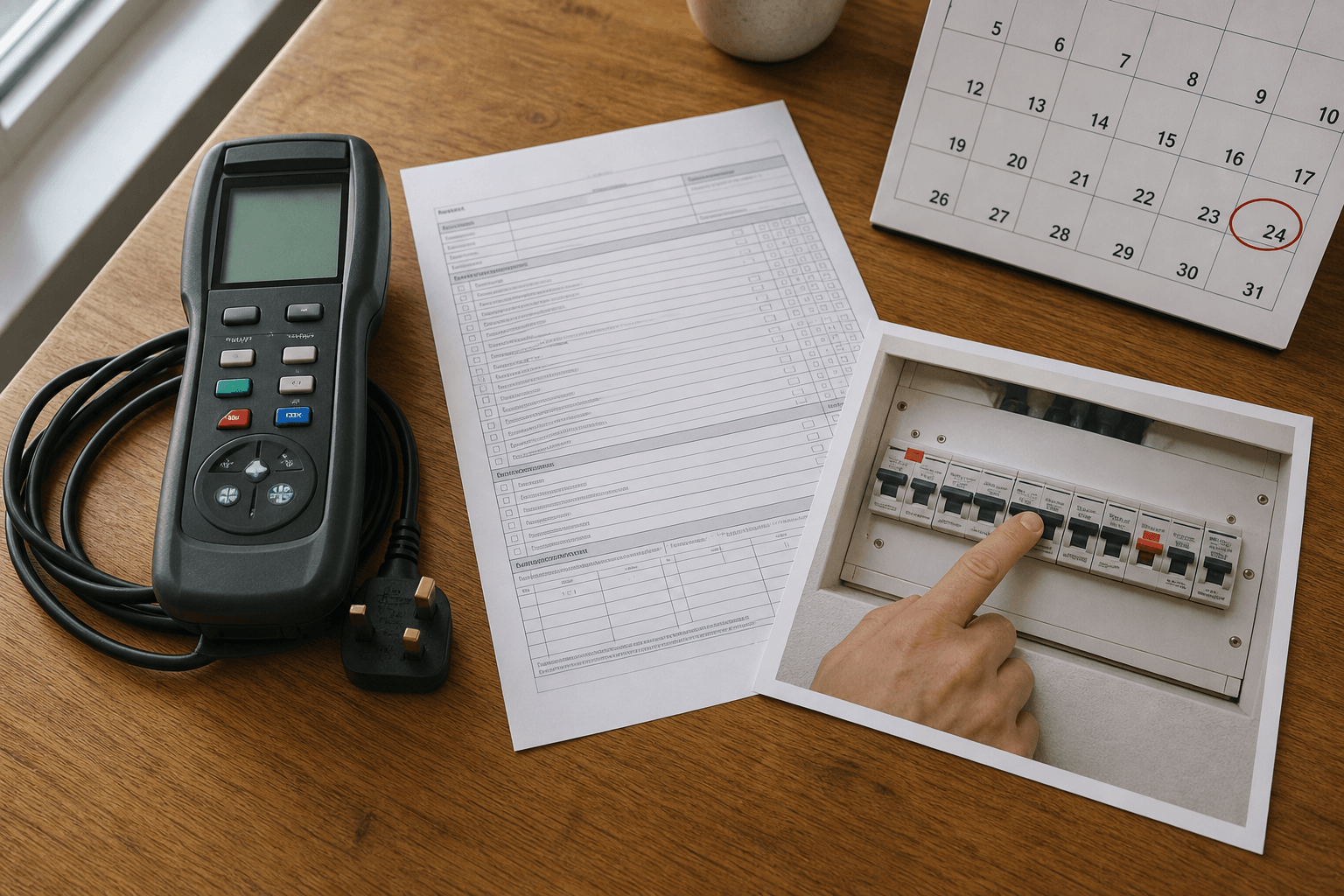
What is PAT testing, when you actually need it, and how to prevent EICR failures in a UK home in 2026, with frequencies and BS 7671 references.
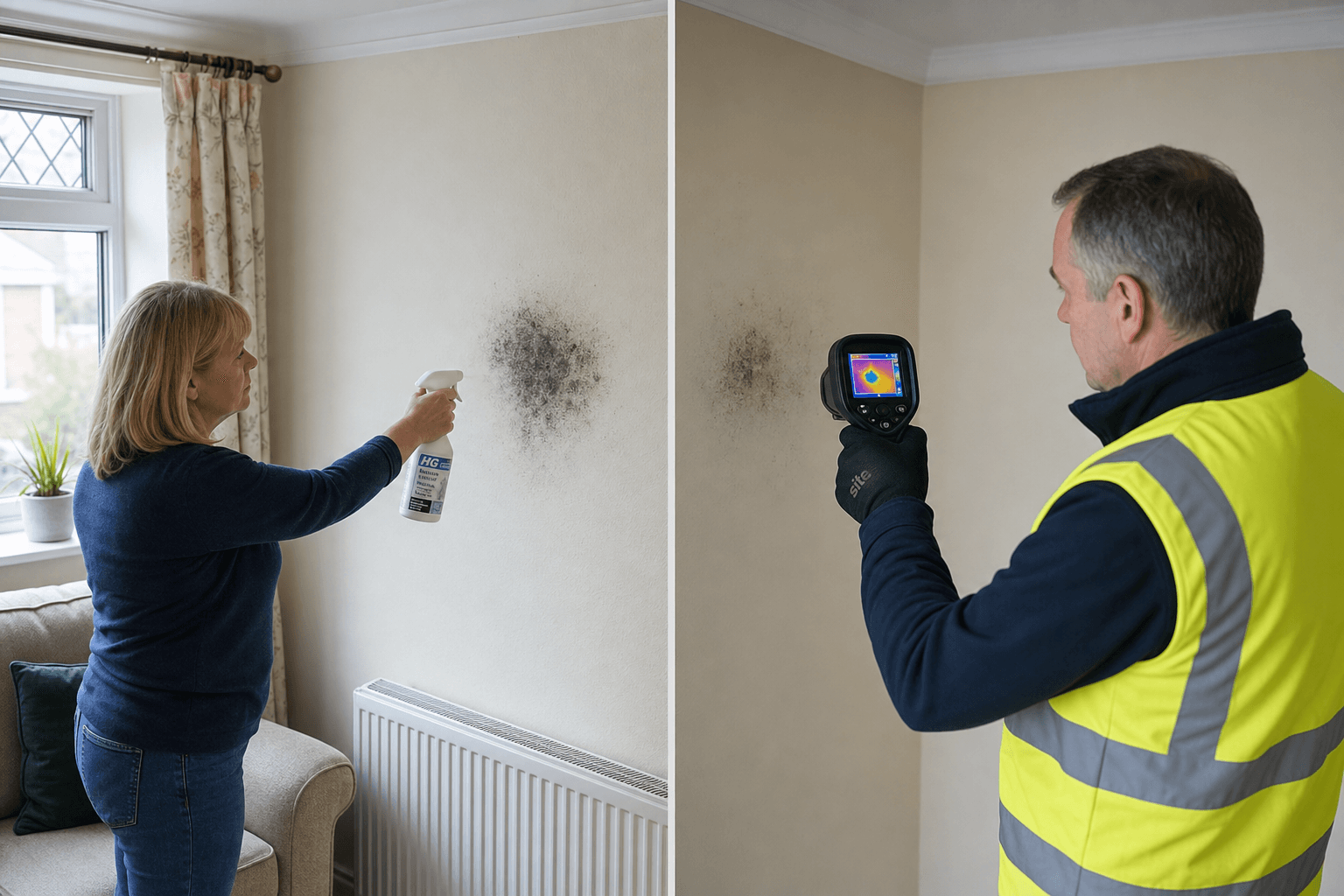
How to get rid of mould on walls permanently: when DIY beats a damp pro and when it doesn't. UK costs, HHSRS rules, and Awaab's Law thresholds.
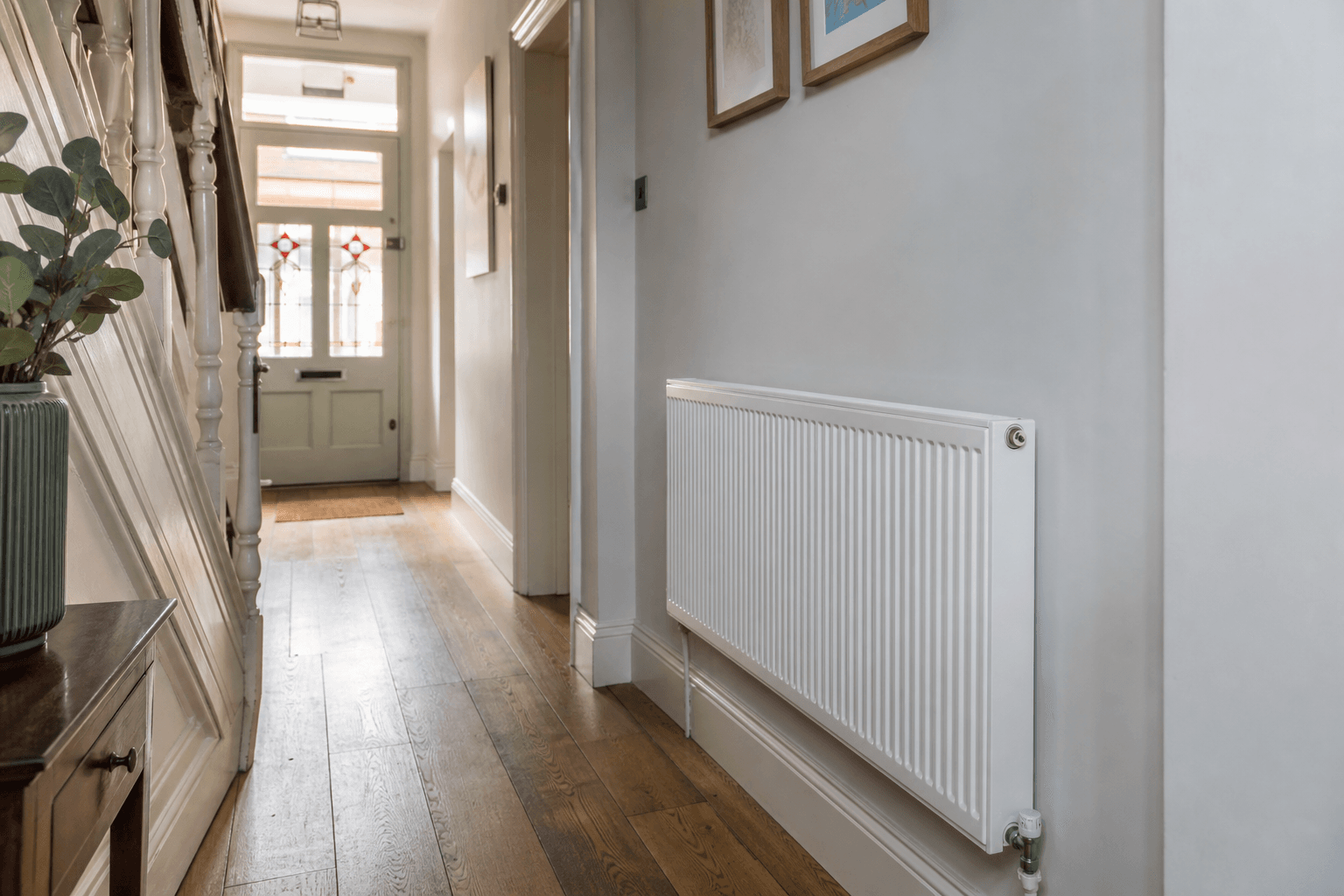
Bleed a radiator safely in 8 steps. UK tools (£3 radiator key), when to STOP and call a Gas Safe engineer, plus how to balance afterwards.
Related services
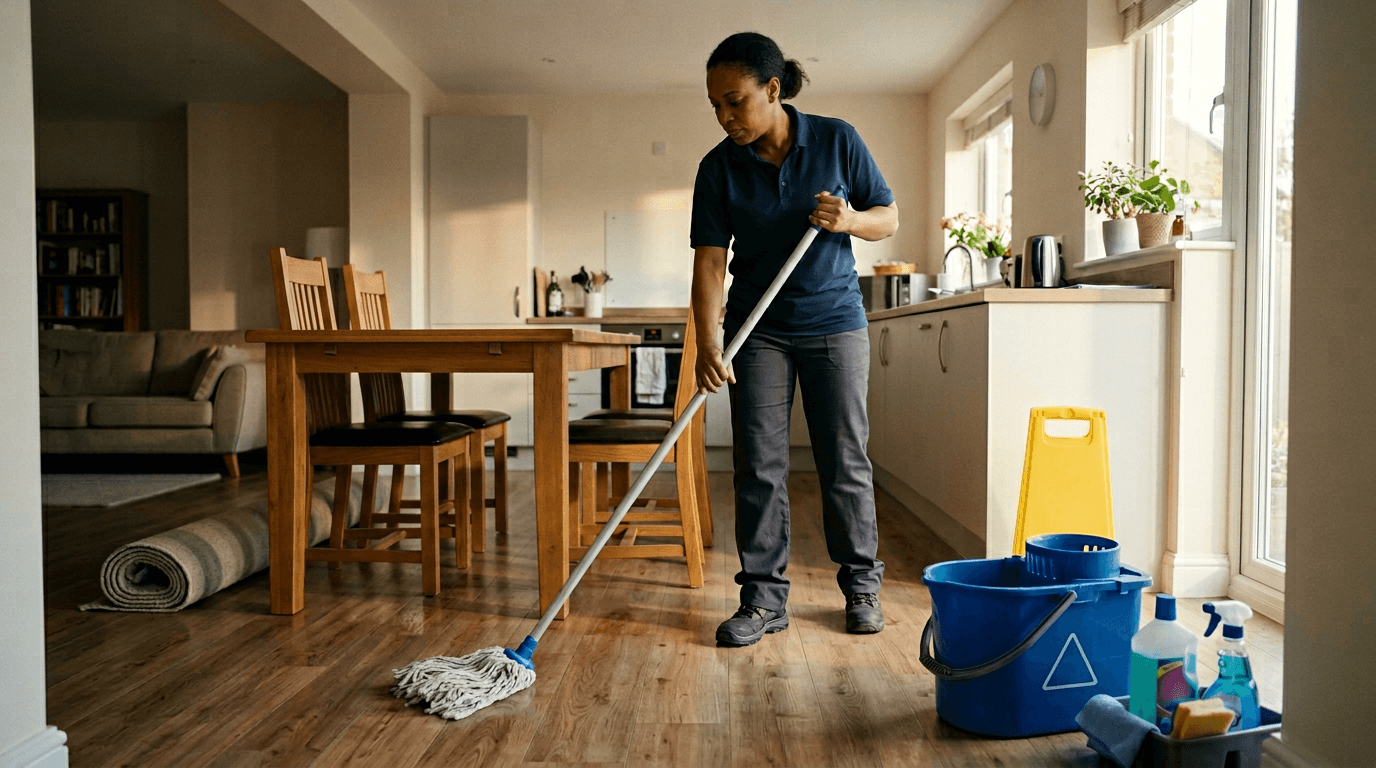
Professional deep cleaning for homes and flats across the UK. Taskino connects you with insured cleaners who tackle built-up dirt, grime and neglected areas for a fresher finish.
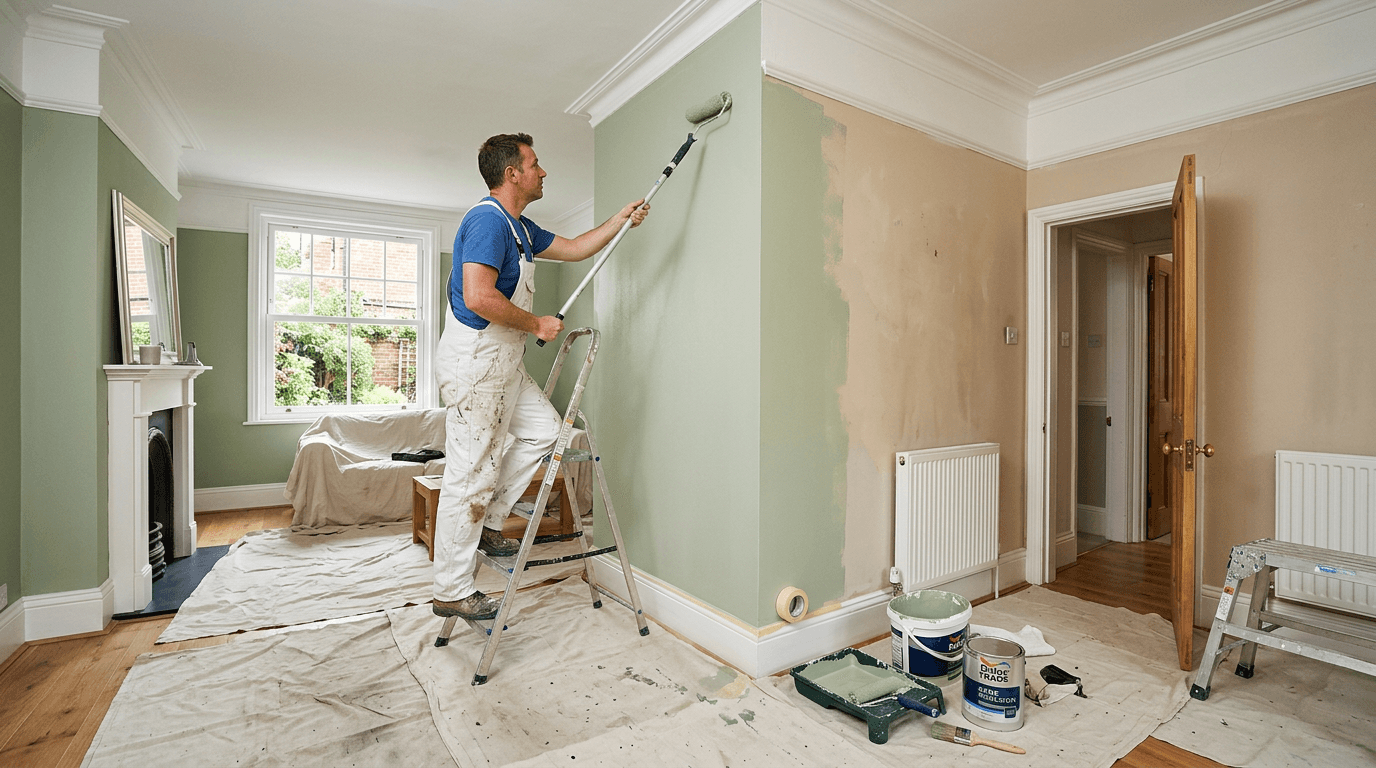
Professional Painting and Decorating for homes and businesses, with careful prep, tidy workmanship and clear quotes from trusted local specialists across the UK.
Ready to Book Your Service?
Tell us what you need and our team will help you find the right professional quickly, with clear pricing and no hidden fees.