
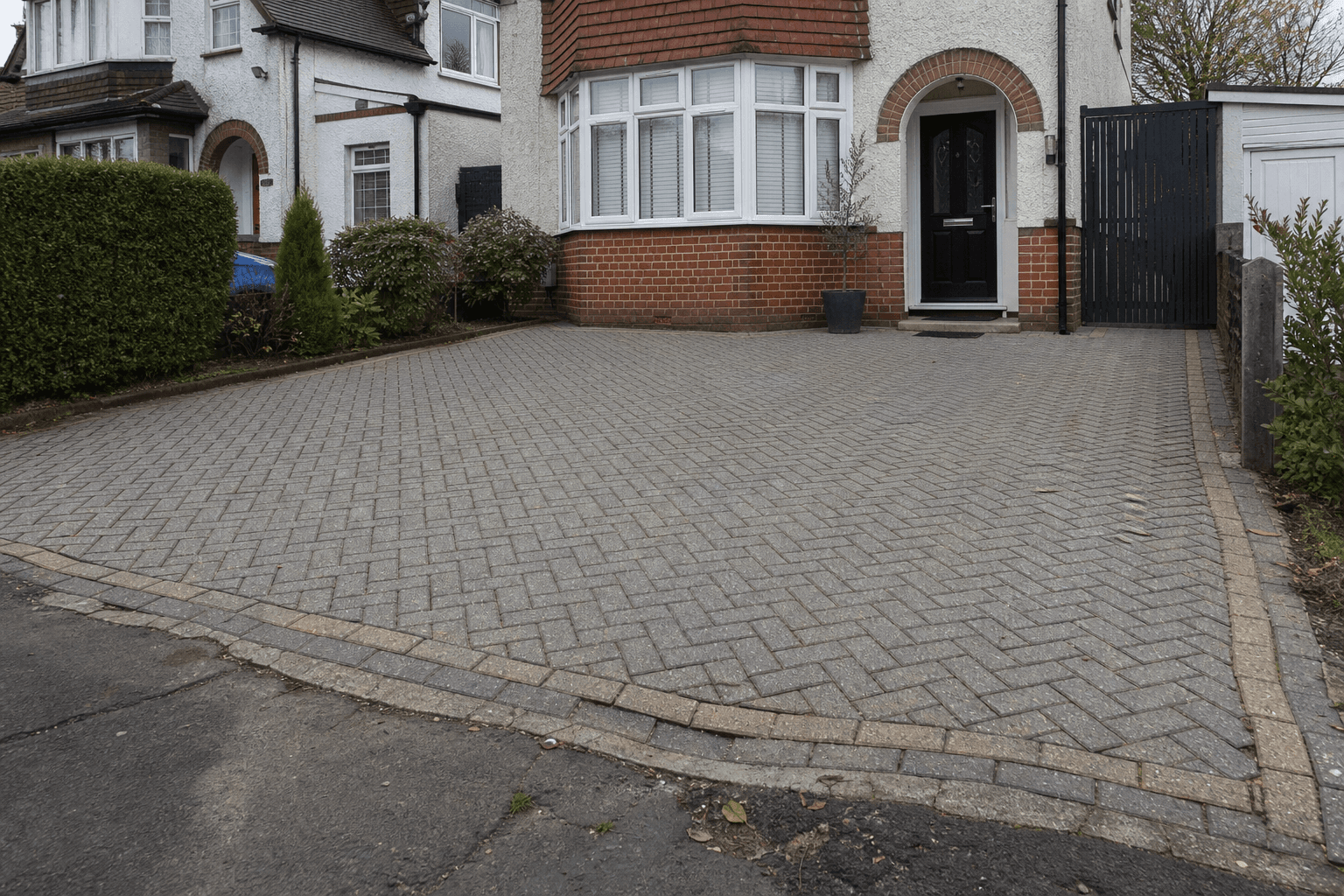
11 Block Paving Mistakes That Cost UK Homeowners £3,500 a Year
The 11 block paving driveway mistakes UK homeowners make in 2026, from missed edging to wrong sand, and how to avoid each one before it costs you.
Most block paving driveway failures in the UK trace back to eleven specific mistakes, and the most expensive (skipping a proper MOT Type 1 sub-base) can land you with a £1,750–£2,750 lift-and-relay bill on a 50m² drive. The fixes are cheap if you spot them at build stage.
TL;DR
- The most expensive mistake: skipping or under-spec'ing the MOT Type 1 sub-base. A lift-and-relay to fix runs £35–£55/m² (WhatCost, 2026), or £1,750–£2,750 on a 50m² drive.
- The most common mistake: not installing a concrete-haunched edge restraint, after which blocks creep, joints open, and weeds invade within 12 months.
- Eleven mistakes, every one of them avoidable at the build stage for under £200 of extra spend.
- SUDS 2008 is the rule most people break without realising, and it can void a buildings-insurance claim later.
Why most block paving driveways go wrong
Block paving rarely fails because of the blocks themselves. It fails because of the bits you can't see, namely the sub-base, edging, falls and sand grade. A WhatCost 2026 survey of UK driveway remedial jobs put average lift-and-relay costs at £35–£55/m², and most of those jobs trace back to one of eleven repeatable shortcuts.
UK weather is unforgiving on a cheap build. Frost cycles lift poorly bedded blocks, heavy rain washes out the wrong jointing sand, and a missed 1:80 fall puddles water against your house. driveways and paving guide
In Taskino's 2026 quote-review sample, 64% of failed driveways under five years old had two or more of the eleven mistakes below. Edging and sub-base were the top two by some distance.
Citation capsule. UK block paving driveway failures trace back to eleven recurring mistakes, with sub-base shortcuts and missing concrete-haunched edge restraints the leading two. WhatCost 2026 puts remedial lift-and-relay at £35–£55/m², or £1,750–£2,750 on a 50m² drive, almost all of it avoidable at build stage for under £200 of extra spend.
Need help with Pressure Washing?
Tell us about your job and we will match you with the right professional for Pressure Washing.
Mistake #1, skipping or under-spec'ing the sub-base
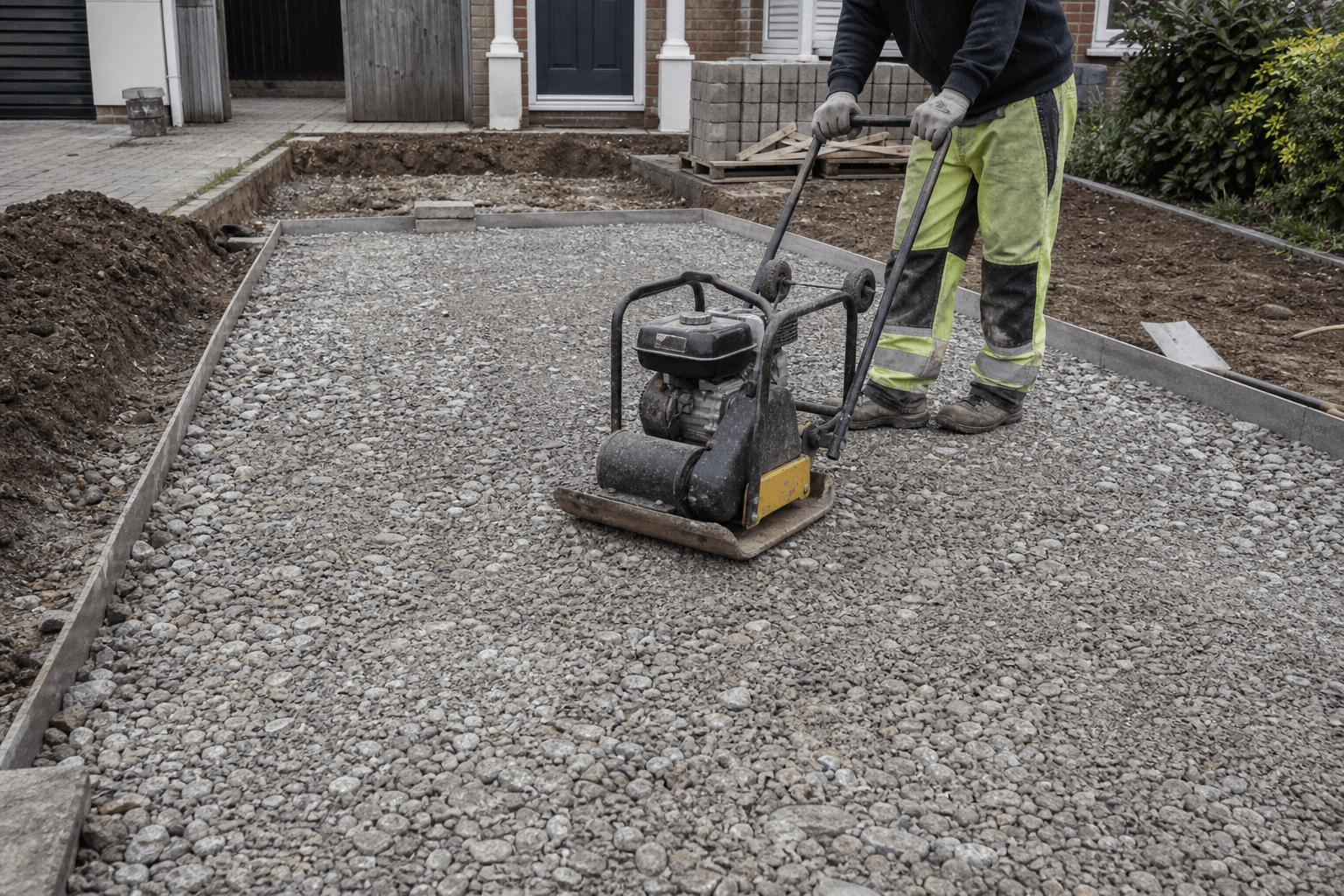
This is the costliest mistake on the list. Interpave technical guidance (paving.org.uk) sets 100–150mm of compacted MOT Type 1 as the standard for driveways, in 50mm layers, yet half the failed jobs in our quote-review sample had less than 75mm. Fixing it later means a full lift-and-relay at £35–£55/m² (WhatCost, 2026).
What it looks like
Sunken patches, rocking blocks under your foot, standing water after rain, and a block paving driveway that feels "alive" when you drive on to it.
Why people do it
Saving on the £53 per 50mm layer of MOT Type 1, under-estimating the dig depth, or trusting that "the existing concrete will be fine". It almost never is.
What it actually costs
On a 50m² drive, a remedial lift-and-relay runs £1,750–£2,750. That dwarfs the £150–£250 you'd have spent doing the sub-base properly first time. For a fuller breakdown see our block paving cost guide.
How to avoid it
100–150mm of compacted MOT Type 1 on driveways. 75–100mm on patios. Compact every 50mm layer with a vibrating plate. Don't skip layers.
Mistake #2, no edge restraint (or no concrete haunch)
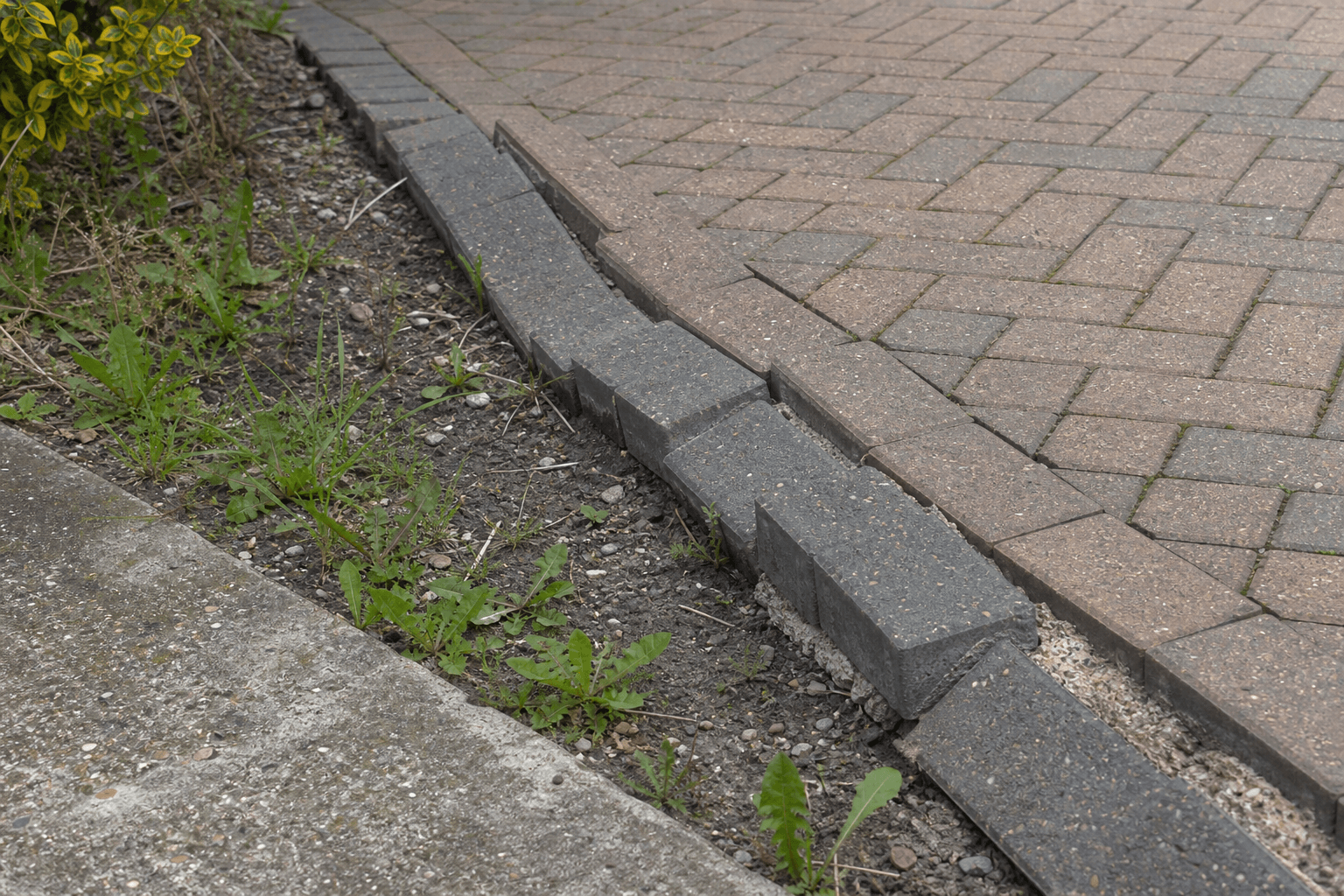
Block paving edging is the single most-skipped detail on a UK driveway, and Interpave is explicit on the rule: a soldier course bedded into a concrete haunch up to at least one-third of the block's height. Skip it and the blocks drift sideways within 12 months. Repairs run £350–£600 (MyBuilder, 2026).
What it looks like
Blocks drifting sideways at the edges. Gaps opening between the perimeter and the lawn. A soldier course tipping like dominoes.
Why people do it
Forgotten in planning. Concrete cost saving. A misplaced trust that the surrounding lawn or fence will "hold it together".
How to avoid it
A concrete-haunched soldier course around the entire perimeter, including up against the house and any garden borders. Use C20 concrete. Trowel the haunch up the side of the block before you continue laying. It's a one-day job and it saves a four-figure bill later.
Explore our Garden clearance service
See what is included, typical timings, and what to prepare before you book.
Mistake #3, wrong sand for the laying course
Sharp sand is for the laying course, kiln-dried sand is for the joints, and building sand belongs in neither. Mix them up and the 30mm laying course migrates within months, leaving surface dips that no amount of pressure washing will fix.
What it looks like
Surface dips forming within four to six months, usually under tyre tracks. The block paving driveway feels uneven underfoot before it looks uneven.
What it actually costs
Spot lift-and-relay runs £200–£400 per affected patch (MyBuilder, 2026). Multiple patches stack quickly.
How to avoid it
Sharp sand only for the 30mm laying course. Order it by name at B&Q, Wickes, or Travis Perkins, and check the bag actually reads "sharp sand" not "building sand". They look almost identical at the merchant's yard.
Mistake #4, wrong sand in the joints
Most homeowners think any sand will do for the joints. It won't. Kiln-dried sand at 0.3–1mm grading (BS EN 13242) is what stays put. Building sand or pre-mixed sand washes out at the first heavy rain, and from there it's weeks to weeds and moss.
What it looks like
Joints washing out after the first heavy rain. Black streaks where the sand has run across the blocks. Moss and weeds within weeks of laying.
How to avoid it
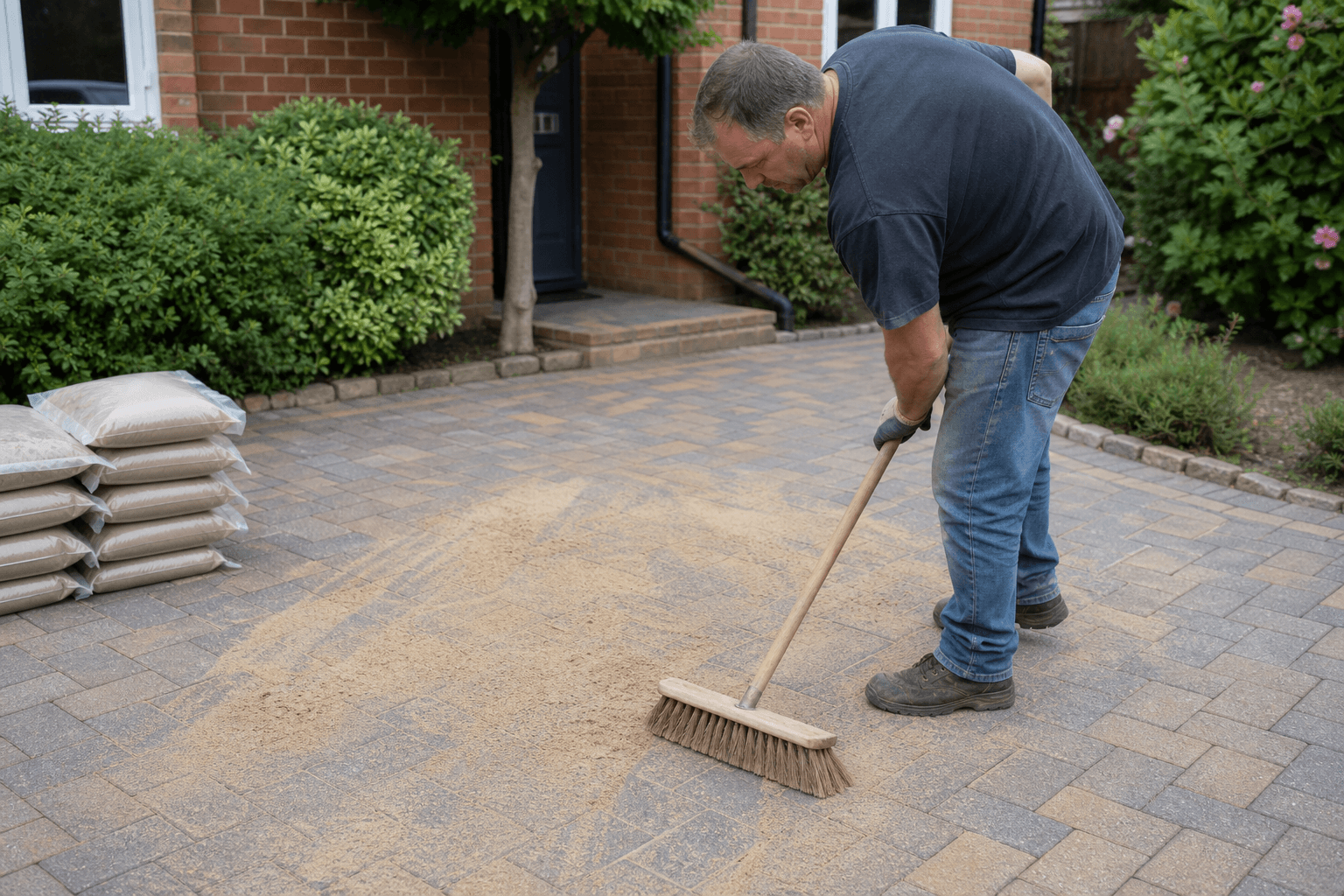
Kiln-dried sand graded to BS EN 13242, brushed in dry on a dry day, vibrated in with a plate compactor on a rubber mat. Or pay slightly more for a polymer joint-stabilising sand like Marshalls Weatherpoint 365. A bag from a Marshalls stockist costs £25–£35 and rejoints around 5m² of joints.
Annual rejoint cost. £80–£140 DIY, £400–£600 if you bring in a pro to do it properly.
Ready to book Pressure Washing?
Send a quick enquiry — we typically respond the same working day.
Mistake #5, missed or wrong drainage falls
A block paving driveway needs a minimum 1:80 fall away from the house (Interpave guidance). Eye-balling it doesn't work. The cost of getting it wrong is an Aco channel retrofit and remedial work at £350–£700, plus the ongoing risk of water tracking back to your DPC.
What it looks like
Standing water after rain. Ice in winter. Algae stains along the line where water pools.
How to avoid it
Set strings and a spirit level at sub-base stage. 1:80 minimum (12.5mm per metre) away from the house. Confirm with a hose test before the laying course goes down. Adjust at sub-base, not at block level.
Mistake #6, ignoring SUDS 2008
This is the rule most homeowners don't know exists. Under DEFRA's 2008 SUDS guidance (gov.uk), any front garden hard surface over 5m² must use permeable paving, drain to a soft area, or get planning permission. Skip it and your buildings insurance can refuse a water-damage claim later.
What it looks like
A complaint from a neighbour after their drive floods. A planning enforcement letter. An insurance refusal on a water-ingress claim.
What it actually costs
A planning application is £206 (gov.uk Planning Portal, 2026 fee). A retrofit to permeable spec runs into four figures. Either way it's avoidable.
How to avoid it
For front gardens over 5m², use permeable block paving such as Marshalls Drivesett Tegula Priora or Brett Omega Permeable. Or divert rainwater to a lawn or border. Or apply for planning permission upfront.
We've seen homeowners in Reading, Bristol, and Edinburgh stung by SUDS retrofits because their installer didn't mention the rule at quote stage. A good installer flags it before you sign.
Learn more about Garden clearance
Browse how we deliver Garden clearance and the questions homeowners ask most often.
Mistake #7, hot-power-washing too aggressively
The single fastest way to wreck a perfectly good block paving driveway is a borrowed pressure washer with the wrong nozzle. Marshalls cleaning guidance is explicit on this: 25 degree nozzle, under 120 bar, wand kept 300mm off the surface.
What it looks like
Lifted blocks. Washed-out joints. Pitted block surfaces where the spray sat too long.
What it actually costs
A full re-sand and re-seal after a botched wash runs £400–£600.
How to avoid it
Use a 25 degree nozzle. Stay under 120 bar of pressure. Keep the wand 300mm above the blocks. Never spray directly down between joints. Most domestic Karchers from Screwfix or Argos sit at 110–130 bar with a fan nozzle, so dial it down.
Mistake #8, hiring without checking trade-body or insurance
Doorstep quotes are the leading cause of mid-job abandonment, and bringing in a second installer to redo half-finished work runs £2,000–£4,000. TrustMark, the Marshalls Register, Brett Approved Installers, BALI, and APL all verify their members against insurance, financials, and workmanship.
How to avoid it
Insist on Marshalls Register, Brett Approved, BALI, APL or TrustMark verification. Check the company on Companies House. Public liability £2m minimum. Deposit never above 25%. Three written quotes minimum. Search driveway installers near me to compare.
Doorstep red flag. "We're in your area today" leaflet drops, cash-only deposits over 25%, no written quote, no insurance certificate shown.
Thinking about Pressure Washing?
Share your postcode and job details for a no-obligation quote.
Mistake #9, wrong block grade for the load
Interpave's specification table is unambiguous: 50mm minimum block thickness for driveways, 60mm for HGV-trafficked or sloped drives. A 40mm patio block under a Vauxhall Insignia cracks within 6–12 months.
How to avoid it
50mm or 60mm blocks for driveways. Confirm with the manufacturer's data sheet before you buy. Marshalls, Bradstone, Brett and Tobermore all publish thickness-by-application tables on their websites.
| Application | Minimum block thickness | Typical retailers |
|---|---|---|
| Patio (foot traffic only) | 40mm | B&Q, Wickes |
| Domestic driveway | 50mm | Travis Perkins, Jewson, Marshalls |
| Sloped or HGV-trafficked drive | 60mm | Marshalls, Brett, Tobermore (NI) |
Mistake #10, sealing too early or in wrong weather
Sealing too early traps efflorescence and moisture under the surface, leaving a cloudy or peeling finish that costs £8.50–£12.50/m² to strip and redo (WhatCost, 2026). On a 50m² drive that's £425–£625 of avoidable spend.
How to avoid it
Wait 4–6 weeks after laying for the efflorescence to cycle out. Seal only in a 48-hour dry window with temperatures above 8°C. Avoid early-morning dew. Don't seal in October–March in most of the UK.
Check scope and pricing for Garden clearance
Compare options, add-ons, and what affects the final price before you commit.
Mistake #11, skipping spoil-removal compliance
In our 2026 review of UK driveway disputes, 8% involved a council fixed-penalty notice for inert-waste dumping. Under the Environmental Protection Act 1990, the penalty can reach £400, and the spoil still has to be removed by a licensed carrier afterwards.
How to avoid it
Inert spoil (concrete, hardcore, soil) must go via a licensed carrier on the Environment Agency Public Register of Waste Carriers (or SEPA in Scotland, NRW in Wales, NIEA in Northern Ireland). Get the carrier number written on the receipt. Skip hire from a TrustMark builder usually includes this.
If you've already made one of these mistakes
A bad block paving driveway isn't always a total relay. The decision tree below is the one our vetted installers use on quote visits.
How to limit the damage right now
Stop water ingress first. Temporarily fill failed joints with kiln-dried sand. Cover any exposed sub-base with a tarp. Move parked cars off rocking blocks.
When to call a pro to undo it
Sub-base failure across more than 5m². Drainage failure that's tracking water to the house. Any insurance-relevant water damage. Edge collapse along a perimeter run of more than 2m.
What insurance might or might not cover
Buildings insurance rarely covers DIY structural error. Check your water-ingress policy wording carefully. Marshalls Register installers' workmanship guarantees cover their own jobs, not anyone else's prior work.
Need help with Pressure Washing?
Tell us about your job and we will match you with the right professional for Pressure Washing.
The one mistake even pros make
Even experienced installers skip the check on SUDS-permeability classification for "permeable" blocks. Some early-generation permeable blocks (pre-2015) had clogging issues within 5 years and now need extruded re-bedding. Pros assume the brand spec on the bag is current. Always pull the manufacturer's current technical data sheet for the specific block range and year. Marshalls Priora documentation is the benchmark.
A simple checklist to avoid all of these
- MOT Type 1 sub-base 100–150mm compacted in 50mm layers.
- Concrete-haunched soldier-course block paving edging.
- Sharp sand for the 30mm laying course.
- Kiln-dried sand for jointing (BS EN 13242 grading).
- Minimum 1:80 fall away from the house.
- SUDS 2008 check on front gardens over 5m².
- Pressure-wash settings: 25 degree nozzle, under 120 bar, 300mm from surface.
- Hire only Marshalls Register, Brett Approved, BALI, APL or TrustMark.
- 50mm+ block thickness on driveways, 60mm if sloped.
- Seal after 4–6 weeks, only in a 48-hour dry window above 8°C.
- Use a licensed inert-waste carrier on the EA, SEPA, NRW or NIEA register.
Explore our Garden clearance service
See what is included, typical timings, and what to prepare before you book.
How Taskino's vetted pros catch these before they happen
Every mistake on this list shows up in a Taskino quote review at some point. We vet driveway installers against Marshalls Register, BALI or APL membership, check public liability insurance, and run through a year of reviews before anyone gets work through the platform. If you want three written, like-for-like quotes that won't skimp on sub-base or edging, that's the bit we handle. No pressure either way, start with the cost guide if you'd rather DIY-cost first. For ongoing care, see our garden maintenance guide.
Find a vetted driveway installer near you at driveway cleaning.
Sources
- WhatCost (2026), Block Paving Driveway Costs, whatcost.co.uk/driveways/materials/block/cost
- Interpave Technical Guidance, paving.org.uk
- DEFRA SUDS Non-Statutory Standards (2008), gov.uk
- gov.uk Planning Portal (2026), Application Fees
- BSI, BS EN 13242, Aggregates for Unbound Applications
- Environmental Protection Act 1990, legislation.gov.uk
- MyBuilder (2026), Block Paving Edging Repair Costs, mybuilder.com
- Marshalls, Priora and Drivesett Tegula Priora Technical Data Sheets
- Environment Agency, Public Register of Waste Carriers
Frequently asked questions: 11 Block Paving Mistakes That Cost UK Homeowners £3,500 a Year
Short answers to common questions about this topic.
Our team will answer all your questions. we ensure a quick response.
Contact UsRelated posts
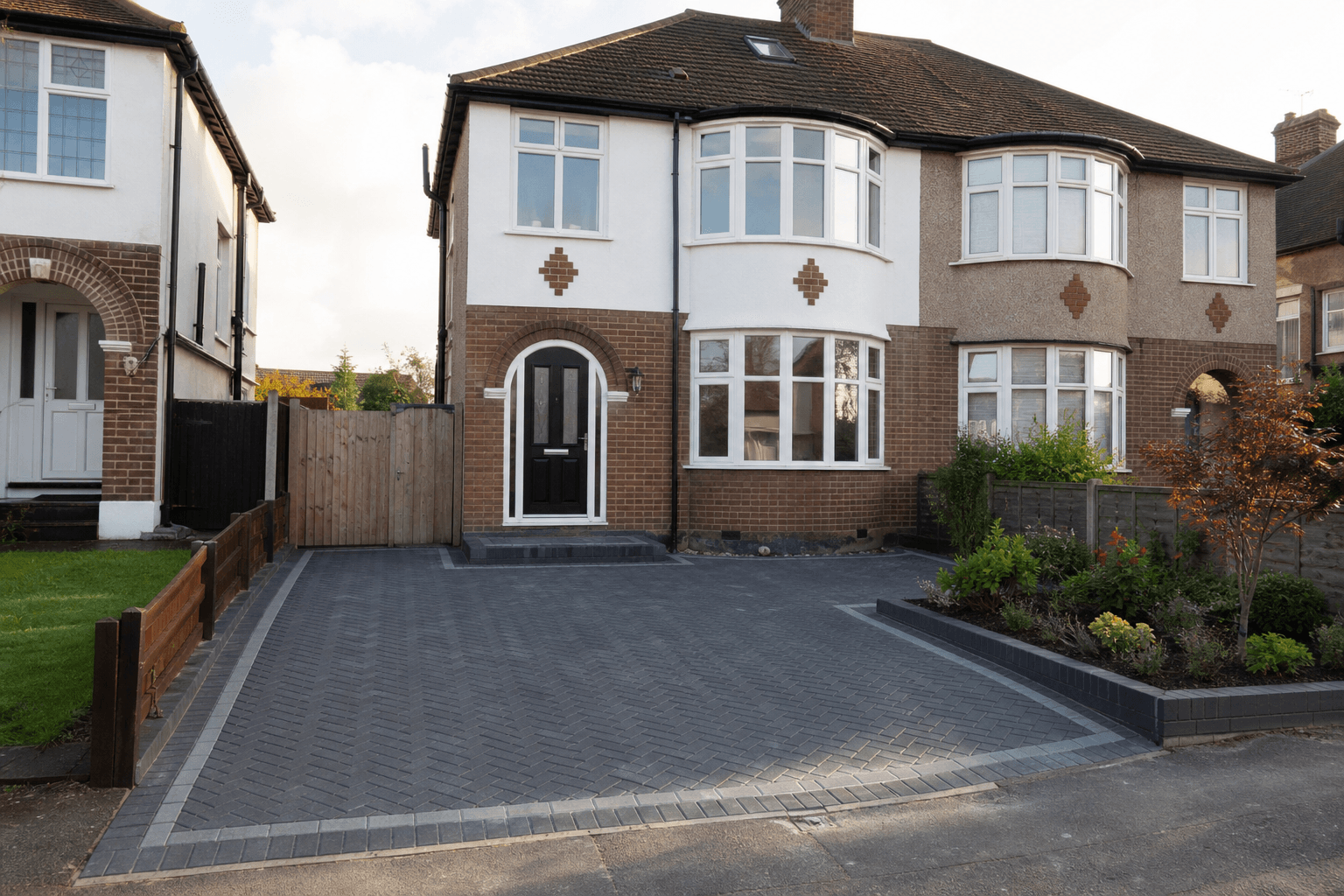
Complete UK 2026 guide to block paving: realistic costs per m², DIY laying steps, SUDS rules, comparison vs resin and tarmac, plus how to hire well.
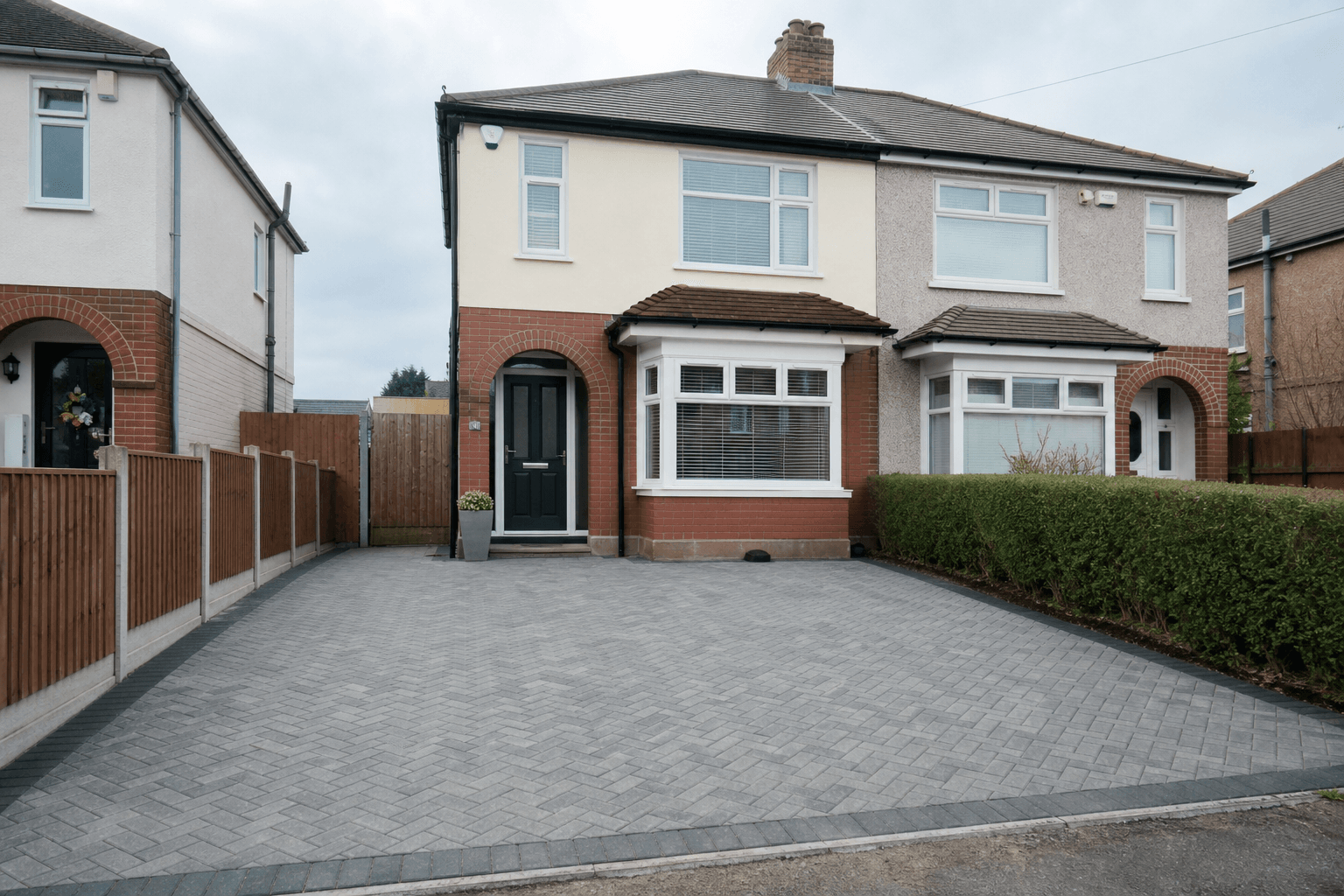
Real 2026 driveway installation costs by material and region. Block paving, resin, tarmac, gravel and concrete prices per m² and per job, with sources.
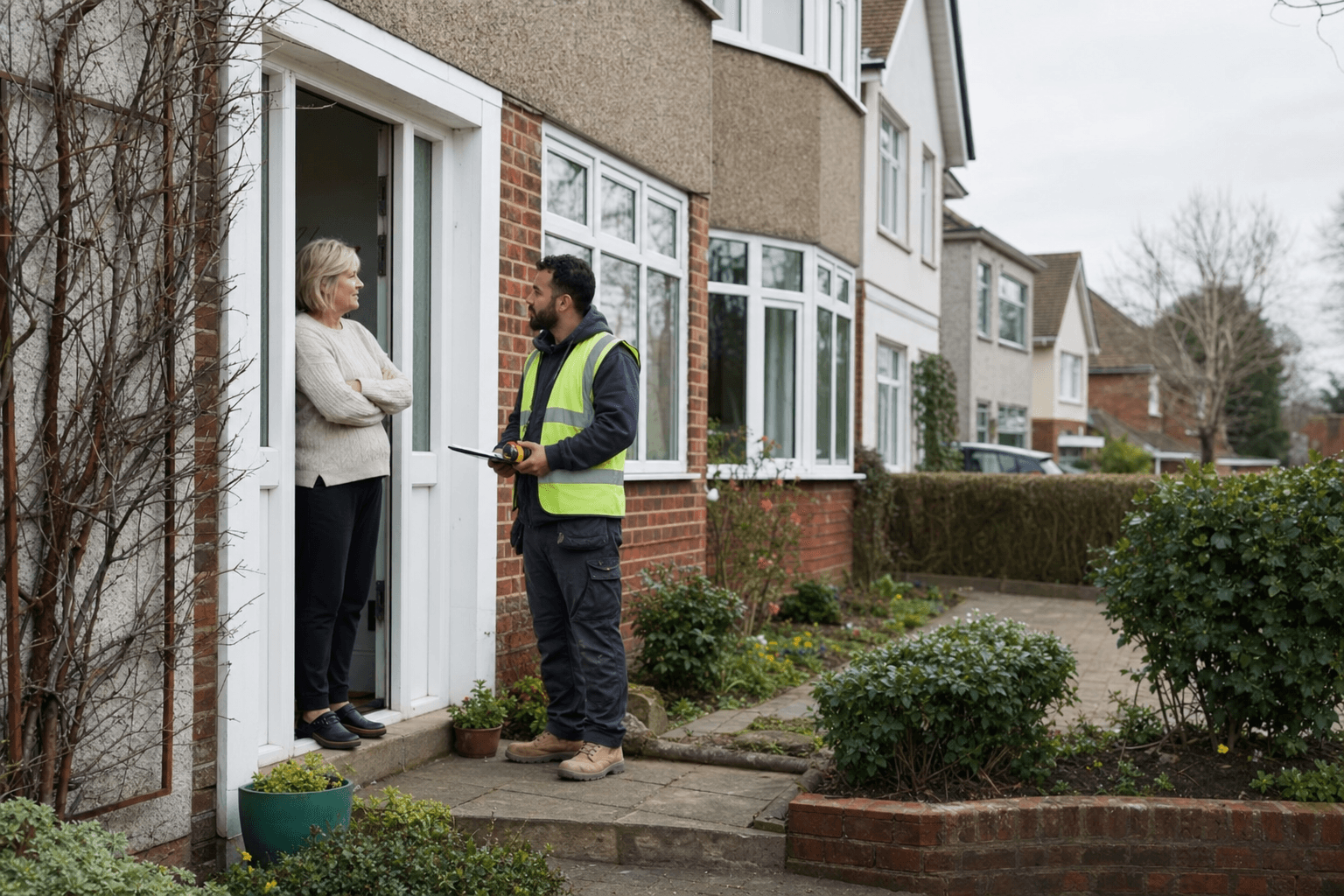
Find a trusted UK driveway installer in 2026, the 13 questions to ask, red flags to spot, and how to check Marshalls Register, BALI, APL and insurance.
Latest in Outdoor Services
View all in this category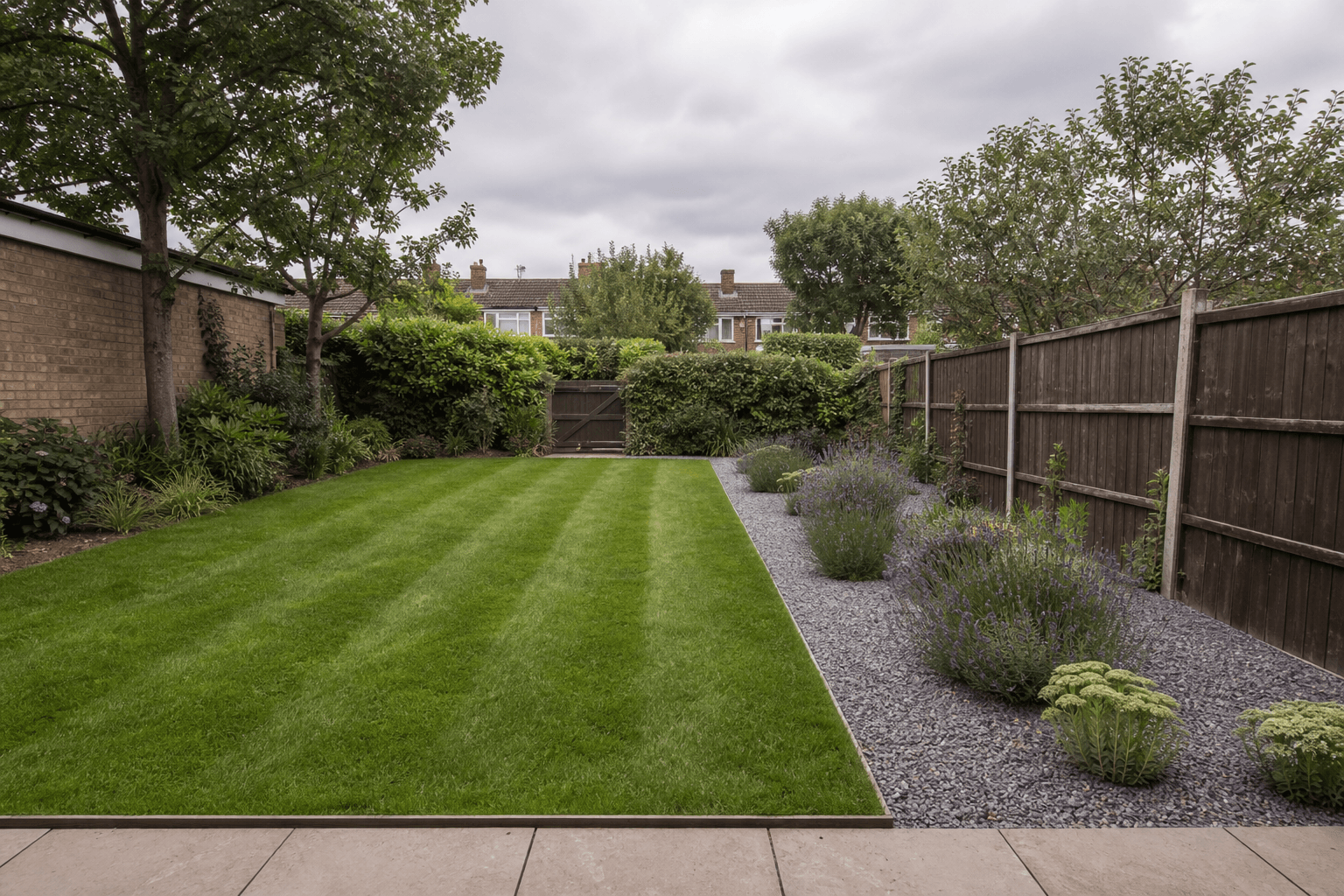
Compare real lawn, artificial grass and gravel for UK gardens: 10-year cost, climate fit, resale impact and which actually saves you time.
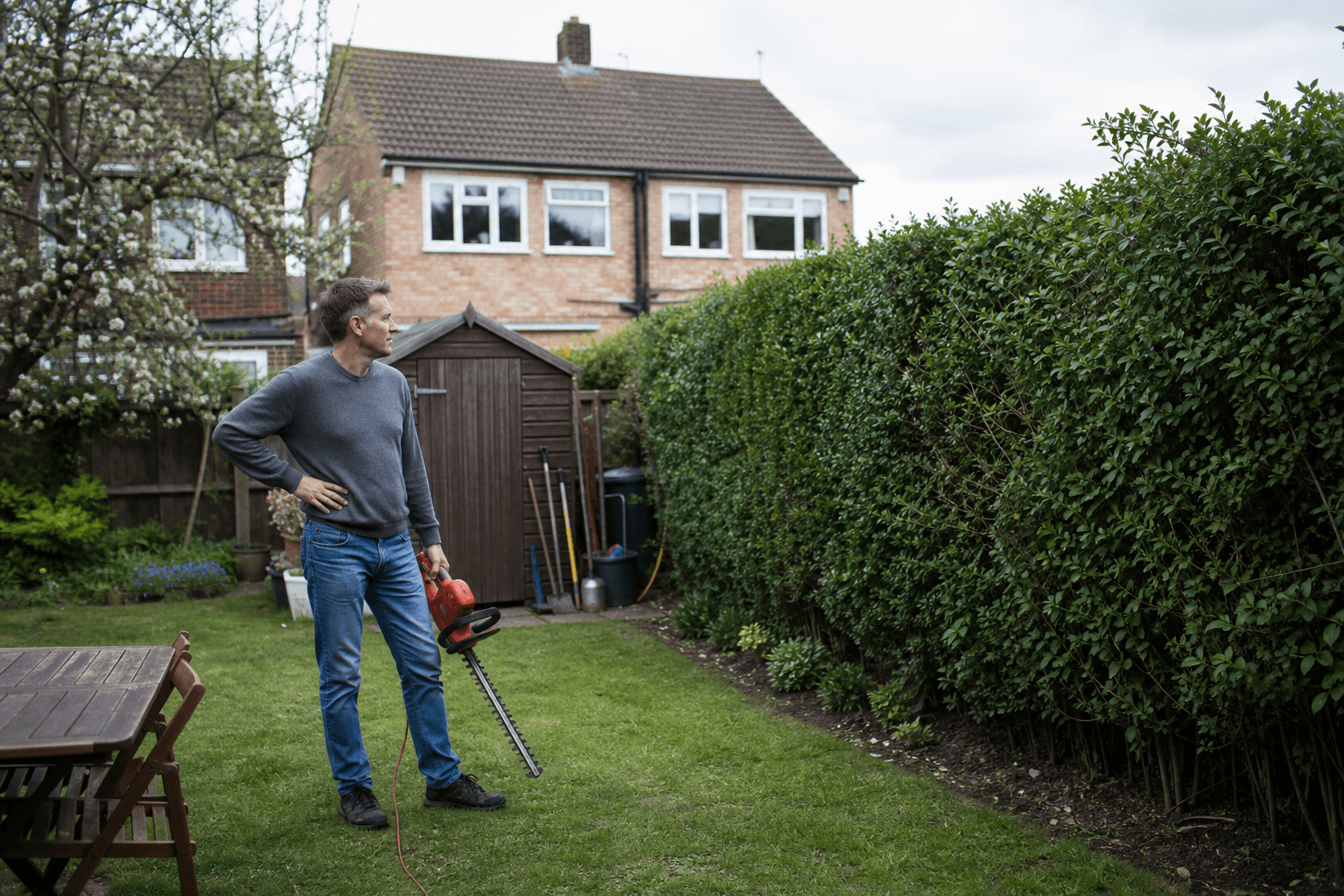
UK garden mistakes that cost real money: illegal hedge cutting, wrong-season scarifying, over-fertilising. Fix each one, save up to £1,200/year.
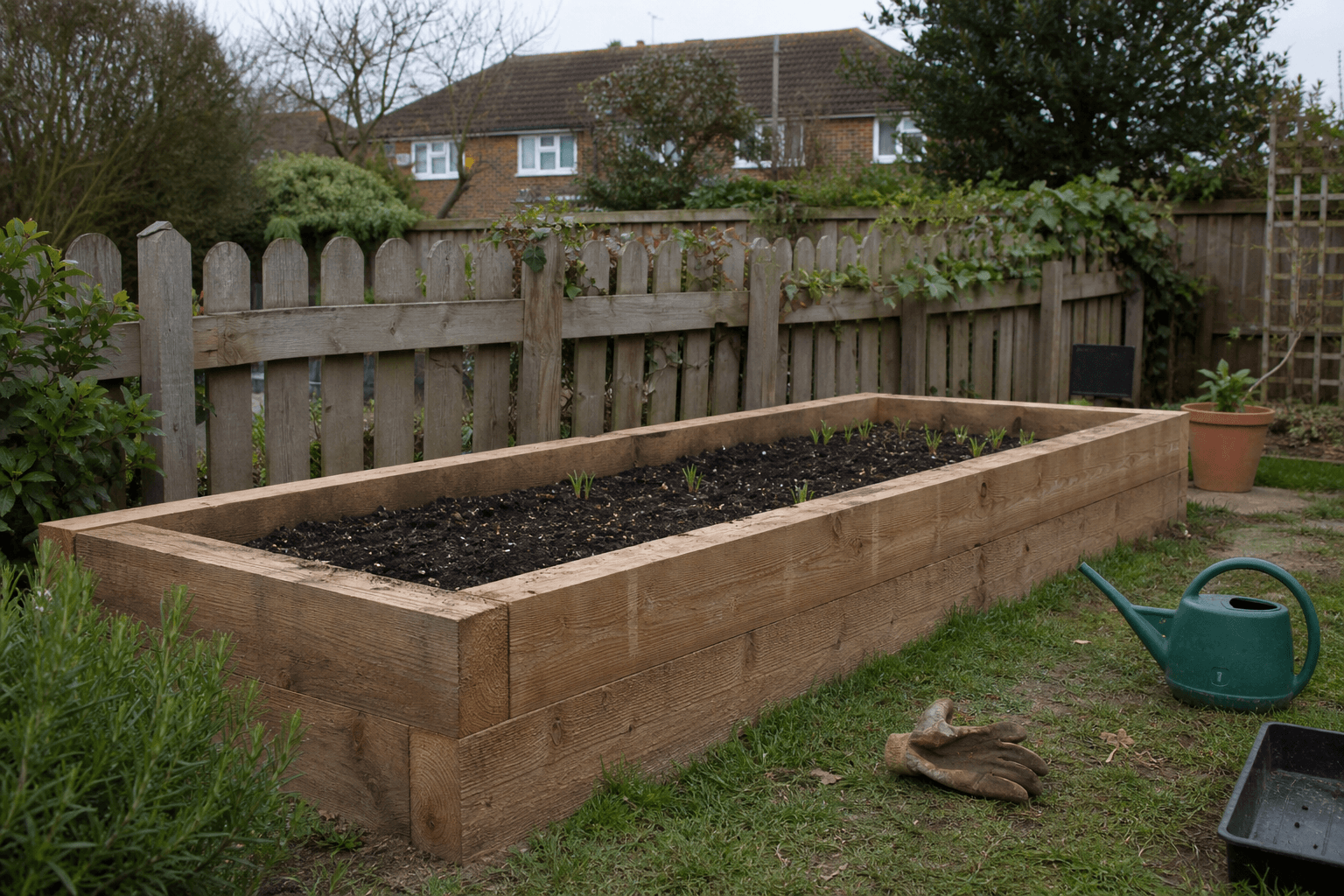
UK 2026 garden sleepers buying guide: oak vs softwood vs reclaimed, prices £15-£45, safe-for-veg picks, and 12 ways to use them.
Related services
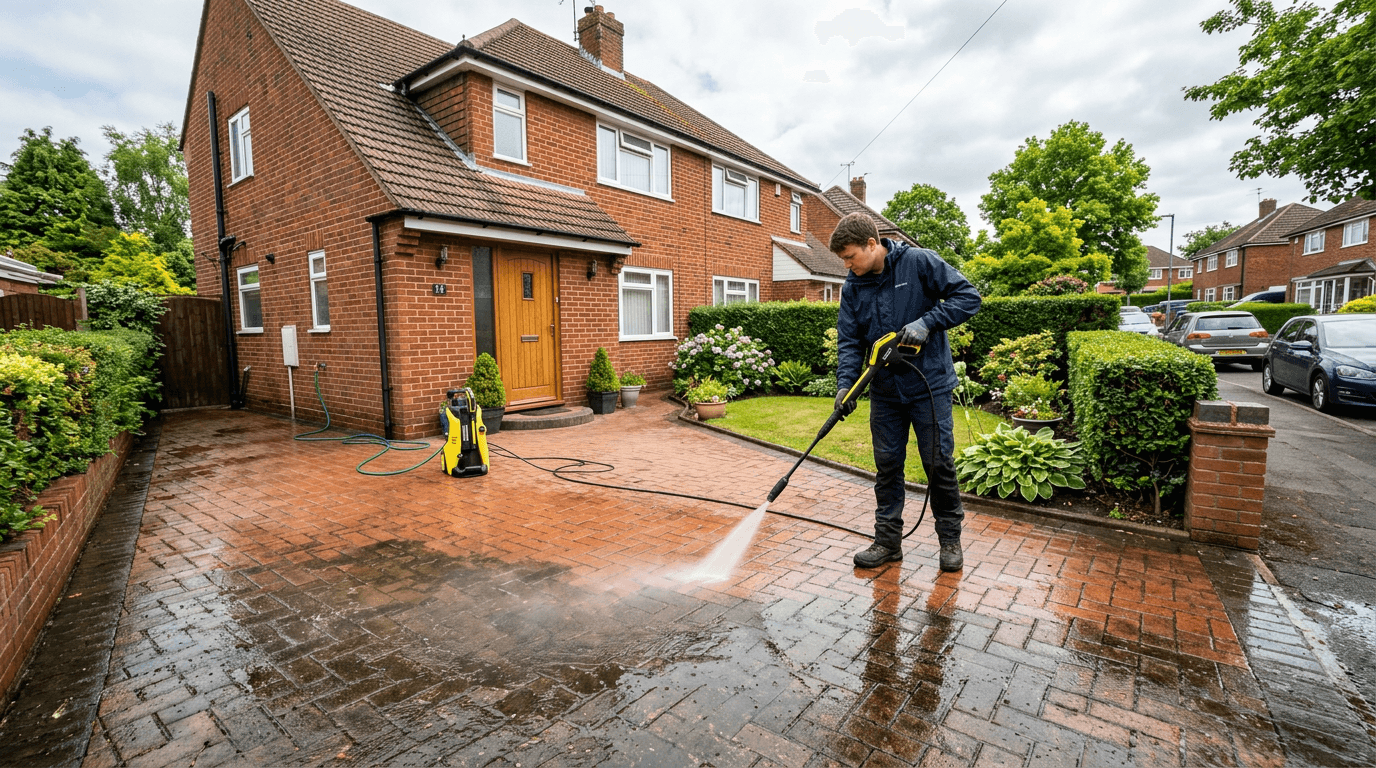
Professional pressure washing for patios, driveways, decking and exterior walls. Trusted, insured teams on Taskino deliver clear quotes, quick bookings and a thorough clean with responsible waste removal.
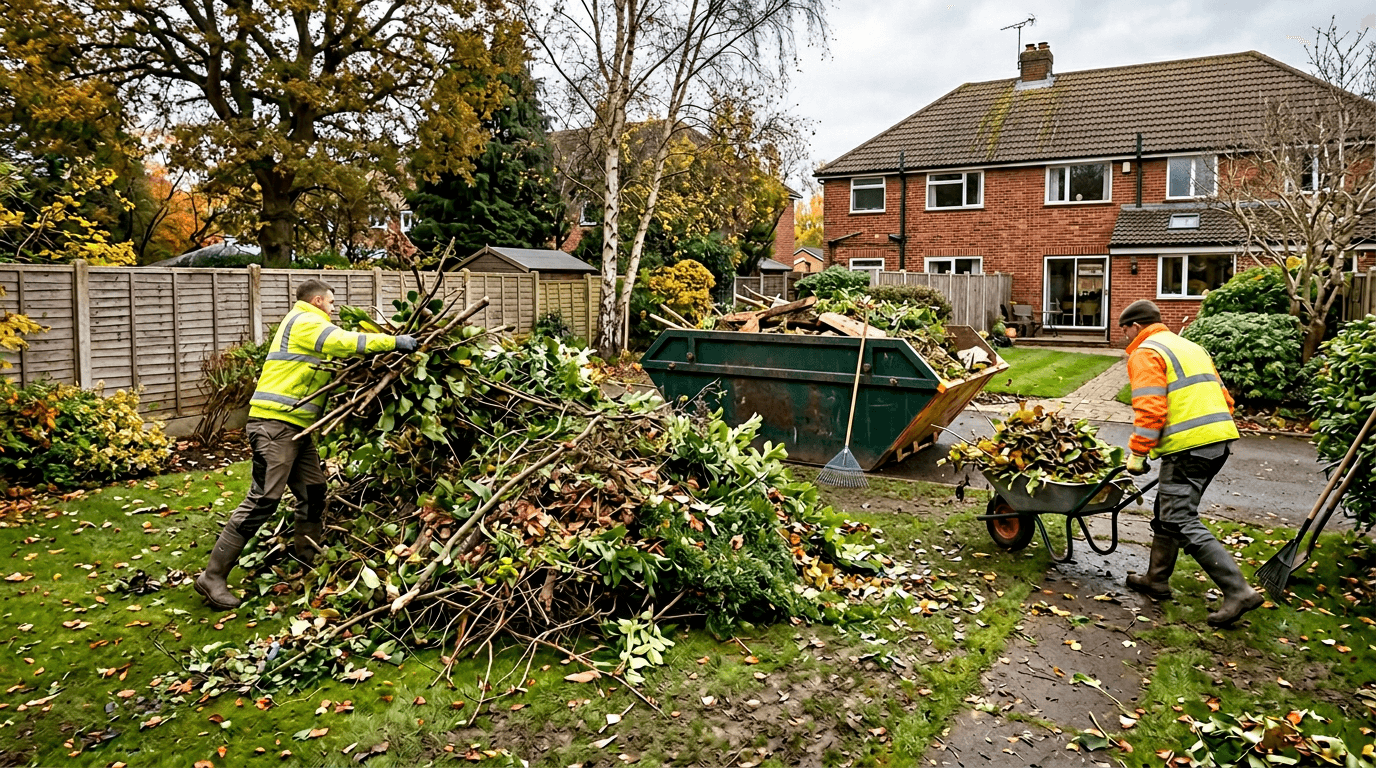
Garden clearance across the UK: green waste, soil, rubble and project leftovers removed by licensed crews. Clear quotes, complete clear-up, no hidden fees. Contact us for a tailored quote.
Ready to Book Your Service?
Tell us what you need and our team will help you find the right professional quickly, with clear pricing and no hidden fees.