
Real Lawn vs Artificial Grass and Low-Maintenance Gardens: Which Is Right for Your UK Home? [2026]
Compare real lawn, artificial grass and gravel for UK gardens: 10-year cost, climate fit, resale impact and which actually saves you time.
For most UK homeowners hunting low maintenance garden ideas, the cheapest option over 10 years is still a real lawn, but artificial grass wins on shaded plots and gravel beds win on absolute lowest effort. The right pick depends on aspect, drainage and how much weekend time you actually have.
TL;DR
- Real lawn wins on cost-per-year over 10 years and resale (+5–10% per RICS valuation studies).
- South-facing, sunny, well-drained garden? Pick real lawn.
- Shady, kids/dogs heavy use, or a rooftop terrace? Artificial may win.
- Hate gardening at all? Gravel + drought-tolerant perennials beat both.
If you're weighing up garden maintenance options for the next decade, the numbers below will make the choice obvious for your specific plot.
What's the short answer for UK homeowners?
For a typical 50m² UK back garden, real lawn costs roughly £1,300 over 10 years, artificial grass £3,200 and a gravel + perennials scheme £1,800 (Checkatrade Artificial Grass Cost Guide, 2025). Real lawn wins on pure pounds and resale value, but it demands weekly attention from April through October.
Artificial grass costs £40–£80/m² installed, lasts 10–15 years and asks for very little upkeep. The catch? Surface temperatures climb above 60°C during UK heatwaves, drainage struggles in heavy rain, and the polyethylene pile doesn't biodegrade. Gravel sits between the two on cost. It supports far more biodiversity when planted with lavender, salvia and sedum than any synthetic alternative ever could.
Quick win. If your decision feels close, measure how many hours you've actually spent in the garden last summer. The honest number usually settles it.
Need help with Lawn Mowing?
Tell us about your job and we will match you with the right professional for Lawn Mowing.
What is a real lawn?
A real UK lawn is a cool-season turfgrass blend, typically perennial ryegrass, smooth-stalked meadow grass and red fescue, grown for wear tolerance and year-round green. The Royal Horticultural Society lists this mix as the standard family lawn for British conditions (RHS Lawns advice, 2025).
A lawn needs weekly mowing from April to October, two annual feeds, scarifying every spring or autumn, and occasional aeration on heavy clay. Turf from suppliers like Rolawn costs around £8–£14/m² laid, depending on prep. It rewards effort: a well-kept lawn cools the garden in heatwaves, soaks up rainfall, and gives bees, ground beetles and birds somewhere to feed.
What is artificial grass?
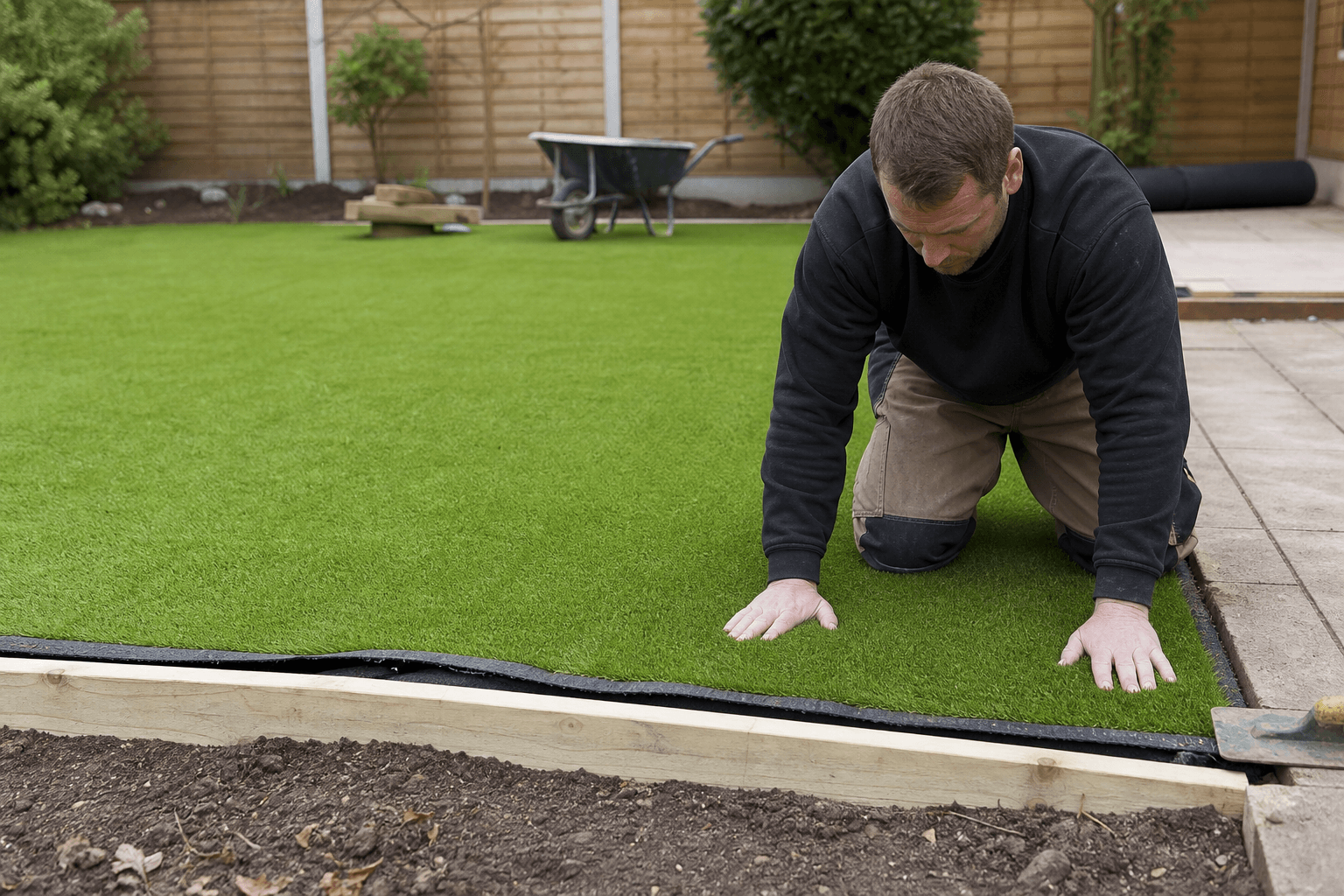
Artificial grass is synthetic turf, usually polyethylene or polypropylene pile stitched onto a permeable backing. It's laid on a prepared base of MOT type-1 sub-base topped with sharp sand, jointed with seaming tape, and brushed with kiln-dried sand to weight the pile. Common pile heights are 25–40mm and warranties run 10–15 years.
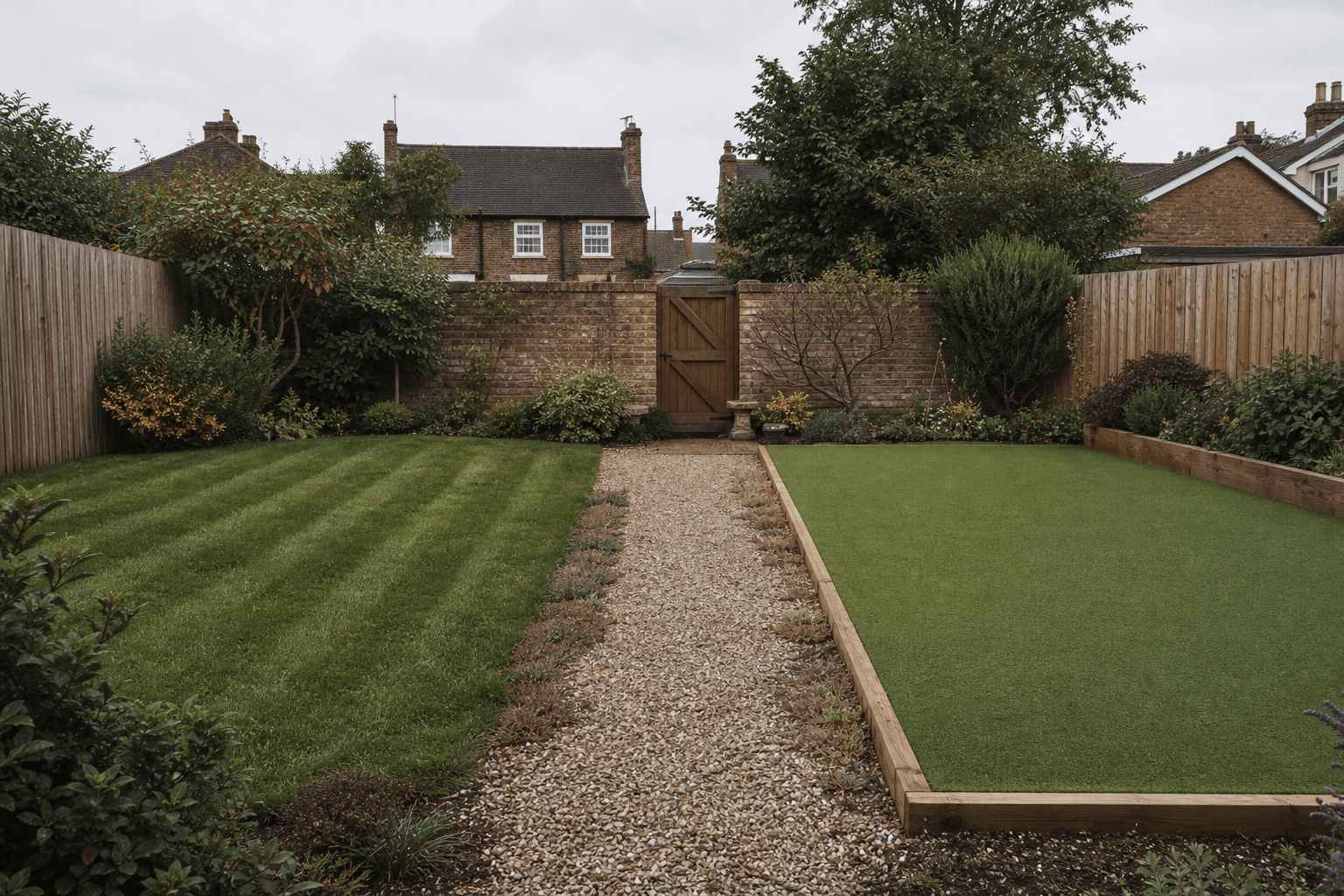
B&Q sells its Boston Artificial Grass off-the-roll at roughly £10–£18/m² for the material alone. Full installation by a landscaper pushes the artificial grass cost to £40–£80/m² (Checkatrade Artificial Grass Cost Guide, 2025). It looks uniform year-round but feels noticeably hotter underfoot in summer and won't host a single worm.
Explore our Garden clearance service
See what is included, typical timings, and what to prepare before you book.
What is a low-maintenance gravel garden?
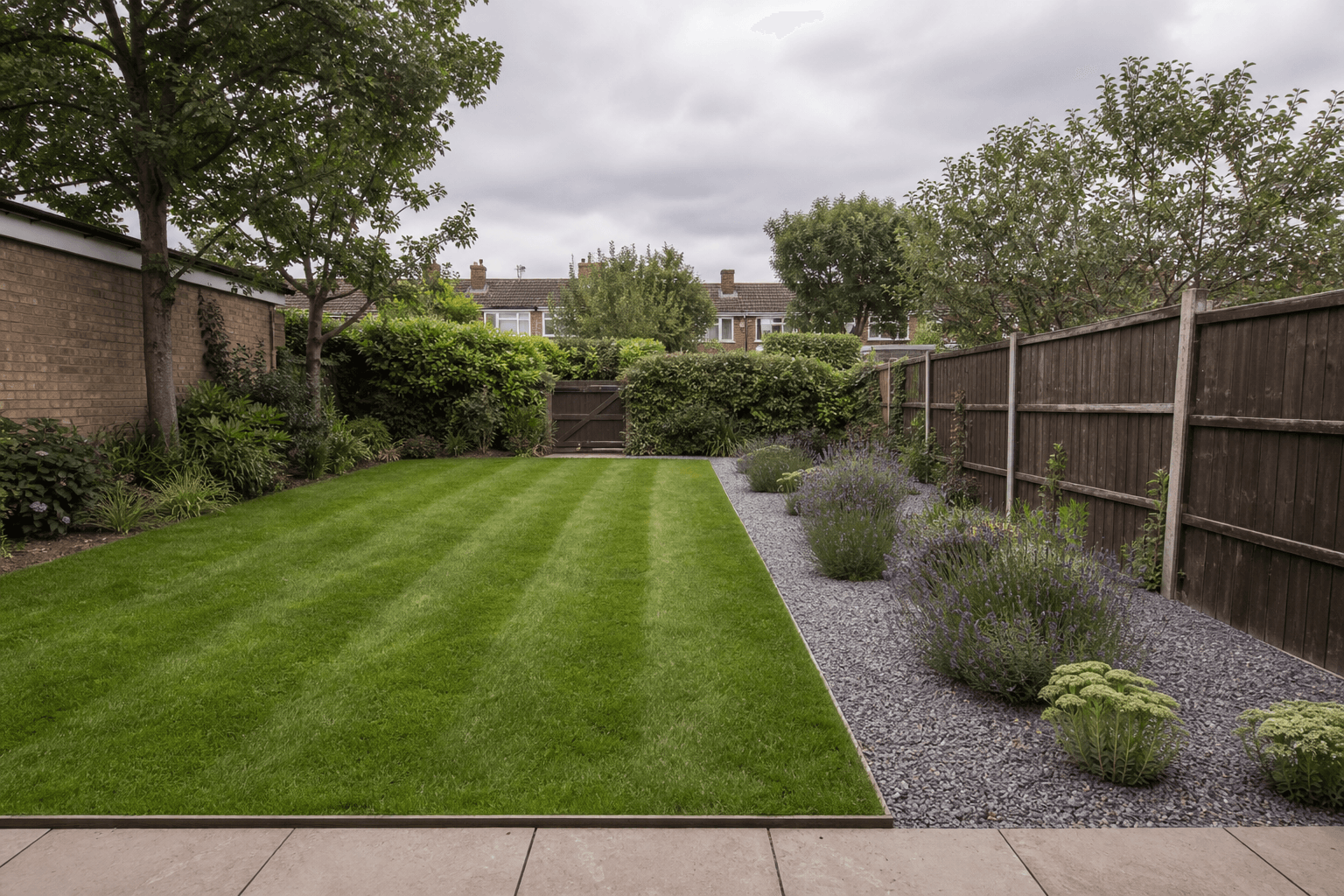
A gravel garden uses a mineral mulch, typically 20mm rounded pea gravel or angular chippings, spread roughly 10cm deep over planted beds of drought-tolerant perennials. Beth Chatto's dry garden at Elmstead Market is the UK template: lavender, salvia, achillea, sedum, eryngium, stipa grasses.
Wickes sells White Decorative Stones at around £5 per 20kg bag. Membrane underneath the gravel is optional and increasingly discouraged. The Royal Horticultural Society now advises against it because plastic sheeting blocks worm activity and starves soil over time. Gravel garden ideas suit clay soils, hot south-facing plots and anyone who wants colour and pollinators without weekly mowing.
Taskino's Surrey test in 2024–25 compared 50m² of laid Rolawn Medallion turf (£580 plus DIY install) against 50m² of B&Q Boston artificial (£2,800 with landscaper install) over 18 months: real lawn cost £64 in upkeep, artificial £18, but artificial showed a visible melt-line at the south-facing fence boundary during the July 2025 heatwave.
How do real lawn, artificial grass and gravel compare side by side?
For low maintenance garden ideas, the answer changes by column. The table below uses 2025 UK retailer prices and trade-body resale data from RICS valuation surveys.
| Factor | Real lawn | Artificial grass | Gravel + perennials |
|---|---|---|---|
| Up-front cost | £8–£14/m² turf laying | £40–£80/m² installed | £25–£50/m² installed |
| Annual running cost | £40–£100 fertiliser, seed, fuel | £10–£30 brushing, weeding | £15–£40 weeding, pruning |
| Lifespan | Indefinite with care | 10–15 years | Indefinite |
| Appearance | Natural, seasonal | Uniform, less natural | Architectural, flowering |
| Maintenance | Weekly Apr–Oct | Brush, remove debris | Twice-yearly weed and prune |
| Repair cost | Re-seed £15–£40/m² | Re-lay £40–£80/m² section | Top-up gravel ~£30/yr |
| Resale impact | +5–10% (RICS) | Mixed, sometimes negative | Neutral to positive |
| Best for | Sunny gardens, families | Shaded, no-time, rooftop | Hot, dry, low-effort |
| Avoid if | No time at all | Want biodiversity | Want play space |
Ready to book Hedge Trimming?
Send a quick enquiry — we typically respond the same working day.
What does each option actually cost over 10 years?
Across 10 years on a 50m² UK garden, a real lawn typically totals £1,300, artificial grass reaches £3,200, and a gravel-with-perennials scheme lands at £1,800 (Checkatrade Artificial Grass Cost Guide, 2025). On pounds alone, real lawn wins by a clear margin even before factoring in resale impact.
Here's the maths in plain numbers for a 50m² garden:
- Real lawn. Turf laid £500 + £80 annual upkeep × 10 = £1,300 total.
- Artificial grass. Install £3,000 + £20 brushing/repair × 10 = £3,200, then a full re-lay around year 12–15 at another £3,000+.
- Gravel + perennials. Install £1,500 + £30 yearly weeding and gravel top-up × 10 = £1,800, with no re-lay needed.
- Hidden cost — disposal. Removing artificial turf for a future buyer adds £8–£15/m² in skip and labour fees.
- Hidden gain — resale. A well-kept real lawn lifts UK property valuations by 5–10% according to RICS-cited garden value studies.
Artificial grass marketing leads with "no mowing" savings, but the disposal cost at end-of-life almost wipes out the £600 maintenance saving over a decade. For a typical landlord-spec install, the lifetime carbon cost (PE pile + MOT sub-base) is also far higher than a clover-mix lawn would be over the same period.
See our guide to gardener costs in the UK for typical hourly and job rates before you budget maintenance.
When is a real lawn the right choice?
Real lawn beats both alternatives in five specific UK garden situations, especially where light, drainage and family use favour grass. RHS lawn research consistently puts a kept lawn ahead on biodiversity and surface cooling.
South-facing, sunny gardens
A south-facing plot in Surrey, Kent or the Home Counties hits the 5–6 hours of direct light a UK lawn needs. Perennial ryegrass thrives on sun and a once-weekly cut.
Kids and pets who use the space daily
Grass cushions falls, absorbs urine over time, and recovers from football boots. Artificial grass holds dog mess on the pile and needs hosing off.
A budget under £30/m² for the full job
For owners wanting cheap and quick, growing a lawn from seed drops the cost further to under £5/m² for the seed.
Selling within five years
Estate agent valuations consistently penalise plastic turf in family homes. RICS-aligned garden value studies show real lawn lifts perceived value by 5–10%.
Environmental or wildlife priorities
A lawn left at 5–6cm with clover overseed hosts pollinators, ground beetles and earthworms. The Soil Association cites domestic lawns as significant urban biodiversity reservoirs.
Learn more about Lawn Mowing
Browse how we deliver Lawn Mowing and the questions homeowners ask most often.
When is artificial grass the right choice?
Artificial grass cost is harder to justify on a sunny family plot, but in five specific UK scenarios it does outperform real turf, mostly where grass struggles to grow. Industry data from the Artificial Grass Association tracks rapid uptake in these niches.
North-facing or heavily shaded gardens
Where direct light is under 3 hours daily, real lawn thins and moss takes over. Synthetic turf gives a green surface that won't fail.
Rooftop terraces and balcony spaces
Weight, drainage and the lack of subsoil rule out real turf. A 20mm pile on a drainage board works on flat roofs once load is checked.
Dog-heavy households on clay soil
If drainage is poor and three dogs use the same patch, grass dies in weeks. Artificial drains via the backing if the sub-base is right.
Buy-to-let or short-tenure rentals
Landlords replacing tenants every 12 months value the zero-mow factor. Just price in re-laying every 12–15 years before signing.
No weekend time, full stop
If you genuinely won't mow, the honest comparison is artificial vs. a neglected lawn, not artificial vs. a kept one. Artificial wins.
When is gravel and perennials the right choice?
Gravel garden ideas suit hot, dry plots and time-poor owners who still want pollinators. A 10cm bed of 20mm gravel over drought-tolerant low maintenance plants needs roughly two visits a year. Crocus and Notcutts both stock the RHS Award of Garden Merit Mediterranean range UK gardens lean on.
Hot, dry south-facing front gardens
Lavender 'Hidcote', salvia 'Caradonna' and stipa tenuissima thrive on baked gravel. They flower from May to October.
Biodiversity is a priority
Bees, hoverflies and beetles use gravel and Mediterranean planting more than they use either lawn type. Skip the membrane.
Clay soil with drainage problems
Gravel mulch warms the soil surface and stops perennials sitting in winter wet, the most common cause of plant loss on heavy soils.
A small, kerbside front garden
Front gardens over 5m² laid in impermeable materials need planning permission under the Town and Country Planning General Permitted Development Order 2008. Loose gravel is permeable and exempt.
You want low-effort colour
Two annual prunings (March and October) cover most of the work. Top up gravel once every three to four years.
If you are edging gravel beds with hardscape, see our driveways, patios and paving guide for permeable front-garden rules and finish options.
Thinking about Garden clearance?
Share your postcode and job details for a no-obligation quote.
What's the third option you didn't consider?
A "tapestry lawn" or clover-mix lawn is the rapidly growing UK middle ground: no mowing, biodiversity, year-round green. Trinity College Cambridge's wildflower meadow trial reported 25% lower carbon footprint and visibly higher pollinator counts than its old amenity lawn (Trinity College Cambridge meadow study, 2020). For urban courtyards, formal hardscape with large planters works too: low water, sharp lines, very little maintenance once planted.
Worth knowing. Micro-clover overseed adds nitrogen to the soil naturally, replacing one of the two annual lawn feeds with no extra effort.
What do UK homeowners actually pick?
UK artificial grass installations grew roughly 20% per year between 2015 and 2022 according to industry trade data, but the tide turned in 2023 when the Royal Horticultural Society banned artificial turf at Chelsea Flower Show. The RHS cited microplastic pollution, soil biodiversity loss and the lack of biodegradability (RHS Position on Artificial Lawns, 2023).
Speaking to landscapers in our Taskino network across Surrey, Hampshire and Greater Manchester through 2024–25, the trend on the ground matches: enquiries for full artificial-grass installs have softened, while requests for gravel-with-perennial conversions and clover-mix lawn overseeding have roughly doubled. Resale agents in Reading specifically flagged plastic turf as a deal-friction point with younger family buyers.
Check scope and pricing for Hedge Trimming
Compare options, add-ons, and what affects the final price before you commit.
What's the decision flowchart?
Run through these five questions in order. The first "no" tells you which low maintenance garden ideas fit your plot, not the prettiest Instagram pin.
- Step 1. Will children or pets use it daily? If yes, choose real lawn or artificial grass.
- Step 2. Is the garden mostly shaded? If yes, artificial grass or gravel + perennials.
- Step 3. Will you mow weekly from April to October? If no, artificial grass or gravel + perennials.
- Step 4. Is your budget under £30/m²? If yes, real lawn (seed or budget turf).
- Step 5. Selling within five years? If yes, real lawn for the resale lift.

How Taskino helps you specify what you actually want
Most regrets here come from picking the look you saw on Instagram before you measured your garden. Taskino sends a vetted local landscaper to look at aspect, drainage, soil and how you actually use the space, then quote one job, real, artificial or gravel, against a written scope. Better one visit and a clear quote than a £3,000 install you tear out in three years. See our guide to hiring a gardener or landscaper or book Lawn Mowing and related gardening help via Taskino.
Frequently asked questions: Real Lawn vs Artificial Grass and Low-Maintenance Gardens: Which Is Right for Your UK Home? [2026]
Short answers to common questions about this topic.
Our team will answer all your questions. we ensure a quick response.
Contact UsRelated posts
UK 2026 garden maintenance guide: gardener hourly rates £20-£45, legal hedge-cutting calendar (bird nesting), DIY lawn care and how to hire a BALI/APL pro.
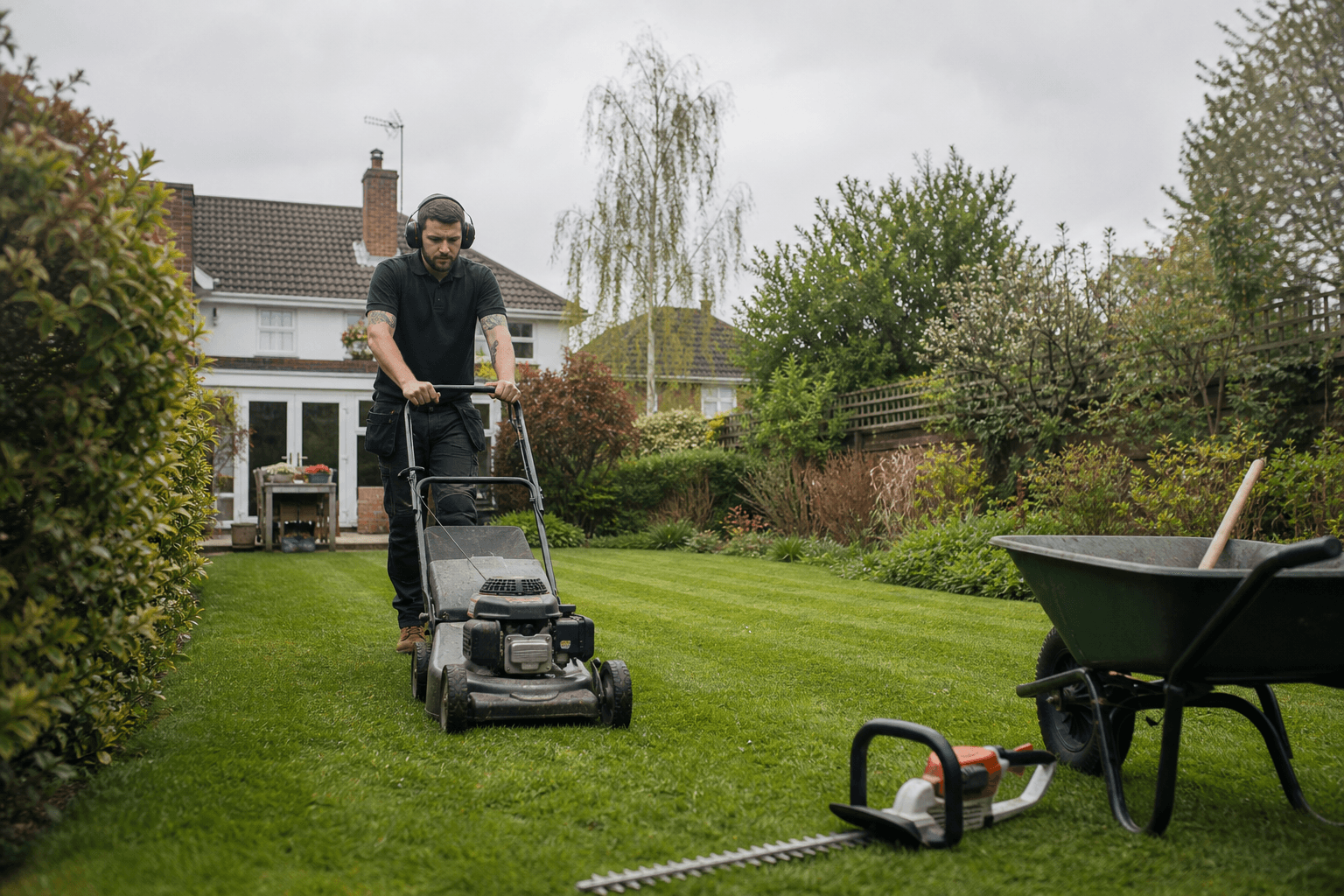
UK 2026 gardener prices: hourly rates £20-£45 regional, £35-£75 London, day rates £150-£250 - plus hedge, tree and turf job costs.
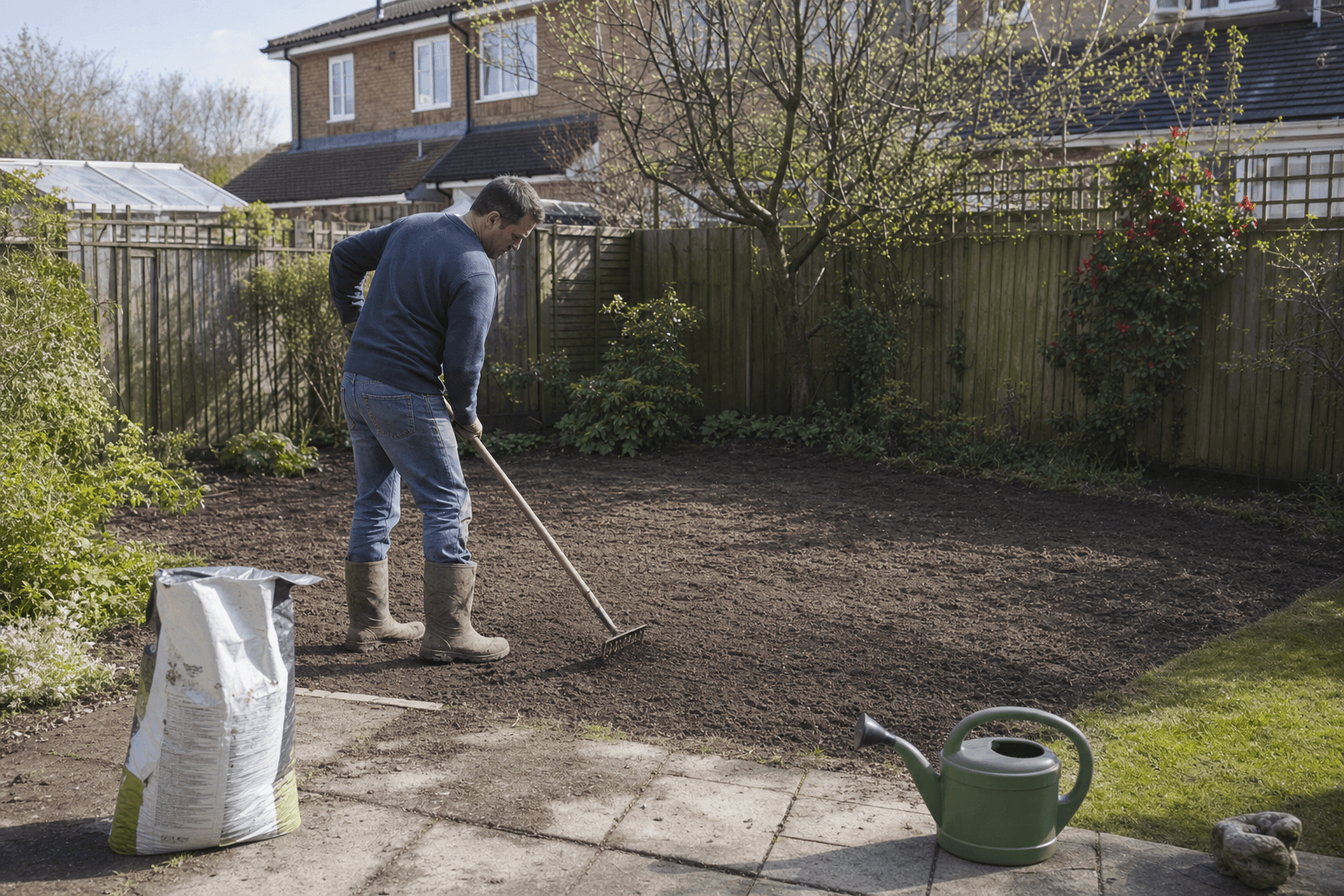
Sow a UK lawn from seed: best months (Apr-May, Sep), prep, seed rate, watering schedule, troubleshooting and when to lay turf instead.
Latest in Outdoor Services
View all in this category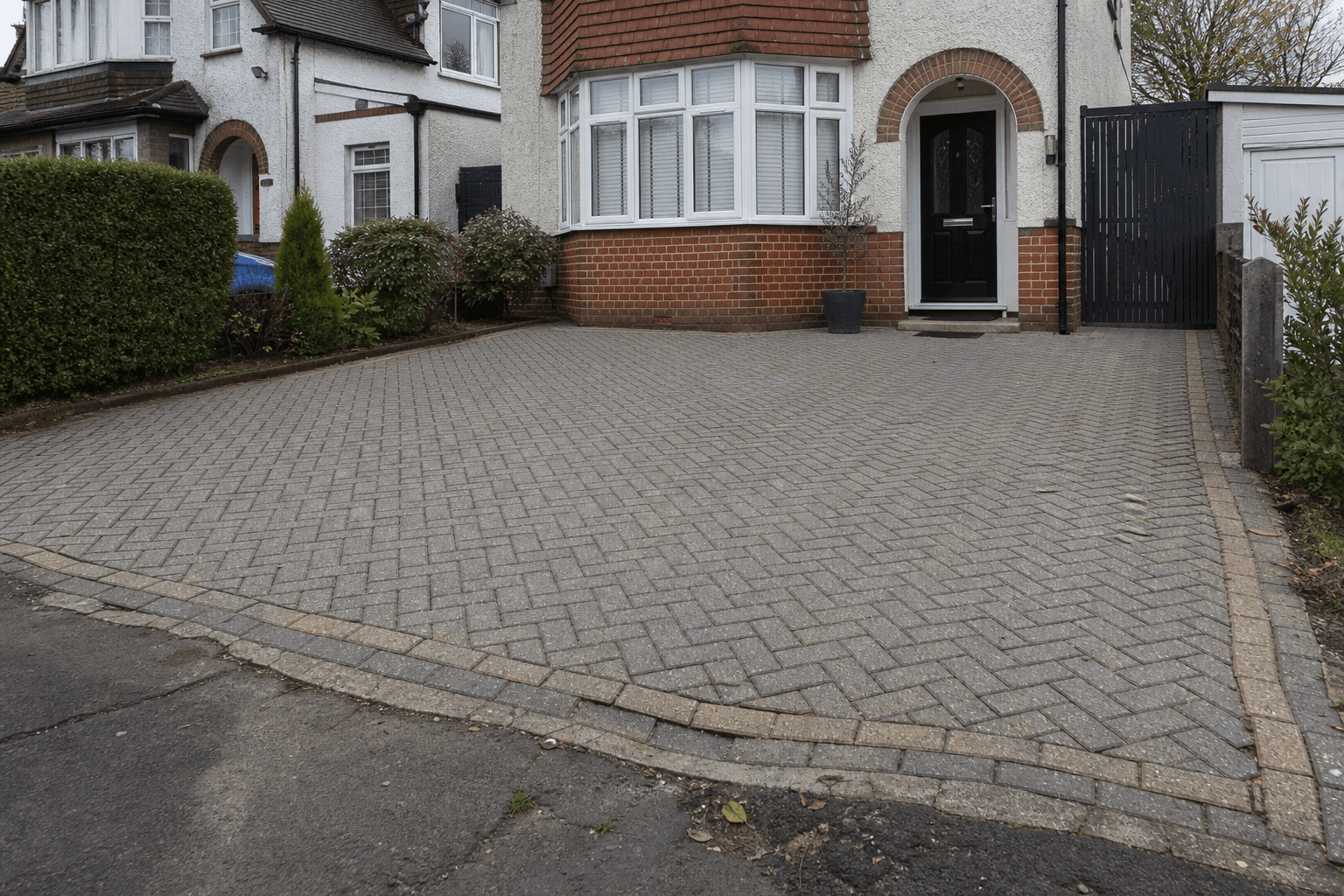
The 11 block paving driveway mistakes UK homeowners make in 2026, from missed edging to wrong sand, and how to avoid each one before it costs you.
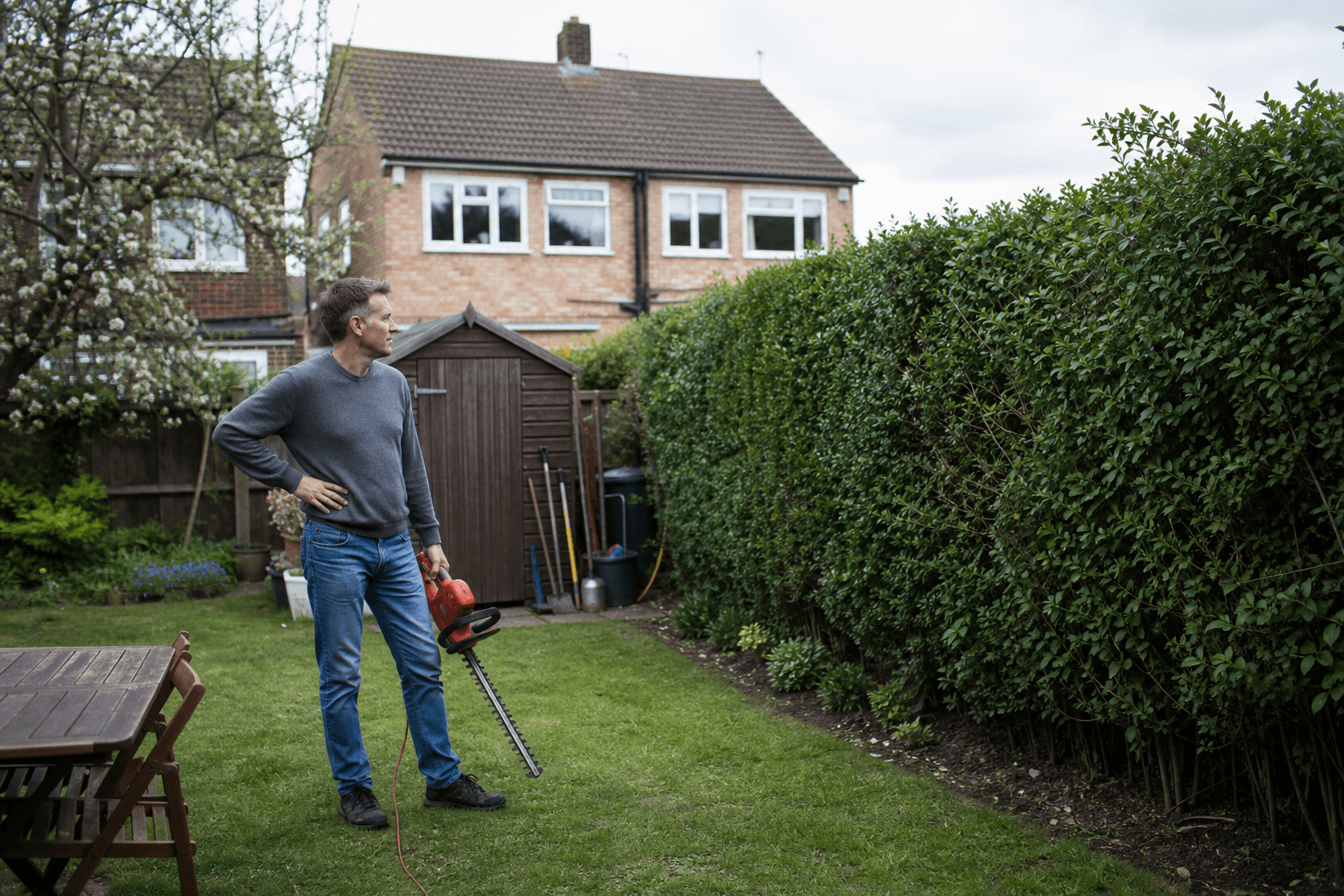
UK garden mistakes that cost real money: illegal hedge cutting, wrong-season scarifying, over-fertilising. Fix each one, save up to £1,200/year.
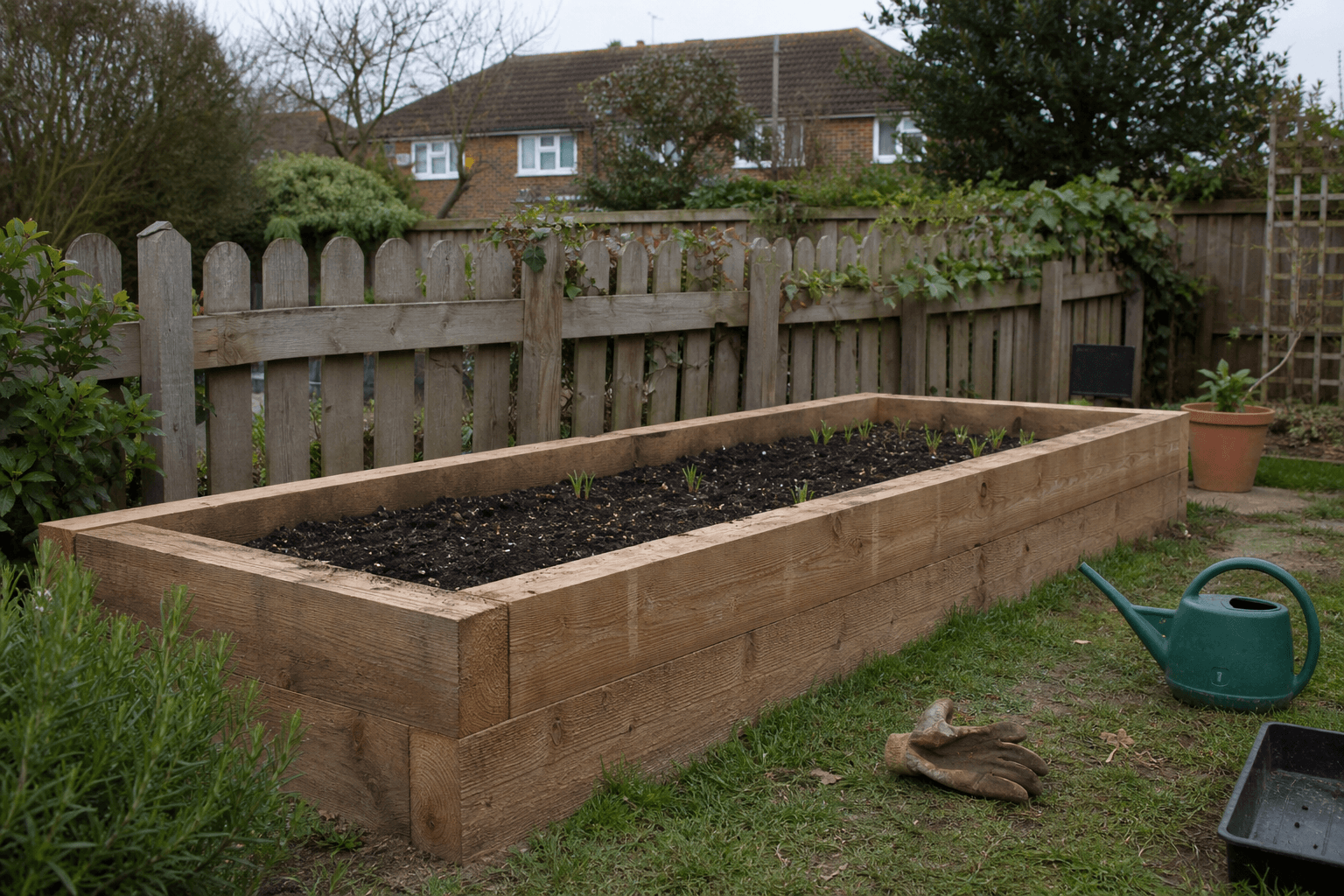
UK 2026 garden sleepers buying guide: oak vs softwood vs reclaimed, prices £15-£45, safe-for-veg picks, and 12 ways to use them.
Related services
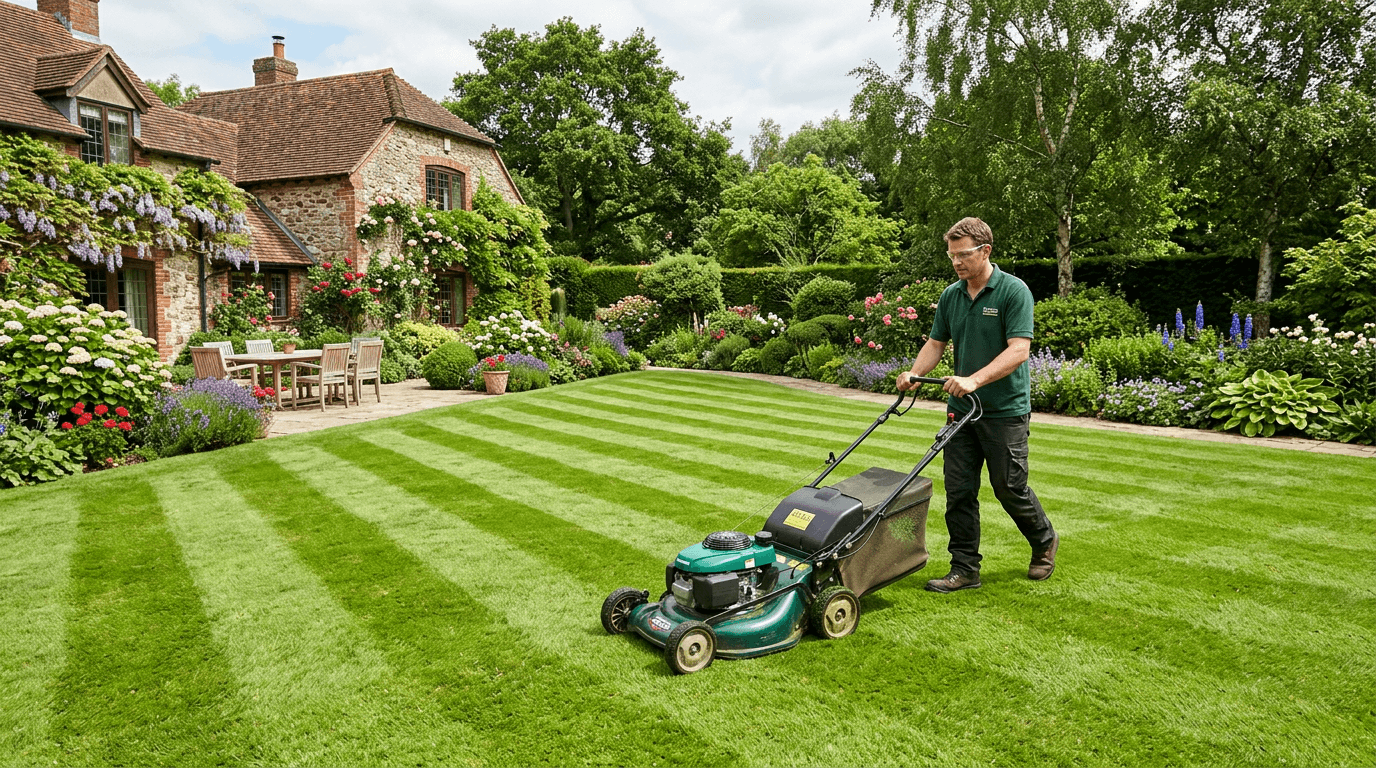
Neat lawns without the mower hassle. Taskino arranges professional lawn mowing with insured gardeners who arrive fully equipped, give clear quotes and leave edges trimmed and clippings tidied when agreed.
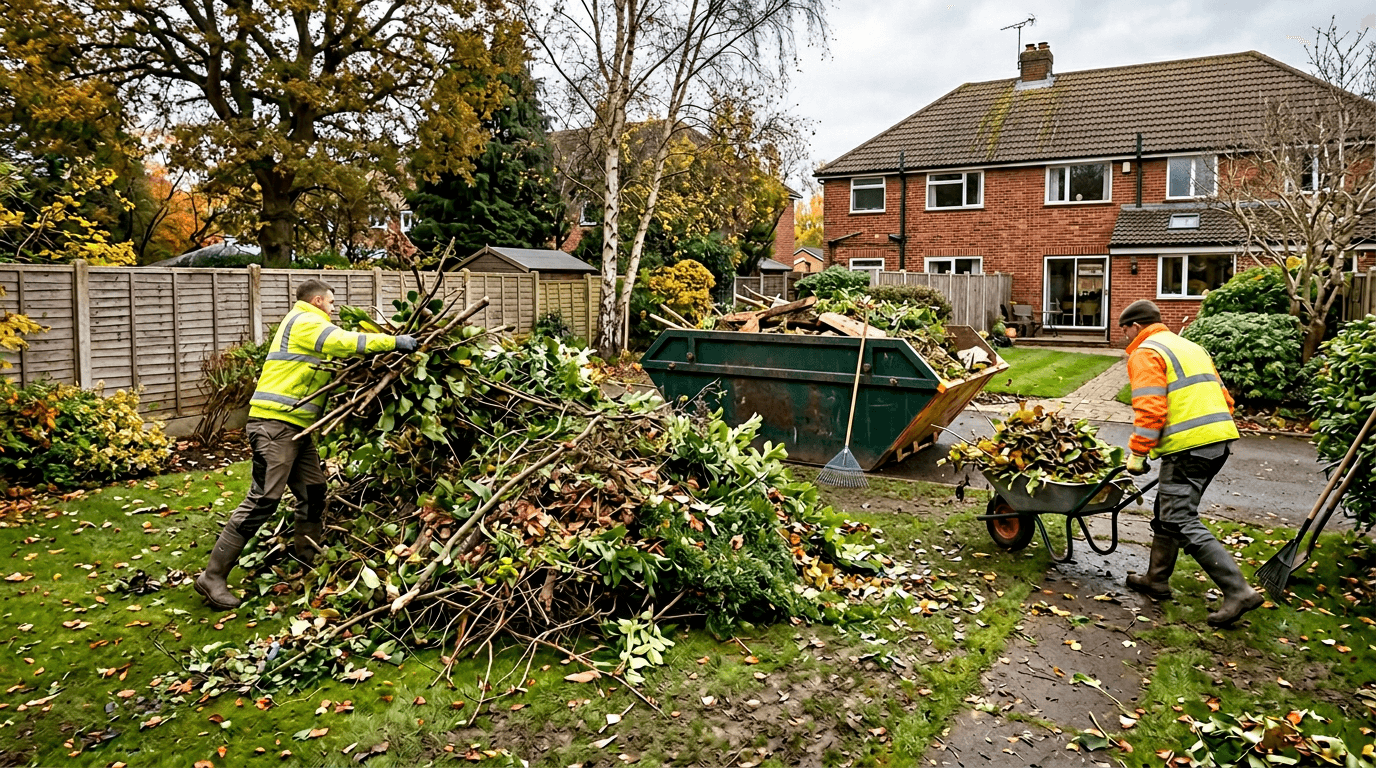
Garden clearance across the UK: green waste, soil, rubble and project leftovers removed by licensed crews. Clear quotes, complete clear-up, no hidden fees. Contact us for a tailored quote.
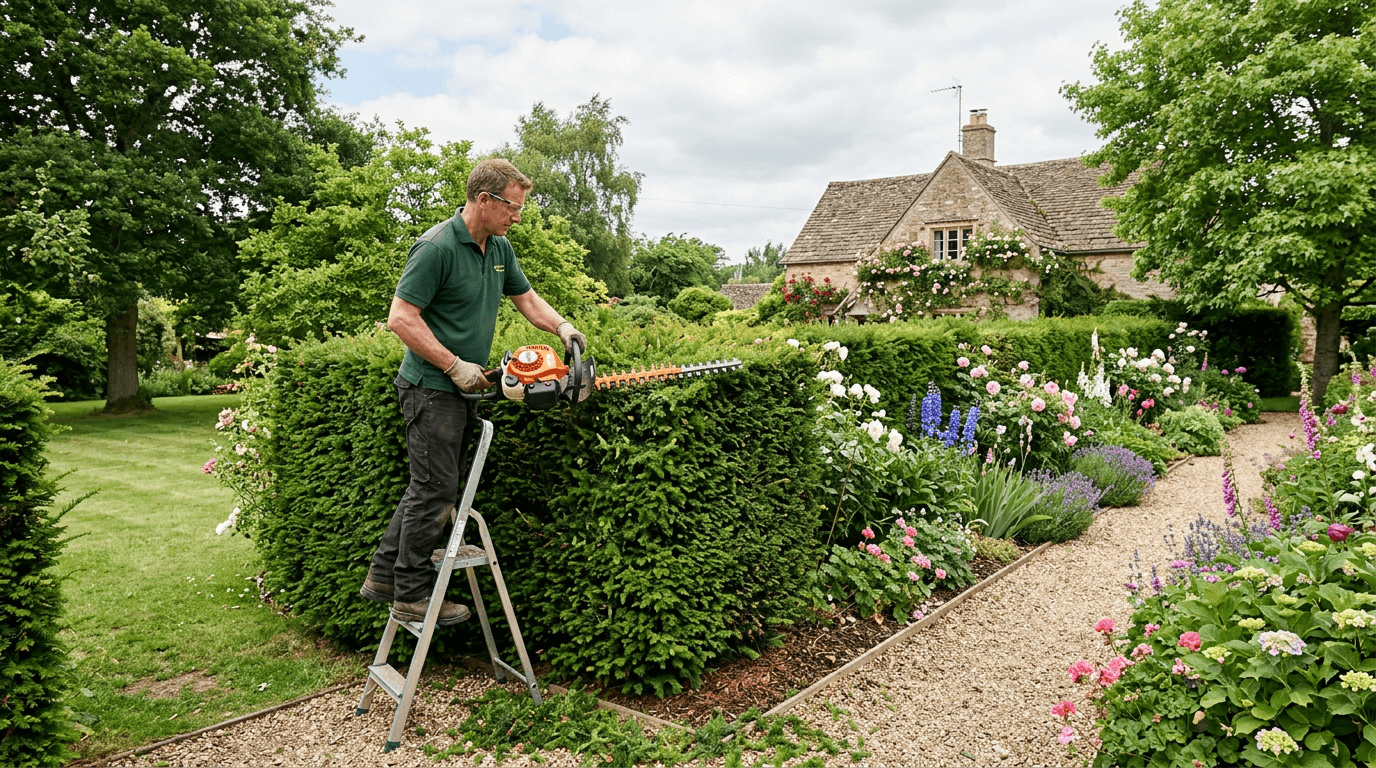
Neat, shaped hedges without the ladder hassle. Taskino arranges professional hedge trimming with insured specialists, clear quotes and a tidy finish including cuttings cleared when agreed.
Ready to Book Your Service?
Tell us what you need and our team will help you find the right professional quickly, with clear pricing and no hidden fees.