
Roof and Gutter Work DIY or Hire a Pro? An Honest UK Comparison [2026]
UK roof and gutter work DIY vs hire: legal, insurance and cost reality. Working at Height Regs 2005, when DIY is illegal, when it just costs more.
Yes, you can clean your own gutters from the ground with a telescopic pole. Anything above ground-floor reach, anything on the slope itself, is a pro job under the Working at Height Regulations 2005. The Health and Safety Executive reports that falls from height remain the single largest cause of construction fatalities in Great Britain (HSE Statistics, 2024). DIY roof work can also void buildings insurance.
TL;DR
- Short answer: ground-level gutter clearing is DIY. Anything on the roof slope is a pro job under the Working at Height Regulations 2005.
- DIY wins: ground-level gutter pole work, single-storey downpipe unclog, ground inspection with binoculars.
- Pro wins: replacing slates or tiles, flat-roof patching, chimney repointing, anything needing scaffold.
- Insurance: DIY roof claims are routinely declined and may breach Building Regulations.
Safety callout. Working at height is the leading cause of UK construction fatalities (HSE, 2024). DIY roof work can void buildings insurance and may breach Building Regulations.
For the bigger picture on what a full re-roof actually costs and when it's due, see our roof replacement cost pillar guide.
The honest answer
Around 51 workers died from falls from height across UK workplaces in 2023/24, the largest single cause of fatal workplace injury (HSE Fatal Injury Statistics, 2024). The Working at Height Regulations 2005 don't ban DIY outright, but they require a "competent person" and planned access. That's a high bar for a Saturday morning.
The insurance reality is blunter. Most buildings policies oblige you to take "reasonable care" and use a competent installer for material roof work (ABI guidance, 2024). DIY claims for leaks after a homeowner's own patching are routinely declined. CompetentRoofer-scheme members can self-certify to Building Regulations Part L and Part C. Homeowners can't, which means a notification through Building Control is the alternative.
Citation capsule. Falls from height remain the single largest cause of fatal injury in UK workplaces, with around 51 deaths recorded by the Health and Safety Executive in 2023/24 (HSE Fatal Injury Statistics, 2024). DIY roof work above ground floor sits squarely inside that risk profile.
Need help with Roofing repairs?
Tell us about your job and we will match you with the right professional for Roofing repairs.
When does DIY make sense?
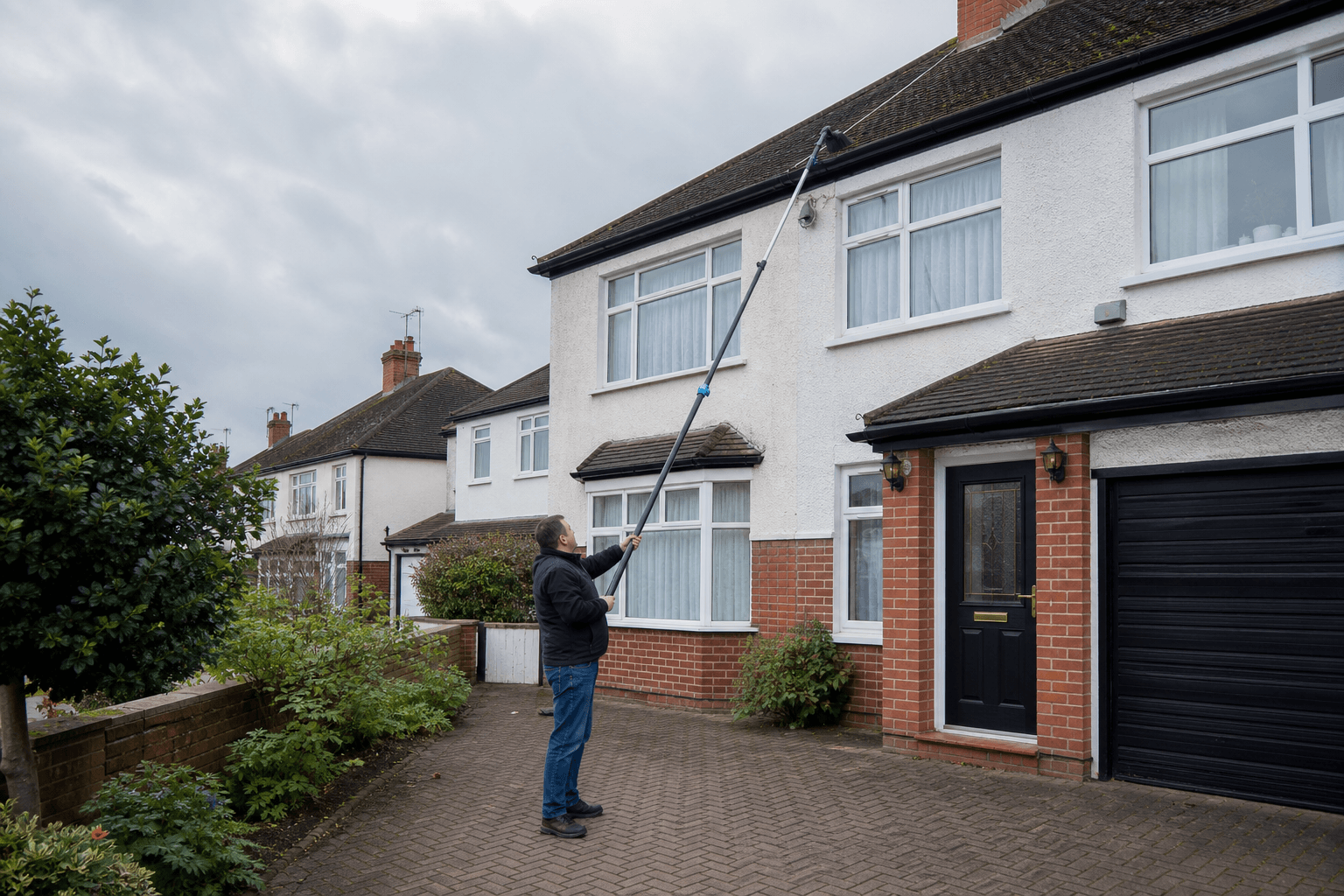
DIY makes sense when the job stays at ground level, uses tools you'll reuse, and carries no Working at Height Regulations risk. Ground-level gutter clearing with a 6m telescopic pole costs around £45–£95 at Wickes (Wickes 2026 product listings). A pro callout in the same scenario runs £80–£150 (Checkatrade 2026).
Scenarios where DIY genuinely saves money
We mapped three common single-storey jobs against current trade rates.
- Ground-level gutter clearing on a single-storey extension. DIY £45 pole vs £80–£120 callout (Checkatrade 2026). DIY wins after one use.
- Replacing a single uPVC gutter clip reachable from a step ladder. £3 part from Screwfix vs £80 minimum callout. DIY wins outright.
- Visual storm inspection with binoculars from the lawn. Free vs £150–£250 for a paid roof inspection.
For a full walkthrough of the safe ground-level method, see our gutter cleaning cost guide.
Scenarios where the learning is worth more than the money saved
Knowing what a healthy gutter run looks like is the real prize. You spot a dropped joint, a sagging length, or moss build-up six months before it becomes a leak. Practising a hose-test diagnosis also means you can describe the actual problem to a roofer, which usually shaves £40–£80 off the diagnostic time.
Tools you'll actually get reuse out of
- Telescopic gutter pole 6m: £45–£95 (Wickes, Toolstation).
- Leaf scoop and gutter brush attachment: £8–£15 (Screwfix).
- 10x42 binoculars for inspection: £40–£90 (Argos).
- Safety glasses to BS EN 166: £4–£12 (B&Q).
- Heavy gloves rated EN 388: £6–£14 (Screwfix).
When does hiring a pro make sense?
A pro is essential when the work touches the slope, exceeds 3m of ladder height, or affects a regulated material. The National Federation of Roofing Contractors estimates avoidable DIY damage adds 15–25% to typical re-roof costs when the homeowner has already attempted a fix (NFRC homeowner guidance, 2024). The "cheap" Saturday becomes the expensive Monday.
Scenarios where DIY costs more in the end
We hear the same two stories from Taskino-network roofers most months.
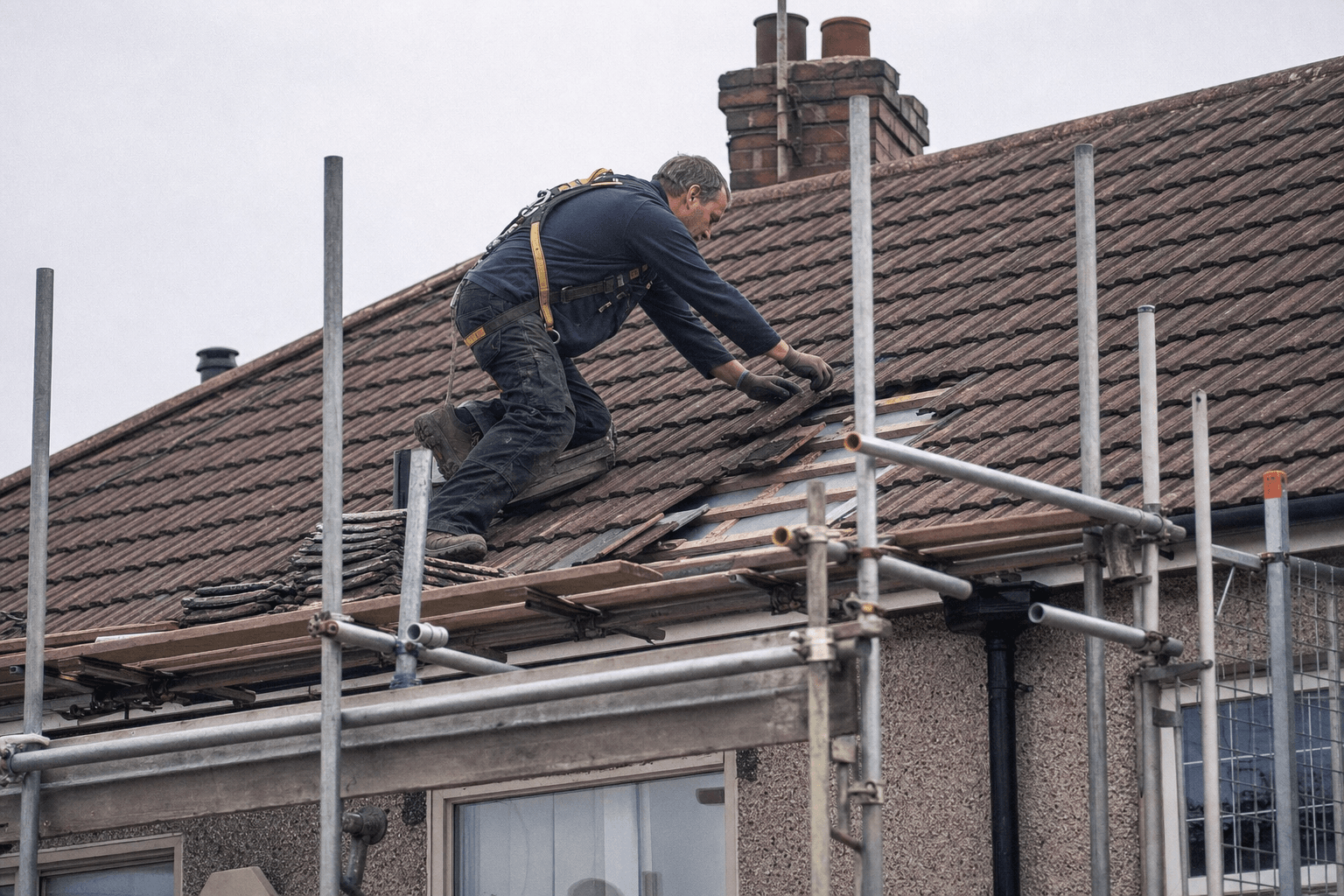
- "I cleaned the moss off myself with a jet wash." Cost: £200 worth of damaged Welsh slate, £1,800 to replace the affected pitch. Welsh slate is permeable. A pressure washer atomises the surface.
- "I replaced one slipped tile myself." Cost: three cracked neighbours, £400 to fix what was an £80 job. Concrete tiles take a knack and a slater's ripper, not a hammer.
The same logic catches out conservatory owners. If yours is sagging or leaking at the box gutter, see our conservatory roof replacement cost breakdown before climbing on the roof bars.
Scenarios where DIY is dangerous or illegal
Anything above ground floor falls under the Working at Height Regulations 2005, which require a competent person and planned access (legislation.gov.uk, 2005). Work near overhead power lines is an HSE-prohibited zone. Asbestos-cement gutters, common in pre-1999 UK housing, are HSE-controlled waste. Chimney work near a gas flue must satisfy Building Regulations Part J. None of these are DIY territory.
Insurance and liability implications
Most buildings policies require a "competent installer" for material roof work. CompetentRoofer-scheme installers provide the Part L self-certification paperwork insurers and conveyancers want. Cash-in-hand DIY repairs typically leave the homeowner self-insured for resulting damage. If a DIY patch causes interior damp and then mould, even the contents claim can be reduced. For the mould side of the consequence chain, see how to remove mould.
Explore our Roofing repairs service
See what is included, typical timings, and what to prepare before you book.
How do DIY and hiring compare side by side?
The short answer: DIY wins on raw cash for ground-level work and loses on everything regulated. Here's the honest comparison, with figures benchmarked against Checkatrade 2026 cost data and NFRC member quotes.
| Factor | DIY | Hire a pro |
|---|---|---|
| Up-front cost | £45–£250 (pole, vacuum, PPE) | £80–£250 callout for gutters; £150–£500 day rate for roof |
| Time | 2–3 hours per session | 1–2 hours per typical visit |
| Tools needed | Telescopic pole, scoop, binoculars | Scaffold or tower, MEWP, safety harness |
| Skill required | Low at ground level, high beyond | NVQ Level 2+ roofing or 5+ years on the tools |
| Quality of finish | Variable, no warranty | Manufacturer-backed (Marley, IKO, Bauder) |
| Risk if wrong | Falls, voided insurance, water damage | Pro's £2m+ public liability covers it |
| Insurance | Self-insured, claims often declined | Pro's PL plus your buildings cover both apply |
| Resale impact | "DIY repair" can flag on surveys | Receipts and certs help a Homebuyer's Survey |
| Stress | High when you realise mid-job | Low, they own the outcome |
What does a real-world cost comparison look like?
Let's price one realistic job: clear all gutters and replace a single slipped concrete tile on a 3-bed semi. We'll use Checkatrade 2026 benchmark rates and Wickes 2026 product prices. The DIY route, once you cost the day off work honestly, ends up dearer than the pro.
DIY breakdown:
- Telescopic pole 6m (Wickes): £65
- Leaf scoop attachment (Screwfix): £10
- Safety glasses BS EN 166 (B&Q): £8
- Replacement concrete tile (Travis Perkins): £4
- Scaffold tower hire for 1 day (HSS Hire): £80
- Lost income, 1 day off work at UK median £150 (ONS earnings data, 2024)
Total roughly £317, plus the residual risk of a slip and a voided buildings claim.
Pro quote:
- Gutter clear, full house (Checkatrade 2026): £100
- Slipped concrete tile replacement on the same visit (NFRC member): £80
Total £180, fixed price, with a 12-month return on snags if the installer is in the CompetentRoofer scheme.
Pricing note. "Once you cost the day off work, the pro wins by about £137 on a job most homeowners imagine they'll save money on" (, Taskino network rate analysis, 2026).
Ready to book Roofing repairs?
Send a quick enquiry — we typically respond the same working day.
What hidden costs of DIY does nobody mention?
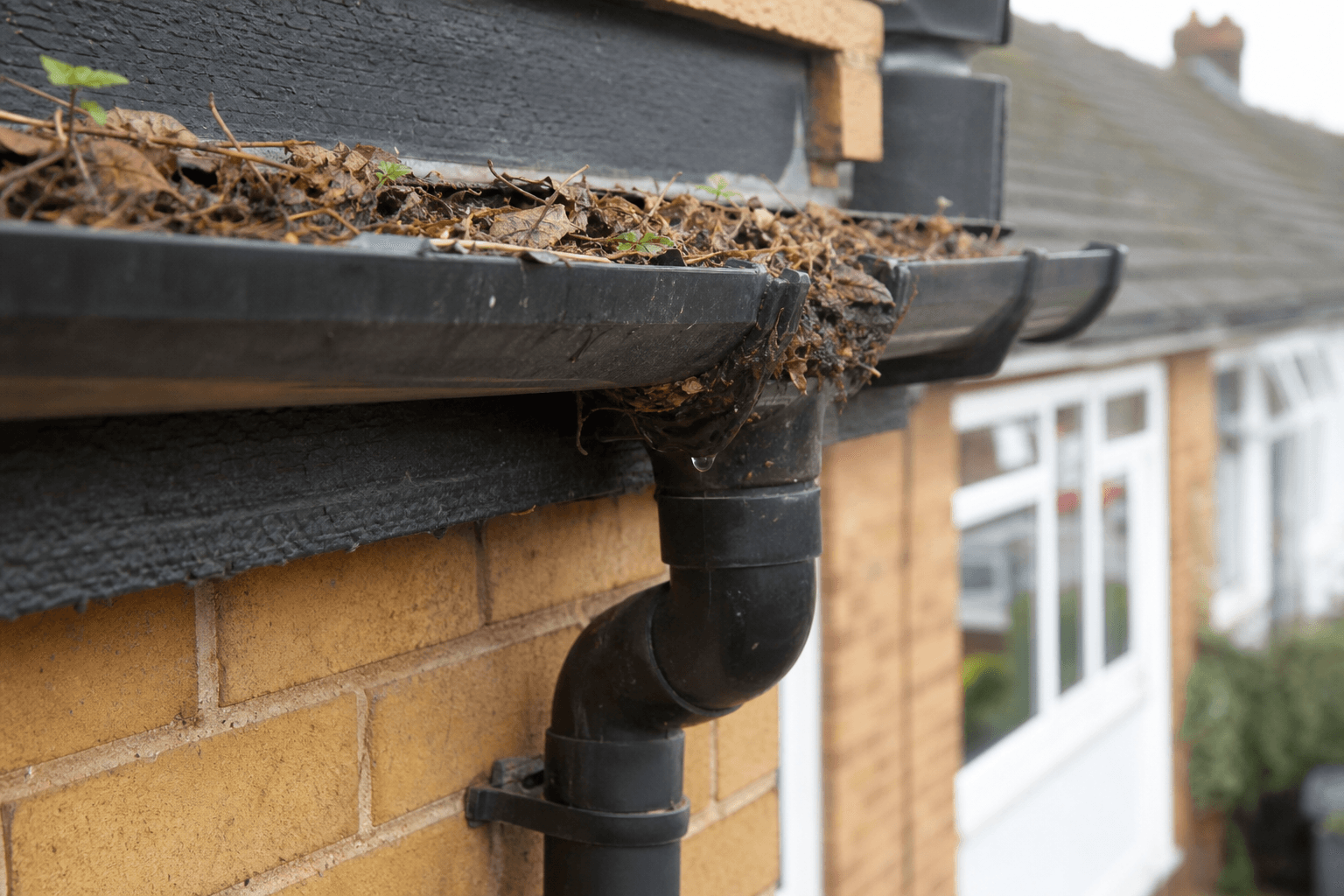
The advertised DIY saving rarely survives a proper itemised list. Scaffold tower hire runs £60–£120 per day from HSS Hire or Speedy Hire (HSS 2026 hire rates, 2026). Skip hire for old felt or tile waste runs £180–£280 depending on region (Checkatrade 2026). These costs go invisible until invoice day.
- Scaffold tower hire: £60–£120 per day (HSS, Speedy).
- Skip hire for waste: £180–£280 depending on postcode.
- Tool storage taking up the garage forever.
- Mistakes: one cracked neighbouring slate is £80–£150 to swap.
- Partner patience, immeasurable. The photo album will tell you.
- Lost wages for time off the day job.
- Voided buildings insurance if a later leak gets pinned on the DIY patch.
What hidden value does hiring bring that nobody mentions?
The receipt is the cheap bit. The valuable thing is the paperwork around it. A CompetentRoofer-scheme installer can self-certify to Building Regulations Part L, which means no Building Control notification fee and a notice the conveyancer accepts at sale (CompetentRoofer, 2024).
- Manufacturer-backed warranty paperwork: often 10–20 years on Marley, IKO, or Bauder systems.
- Sale-time receipts that make a Homebuyer's Survey go smoothly.
- NFRC member protections and a proper complaints route.
- 12-month return visit on snags as standard within the CompetentRoofer scheme.
- The roofer spots the next failure point while they're already up there.
Learn more about Roofing repairs
Browse how we deliver Roofing repairs and the questions homeowners ask most often.
A decision flowchart you can use right now
Before you set foot on a ladder, run the answers in order. If any answer steers you to "stop, hire a pro", that's your verdict for today.
- Is the work above ground-floor reach? Yes, stop. Hire a pro.
- Will you need a ladder above 3m? Yes, stop. Hire a pro.
- Is the gutter cast iron or pre-1970s asbestos cement? Yes, stop. Hire a pro.
- Is it dry, mild, and wind below Beaufort 4? No, wait or hire.
- Can the whole job be done with a telescopic pole from ground level? Yes, DIY is fine.
- Does the issue look mechanical (dropped joint, sagging) rather than just dirty? Yes, hire a pro.
- Are you replacing or repairing the roof covering itself? Yes, CompetentRoofer-scheme installer only.
How Taskino helps when you decide to hire
If the honest verdict is "this one isn't worth the ladder", that's where Taskino comes in. We've already done the NFRC and CompetentRoofer checks and the public-liability paperwork on the roofers in our network, so you can get three honest quotes without spending a Saturday on Google. Tell us the job, the postcode, and the urgency. We'll match you with vetted local trades through our roofing service.
Thinking about Roofing repairs?
Share your postcode and job details for a no-obligation quote.
The short version
Ground-level gutter clearing is DIY. Anything above the eaves, anything on the slope, anything chemical, asbestos, or gas-flue-adjacent, is a pro job. The Working at Height Regulations 2005, Building Regulations Part L and C, and your buildings insurance wording all point the same way. The maths usually agrees once you've costed your day off work honestly. When the job clears the safety bar, save the £80 callout. When it doesn't, hire someone with the right paperwork. The cheaper Saturday is the one where nobody falls.
Sources
- HSE Working at Height — https://www.hse.gov.uk/work-at-height/
- HSE Fatal Injury Statistics 2023/24 — https://www.hse.gov.uk/statistics/fatalinjuries.htm
- Working at Height Regulations 2005 — https://www.legislation.gov.uk/uksi/2005/735/contents/made
- NFRC homeowner guidance — https://www.nfrc.co.uk/
- CompetentRoofer scheme — https://www.competentroofer.co.uk/
- Checkatrade Gutter Cleaning Cost Guide 2026 — https://www.checkatrade.com/blog/cost-guides/gutter-cleaning-cost/
- Wickes telescopic pole product listings 2026 — https://www.wickes.co.uk/
- ABI buildings insurance guidance — https://www.abi.org.uk/
Frequently asked questions: Roof and Gutter Work DIY or Hire a Pro? An Honest UK Comparison [2026]
Short answers to common questions about this topic.
Our team will answer all your questions. we ensure a quick response.
Contact UsRelated posts
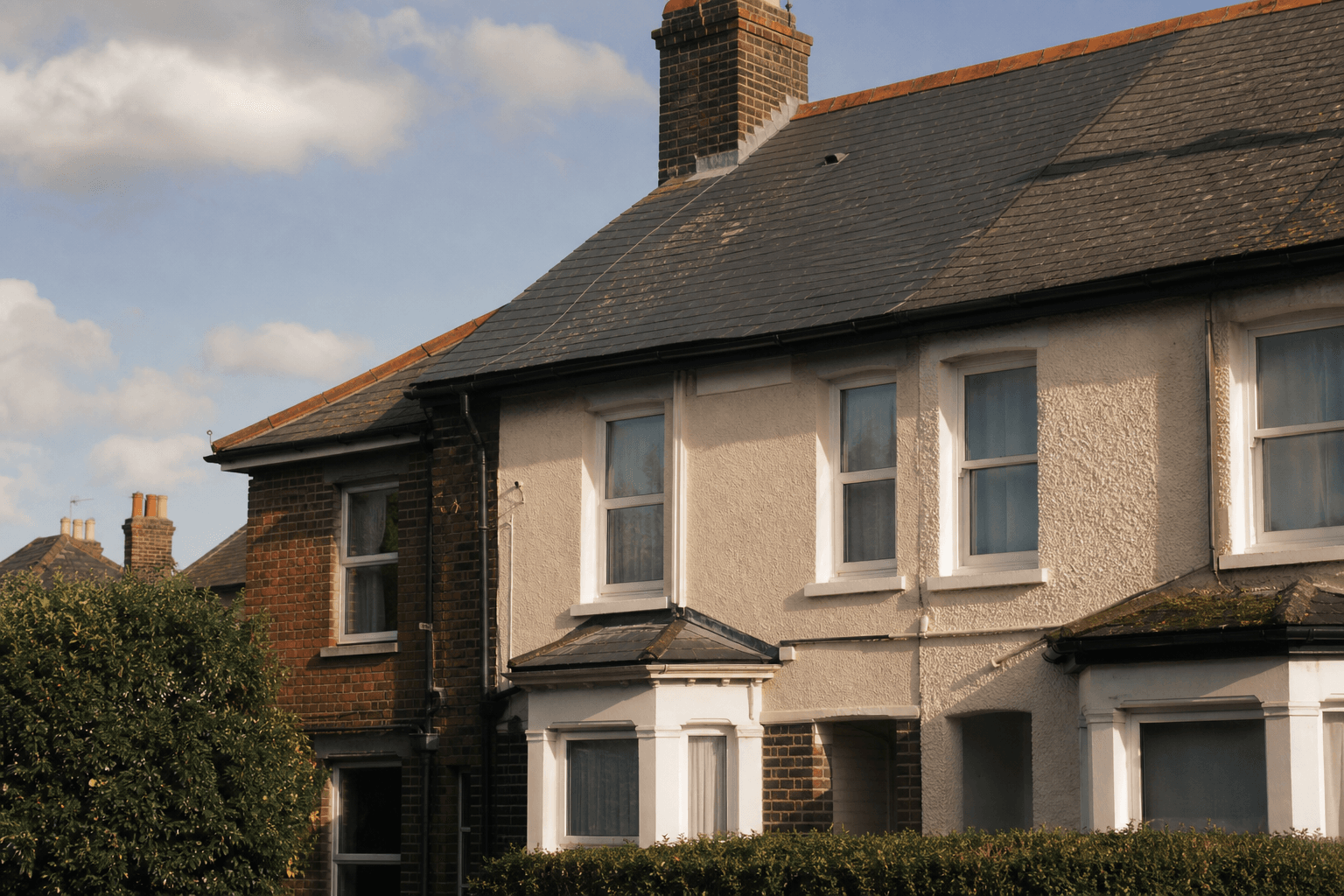
UK 2026 roof replacement cost per m², conservatory roof prices, gutter and chimney work, Working at Height rules and how to hire an NFRC roofer.
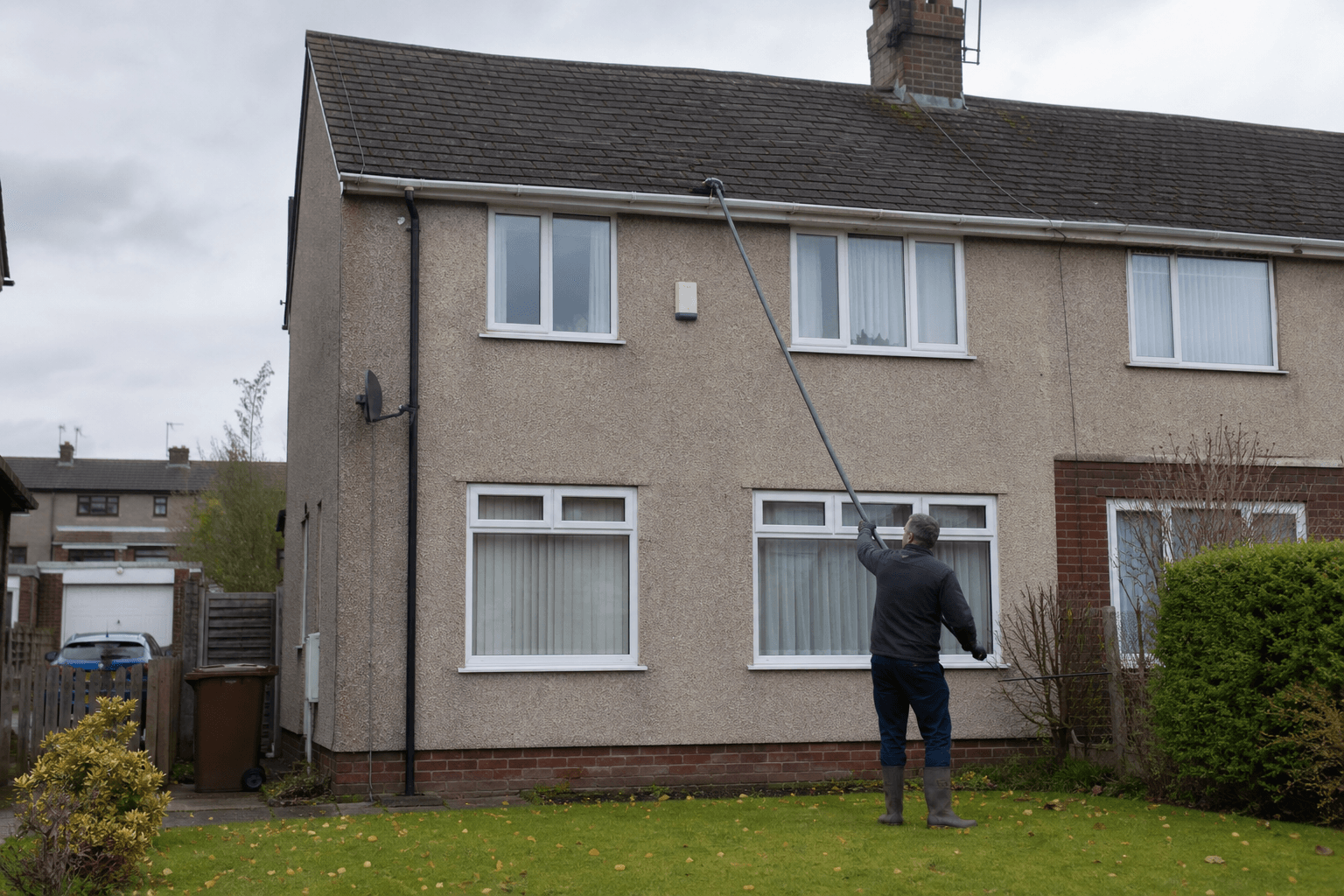
Clean UK gutters safely from the ground: kit list (£40-£250), step-by-step, plus when to stop and call a pro under the Working at Height Regs.
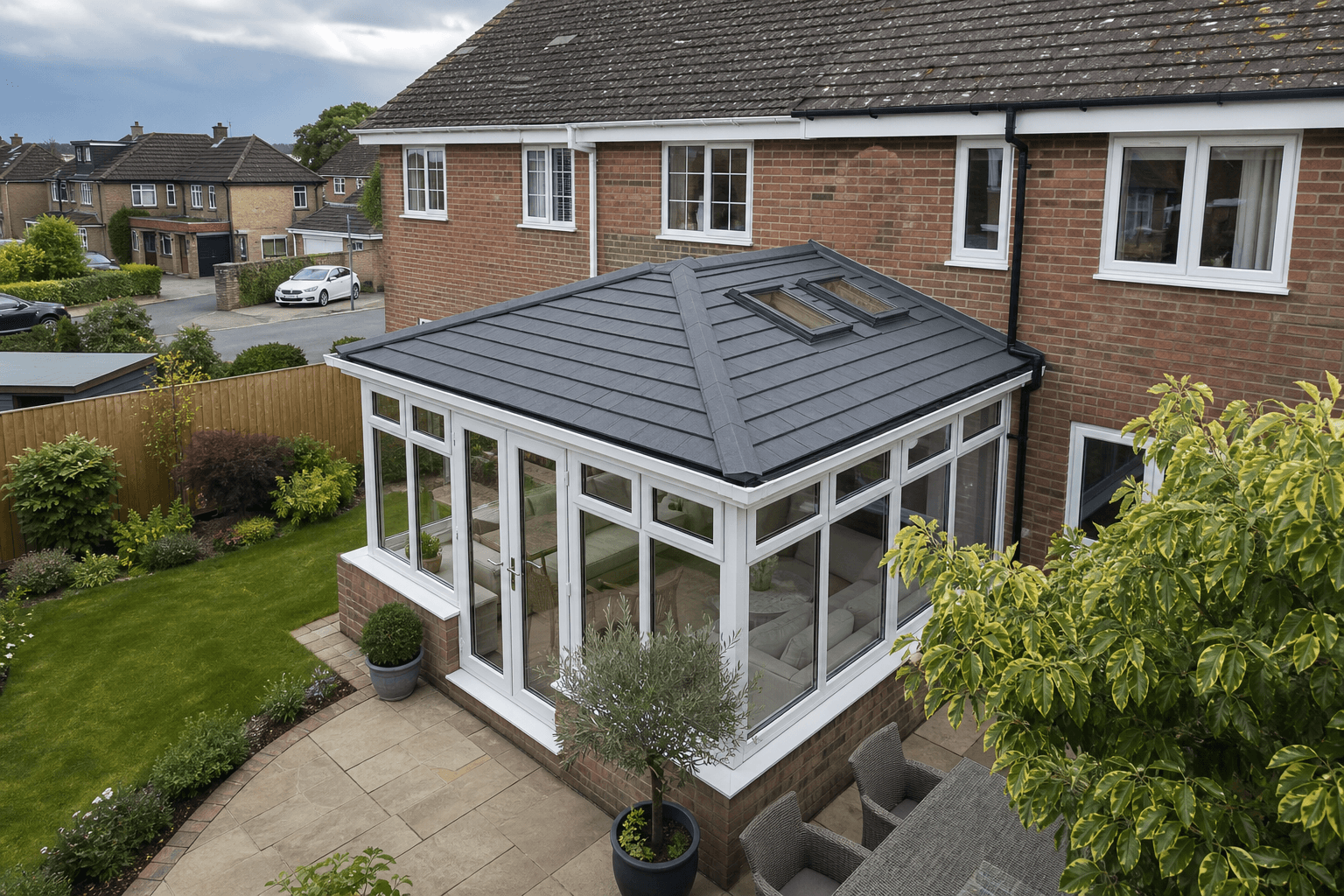
UK 2026 conservatory roof replacement cost: polycarbonate, glass, tiled solid roof (Guardian, Ultraframe, Equinox). Real ranges, planning rules, hiring tip
Latest in Construction
View all in this category
Architect, design-and-build or DIY for your UK extension? Honest 2026 cost-benefit, ARB rules, when each wins, and the decision flowchart.
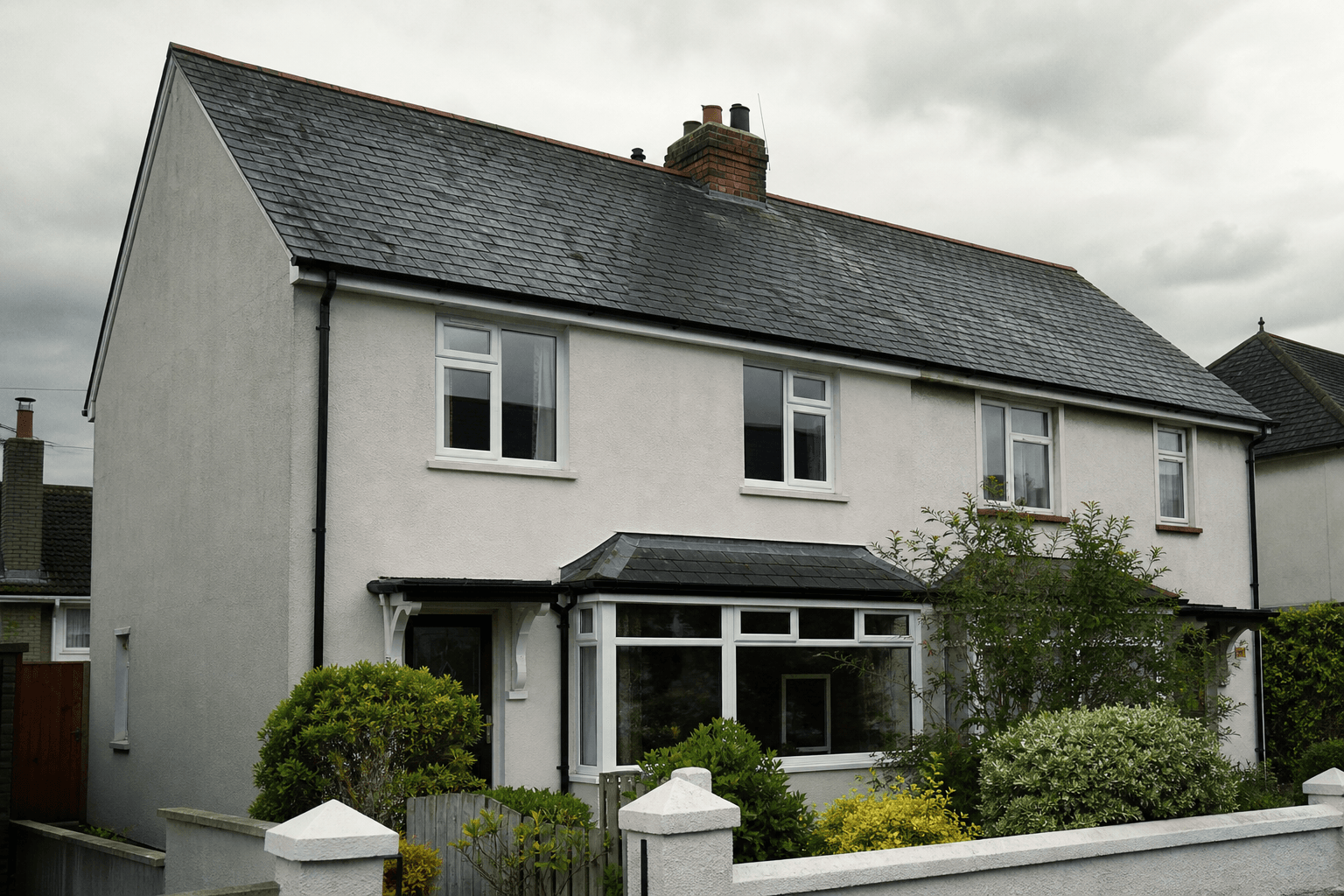
UK roofing mistakes that void insurance, damage slate or invite scams. Jet washing, cash payments, missing flashings, what they cost and how to avoid them.
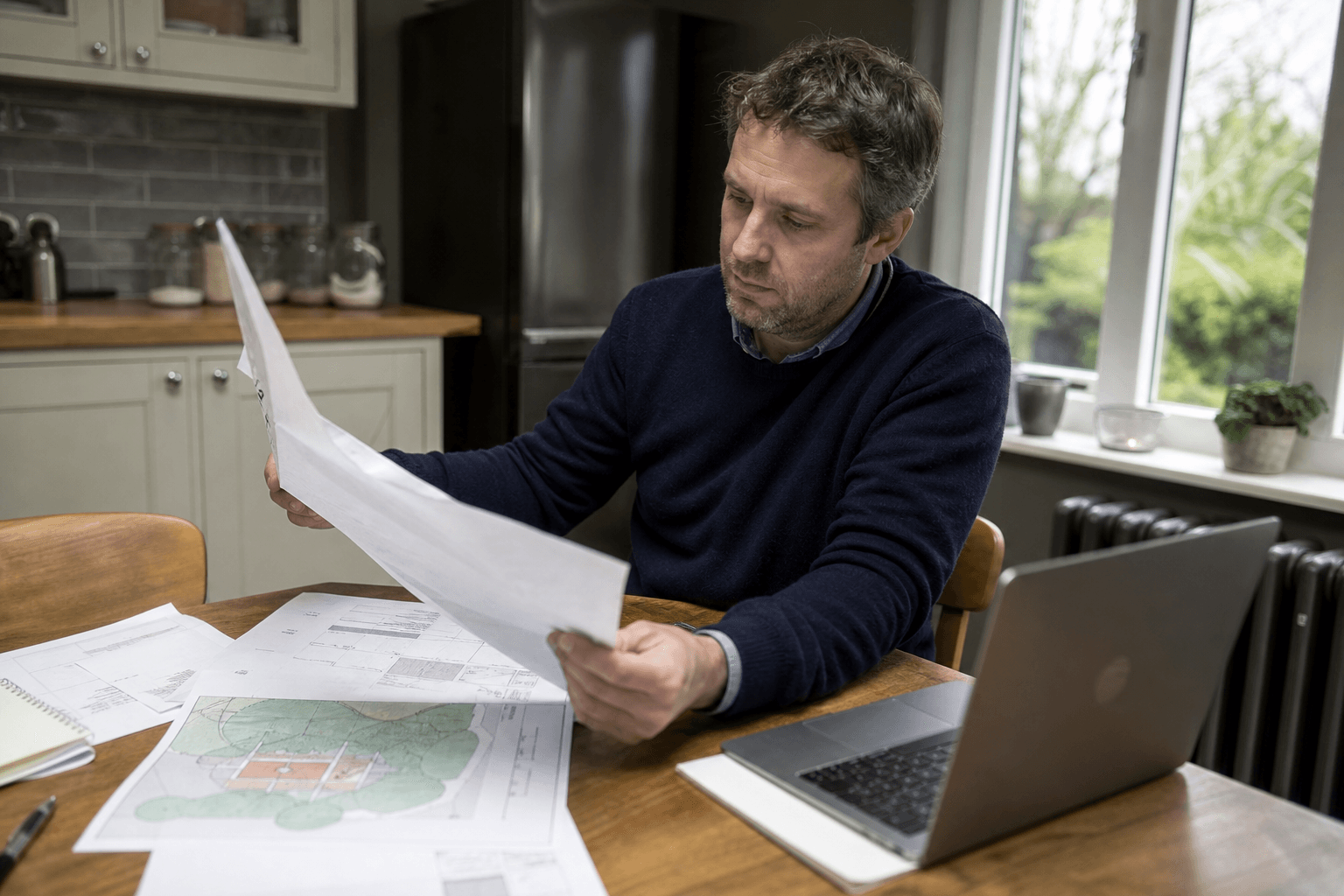
Apply for house extension planning permission in 8 steps. UK 2026 rules, PD limits, Larger Home Extension prior approval, fees and timelines.
Related services
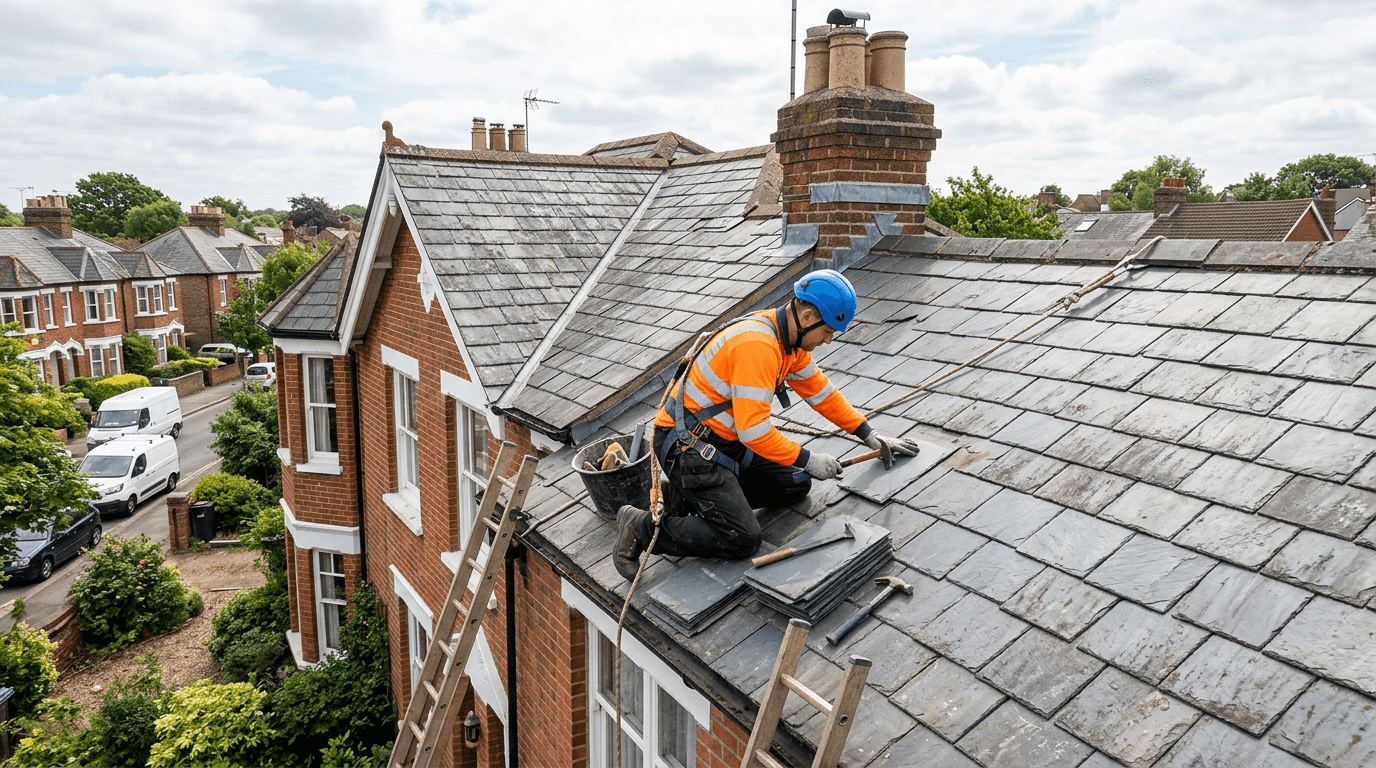
Fast, reliable roofing repairs from trusted local professionals. We diagnose leaks, replace damaged tiles and fix flashing with clear quotes, insured tradespeople and a tidy finish.
Ready to Book Your Service?
Tell us what you need and our team will help you find the right professional quickly, with clear pricing and no hidden fees.